
Cookware & bakeware · Pot
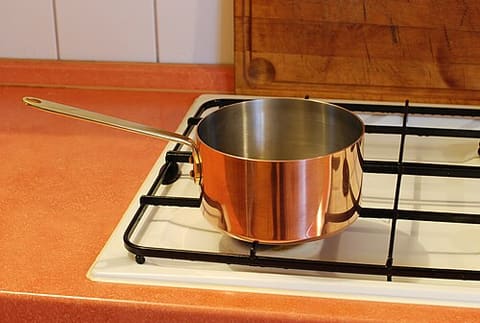
Saucepan
A deep, straight-sided pan with a long handle and a lid for boiling, simmering and making sauces.
Essential in most kitchens · Used on the stovetop · 684 recipes
Photo: Erik Streb, via Wikimedia Commons (CC-BY-SA-3.0)
What it is
A round pan with tall vertical sides, a single long handle and usually a fitted lid, typically holding 1–4 litres. It is smaller and lighter than a stockpot, which has two side handles and much greater capacity.
What it’s for: Heating and cooking liquids and the foods cooked in them, in small to medium quantities.
How to use it
- Pick a size that is no more than about two-thirds full once everything is added.
- Bring liquids to the boil over high heat with the lid on to save time.
- Reduce to a gentle simmer and leave the lid ajar if liquid needs to evaporate.
- Stir sauces and porridges regularly so they do not catch on the base.
Good to know
- Tasks
- boiling eggs and pasta, cooking rice and lentils, making sauces and custards, heating milk, blanching vegetables, reheating soups
- Cooking methods
- Boiled, Simmered, Poached, Blanched, Steamed, Stewed
- Materials
- stainless steel, aluminium, non-stick, enamelled steel, copper
- Care and cleaning
- Soak burnt-on residue in warm soapy water before scrubbing. A heavy, layered base resists scorching. Dry stainless steel to avoid water spots.
- Limitations
- Too small for big batches of stock or pasta for a crowd; the narrow base is poor for browning.
Safety
- Turn the handle away from the front of the hob.
- Lift lids away from you to avoid steam burns.
- Milk and starchy liquids can boil over suddenly; watch them.
If you don’t have one
- Dutch oven / casserole pot — Works for simmering and sauces; heavier and holds more heat.
- Stockpot / large pot — Fine for boiling, but harder to control for small amounts.
Equipment guide
How it works: The burner heats the base and the liquid inside carries heat around by convection: hot liquid rises from the base and cooler liquid sinks. Tall sides keep the liquid deep, which slows evaporation compared with a wide pan. Thick sauces convect poorly, so the layer touching the base can overheat and scorch unless the base spreads heat well and the sauce is stirred.
| Material | Good | Watch out |
|---|---|---|
| Stainless steel, clad (tri-ply or multi-ply) | Non-reactive with acids, takes high heat, dishwasher-tolerant; the aluminium or copper core spreads heat evenly; builds fond for pan sauces. | Food sticks unless the pan is preheated with fat; heavier and slower to respond than bare aluminium. |
| Stainless steel with an encapsulated base disc | Cheaper than full cladding; the thick base spreads heat on the bottom. | Sides stay cooler than the base and sauces can catch where disc meets wall; small discs give hot spots on large burners. |
| Aluminium (plain or hard-anodised) | Light, conducts heat about 15 times better than stainless steel and heats quickly; anodising hardens the surface and stops reaction with acids. | Plain aluminium reacts with acidic and alkaline foods and can discolour them; thin gauges warp; not magnetic, so it needs a steel base for induction. |
| Non-stick (PTFE or ceramic sol-gel coating on aluminium) | Eggs, fish and pancakes release with little fat; easy to clean; forgiving for beginners. | Coatings wear out (ceramic often faster than PTFE); PTFE should not be heated empty or above about 260 °C; poor at building fond; needs non-metal utensils. |
| Enamelled steel | Light, inexpensive, non-reactive and easy to clean. | Thin, so hot spots and scorching are common; enamel chips and exposed steel rusts. |
| Copper (lined with stainless steel or tin) | The most responsive common pan metal: heats and cools very quickly and evenly; ideal for sauces and sugar work. | Needs a lining because bare copper reacts with food; tin linings melt at about 232 °C and need re-tinning; heavy at good thicknesses; polishing to keep it bright. |
- Straight-sided saucepan
- General boiling and simmering; 1–4 litres.
- Saucier (curved sides)
- Rounded junction between wall and base lets a whisk reach everywhere; best for custards, risotto and reductions.
- Milk pan
- Small, often non-stick with a pouring lip, for heating milk.
Buying guidance
Starting out: One 2-litre and one 3–4 litre pan with lids, stainless with a thick base.
Keen cook: Add a saucier for sauces and custards, and a small 1-litre pan.
Professional: Fully clad or copper sauciers for sauce work; heavy-gauge aluminium for bulk.
- Capacity: 1–4 litres
- Heavy base (encapsulated or fully clad) to prevent scorching
- Tight-fitting lid
- Pouring lip and internal volume markings are useful
- Induction-compatible base if needed
No brands or prices — check current reviews before buying.
Techniques:Deep-fryingSautéingConfitBoilingSimmeringPoachingSteamingBlanchingTadka (tempering)Dhungar (charcoal smoking)ReductionEmulsificationRoux thickeningClarificationPicklingGelification
Related tools
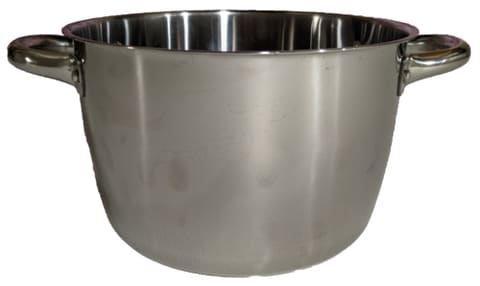 SimilarStockpot / large potMuch larger, with two handles, for stocks and big batches.
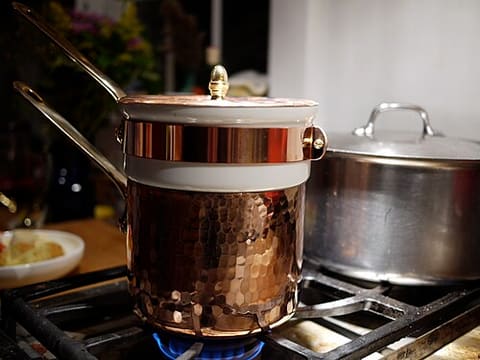 Used withDouble boiler / bain-marieA bowl or insert set over a saucepan of simmering water.
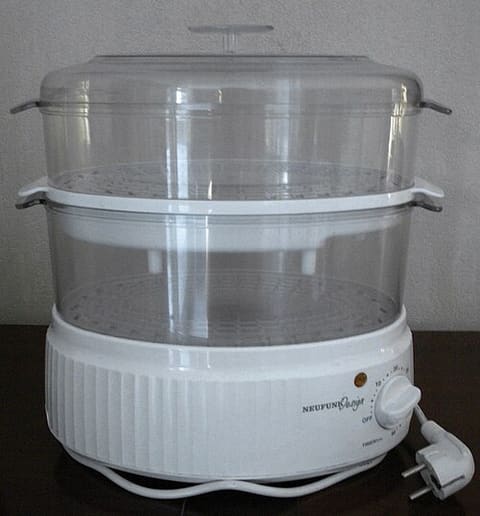 Used withSteamerSteamer baskets sit over a saucepan of boiling water.
- Goes well withWooden spoonFor stirring without scratching.
Recipes that use it
Aam ki launji (sweet-sour raw mango chutney)
 Indian · 40 min · 85 kcal · Vegan
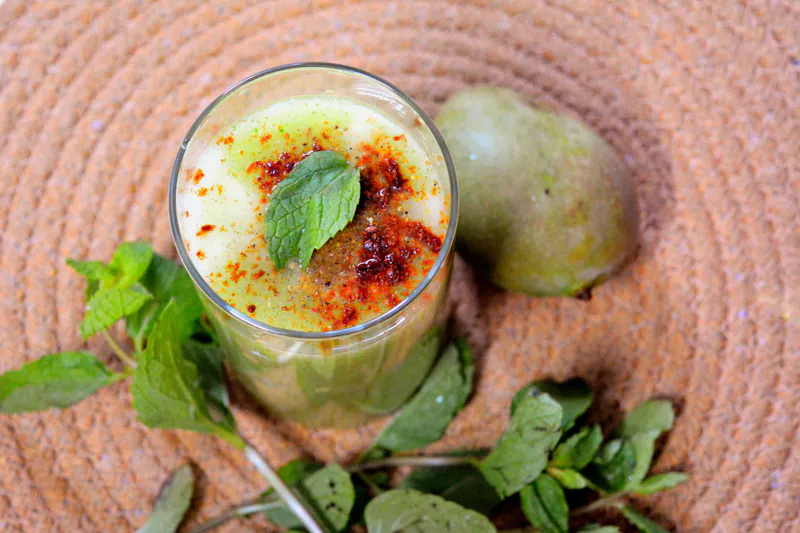
Aam panna
Indian · 45 min · 96 kcal · VeganAblo
 Togolese · 2 h 10 min · 269 kcal · Vegan
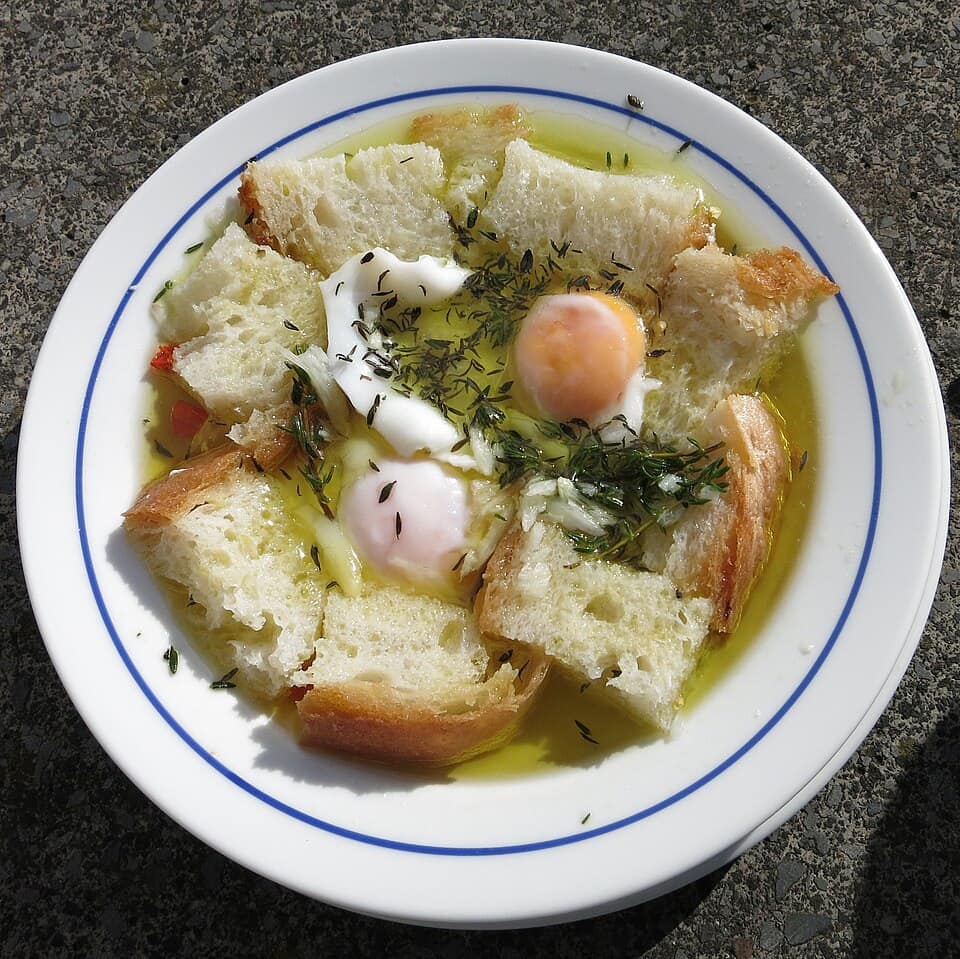
Açorda alentejana
 Portuguese · 20 min · 365 kcal · Contains egg
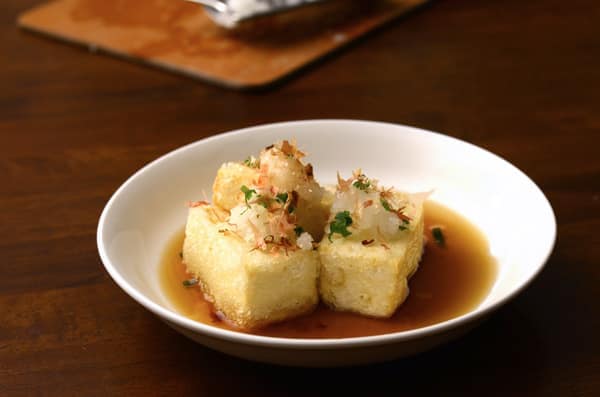
Agedashi tofu
 Japanese · 30 min · 329 kcal
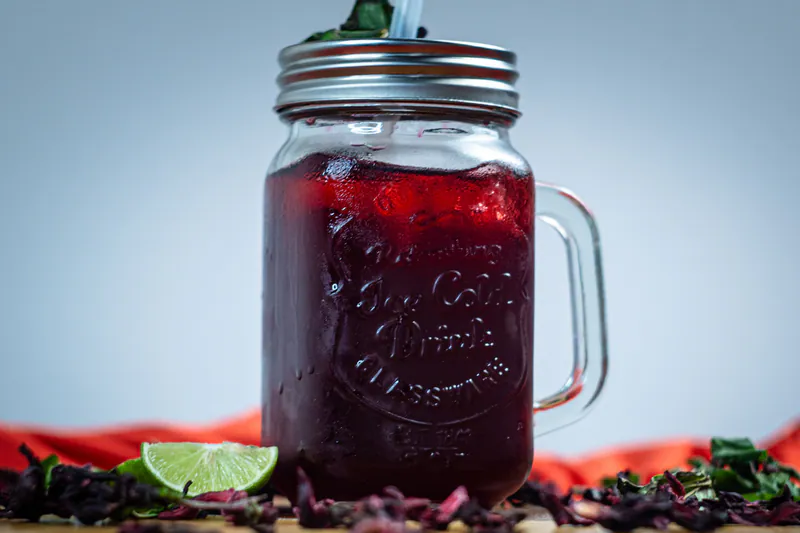
Agua de jamaica
 Mexican · 1 h 10 min · 60 kcal · Vegan
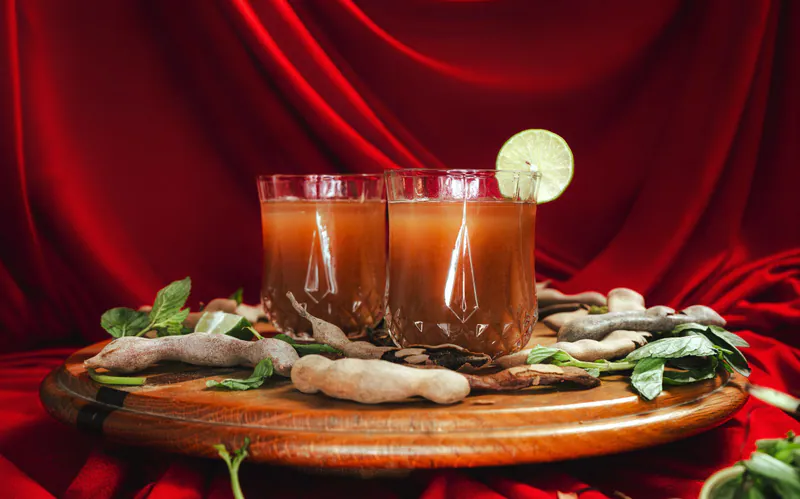
Agua de tamarindo
Mexican · 1 h 25 min · 125 kcal · VeganAguapanela con limón
 Colombian · 1 h 15 min · 99 kcal · Vegan
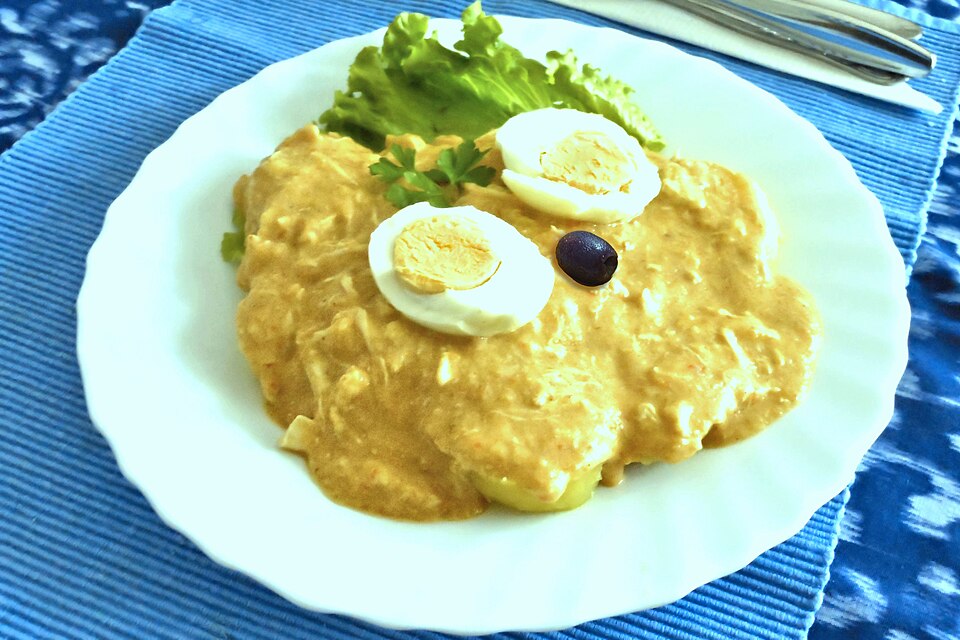
Ají de gallina
 Peruvian · 1 h 5 min · 553 kcal
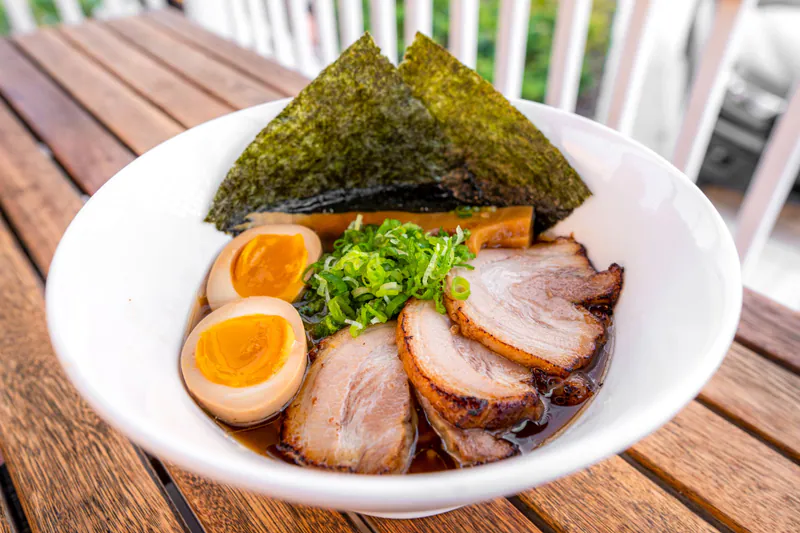
Ajitsuke tamago (ramen eggs)
Japanese · 6 h 20 min · 116 kcal · Contains egg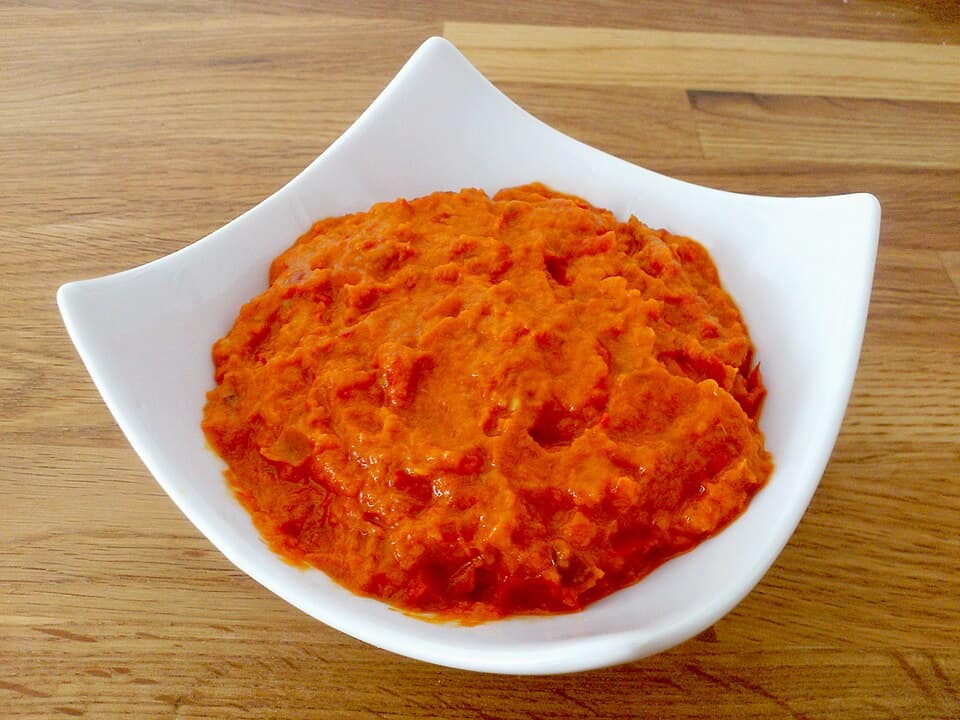
Ajvar
 Balkan · 2 h 15 min · 85 kcal · Vegan
Aloo bukhara chutney (sweet-sour plum chutney)
Indian · 1 h 10 min · 65 kcal · Vegan
672 more
- Aloo paratha · Punjabi
- Aloo rasedar · Indian
- Aloo sadeko · Nepalese
- Aloo tama · Nepalese
- Alouda · Mauritian
- Älplermagronen · Swiss
- Alu bhorta · Bangladeshi
- Amba (Iraqi mango pickle sauce) · Iraqi
- Ambuyat with cacah · Bruneian
- Amritsari kulcha · Punjabi
- Anda curry · Indian
- Anzac biscuits · Australian
- Apple sauce · British
- Arabic coffee (gahwa) · Saudi Arabian
- Arancini · Italian
- Arroz doce · Portuguese
- Aseeda with mullah · Sudanese
- Ashlyam-fu · Kyrgyz
- Avial · South Indian
- Avocado and Egg Toast · International
- Avocado hummus · International
- Azi dessi with fufu · Togolese
- Azifa · Ethiopian
- Bacalhau com natas · Portuguese
- Badam milk · Indian
- Badam shorba · Indian
- Baechu kimchi (napa cabbage kimchi) · Korean
- Bagna càuda · Italian
- Bahamian conch fritters · Bahamian
- Bai sach chrouk · Cambodian
- Bajan fish cakes · Bajan
- Bajra raab · Indian
- Baklava (pistachio) · Turkish
- Balaleet · Gulf Arab
- Bandeja paisa · Colombian
- Bang bang chicken · Sichuan
- Bangers and mash with onion gravy · British
- Banku with okra stew · Ghanaian
- Bassaru · South Indian
- Bazeen · Libyan
- BBQ pulled pork · Southern US
- Béarnaise sauce · French
- Béchamel sauce · French
- Beetroot hummus · International
- Beignets de banane · Gabonese
- Belizean rice and beans with stew chicken · Belizean
- Beshbarmak · Kazakh
- Bessara (Egyptian green fava bean and herb dip) · Egyptian
- Beurre blanc · French
- Bhapa pitha · Bangladeshi
- Bhutanese red rice · Bhutanese
- Bibimbap · Korean
- Bigilla · Maltese
- Birria de res · Mexican
- Bissap · Senegalese
- Bissara · Moroccan
- Bitterballen · Dutch
- Blanquette de veau · French
- Boerewors with pap and sous · South African
- Bogobe jwa lerotse · Botswanan
- Boiled Eggs (Soft or Hard) · International
- Bolinhos de bacalhau · Portuguese
- Bore baasi (Chhattisgarhi soaked rice) · Indian
- Boule with okra sauce · Chadian
- Boxty · Irish
- Bread sauce · British
- Brigadeiros · Brazilian
- Bubble milk tea · Taiwanese
- Buckwheat kasha with mushrooms · Russian
- Buffalo sauce · American
- Bumbu kacang (peanut satay sauce) · Indonesian
- Bún chả · Vietnamese
- Bun kebab · Pakistani
- Butter chicken · Punjabi
- Butterscotch sauce · British
- Cá kho tộ · Vietnamese
- Café con leche · Spanish
- Café de olla · Mexican
- Cantonese soy sauce chicken · Cantonese
- Cantonese steamed fish with ginger and spring onion · Cantonese
- Cantonese sweet and sour sauce · Cantonese
- Caribbean Scotch bonnet pepper sauce · Caribbean
- Carrot and ginger soup · International
- Casado · Costa Rican
- Cauliflower cheese · British
- Causa limeña · Peruvian
- Ceviche ecuatoriano de camarón · Ecuadorian
- Chajá · Uruguayan
- Chakalaka · South African
- Chambo with nsima · Malawian
- Champorado · Filipino
- Champurrado · Mexican
- Chana madra · Indian
- Chana masala · Punjabi
- Chana samosa (Chhattisgarh street-style) · Indian
- Changua · Colombian
- Cheese corn paratha · Indian
- Cheese soufflé · French
- Chef's salad · American
- Chhundo (Gujarati grated mango preserve) · Gujarati
- Chicken and andouille gumbo · Southern US
- Chicken chow mein · Cantonese
- Chicken karaage · Japanese
- Chicken Kyiv · Ukrainian
- Chicken mandi · Yemeni
- Chicory coffee (café au lait style) · Southern US
- Chilaquiles rojos · Mexican
- Chile con queso · Tex-Mex
- Chilli crisp · Chinese
- Chinese broccoli with oyster sauce · Cantonese
- Chinese plum sauce · Cantonese
- Chinese tea eggs · Chinese
- Chingri malai curry · Bangladeshi
- Chipsi mayai · Tanzanian
- Chirashizushi (scattered sushi bowl) · Japanese
- Chocolate babka · Polish
- Chocolate éclairs · French
- Chocolate mousse · French
- Chocolate sauce · French
- Cholar dal · Bengali
- Chole bhature · Punjabi
- Chura sabzi (Arunachali cheese and chilli) · Indian
- Churchkhela · Georgian
- Churros con chocolate · Spanish
- Cioccolata calda (Italian thick hot chocolate) · Italian
- Çılbır · Turkish
- Classic lemonade · American
- Classic Oat Porridge · International
- Cobb salad · American
- Cocada amarela · Angolan
- Colcannon · Irish
- Cold soba noodle salad with edamame · International
- Completo italiano · Chilean
- Costa Rican arroz con pollo · Costa Rican
- Cou-cou and flying fish · Bajan
- Coxinha · Brazilian
- Cranberry sauce · American
- Creamy Chicken Salad · International
- Creamy Mashed Potatoes · International
- Creamy Stovetop Rice Pudding · International
- Creamy Tomato Soup · International
- Crema catalana · Spanish
- Crème anglaise · French
- Crème brûlée · French
- Crème caramel · French
- Crème pâtissière (pastry cream) · French
- Crni rižot (black cuttlefish risotto) · Croatian
- Croque monsieur · French
- Croquetas de jamón · Spanish
- Crossing-the-bridge rice noodles · Chinese
- Cuban mojo · Cuban
- Cumberland sauce · British
- Curd rice · South Indian
- Curry channa and aloo · Trinidadian
- Curry laksa · Malaysian
- Currywurst · German
- Curtido · Salvadoran
- Daal chawal · Pakistani
- Dal bhat tarkari · Nepalese
- Dal dhokli · Gujarati
- Dal paratha · Indian
- Dal pitha (Bihari rice dumplings) · Indian
- Dal shorba · Indian
- Dal tadka with red lentils · Indian
- Dalma · Indian
- Danish pastries (spandauer) · Danish
- Dehrori (Chhattisgarhi rice fritters in syrup) · Indian
- Demi-glace · French
- Devilled eggs · American
- Dholl puri · Mauritian
- Diri ak djon djon · Haitian
- Doenjang jjigae · Korean
- Dolmadakia (rice-stuffed vine leaves) · Greek
- Doubles · Trinidadian
- Dovğa · Azerbaijani
- Efo riro · Nigerian
- Egg drop soup · Chinese
- Egg Salad Sandwich · International
- Eggplant parmigiana · Italian
- Eggs Benedict · American
- Egyptian molokhia · Egyptian
- Ema datshi · Bhutanese
- Empanadas colombianas · Colombian
- Enchiladas rojas · Mexican
- Enchiladas verdes · Mexican
- English egg custard tart · British
- Ensalada de nopales · Mexican
- Ensalada mixta · Spanish
- Erissery · South Indian
- Eromba (Manipuri fermented fish and vegetable mash) · Indian
- Es cendol · Indonesian
- Espagnole sauce · French
- Ethiopian coffee (jebena buna) · Ethiopian
- Ewa agoyin · Nigerian
- Falafel · Middle Eastern
- Faraa (steamed rice-flour dumplings) · Indian
- Fattet hummus · Levantine
- Fesenjan · Iranian
- Financiers (brown-butter almond cakes) · French
- Firni · Afghan
- Fish ambul thiyal · Sri Lankan
- Fırın sütlaç · Turkish
- Flädlesuppe · German
- Fonio with peanut sauce · Guinean
- Fouti · Guinean
- Francesinha · Portuguese
- Frango à zambeziana · Mozambican
- Fried kibbeh · Syrian
- Fuchka · Bangladeshi
- Fudgy chocolate brownies · American
- Ful medames · Egyptian
- Full English breakfast · British
- Funge · Angolan
- Gado-gado · Indonesian
- Galaktoboureko · Greek
- Gallo pinto · Central American
- Garlic butter naan (yeast-free, pan-cooked) · Indian
- Gâteau piment · Mauritian
- Gatte ki sabzi · Indian
- Ghapama · Armenian
- Ghugni (Jharkhand-style) · Indian
- Ginger-scallion sauce · Cantonese
- Githeri · Kenyan
- Gnocchi alla romana (baked semolina gnocchi) · Italian
- Gnocchi alla sorrentina · Italian
- Gnudi (Tuscan spinach and ricotta dumplings) · Italian
- Goan bebinca · Goan
- Goan fish curry · Goan
- Goan prawn curry · Goan
- Gỏi cuốn (fresh spring rolls) · Vietnamese
- Gỏi gà · Vietnamese
- Gỏi ngó sen tôm thịt · Vietnamese
- Gomen · Ethiopian
- Gratin dauphinois · French
- Greens in peanut sauce (South Sudanese style) · South Sudanese
- Guava duff · Bahamian
- Gujarati dal · Gujarati
- Gulab jamun · Indian
- Gur gur cha (Ladakhi butter tea) · Indian
- Guyanese cook-up rice · Guyanese
- Gya thuk · Indian
- Gyeran-jjim · Korean
- Habichuelas con dulce · Dominican
- Hachis parmentier · French
- Hainanese chicken rice · Singaporean
- Haldi Doodh (Golden Turmeric Milk) · Indian
- Halwa puri · Pakistani
- Haryanvi kadhi · Indian
- Hawaiian macaroni salad · American
- Herring under a fur coat · Russian
- Hokey pokey · New Zealand
- Hollandaise sauce · French
- Homemade brown sauce · British
- Homemade hoisin sauce · Cantonese
- Homemade Honey Nut Granola · International
- Homemade tomato juice · International
- Homemade tomato ketchup · American
- Hong Kong milk tea · Hong Kong
- Hong Kong-style mango pudding · Cantonese
- Hot and sour soup · Chinese
- Hudut · Belizean
- Huevos rancheros · Mexican
- Hünkar beğendi (lamb on smoky aubergine purée) · Turkish
- Ibihaza · Rwandan
- Iced brown sugar latte · International
- Ifisashi with nshima · Zambian
- Inji puli (Kerala ginger-tamarind relish) · South Indian
- Insalata di farro · Italian
- Insalata di rinforzo · Italian
- Irani chai · Indian
- Iraqi dolma · Iraqi
- İskender kebap · Turkish
- Jalebi · Indian
- Jamaican rice and peas · Jamaican
- Japanese milk bread (tangzhong shokupan) · Japanese
- Japanese potato salad · Japanese
- Jeera aloo · Indian
- Jeera rasam · South Indian
- Jeera rice · Indian
- Jigarthanda · Indian
- Judd mat Gaardebounen · Luxembourgish
- Juju dhau · Nepalese
- Kačamak · Montenegrin
- Kaeng jued tao hu moo sap · Thai
- Kafteji · Tunisian
- Kafuli · Indian
- Kancha aamer chutney (Bengali green mango chutney) · Bengali
- Kangshoi · Indian
- Kansas City-style barbecue sauce · American
- Kara kuzhambu · South Indian
- Karak chai · Gulf Arab
- Karjalanpiirakka · Finnish
- Karkanji · Chadian
- Kartoffelpuffer · German
- Kashmiri chai · Pakistani
- Kashmiri kahwa · Indian
- Kashmiri mutton yakhni · Indian
- Kati kati · Cameroonian
- Katsudon · Japanese
- Kaya toast with soft-boiled eggs · Singaporean
- Kazakh milk tea · Kazakh
- Kedgeree · British
- Kelupis · Bruneian
- Kenchin-jiru · Japanese
- Kenyan beef pilau · Kenyan
- Kerala egg roast · South Indian
- Kerala pathiri · South Indian
- Kerala plum cake (alcohol-free) · Indian
- Kewa datshi · Bhutanese
- Khajur ambli chutney (Gujarati date-tamarind chutney) · Gujarati
- Khanfaroosh · Qatari
- Khao soi gai · Thai
- Kimbap · Korean
- Kimchi jjigae · Korean
- Kiri hodi · Sri Lankan
- Kiribath · Sri Lankan
- Kitsune udon · Japanese
- Kjøttkaker i brun saus · Norwegian
- Kladdkaka · Swedish
- Kleicha · Iraqi
- Klepe (Bosnian meat dumplings) · Bosnian
- Kluai buat chi · Thai
- Knafeh · Palestinian
- Koeksisters · South African
- Kondowole · Malawian
- Kongnamul muchim · Korean
- Kongnamul-guk · Korean
- Königsberger Klopse · German
- Kontomire stew · Ghanaian
- Korean fried chicken (yangnyeom) · Korean
- Koshari · Egyptian
- Kranjska klobasa with sauerkraut · Slovenian
- Kubbat halab · Iraqi
- Kulajda · Czech
- Kulle chaat · Indian
- Kuru fasulye · Turkish
- La bandera dominicana · Dominican
- Ladakhi thukpa · Indian
- Ladob · Seychellois
- Lakshadweep-style tuna curry · South Indian
- Lamb tagine with apricots · Moroccan
- Lamingtons · Australian
- Lamprais · Sri Lankan
- Lasagne alla bolognese · Italian
- Laugenbrezel · German
- Lauki raita (bottle gourd raita) · Indian
- Leche flan · Filipino
- Lemon coriander soup · Indian
- Lemon Ginger Tea · International
- Lemon rasam · South Indian
- Lemon rice · South Indian
- Lentil and Roasted Vegetable Bowl · Mediterranean
- Litti chokha · Indian
- Llapingachos · Ecuadorian
- Lobio · Georgian
- Loco moco · American
- Lokše · Slovak
- Lomo saltado · Peruvian
- London fog · Canadian
- Loubia (Maghrebi white bean stew) · Algerian
- Loukoumades · Greek
- Louvi me lahana · Cypriot
- Luqaimat · Gulf Arab
- Macaroni and cheese · American
- Maharagwe (coconut bean stew) · Kenyan
- Mahewu · Zimbabwean
- Makaronilaatikko · Finnish
- Makhani gravy · Punjabi
- Malabi · Israeli
- Malai kofta · Indian
- Malva pudding · South African
- Malvani fish curry · Indian
- Mămăligă cu brânză și smântână · Romanian
- Manchow soup · Indian
- Mango sticky rice · Thai
- Mangú con los tres golpes · Dominican
- Mansaf · Jordanian
- Mantı · Turkish
- Mantu · Afghan
- Mapo tofu · Sichuan
- Mas riha · Maldivian
- Masala chai · Indian
- Masala doodh · Indian
- Mashuai · Omani
- Masor tenga · Indian
- Matar paratha · Indian
- Matcha latte · Japanese
- Matoke with groundnut sauce · Ugandan
- Matzo ball soup · American
- Medialunas (Argentine croissants) · Argentine
- Mediterranean quinoa salad · Mediterranean
- Meggyleves · Hungarian
- Melktert · South African
- Mentsuyu (noodle soup base) · Japanese
- Mexican hot chocolate · Mexican
- Mexican red rice · Mexican
- Milagu rasam · South Indian
- Misal pav · Indian
- Misir wot · Ethiopian
- Miso soup with tofu and wakame · Japanese
- Mitarashi dango · Japanese
- Mix veg paratha · Indian
- Miyeok guk · Korean
- Moksi alesi · Surinamese
- Mont lone yay paw · Burmese
- Moroccan carrot salad · Moroccan
- Morogo · Botswanan
- Moussaka · Greek
- Msabbaha (warm whole-chickpea hummus) · Levantine
- Muhammar · Bahraini
- Mujaddara · Levantine
- Mulgipuder · Estonian
- Muriwo une dovi · Zimbabwean
- Mysore rasam · South Indian
- Nadru yakhni · Indian
- Nam jim kai (Thai sweet chilli sauce) · Thai
- Nan-e barbari · Iranian
- Nanaimo bars · Canadian
- Nandu rasam · South Indian
- Nasi lemak · Malaysian
- Nasu dengaku · Japanese
- Ndambé · Senegalese
- Ndolé · Cameroonian
- Nigerian salad · Nigerian
- Nikujaga · Japanese
- Nkhwani · Malawian
- Nom banh chok · Cambodian
- Œufs mayonnaise · French
- Ofada stew with ofada rice · Nigerian
- Olivier salad · Russian
- Onion gravy · British
- Onsen tamago (hot-spring eggs) · Japanese
- Osaman · Gujarati
- Oshifima · Namibian
- Oyster omelette · Taiwanese
- Pabellón criollo · Venezuelan
- Palak paneer · Punjabi
- Palak paratha · Punjabi
- Palak shorba · Indian
- Pandhra rassa · Indian
- Panna cotta · Italian
- Pão de queijo · Brazilian
- Papa a la huancaína · Peruvian
- Papanași · Romanian
- Pappa al pomodoro · Italian
- Pappu charu · South Indian
- Parippu · Sri Lankan
- Pasta alla Norma · Italian
- Pastéis de nata · Portuguese
- Pastel com diabo dentro · Cape Verdean
- Pastel de choclo · Chilean
- Pastitsio · Greek
- Patatas bravas · Spanish
- Pav bhaji · Indian
- Peach iced tea · International
- Peanut-hoisin dipping sauce · Vietnamese
- Pebre · Chilean
- Pelēkie zirņi ar speķi · Latvian
- Perfect Steamed Rice · International
- Peri-peri sauce · Mozambican
- Perkedel kentang · Indonesian
- Peshawari kahwa · Pakistani
- Piccalilli · British
- Pierogi ruskie · Polish
- Pili-pili sauce · Congolese
- Pineapple raita · Indian
- Pineapple rasam · South Indian
- Pique macho · Bolivian
- Plato típico hondureño · Honduran
- Plokkfiskur · Icelandic
- Po cha (Tibetan butter tea) · Nepalese
- Poached Eggs · International
- Poondu rasam · South Indian
- Potato gnocchi with tomato sauce · Italian
- Pots de crème au chocolat · French
- Pouding chômeur · Canadian
- Pounded yam · Nigerian
- Poutine · Canadian
- Profiteroles with chocolate sauce · French
- Pudim de leite condensado · Brazilian
- Pulihora (Andhra tamarind rice) · South Indian
- Punjabi dum aloo · Punjabi
- Puran poli · Indian
- Purin · Japanese
- Quick Pickled Red Onions · International
- Quinoa Salad with Black Beans and Corn · International
- Ragi malt · Indian
- Rakott krumpli · Hungarian
- Rasgulla · Bengali
- Raspberry coulis (berry coulis) · French
- Red beans and rice · Southern US
- Red red · Ghanaian
- Rellenitos de plátano · Guatemalan
- Rice kheer · Indian
- Rich Hot Chocolate · International
- Ricotta and spinach ravioli with butter and sage · Italian
- Risotto alla milanese · Italian
- Roasted cauliflower soup · International
- Roasted garlic hummus · International
- Roasted Pumpkin Soup · International
- Roasted red pepper and tomato soup · International
- Roasted red pepper hummus · International
- Rocoto relleno · Peruvian
- Rose falooda · Indian
- Rose milk · Indian
- Rosolje · Estonian
- Rösti · Swiss
- Roz bel laban (Egyptian rice pudding) · Egyptian
- Sabich · Israeli
- Sachertorte · Austrian
- Sadza ne nyama · Zimbabwean
- Saenggang-cha · Korean
- Salade de lentilles · French
- Salade lyonnaise · French
- Salade niçoise · French
- Salep · Turkish
- Salsa macha · Mexican
- Salsa verde (tomatillo salsa) · Mexican
- Salted caramel latte · International
- Salted caramel sauce · French
- Salteñas · Bolivian
- Šaltibarščiai · Lithuanian
- Sambal matah · Indonesian
- Sambar · South Indian
- Sancocho panameño · Panamanian
- Santorini fava (yellow split pea purée) · Greek
- Sate ayam (chicken satay) · Indonesian
- Satsivi · Georgian
- Sauce gribiche · French
- Sauce Mornay · French
- Saunth (sweet tamarind-date chutney) · Indian
- Schwarzwälder Kirschtorte · German
- Scotch eggs · British
- Sekanjabin (Persian mint vinegar drink) · Iranian
- Seychellois octopus curry · Seychellois
- Shahi paneer · Indian
- Shakriyeh · Syrian
- Shami kebab · Pakistani
- Shan noodles · Burmese
- Shan tofu salad · Burmese
- Shanghai fried noodles · Chinese
- Sheer khurma · Pakistani
- Shemai · Bangladeshi
- Shepherd's pie · British
- Shirley Temple with homemade grenadine · American
- Shiro · Ethiopian
- Shito · Ghanaian
- Sholeh zard · Iranian
- Shorbet ads (Egyptian lentil soup) · Egyptian
- Shoyu ramen (home-style) · Japanese
- Shrimp and grits · Southern US
- Shrimp and vegetable tempura · Japanese
- Sichuan boiled fish · Sichuan
- Sichuan chilli oil (hong you) · Sichuan
- Sichuan cold noodles · Sichuan
- Sierra Leonean ginger beer · Sierra Leonean
- Sigara böreği · Turkish
- Sigeumchi namul · Korean
- Silpancho · Bolivian
- Sklandrausis · Latvian
- Skordalia · Greek
- Slata tounsia · Tunisian
- Smashed avocado on toast · Australian
- Smažený sýr · Czech
- Smørrebrød with egg and shrimp · Danish
- Solterito arequipeño · Peruvian
- Somali sambusa · Somali
- Somali shaah · Somali
- Sooji halwa · Indian
- Sopa de fideo · Mexican
- Sopa de tortilla · Mexican
- South Indian filter coffee · Indian
- Southern sweet tea · Southern US
- Soya chunk and chickpea curry · Indian
- Spinach and ricotta cannelloni · Italian
- Spinach goma-ae · Japanese
- Spinach pkhali · Georgian
- Sri Lankan beetroot curry · Sri Lankan
- Stegt flæsk med persillesovs · Danish
- Sticky toffee pudding · British
- Stracciatella alla romana · Italian
- Strawberry lemonade · American
- Suimono (clear soup with tofu and mushrooms) · Japanese
- Sukiyaki · Japanese
- Sulaimani chai · Indian
- Sumiso (vinegared miso sauce) · Japanese
- Sundubu jjigae · Korean
- Suutei tsai (Mongolian salty milk tea) · Mongolian
- Swabian potato salad · German
- Swedish gingerbread biscuits (pepparkakor) · Swedish
- Sweet corn chaat · Indian
- Sweet corn soup (Indo-Chinese) · Indian
- Sweetcorn and egg soup · Cantonese
- Swiss cheese fondue · Swiss
- Ta'ameya (Egyptian fava bean falafel) · Egyptian
- Taiwanese beef noodle soup · Taiwanese
- Taiwanese pineapple cakes · Taiwanese
- Taiwanese savoury soy milk · Taiwanese
- Talumein soup · Indian
- Tamago sando · Japanese
- Tamales de rajas con queso · Mexican
- Tamatar shorba · Indian
- Tambda rassa · Indian
- Tangyuan (black sesame rice balls in ginger syrup) · Chinese
- Tavë kosi (baked lamb with yogurt) · Albanian
- Teh tarik · Malaysian
- Tembleque · Puerto Rican
- Tempe bacem · Indonesian
- Tentsuyu (tempura dipping sauce) · Japanese
- Tequeños · Venezuelan
- Teriyaki sauce · Japanese
- Thai iced tea · Thai
- Thai satay peanut sauce · Thai
- Thai yellow chicken curry · Thai
- Thandai · Indian
- Thekua · Indian
- Thịt kho trứng · Vietnamese
- Three-bean salad · American
- Tinga de pollo tostadas · Mexican
- Tiramisu · Italian
- Tkemali · Georgian
- Tô with okra sauce · Malian
- Toad in the hole · British
- Tofu and chickpea saag · Indian
- Tom kha gai · Thai
- Tom yum goong · Thai
- Tomato beef noodle soup · Chinese
- Tomato khajuri khatta (Odia tomato-date chutney) · Indian
- Tomato rasam · South Indian
- Tomato saar · Indian
- Tomato thokku · South Indian
- Tonkatsu · Japanese
- Trileçe (caramel three-milk cake) · Albanian
- Tufahija (walnut-stuffed poached apples) · Bosnian
- Twice-cooked pork · Sichuan
- Ugali · Kenyan
- Umngqusho · South African
- Upma · South Indian
- Urap sayur · Indonesian
- Ushiojiru (clear clam soup) · Japanese
- Vada pav · Indian
- Vatapá · Brazilian
- Vegetable pulao · Indian
- Velouté sauce · French
- Vepřo knedlo zelo · Czech
- Vetkoek · South African
- Vichyssoise · French
- Vinegret · Russian
- Waakye · Ghanaian
- Warm salmon and potato salad with dill-mustard dressing · International
- Watalappan · Sri Lankan
- Welsh rarebit · British
- West Lake beef soup · Cantonese
- White cut chicken with ginger-scallion sauce · Cantonese
- Wonton soup · Cantonese
- Wood ear mushroom salad · Chinese
- Xiaolongbao (soup dumplings) · Chinese
- Xima · Mozambican
- Yakgwa (Korean honey cookies) · Korean
- Yakisoba · Japanese
- Yakitori (negima) · Japanese
- Yakitori tare · Japanese
- Yam som o · Thai
- Yam talay · Thai
- Yam woon sen (glass noodle salad) · Thai
- Yangnyeom chicken sauce · Korean
- Yarpaq dolması · Azerbaijani
- Yayla çorbası · Turkish
- Yomari · Nepalese
- Yuanyang (coffee with milk tea) · Hong Kong
- Zaru soba · Japanese
- Zoom-koom · Burkinabè