
Po cha (Tibetan butter tea)
Vegetarian
བོད་ཇ · bö ja / po cha
Long-boiled black tea churned with butter, milk and salt into a rich, savoury, soup-like drink, sipped throughout the day on the Tibetan Plateau and across the Himalaya.
Po cha (Tibetan butter tea) is a Nepalese hot drink from China, ready in about 17 minutes and made with black tea leaves and butter. It serves 3 and is rated easy to cook.
No licensed photograph of this dish yet.
- Prep
- 2 min
- Cook
- 15 min
- Total
- 17 min
- Serves
- 3
- Level
- Easy
- Calories
- 97
Method
Step 1
Bring the water to the boil, add the tea and boil gently for 10–15 minutes until very dark and reduced to about 500 ml. (Traditionally a concentrate is boiled for much longer and kept to hand.)
- 12 min
- medium heat
- Saucepan (opens in a new tab)
Step 2
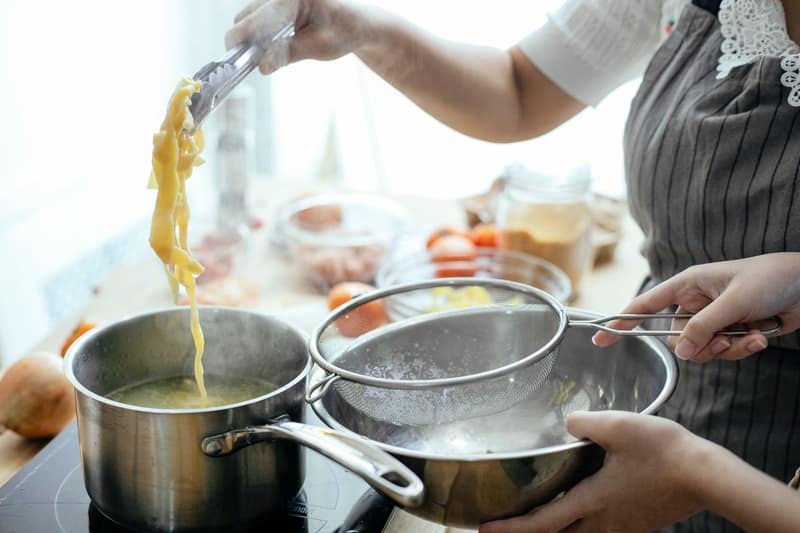
Strain the tea, return it to the pan with the milk (opens in a new tab) and salt, and heat until steaming.
- 2 min
- medium heat
- Sieve / strainer (opens in a new tab)
How it looks · Photo: Katerina Holmes on Pexels Step 3
Pour into a blender (opens in a new tab) with the butter (opens in a new tab), or use a stick blender in a tall jug, and blend for 30–60 seconds until fully emulsified, pale and frothy. Traditionally this is done in a wooden churn (chandong).
Food safety: Fill a blender no more than half full with hot liquid, vent the lid and cover it with a towel.
Step 4
Serve hot in small bowls, topping up guests' cups often.
How it looks · Photo: Willians Huerta on Pexels
About this dish
- Origin
- Tibet and the wider Tibetan Plateau, China · Well documentedTraditional to Tibetan communities; also drunk in Bhutan and highland Nepal. Ladakh's gur-gur cha is a closely related regional version.Also popular in Nepal, BhutanMore food from China
- Dish
- Breakfast · Snack · Hot drinks
- Cooking method
- Boiled, Blended
- Taste
- salty, buttery, rich, savoury
- Diet
- Vegetarian (lacto-ovo) · No gluten ingredients · No nut ingredients · Keto-style · Low-carbWorked out from the ingredients. How labels work
All labels
Vegetarian (lacto-ovo) · Eggetarian · Lacto-vegetarian · Pescatarian · Flexitarian-friendly · Whole-food focused · No gluten ingredients · Egg-free · No nut ingredients · No added sugar · Alcohol-free · Pork-free · Beef-free · Keto-style · Low-carb - Cook more with
- Black tea leaves · Butter · Milk
- Techniques
- Boiling · Wet grinding · Reduction · Emulsification
Allergens
- Contains: Milkfrom butter, milk
Based on typical versions of these ingredients and not verified allergen-free. Brands differ and cross-contact happens, so always check labels. For severe allergies, follow your clinician’s advice.
Nutrition
97 kcal per serving
Estimated1 serving ≈ 302 g · recipe makes 3
Where the energy comes from
- Protein 6%
- Carbohydrate 8%
- Fat 86%
| Nutrient | Per serving | Per 100 g* |
|---|---|---|
| Energy | 97 kcal | 32 kcal |
| Protein | 1.4 g | 0.5 g |
| Carbohydrate | 2 g | 0.7 g |
| Net carbohydrate | 2 g | 0.7 g |
| Sugars | 2.1 g | 0.7 g |
| Added sugars | 0 g | 0 g |
| Fibre | 0 g | 0 g |
| Fat | 9.5 g | 3.1 g |
| Saturated fat | 5.9 g | 2 g |
| Trans fat | — | — |
| Cholesterol | 26 mg | 8 mg |
| Sodium | 475 mg | 157 mg |
| Salt equivalent | 1.2 g | 0.4 g |
Vitamins & minerals per serving
- Potassium
- 57 mg
- Calcium
- 74 mg
- Iron
- 0 mg
- Magnesium
- 9 mg
- Vitamin A (RAE)
- 87 µg
- Vitamin C
- 0 mg
- Vitamin D
- 0.5 µg
- Vitamin B12
- 0.2 µg
- Folate (DFE)
- 2 µg
How these numbers were made
- Calculated from USDA FoodData Central (SR Legacy) per-100 g values and the listed quantities.
- *Per 100 g of combined raw ingredients; the cooked dish may weigh more or less.
- Not counted (tiny amounts or “to taste”): black tea leaves.
- “—” means the value isn’t known for enough of the ingredients; it is never zero by default.
- Values are estimates for guidance, not for medical dosing. U.S. Department of Agriculture, Agricultural Research Service. FoodData Central, 2019. fdc.nal.usda.gov.
Good to know
Tips
- The churning matters: unblended, the butter just floats as an oily layer.
Common mistakes
- Letting the tea go cold before churning — the butter will not emulsify and floats in a greasy layer.
Serve with
- With tsampa (roasted barley flour), which is often mixed into the tea to make a dough.
Food safety
- Very hot drinks (above about 65 °C) are classed by the WHO's cancer agency as probably carcinogenic to the oesophagus; let them cool a little before sipping.
Storage
- Drink fresh; the strong tea concentrate (before butter and milk) keeps 2–3 days in the fridge.
Variations
- Suja (Bhutan): The Bhutanese version, often made with more milk.
Original editorial recipe · FriendsPantry editorial · Not yet independently reviewed · Added · Updated
Recipe DNA
How this dish is built
Less sweet, dairy-free, caffeine-free or for more people — the original stays as it is.
Customise in Sip & BlendReviews & corrections
Reviews come from signed-in cooks and appear after a moderator checks them. We never show made-up ratings.
You might also like
British tea with milk
 British · 6 min · 19 kcal · Vegetarian
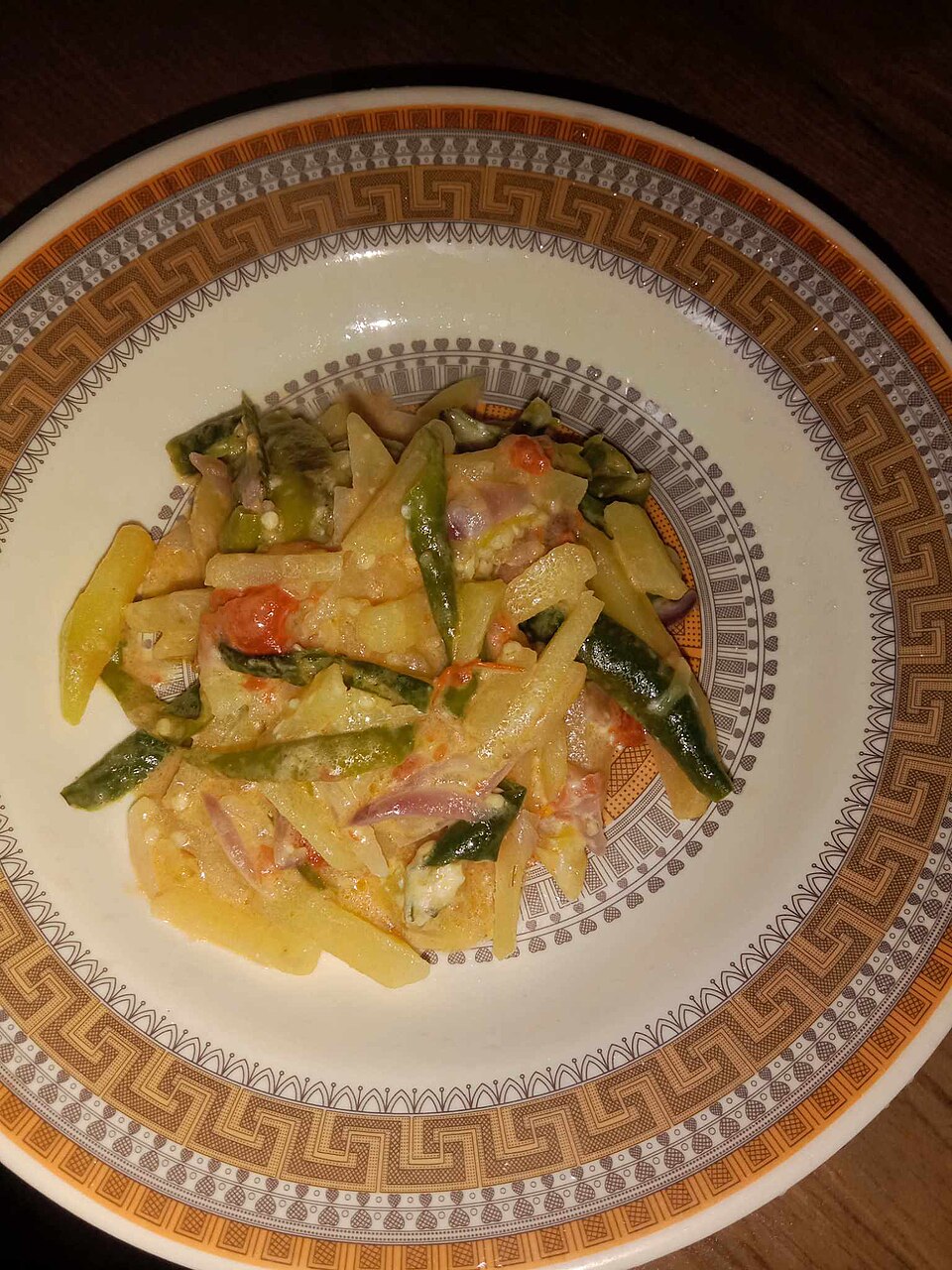
Kewa datshi
 Bhutanese · 35 min · 180 kcal · Vegetarian
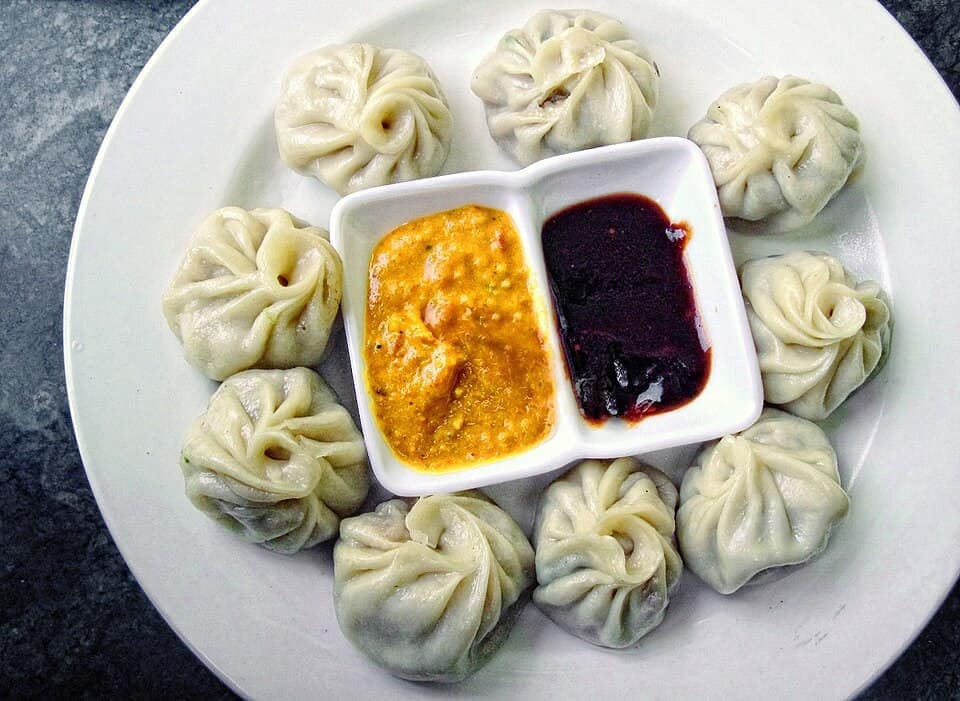
Chicken momo
 Nepalese · 2 h · 518 kcal
Dal bhat tarkari
Nepalese · 55 min · 631 kcal · Vegetarian