
Preservation · intermediate
Pickling
Also: achaar making
Preserving food in acid (vinegar or lactic), salt, oil or a combination, often with spices.
What it is
Pickling covers quick vinegar pickles (pickled onions, cucumber), lacto-fermented brine pickles, and the oil-and-spice achaars of South Asia (mango, lime, chilli), which rely on salt, sun, mustard oil or sesame oil and spices such as mustard, fenugreek and asafoetida.
Why cooks use it: Acid and salt stop most spoilage organisms, so seasonal produce keeps for months, and pickles add sourness, heat and crunch to meals.
The science
Most harmful bacteria cannot grow below about pH 4.6; vinegar pickles reach this directly, lacto-fermented pickles reach it as bacteria produce lactic acid. Salt draws water out of the produce by osmosis, firming it and lowering the water available to microbes. In achaar, a layer of oil limits air contact at the surface.
Acids and bases in cookingSalt and osmosisCapsaicin and pungencyLactic acid fermentationThe science of picklingThe science of drying
Step by step
Wash and dry jars thoroughly; for long-keeping pickles, sterilise them.
Dry the produce completely; for achaar, any water encourages mould.
Quick pickle: heat a brine of vinegar (at least 5% acidity) and water (often 1:1) with salt and sugar, pour over the vegetables and refrigerate.
Achaar: toss cut fruit with salt and turmeric and rest (often a day, sometimes in the sun), then mix with the spice blend and heated, cooled oil.
Keep the produce covered by brine or oil.
Store as the recipe says: quick pickles in the fridge; traditional achaar mature at room temperature, stirred with a dry spoon.
Heat and timing
Time: Quick pickles: ready in hours to a day; achaar: several days to weeks to mature.
How you know it’s right
- Vegetables submerged
- Oil layer on top of achaar
- Colour turning from bright to softer as it matures
Common mistakes
- Wet jars or spoons
- Too little salt or acid
- Using vinegar below 5% acidity for shelf-stable pickles
- Produce exposed above the brine or oil
Troubleshooting
- White film on brine pickles
- Often harmless kahm yeast; skim it off. Discard if there is fuzzy coloured mould or a bad smell.
- Mushy pickles
- Use firmer, fresher produce and enough salt; trim the blossom end of cucumbers.
Restaurant DNA
How professionals do it
Restaurants make quick pickles in batches to add acidity and crunch to plates, and keep them chilled; acidity is often checked with pH strips or meters.
At home
Quick fridge pickles are the safest start; for achaar, follow a trusted family or tested recipe and keep everything dry.
General professional practice — not any particular restaurant’s recipe.
Food safety
- For shelf-stable canned pickles, follow tested recipes for acidity and processing times.
- Discard pickles with fuzzy mould, a sliminess or a bulging lid.
- Use a clean, dry spoon every time.
Practise it
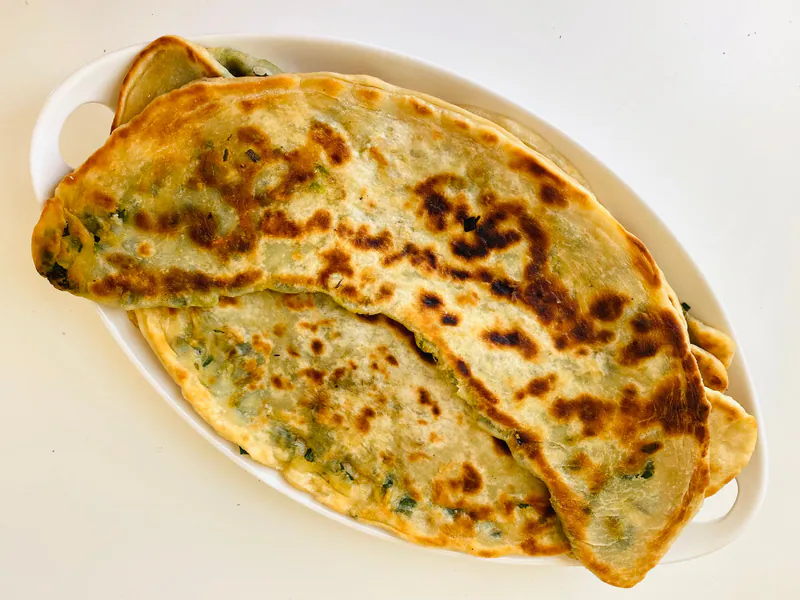
Aloo paratha
 Punjabi · 1 h 15 min · 430 kcal · Vegetarian
Amba (Iraqi mango pickle sauce)
 Iraqi · 72 h 45 min · 39 kcal · Vegan
Avakaya (Andhra mango pickle)
South Indian · 73 h · 49 kcal · Vegan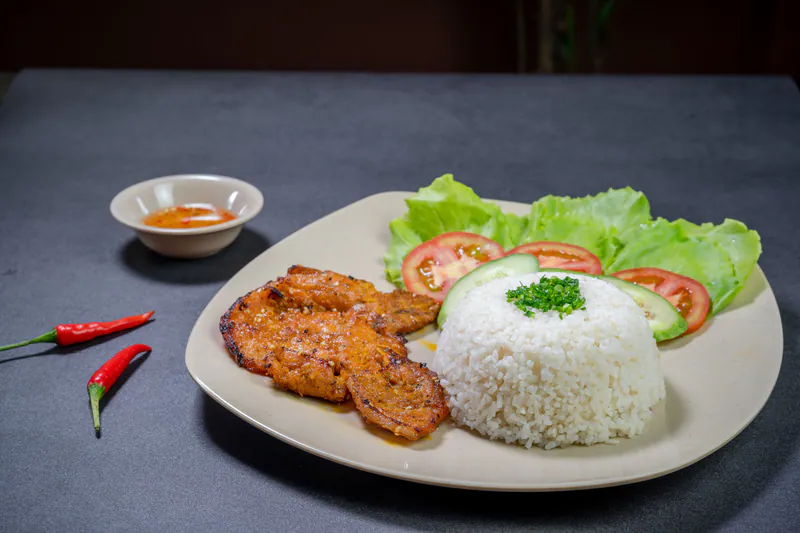
Bai sach chrouk
 Cambodian · 1 h 50 min · 724 kcal
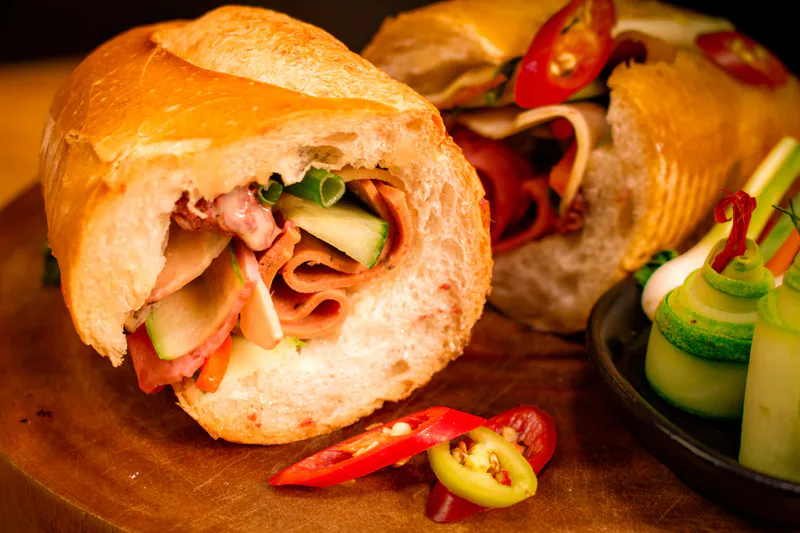
Bánh mì thịt nướng
 Vietnamese · 1 h 40 min · 656 kcal
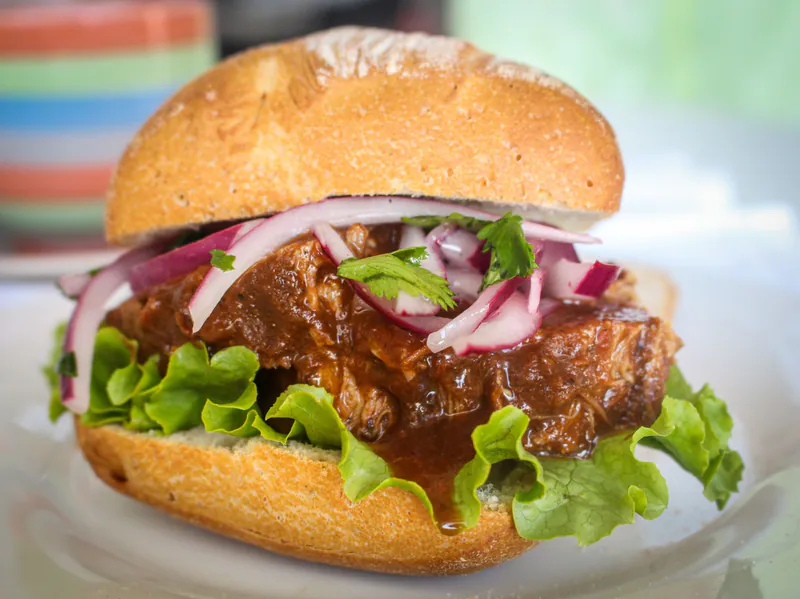
BBQ pulled pork
 Southern US · 6 h 5 min · 680 kcal
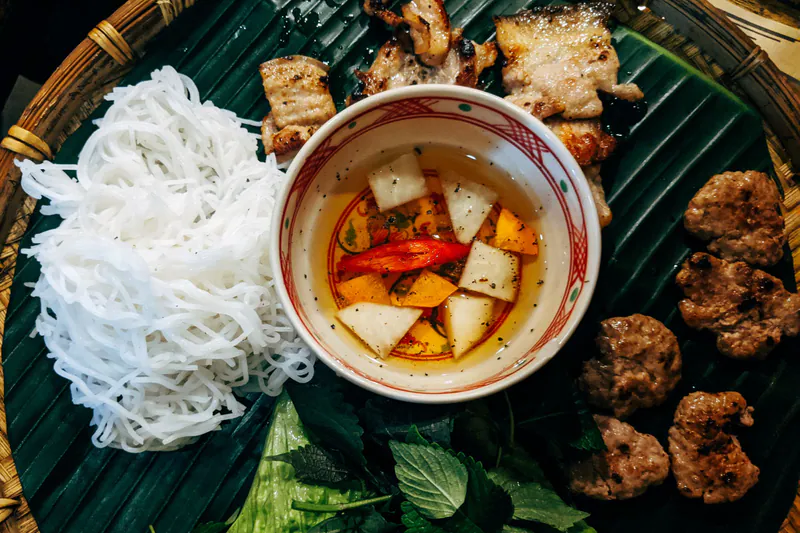
Bún chả
Vietnamese · 1 h 50 min · 922 kcalCaribbean Scotch bonnet pepper sauce
Caribbean · 30 min · 5 kcal · Vegan
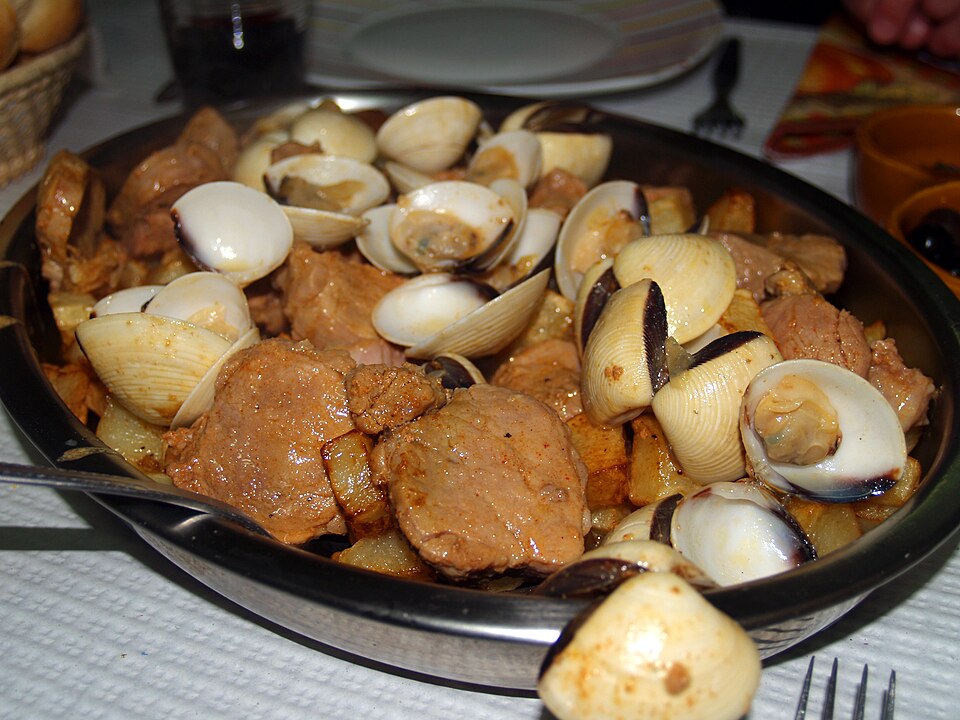
Carne de porco à alentejana
 Portuguese · 1 h 5 min · 798 kcal
28 more
- Chicken shawarma · Levantine
- Classic beef burger · American
- Classic Tuna Salad · International
- Cochinita pibil · Mexican
- Cuban sandwich · Cuban
- Dalle khursani achar (Sikkimese round chilli pickle) · Indian
- Encebollado · Ecuadorian
- Fish-fragrant aubergine · Sichuan
- Frikadeller · Danish
- Gobi paratha · Punjabi
- Homemade brown sauce · British
- Khao soi gai · Thai
- Kimbap · Korean
- Mici · Romanian
- Nam jim kai (Thai sweet chilli sauce) · Thai
- Olivier salad · Russian
- Piccalilli · British
- Pyttipanna · Swedish
- Rosolje · Estonian
- Sabich · Israeli
- Salt-cured lime pickle (nimbu ka achaar) · Indian
- Sertéspörkölt · Hungarian
- Smažený sýr · Czech
- Solyanka · Russian
- Swedish meatballs · Swedish
- Thousand Island dressing · American
- Tkemali · Georgian
- Vinegret · Russian