
Cookware & bakeware · Pot
Stockpot / large pot
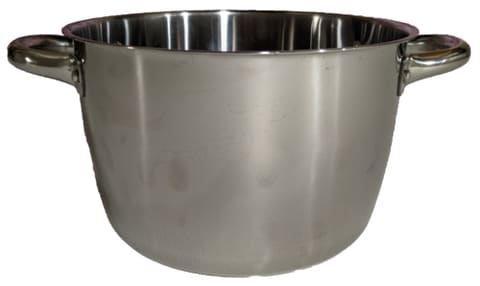
A large, tall pot with two side handles and a lid, for stocks, soups, pasta and big batches.
Useful to have · Used on the stovetop · 270 recipes
Photo: Lightsnap, via Wikimedia Commons (CC-BY-SA-4.0)
What it is
A deep, wide pot, usually 6 litres or more, taller than it is wide, with two loop handles and a lid. Its height limits evaporation during long simmers. It differs from a saucepan by size and handles, and from a Dutch oven by being thinner-walled and lighter.
What it’s for: Cooking large volumes of liquid: stocks, soups, boiling pasta or potatoes, and blanching in quantity.
How to use it
- Place it on the largest burner so the base heats evenly.
- Add ingredients and cold water for stock, or bring water to the boil first for pasta.
- Keep stock at a bare simmer and skim foam from the surface.
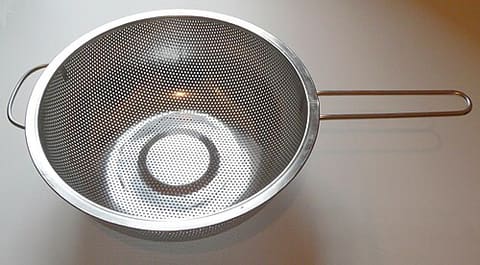
- Use a ladle to portion, or strain through a colander set over another container.
Good to know
- Tasks
- making stock and broth, boiling pasta, cooking soups for a crowd, boiling corn or potatoes, blanching large batches, canning water baths
- Cooking methods
- Boiled, Simmered, Blanched, Poached, Stewed
- Materials
- stainless steel, aluminium, enamelled steel
- Care and cleaning
- Wash by hand if it does not fit the dishwasher. Choose a model with a thick base to avoid scorching thick soups.
- Limitations
- Bulky to store; thin bases scorch thick foods; overkill for small portions.
Safety
- A full stockpot is very heavy; use both handles and oven gloves.
- Ladle out some liquid before lifting, or drain over the sink rather than carrying it across the kitchen.
If you don’t have one
- Dutch oven / casserole pot — Good for smaller batches of soup or stock.
- Pressure cooker — Makes stock much faster, in smaller quantities.
Equipment guide
How it works: A tall, narrow shape keeps a large volume of liquid deep, which limits evaporation over long simmering and lets solids stay submerged. Heat enters through the base and is spread through the liquid by convection; because water cannot rise much above 100 °C at sea level, the contents cook gently and evenly once the pot is up to temperature.
| Material | Good | Watch out |
|---|---|---|
| Stainless steel with a thick base | Non-reactive, durable, fine for long acidic or bone-based simmering. | Thin-walled versions scorch where heat concentrates; heavy when full. |
| Aluminium | Light and heats quickly; common in professional kitchens for big volumes. | Reacts with acidic foods; dents easily. |
| Enamelled steel | Light, inexpensive, non-reactive and easy to clean. | Thin, so hot spots and scorching are common; enamel chips and exposed steel rusts. |
- Tall stockpot
- Minimises evaporation for stocks.
- Wide pasta or boiling pot
- Often with a strainer insert for pasta, corn or crab.
- Pot with steamer and pasta inserts
- Multi-use for small kitchens.
Buying guidance
Starting out: An 8-litre pot with a heavy base covers pasta, stock and big batches of soup.
Keen cook: A 10–12 litre pot for bone stocks and batch cooking.
Professional: Heavy-gauge pots of 20 litres or more, sometimes with a tap at the base.
- Capacity: 6–12 litres for home use
- Encapsulated base at least 5 mm thick
- Two sturdy riveted handles
- Fits your largest burner and your sink
No brands or prices — check current reviews before buying.
Techniques:BoilingSimmeringBlanchingStewingSlow-cooked gravyStock makingClarificationSous videBatch cooking
Related tools

Recipes that use it
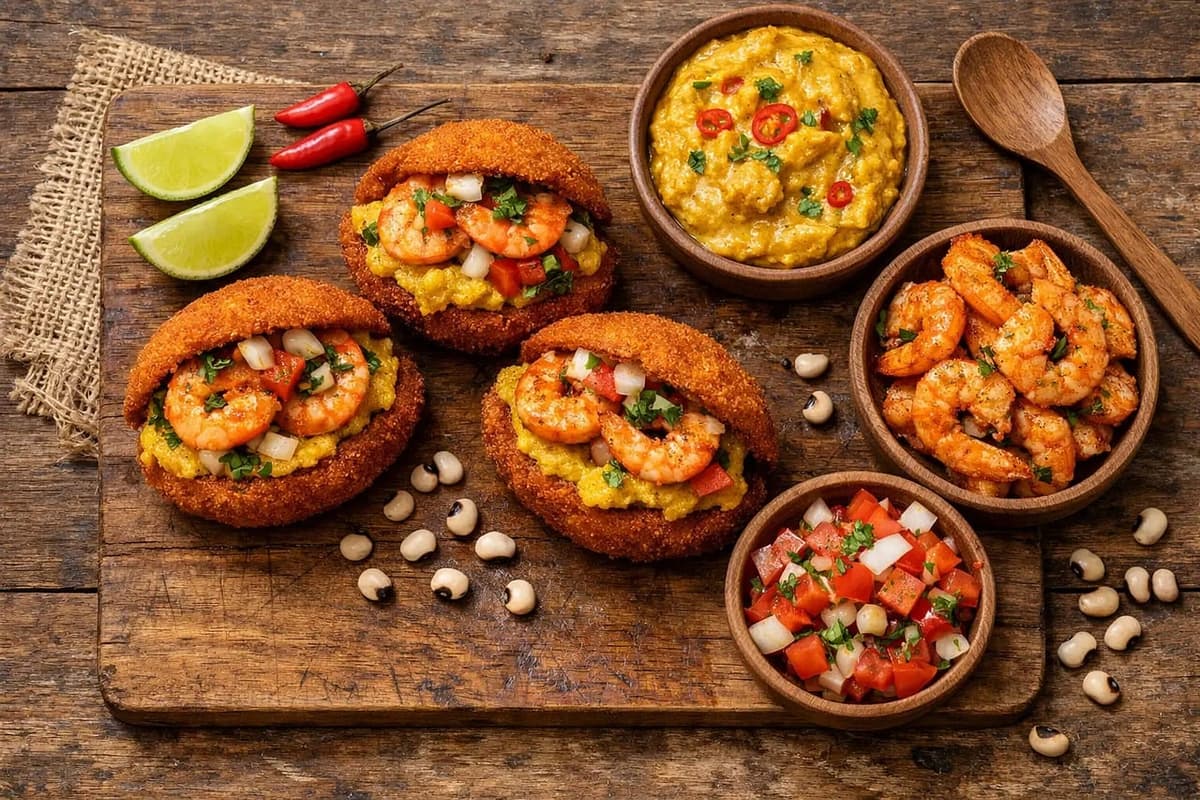
Acarajé
 Brazilian · 1 h 20 min · 534 kcal
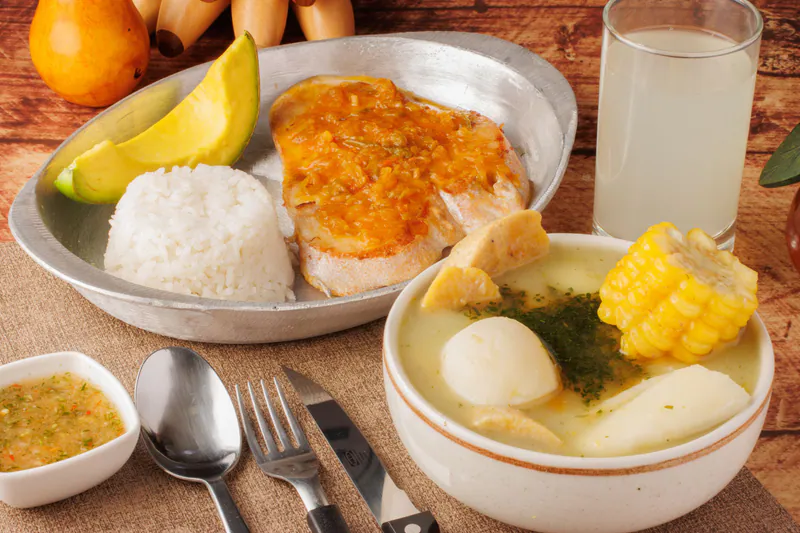
Ajiaco santafereño
 Colombian · 1 h 40 min · 345 kcal
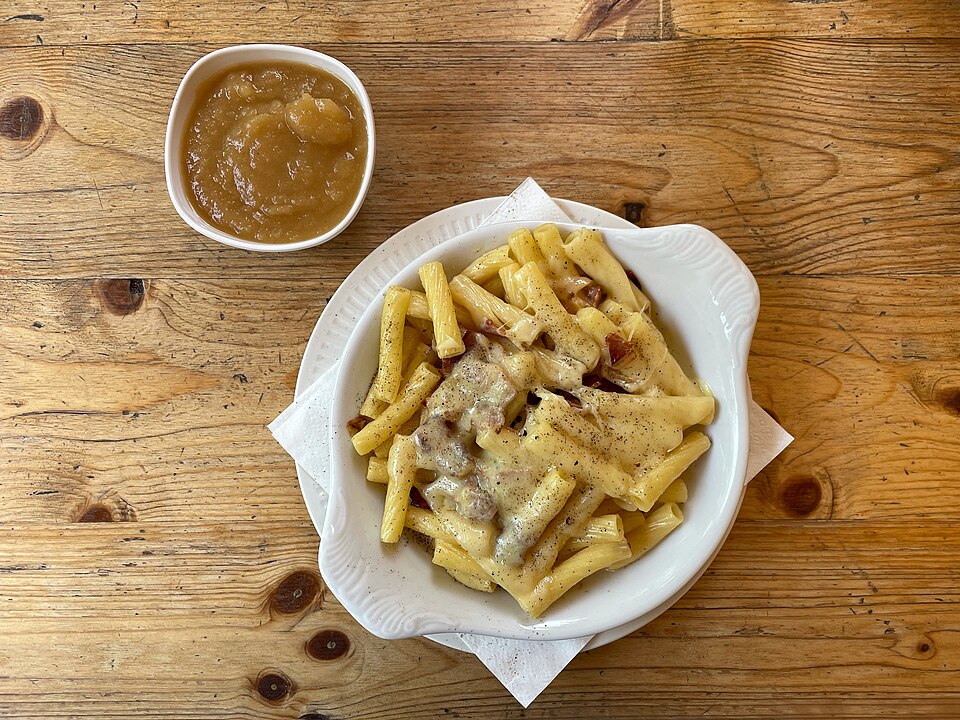
Älplermagronen
 Swiss · 50 min · 752 kcal
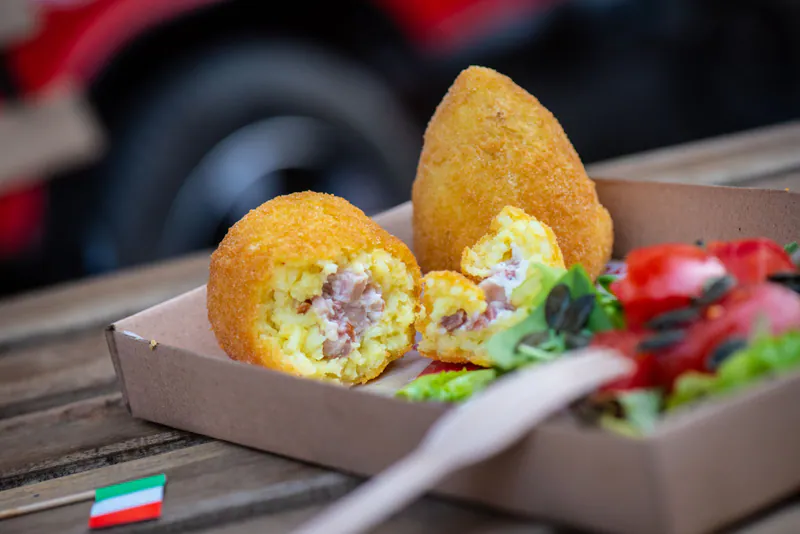
Arancini
 Italian · 3 h 20 min · 285 kcal · Contains egg
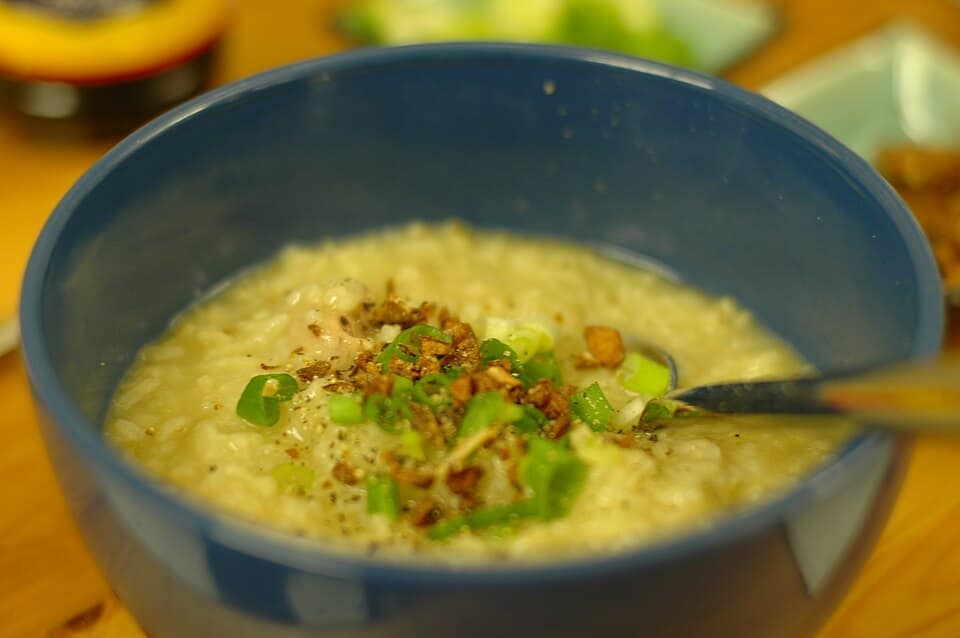
Arroz caldo
 Filipino · 1 h 10 min · 674 kcal
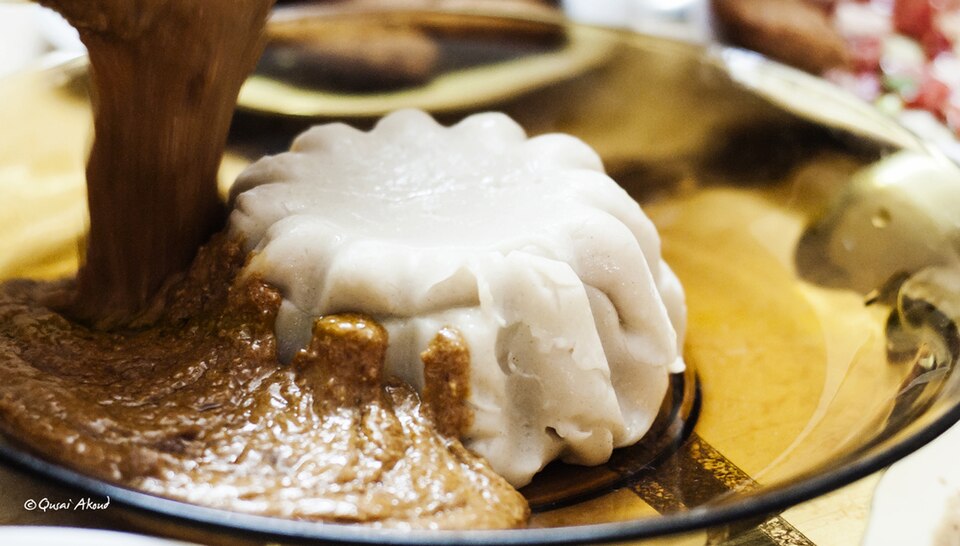
Aseeda with mullah
 Sudanese · 1 h 30 min · 504 kcal
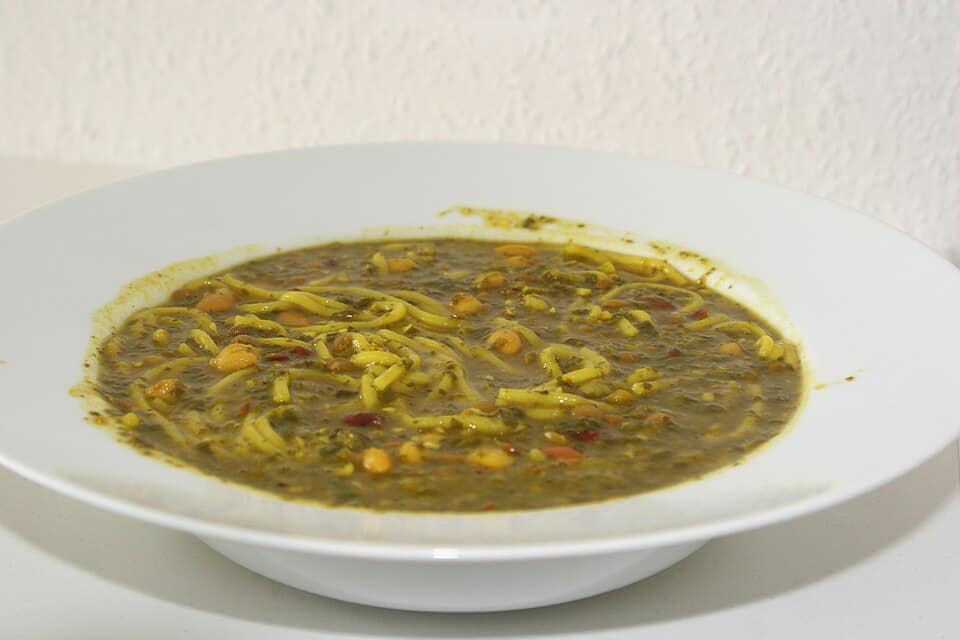
Ash reshteh
 Iranian · 1 h 45 min · 374 kcal · Vegetarian
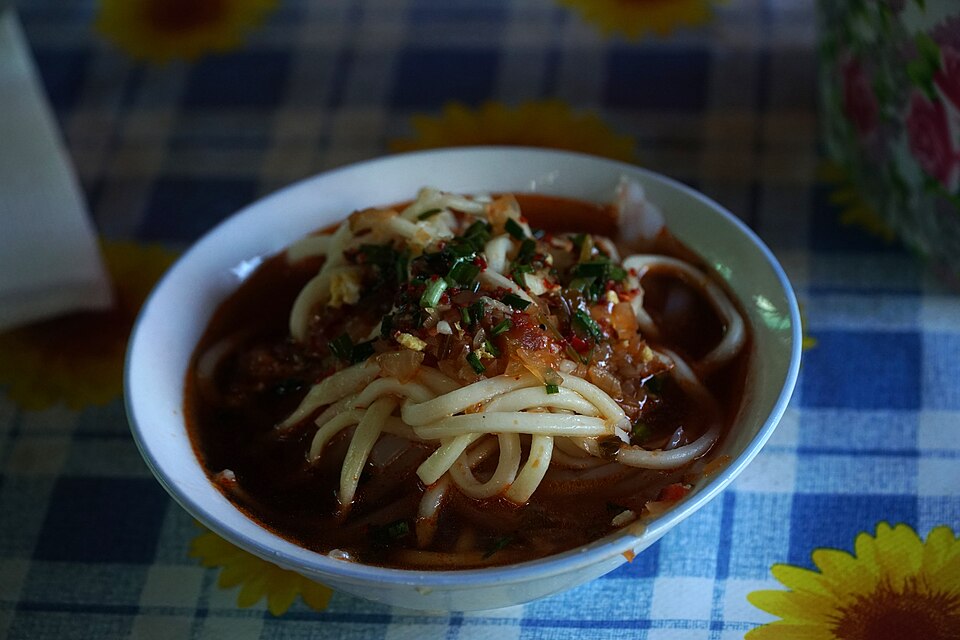
Ashlyam-fu
 Kyrgyz · 2 h 50 min · 578 kcal · Contains egg
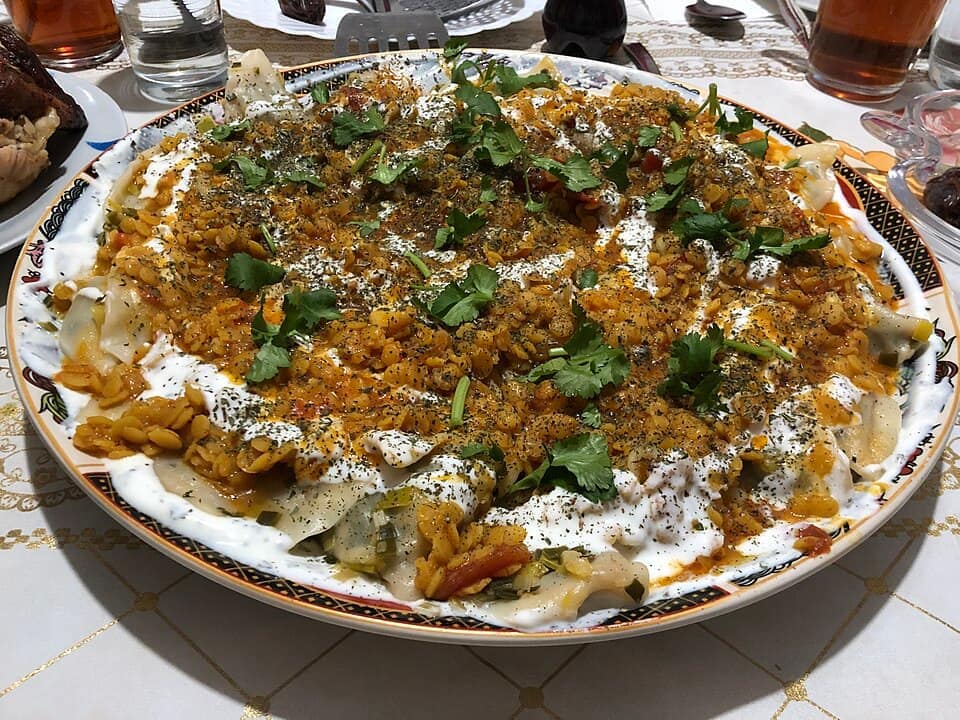
Aushak
 Afghan · 1 h 20 min · 556 kcal
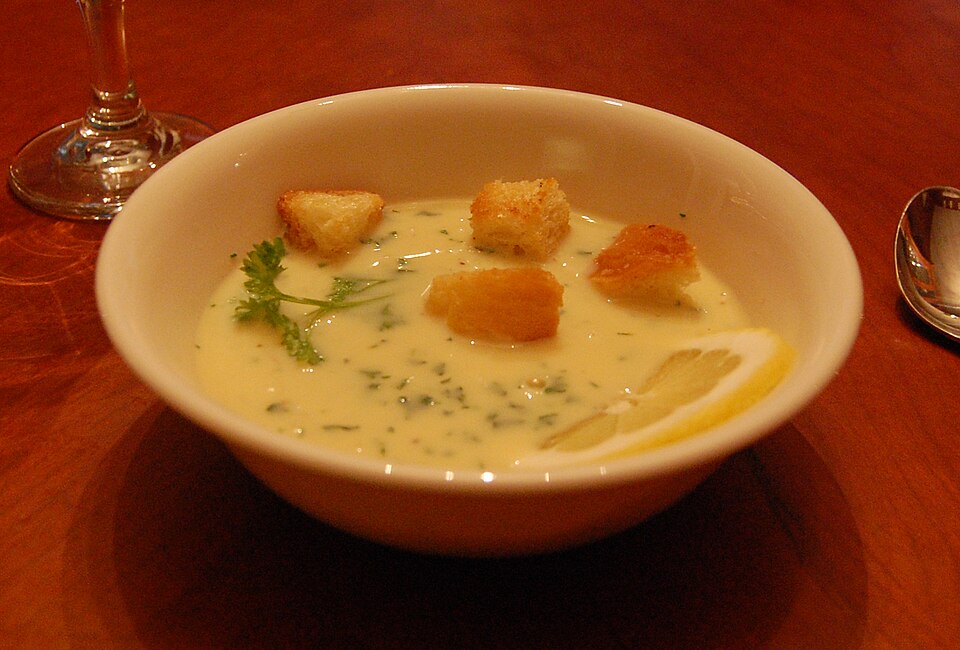
Avgolemono soup
 Greek · 45 min · 367 kcal
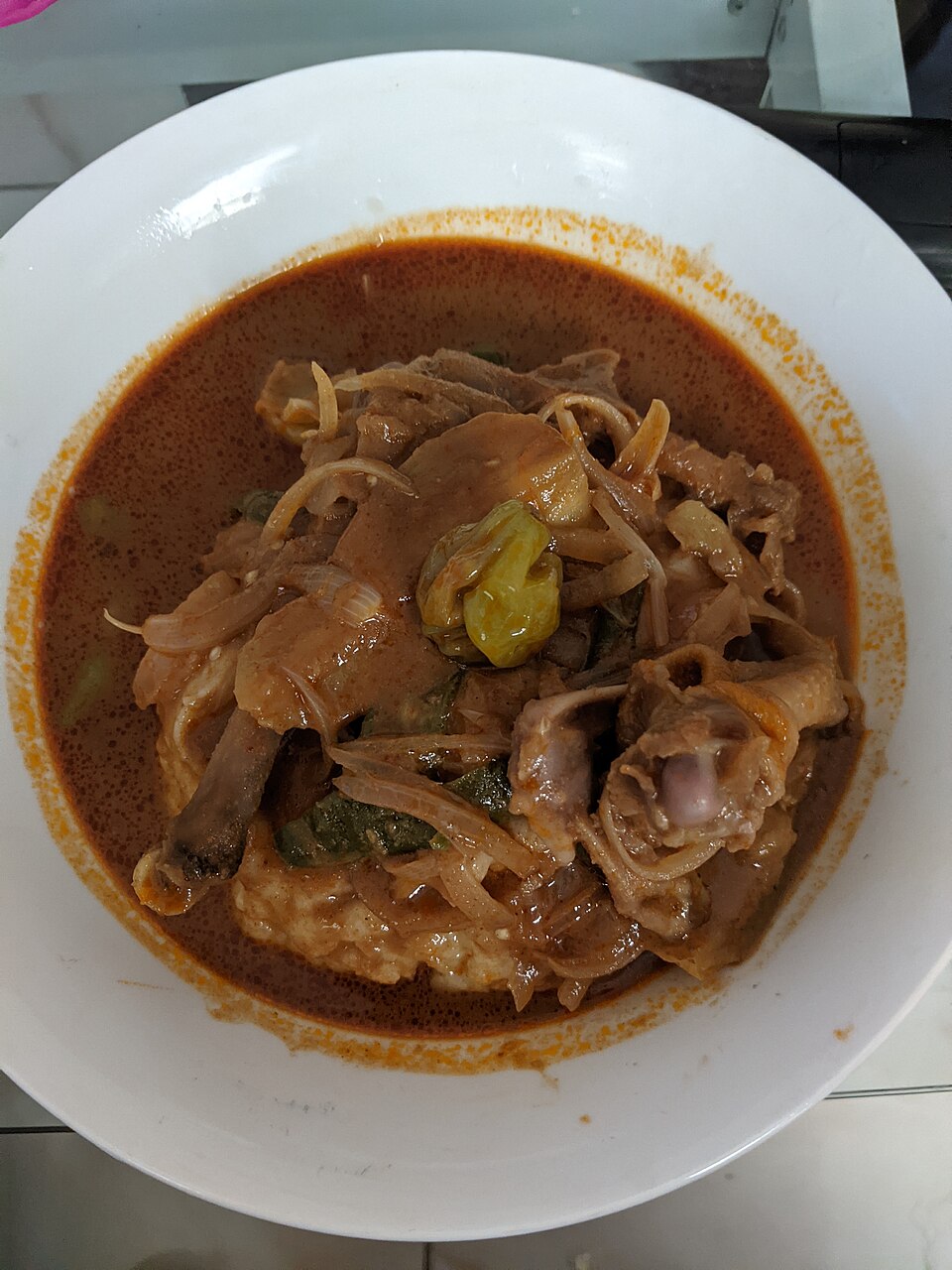
Azi dessi with fufu
 Togolese · 1 h 30 min · 749 kcal
Bacalhau à brás
 Portuguese · 55 min · 581 kcal
258 more
- Bai · Indian
- Bajan macaroni pie · Bajan
- Bak kut teh (peppery Teochew style) · Singaporean
- Baked ziti · American
- Bakso · Indonesian
- Barszcz czerwony · Polish
- Batar daan · Timorese
- Begova čorba (Bey's soup) · Bosnian
- Bergen fish soup · Norwegian
- Beshbarmak · Kazakh
- Bibim guksu · Korean
- Boerenkool stamppot · Dutch
- Boko boko · Burundian
- Boule with okra sauce · Chadian
- Bouneschlupp · Luxembourgish
- Bryndzové halušky · Slovak
- Bucatini all'amatriciana · Italian
- Bulalo · Filipino
- Bún bò Huế · Vietnamese
- Cacio e pepe · Italian
- Caldo de res · Mexican
- Caldo verde · Portuguese
- Canh chua cá · Vietnamese
- Canja (Cabo Verdean chicken and rice soup) · Cape Verdean
- Canja de galinha · Portuguese
- Caribbean sorrel drink · Caribbean
- Carimañolas · Panamanian
- Cazuela de vacuno · Chilean
- Cepelinai · Lithuanian
- Chelow with tahdig · Iranian
- Chicha morada · Peruvian
- Chicken and ginger congee (jook) · Cantonese
- Chicken biryani · Indian
- Chicken Noodle Soup · International
- Chicken thukpa · Nepalese
- Chicken tinola · Filipino
- Chicken yakhni pulao · Pakistani
- Chikhirtma · Georgian
- Chorba frik · Algerian
- Chuchvara · Uzbek
- Churros con chocolate · Spanish
- Ciorbă de perișoare · Romanian
- Cock-a-leekie · British
- Colțunași cu brânză · Moldovan
- Couscous with seven vegetables · Moroccan
- Coxinha · Brazilian
- Crossing-the-bridge rice noodles · Chinese
- Cuban black beans · Cuban
- Curry laksa · Malaysian
- Da pan ji (Xinjiang big plate chicken) · Chinese
- Dal pitha (Bihari rice dumplings) · Indian
- Dan dan noodles · Sichuan
- Dhakai kacchi biryani · Bangladeshi
- Dograma · Turkmen
- Düğün çorbası · Turkish
- Dushbara · Azerbaijani
- Egusi soup · Nigerian
- Encebollado · Ecuadorian
- Erwtensoep · Dutch
- Escondidinho de carne moída · Brazilian
- Espagnole sauce · French
- Everyday Vegetable Soup · International
- Ezogelin çorbası · Turkish
- Fah-fah · Djiboutian
- Fasolada · Greek
- Fettuccine al burro (the original fettuccine Alfredo) · Italian
- Fresh egg pasta (pasta all'uovo) · Italian
- Frijoles de olla · Mexican
- Fruit kompot · Ukrainian
- Fufu (cassava and plantain) · Ghanaian
- Gabonese fish bouillon · Gabonese
- Galbi-jjim · Korean
- Garudhiya · Maldivian
- Gnocchi alla sorrentina · Italian
- Gnudi (Tuscan spinach and ricotta dumplings) · Italian
- Gołąbki · Polish
- Groundnut soup (nkatenkwan) · Ghanaian
- Gulyásleves (Hungarian goulash soup) · Hungarian
- Gya thuk · Indian
- Hainanese chicken rice · Singaporean
- Haleem · Pakistani
- Hallacas · Venezuelan
- Harira · Moroccan
- Hearty Lentil and Vegetable Soup · International
- Hokkien prawn mee · Singaporean
- Homemade dulce de leche · Argentine
- Houskové knedlíky · Czech
- Hudut · Belizean
- Hutspot · Dutch
- Isombe · Rwandan
- Italian wedding soup · Italian
- Japchae · Korean
- Jjajangmyeon (Korean black bean noodles) · Korean
- Jota (sauerkraut and bean stew) · Slovenian
- Judd mat Gaardebounen · Luxembourgish
- Kabuli pulao · Afghan
- Kadhi pakora · Punjabi
- Kak'ik · Guatemalan
- Kalduny · Belarusian
- Kapustnica · Slovak
- Kartoffelsuppe · German
- Käsespätzle · German
- Khao piak sen · Lao
- Khinkali · Georgian
- Kitsune udon · Japanese
- Kjötsúpa · Icelandic
- Klepe (Bosnian meat dumplings) · Bosnian
- Koki · Cameroonian
- Kopytka · Polish
- Korean fried chicken (yangnyeom) · Korean
- Koshari · Egyptian
- Kosksi bil hout · Tunisian
- Krupnik · Polish
- Kūmara soup · New Zealand
- Kuurma lagman · Kyrgyz
- Kuy teav · Cambodian
- Lablabi · Tunisian
- Ladakhi thukpa · Indian
- Lagman · Uzbek
- Lángos · Hungarian
- Leek and potato soup · British
- Liberian pepper soup · Liberian
- Light soup · Ghanaian
- Linsensuppe · German
- Locro · Argentine
- Locro de papa · Ecuadorian
- Lohikeitto · Finnish
- Loukoumades · Greek
- Luwombo · Ugandan
- Macaroni and cheese · American
- Malloreddus alla campidanese · Italian
- Manhattan clam chowder · American
- Mansaf · Jordanian
- Mantı · Turkish
- Maqluba · Palestinian
- Matoke with groundnut sauce · Ugandan
- Matzo ball soup · American
- Mercimek çorbası · Turkish
- Minestrone · Italian
- Mohinga · Burmese
- Moi moi · Nigerian
- Moules marinières · French
- Moules-frites · Belgian
- Murgh shorba · Indian
- Mutton yakhni shorba · Indian
- Nacatamal · Nicaraguan
- Ndolé · Cameroonian
- New York-style bagels · American
- Nigerian goat meat pepper soup · Nigerian
- Olla de carne · Costa Rican
- Orecchiette alle cime di rapa · Italian
- Pabellón criollo · Venezuelan
- Papa rellena · Peruvian
- Pappardelle ai funghi (pappardelle with mushrooms) · Italian
- Pasta alla genovese (Neapolitan onion and beef ragù) · Italian
- Pasta alla gricia · Italian
- Pasta alla Norma · Italian
- Pasta alla puttanesca · Italian
- Pasta con le sarde · Italian
- Pasta e fagioli · Italian
- Pastel de feira · Brazilian
- Pastitsio · Greek
- Patatas bravas · Spanish
- Pelmeni · Russian
- Penang assam laksa · Malaysian
- Penne all'arrabbiata · Italian
- Penne alla vodka · Italian
- Pesto Pasta with Peas · International
- Phở bò (beef pho) · Vietnamese
- Phở gà · Vietnamese
- Pici all'aglione · Italian
- Pierogi ruskie · Polish
- Piti · Azerbaijani
- Pondu · Congolese
- Pork and cabbage jiaozi · Chinese
- Pork sisig · Filipino
- Porotos granados · Chilean
- Potato gnocchi with tomato sauce · Italian
- Pozole rojo · Mexican
- Prebranac (baked beans with onions) · Serbian
- Priganice (fried dough puffs) · Montenegrin
- Psarosoupa · Greek
- Pulpo a la gallega · Spanish
- Qidreh · Palestinian
- Québec yellow pea soup · Canadian
- Raclette · Swiss
- Ragù alla bolognese with tagliatelle · Italian
- Rasgulla · Bengali
- Rechta · Algerian
- Ribollita · Italian
- Ricotta and spinach ravioli with butter and sage · Italian
- Ricotta gnocchi with butter and sage · Italian
- Rosół · Polish
- Samgyetang · Korean
- Sancocho · Caribbean
- Sancocho de siete carnes · Dominican
- Sancocho panameño · Panamanian
- Sarma (sour cabbage rolls) · Serbian
- Sarmale · Romanian
- Satsivi · Georgian
- Scotch broth · British
- Seolleongtang · Korean
- Shah plov · Azerbaijani
- Shakriyeh · Syrian
- Shchi · Russian
- Shorba libiya · Libyan
- Shorwa · Afghan
- Shoyu ramen (home-style) · Japanese
- Shurpa · Uzbek
- Sikhye (Korean sweet rice drink) · Korean
- Sindhi biryani · Pakistani
- Sinigang na hipon · Filipino
- Skyu · Indian
- Sop buntut · Indonesian
- Sopa de ajo · Spanish
- Sopa de caracol · Honduran
- Sopa de lima · Mexican
- Sopa de maní · Bolivian
- Sopaipillas · Chilean
- Soto ayam · Indonesian
- Soup joumou · Haitian
- Soupe au pistou · French
- Spaghetti aglio, olio e peperoncino · Italian
- Spaghetti al limone · Italian
- Spaghetti al pomodoro · Italian
- Spaghetti alla Nerano · Italian
- Spaghetti alle vongole · Italian
- Spaghetti carbonara · Italian
- Split pea soup with ham · American
- Stoemp · Belgian
- Tafelspitz · Austrian
- Taralli pugliesi · Italian
- Tashreeb · Iraqi
- Tavče gravče · Macedonian
- Thenthuk · Indian
- Thiéboudienne · Senegalese
- Töltött káposzta · Hungarian
- Tom saep · Thai
- Tonjiru (pork and vegetable miso soup) · Japanese
- Tortellini in brodo · Italian
- Trofie al pesto with potatoes and green beans · Italian
- Tteokguk (rice cake soup) · Korean
- Ukha · Russian
- Ukrainian borscht · Ukrainian
- Varenyky with sour cherries · Ukrainian
- Vigorón · Nicaraguan
- Vitello tonnato · Italian
- Vori vori · Paraguayan
- White cut chicken with ginger-scallion sauce · Cantonese
- Winter melon soup with pork ribs · Cantonese
- Wonton soup · Cantonese
- Yuca frita con chicharrón · Salvadoran
- Zaru soba · Japanese
- Zeamă · Moldovan
- Zereshk polo ba morgh · Iranian
- Zhajiangmian (Beijing fried sauce noodles) · Chinese
- Zobo (Nigerian hibiscus drink) · Nigerian
- Żurek · Polish