
Purin
Contains egg (no meat or fish)
プリン · purin
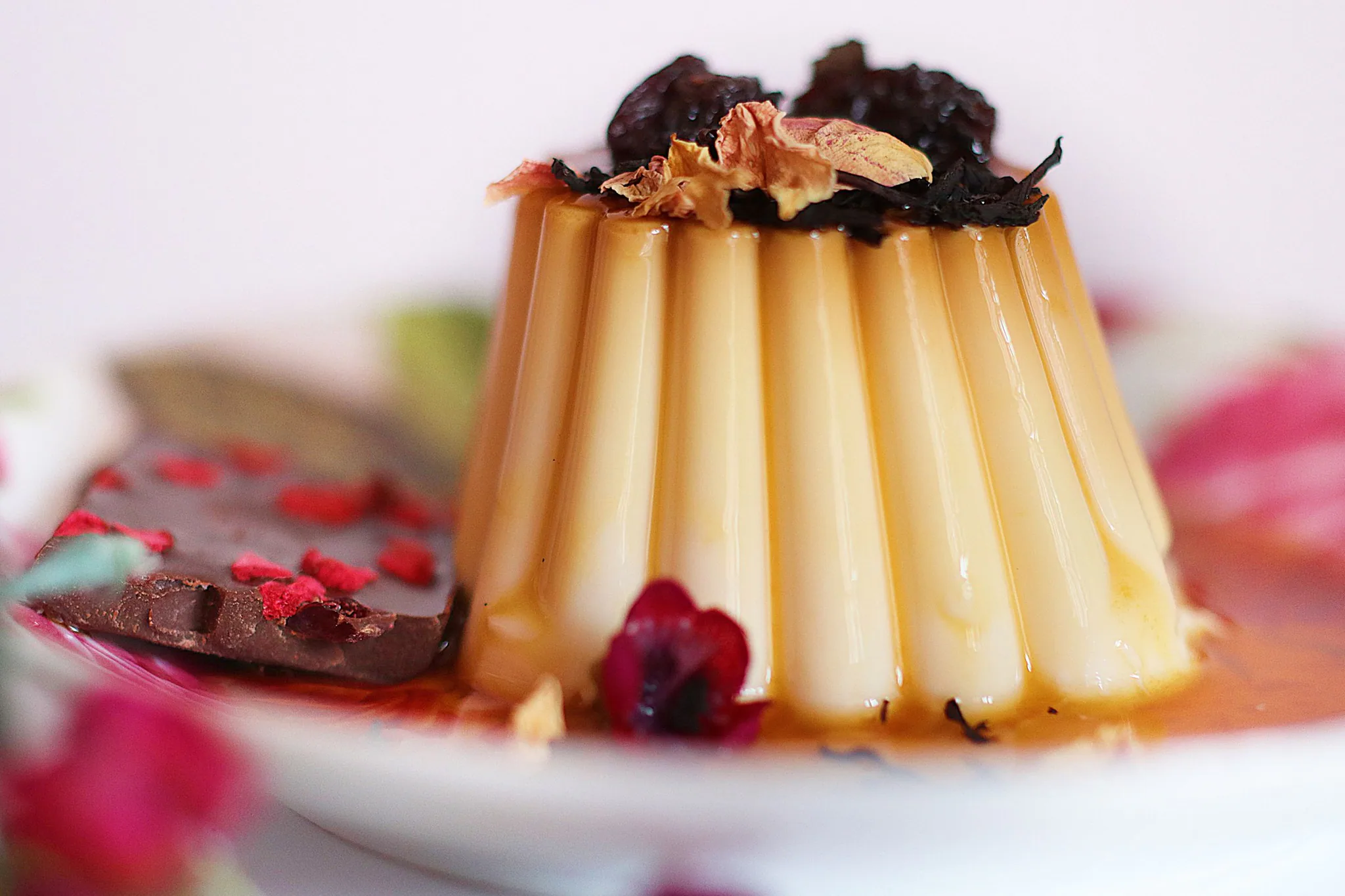
Firm, silky individual custards baked in a water bath over a layer of bittersweet caramel, chilled and turned out onto plates.
Purin is a Japanese dessert, ready in about 3 hours 50 minutes and made with sugar, egg and milk. It serves 4 and is rated intermediate to cook.
- Prep
- 15 min
- Cook
- 35 min
- Rest
- 3 h
- Total
- 3 h 50 min
- Serves
- 4
- Level
- Intermediate
- Calories
- 199
Method
Step 1
Heat 60 g sugar (opens in a new tab) with 2 tbsp water in a small saucepan (opens in a new tab), swirling, until it turns a deep amber. Off the heat, add 1 tbsp hot water (it will splutter), swirl and pour into four greased ramekins.
- 6 min
- medium heat
- Saucepan (opens in a new tab)
Food safety: Caramel is extremely hot and spits when water is added; stand back and protect your hands.
Step 2
Warm the milk (opens in a new tab) with the remaining 40 g sugar (opens in a new tab) until the sugar dissolves (don't boil). Whisk (opens in a new tab) the eggs (opens in a new tab) gently, pour in the warm milk and vanilla (opens in a new tab), then strain into the ramekins.
Step 3
Set the ramekins in a baking dish (opens in a new tab), pour in hot water to come halfway up their sides, cover loosely with foil and bake until just set with a slight wobble.
Step 4
Cool, then chill for at least 3 hours. Run a knife round the edge and turn out onto plates so the caramel runs down the sides.
About this dish
- Origin
- Not attributed to one place · Commonly attributedDescended from European crème caramel; purin is the Japanese form and a convenience-store and café staple.Also popular in Japan
- Dish
- Dessert · Snack · Desserts
- Cooking method
- Oven-baked
- Taste
- sweet, creamy, bitter
- Diet
- Vegetarian (lacto-ovo) · No gluten ingredients · No nut ingredientsWorked out from the ingredients. How labels work
All labels
Vegetarian (lacto-ovo) · Eggetarian · Pescatarian · Flexitarian-friendly · No gluten ingredients · No nut ingredients · Pork-free · Beef-free · Low-sodium - Good for
- Make-ahead · Child-friendly
- Cook more with
- Sugar · Egg · Milk · Vanilla extract
- Techniques
- Baking
Allergens
- Contains: Milkfrom milk, butter
- Contains: Eggsfrom egg
Based on typical versions of these ingredients and not verified allergen-free. Brands differ and cross-contact happens, so always check labels. For severe allergies, follow your clinician’s advice.
Nutrition
199 kcal per serving
Calculated1 serving ≈ 151 g · recipe makes 4
Where the energy comes from
- Protein 14%
- Carbohydrate 58%
- Fat 28%
| Nutrient | Per serving | Per 100 g* |
|---|---|---|
| Energy | 199 kcal | 131 kcal |
| Protein | 7.1 g | 4.7 g |
| Carbohydrate | 29 g | 19.2 g |
| Net carbohydrate | 29 g | 19.2 g |
| Sugars | 29.1 g | 19.2 g |
| Added sugars | 25 g | 16.5 g |
| Fibre | 0 g | 0 g |
| Fat | 6.1 g | 4 g |
| Saturated fat | 2.6 g | 1.7 g |
| Trans fat | — | — |
| Cholesterol | 147 mg | 97 mg |
| Sodium | 87 mg | 57 mg |
| Salt equivalent | 0.2 g | 0.1 g |
Vitamins & minerals per serving
- Potassium
- 155 mg
- Calcium
- 110 mg
- Iron
- 0.7 mg
- Magnesium
- 13 mg
- Vitamin A (RAE)
- 96 µg
- Vitamin C
- 0 mg
- Vitamin D
- 1.8 µg
- Vitamin B12
- 0.7 µg
- Folate (DFE)
- 21 µg
How these numbers were made
- Calculated from USDA FoodData Central (SR Legacy) per-100 g values and the listed quantities.
- *Per 100 g of combined raw ingredients; the cooked dish may weigh more or less.
- Optional ingredients are not included: butter.
- “—” means the value isn’t known for enough of the ingredients; it is never zero by default.
- Values are estimates for guidance, not for medical dosing. U.S. Department of Agriculture, Agricultural Research Service. FoodData Central, 2019. fdc.nal.usda.gov.
Good to know
Tips
- A low oven and water bath keep the custard smooth and free of bubbles.
Common mistakes
- Over-baking — the custard should still jiggle in the centre when it comes out.
Storage
- Refrigerate, covered, for up to 3 days.
Variations
- Steamed purin: Steam the cups gently for about 15 minutes instead of baking.
Original editorial recipe · FriendsPantry editorial · Not yet independently reviewed · Added · Updated
Recipe DNA
How this dish is built
Reviews & corrections
Reviews come from signed-in cooks and appear after a moderator checks them. We never show made-up ratings.
You might also like

Matcha latte
 Japanese · 6 min · 160 kcal · Vegetarian
Castella (Nagasaki honey sponge)
Japanese · 2 h 15 min · 150 kcal · Contains egg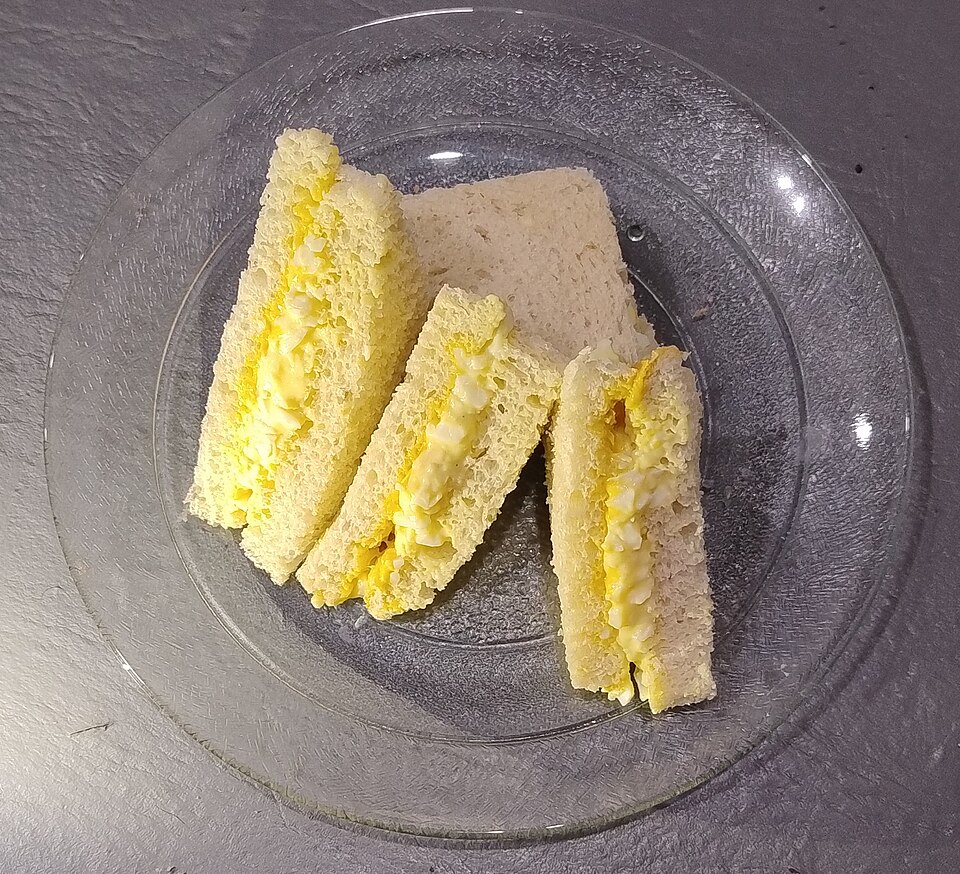
Tamago sando
Japanese · 30 min · 477 kcal · Contains egg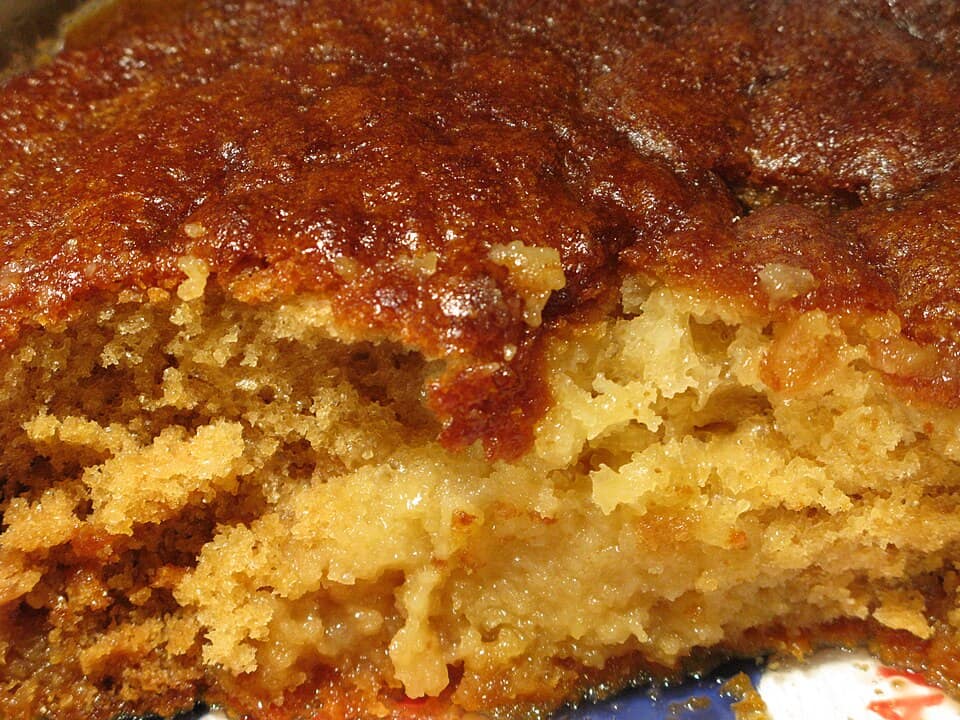
Malva pudding
 South African · 1 h 10 min · 489 kcal · Contains egg