
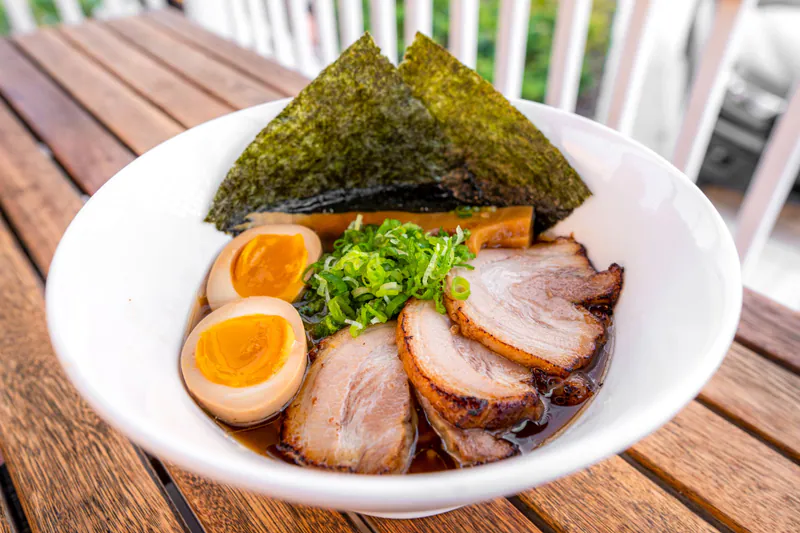
Ajitsuke tamago (ramen eggs)
 Japanese · 6 h 20 min · 116 kcal · Contains egg
Collection · 84 recipes
Master the egg and you can cook breakfast anywhere in the world. Start with the technique guide — timings for boiled eggs, how to poach, scramble, fold an omelette and fry — then cook your way through custards, soufflés and egg dishes from Turkey to Japan.
Large eggs (about 60 g) straight from the fridge, lowered into boiling water, then cooled in iced water.
| Minutes | Result | Good for |
|---|---|---|
| 5 min | White just set, yolk runny | Dippy eggs and toast soldiers |
| 6½ min | White set, yolk thick and jammy | Ramen eggs, salads, kaya toast |
| 8 min | Yolk just set and still bright | Œufs mayonnaise, Scotch eggs, salads |
| 10–11 min | Fully set, pale yolk | Devilled eggs, egg salad, picnics |
Practise with: Boiled Eggs (Soft or Hard), Ajitsuke tamago (ramen eggs), Devilled eggs
Practise with: Poached Eggs, Eggs Benedict, Çılbır
Practise with: Creamy Scrambled Eggs, Anda bhurji (Indian spiced scrambled eggs), Akuri (Parsi scrambled eggs)
Practise with: French omelette, Tamagoyaki, Masala omelette
Practise with: Fried Eggs, Huevos rotos (broken eggs over fried potatoes), Egg Kejriwal
Practise with: Crème caramel, Crème anglaise, Chawanmushi
Advice differs between countries because egg production does. Follow the guidance where you live, and take extra care when cooking for young children, pregnant people, older adults or anyone unwell.
Source: Advice on safe storage, handling and use of eggs (opens in a new tab)
84 recipes
Soft, jammy and hard-boiled eggs and what to do with them. · 13 recipes
Japanese · 6 h 20 min · 116 kcal · Contains egg
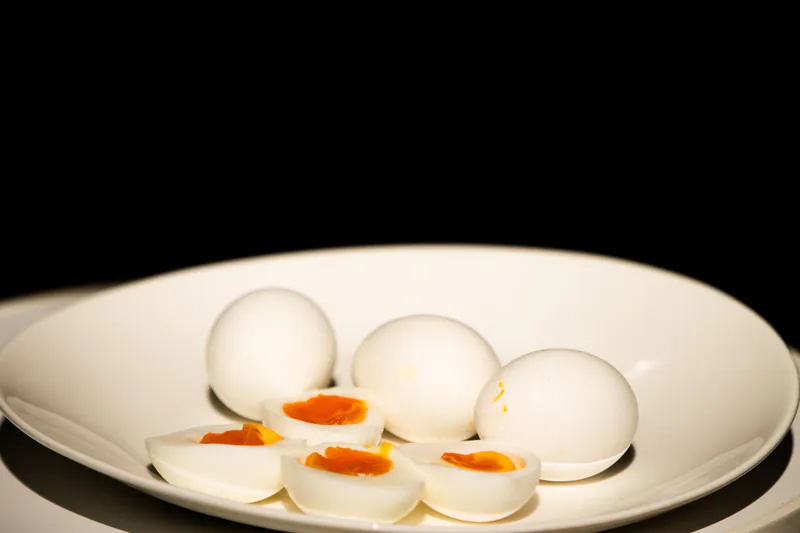
International · 17 min · 143 kcal · Contains egg
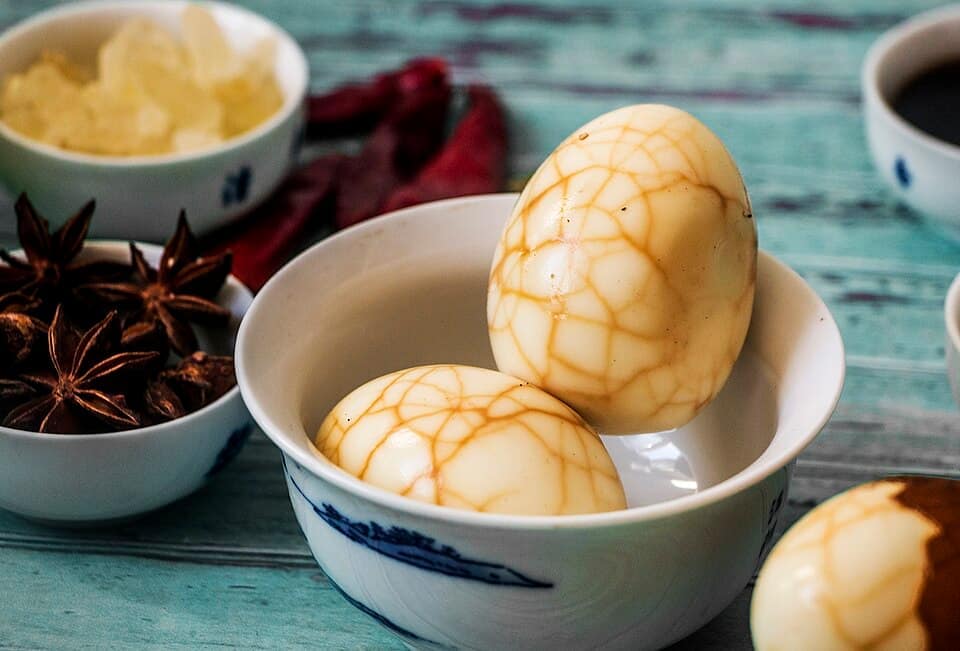
 Chinese · 50 min · 75 kcal · Contains egg
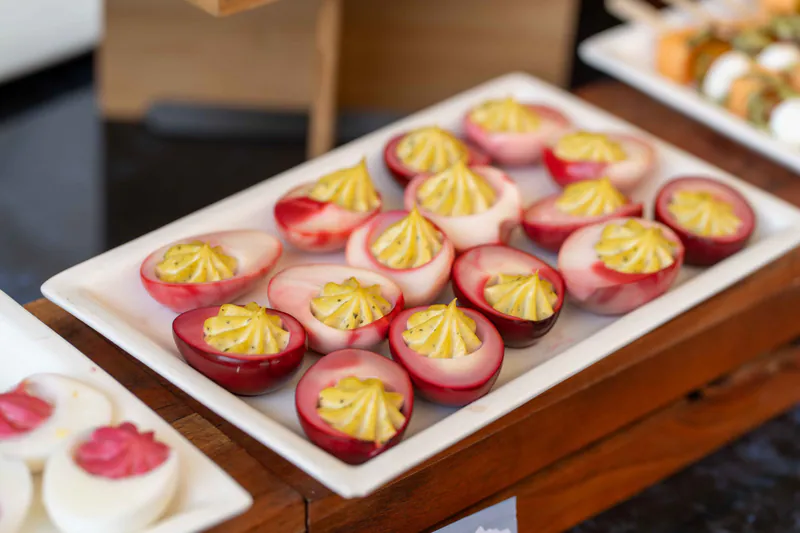
 American · 36 min · 141 kcal · Contains egg
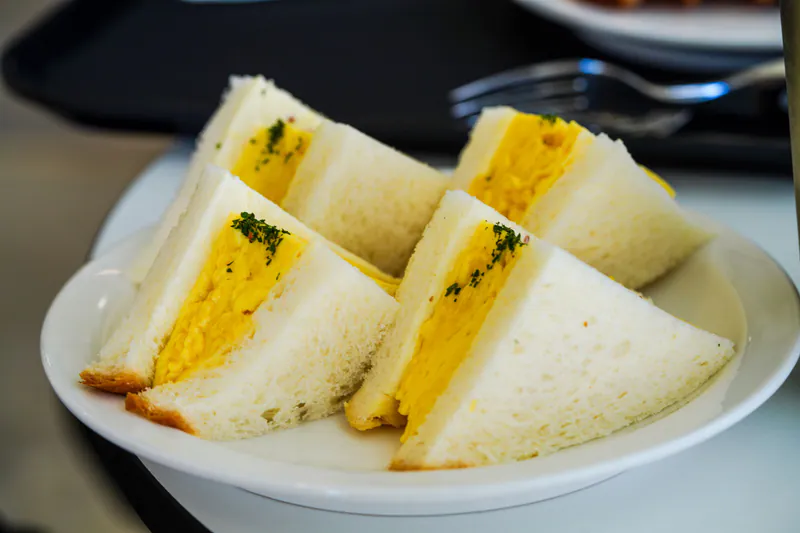
International · 24 min · 435 kcal · Contains egg
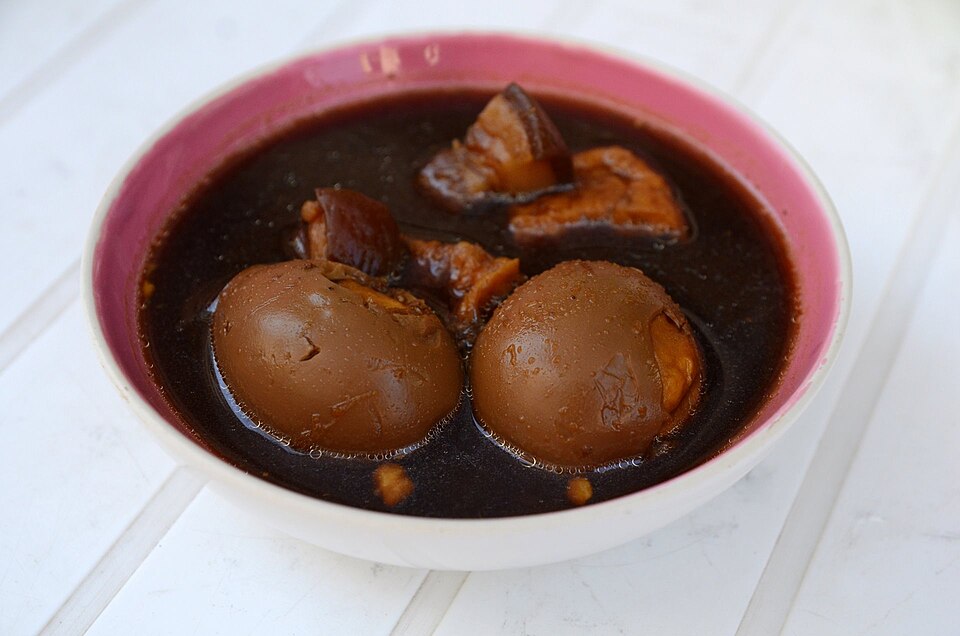
 Thai · 1 h 30 min · 586 kcal
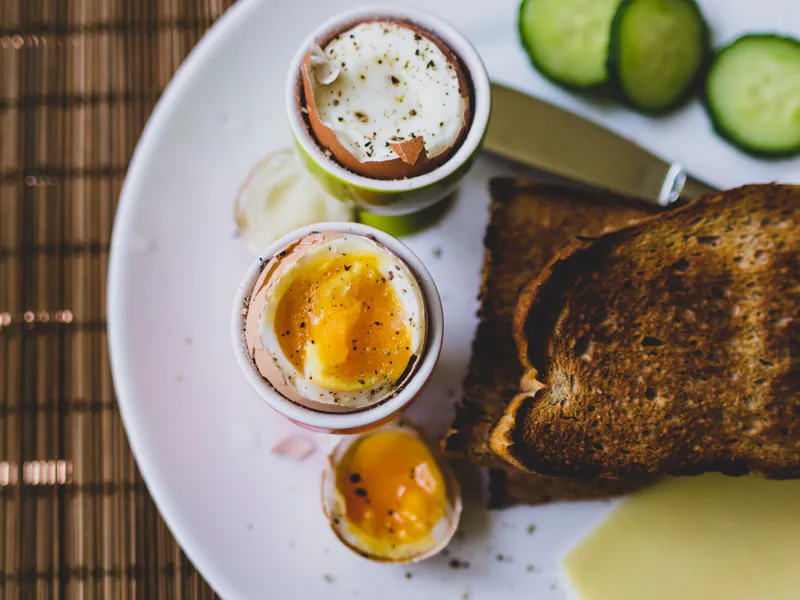
 Singaporean · 45 min · 517 kcal · Contains egg
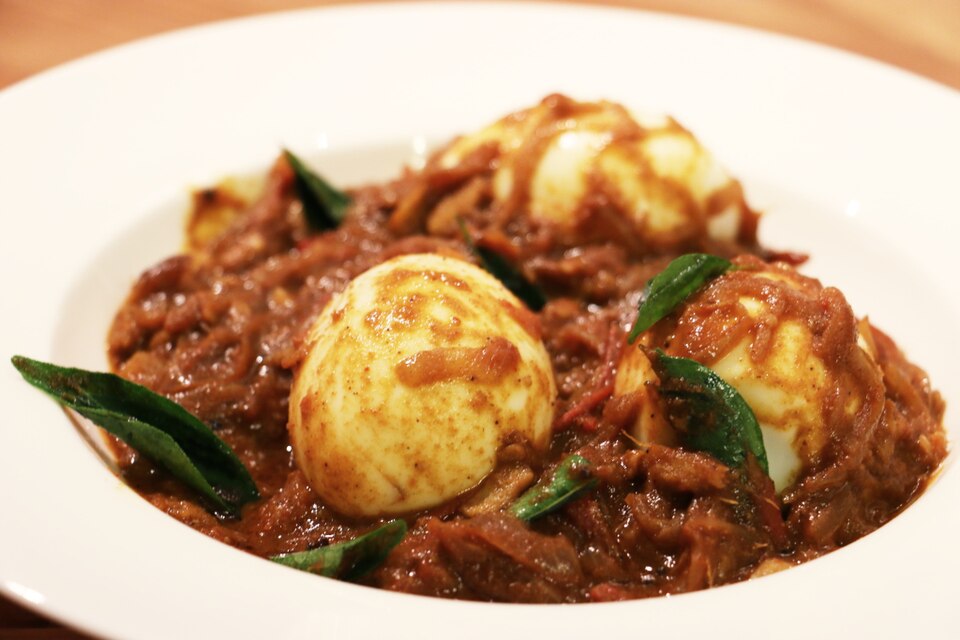
 South Indian · 50 min · 342 kcal · Contains egg
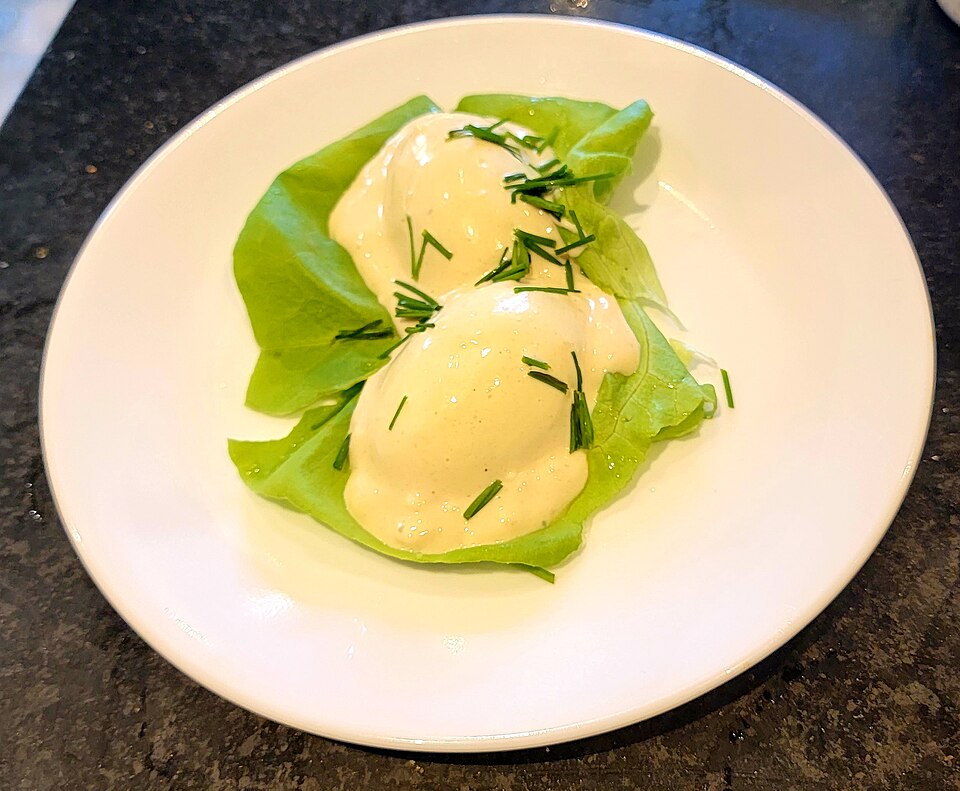
 French · 29 min · 363 kcal · Contains egg
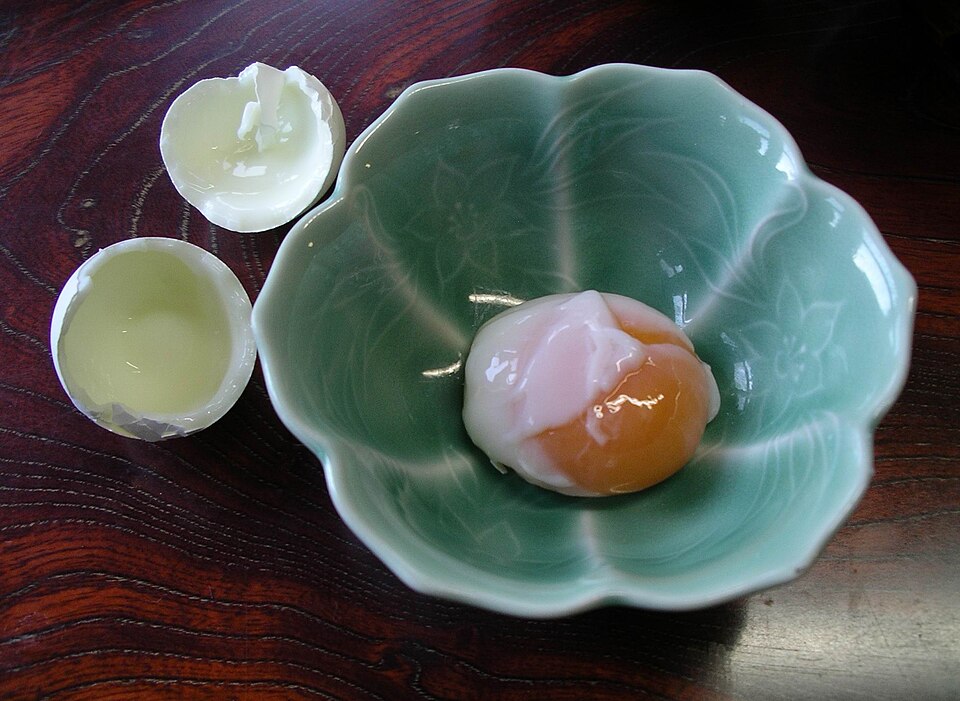
Japanese · 50 min · 81 kcal
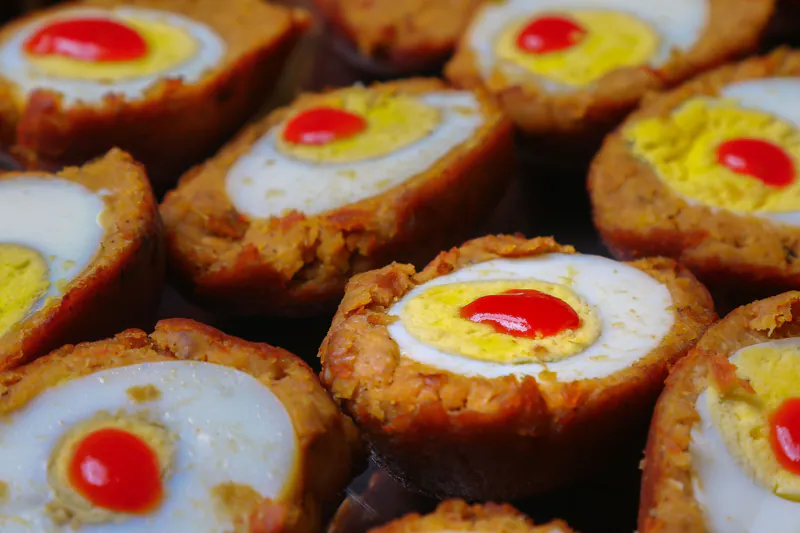
 British · 1 h 20 min · 599 kcal
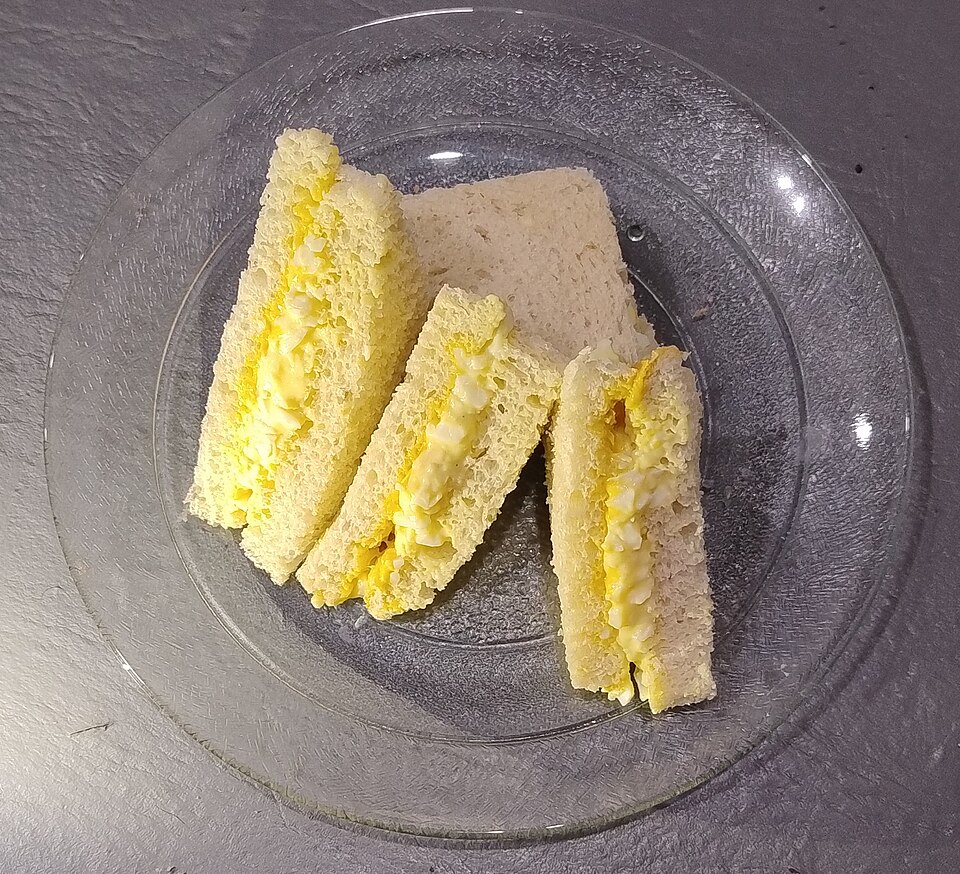
Japanese · 30 min · 477 kcal · Contains egg
Poached eggs, eggs baked in cream or simmered in sauce. · 11 recipes
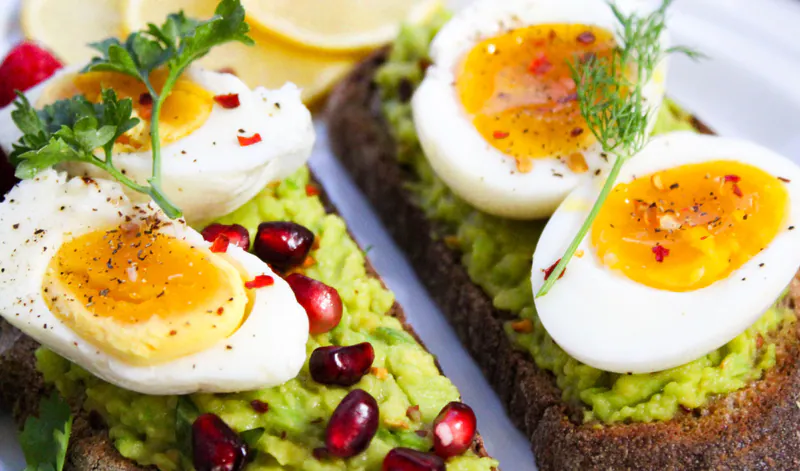
International · 12 min · 426 kcal · Contains egg
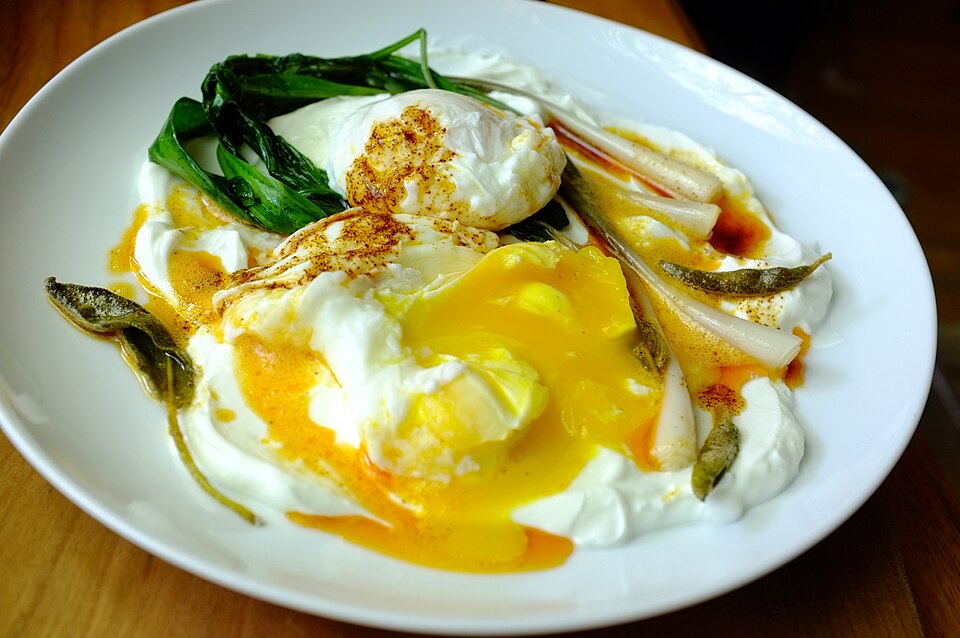
 Turkish · 15 min · 402 kcal · Contains egg
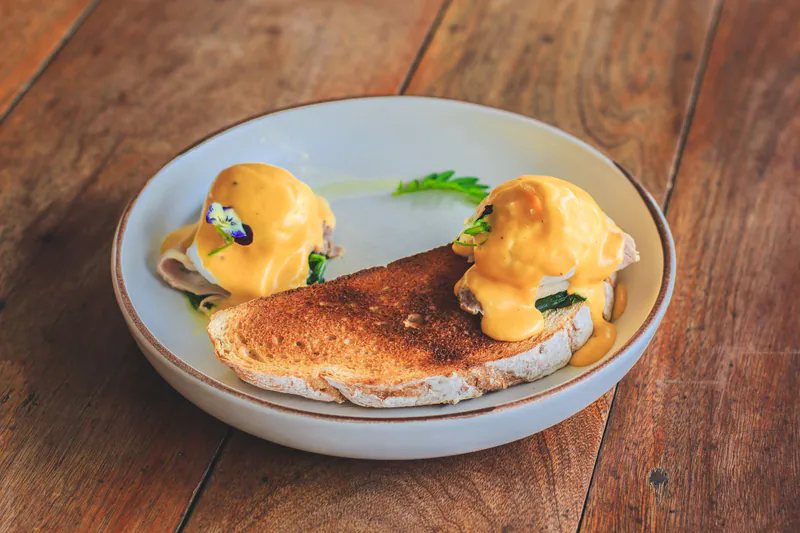
American · 30 min · 1016 kcal
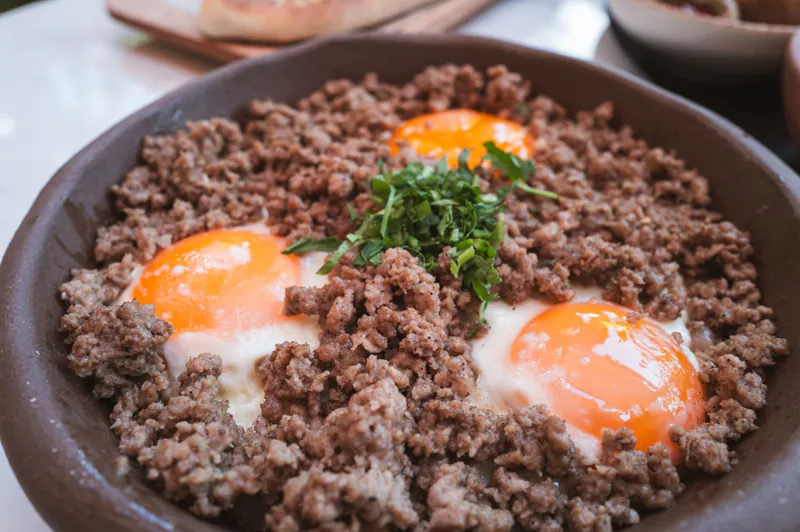
Turkish · 25 min · 511 kcal
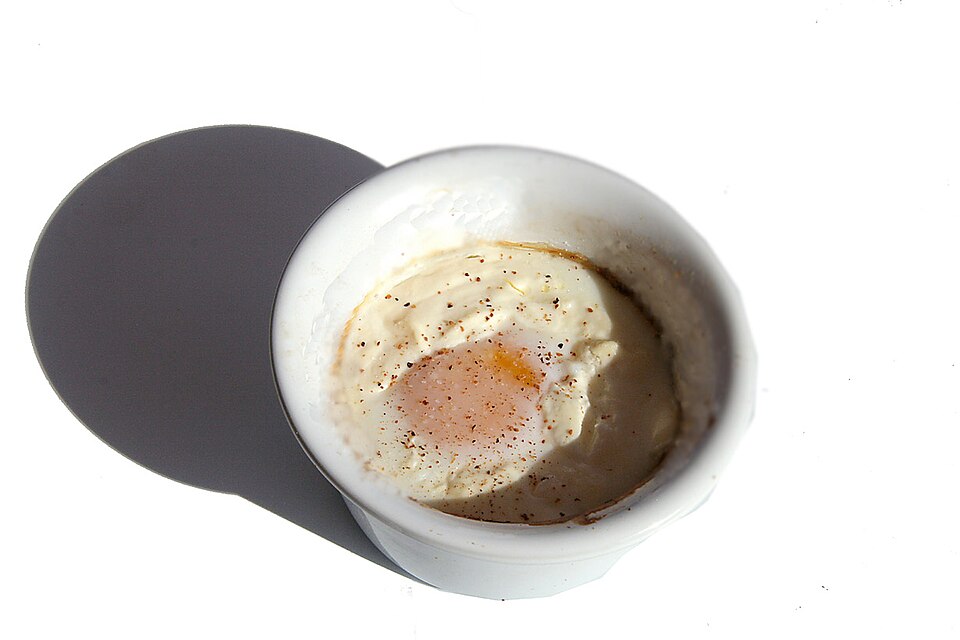
French · 20 min · 214 kcal
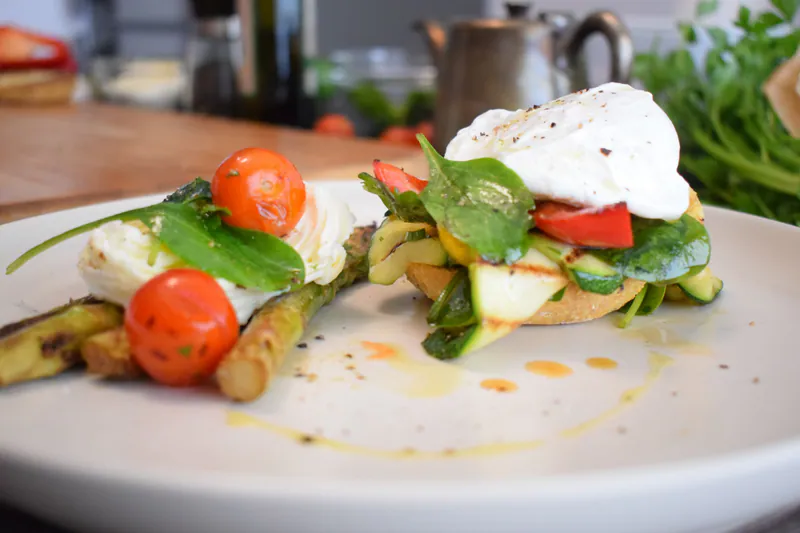
International · 13 min · 144 kcal · Contains egg
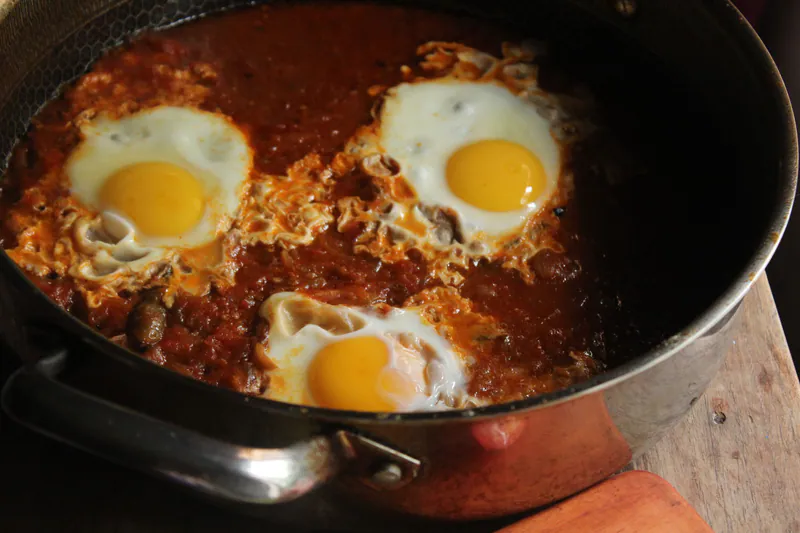
 Tunisian · 40 min · 337 kcal · Contains egg
 Colombian · 17 min · 227 kcal · Contains egg
Turkish · 25 min · 370 kcal · Contains egg
 Moroccan · 50 min · 475 kcal
 Italian · 25 min · 552 kcal · Contains egg
Soft French-style curds to spiced bhurji. · 8 recipes
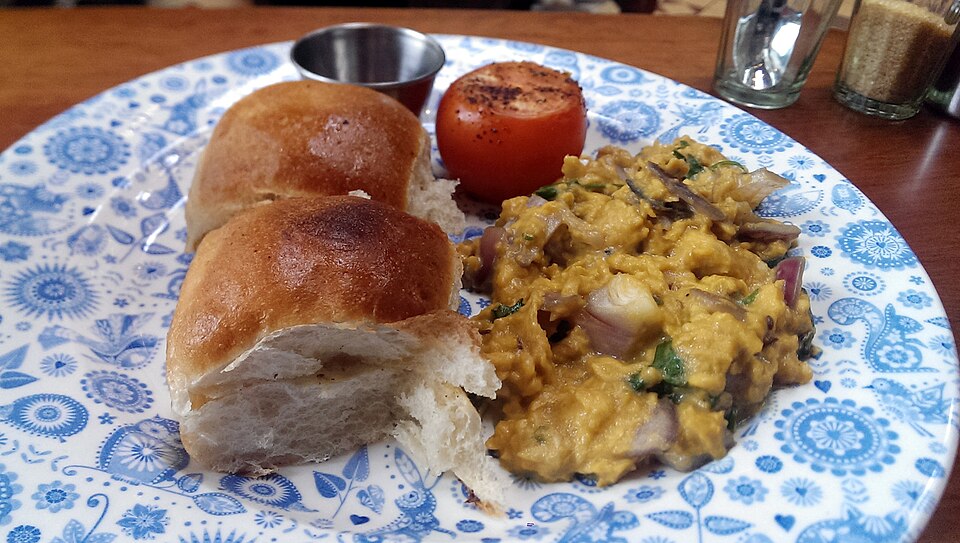
Indian · 22 min · 248 kcal · Contains egg
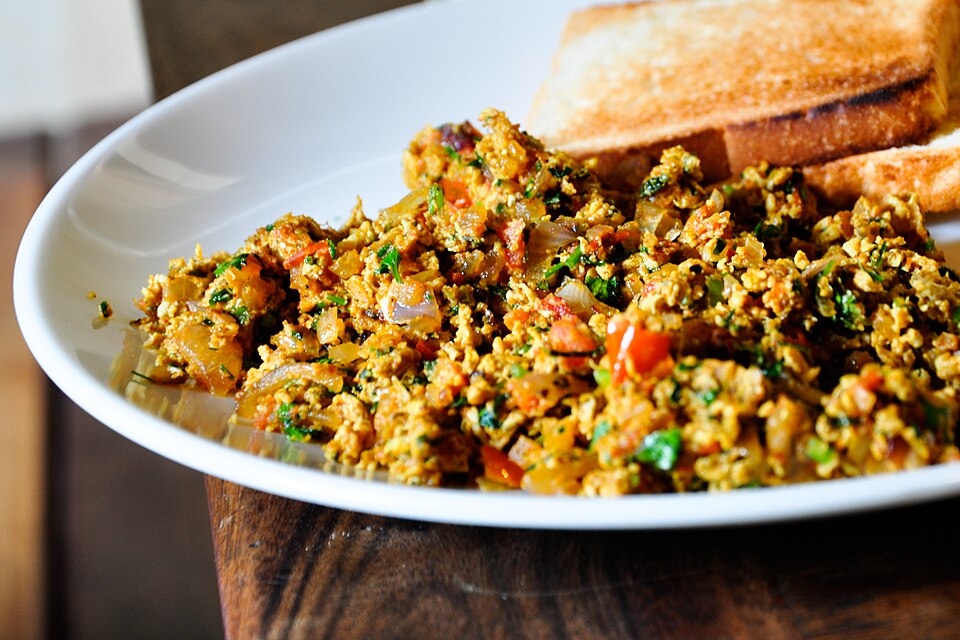
Indian · 22 min · 254 kcal · Contains egg
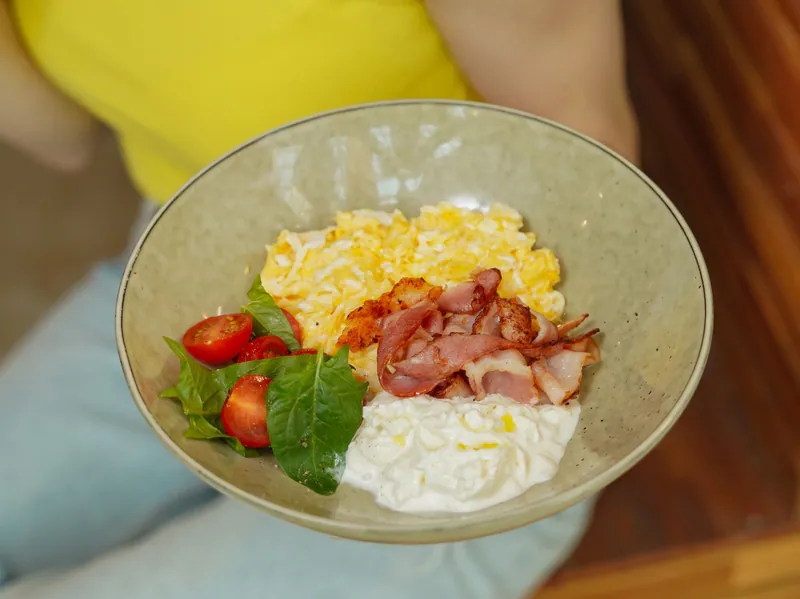
International · 7 min · 204 kcal · Contains egg
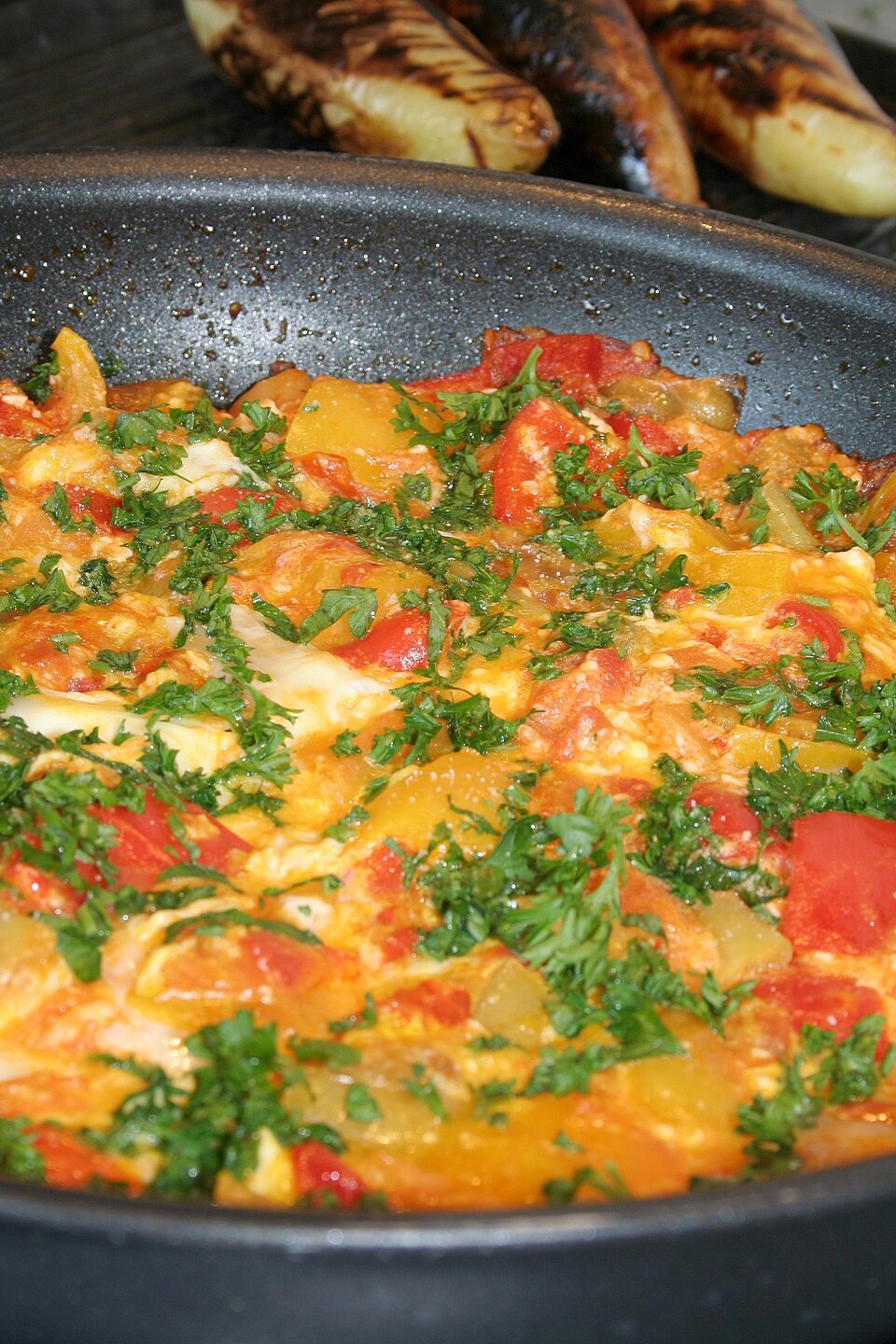
 Bulgarian · 45 min · 364 kcal · Contains egg
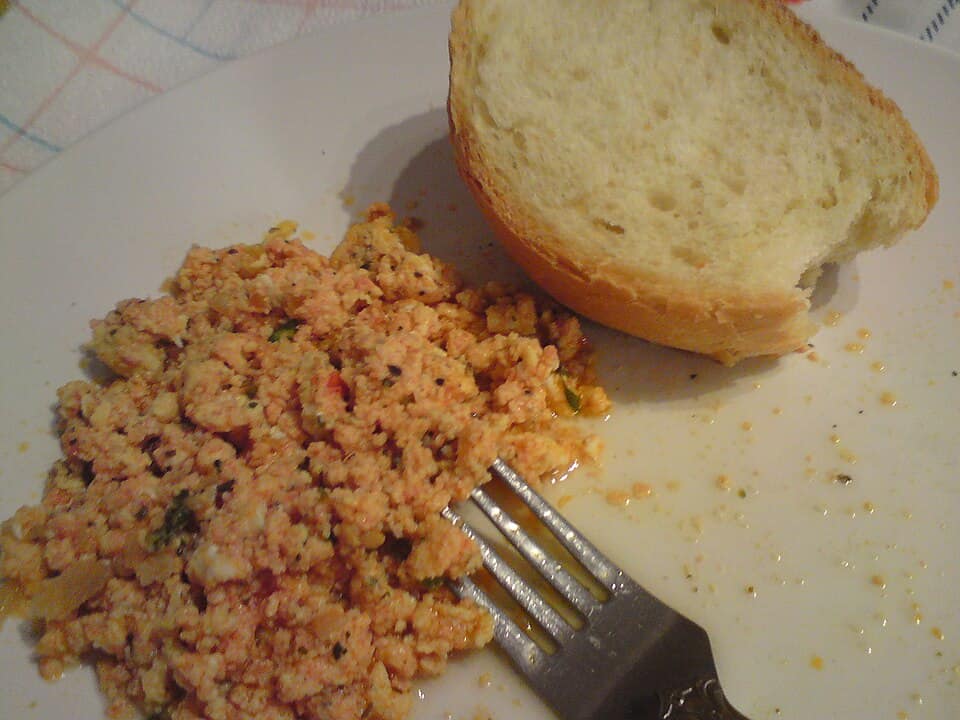
 Greek · 17 min · 461 kcal · Contains egg
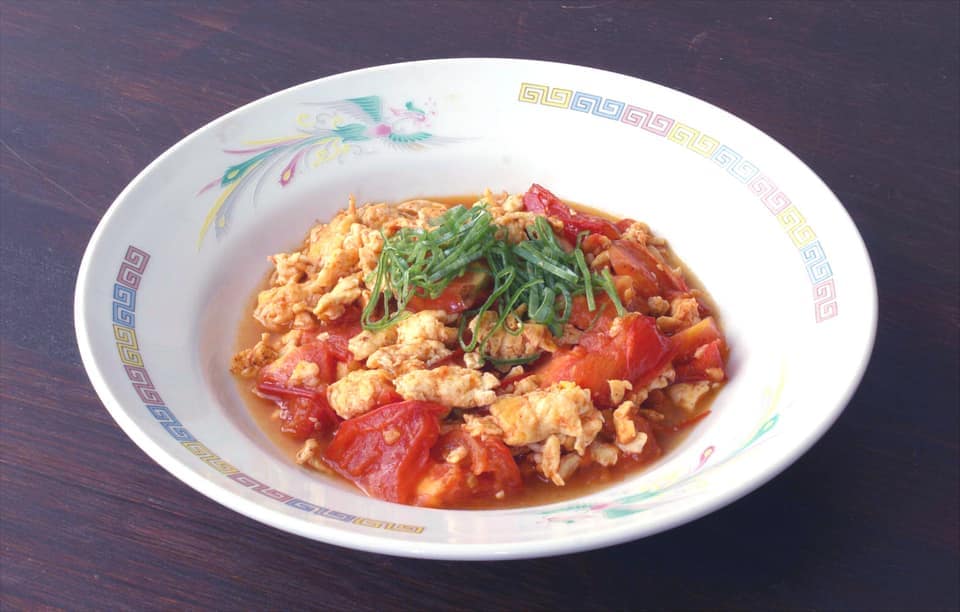
Chinese · 13 min · 314 kcal · Contains egg
 Portuguese · 55 min · 581 kcal
Turkish · 25 min · 321 kcal · Contains egg
French omelette, tamagoyaki, tortilla and frittata. · 19 recipes
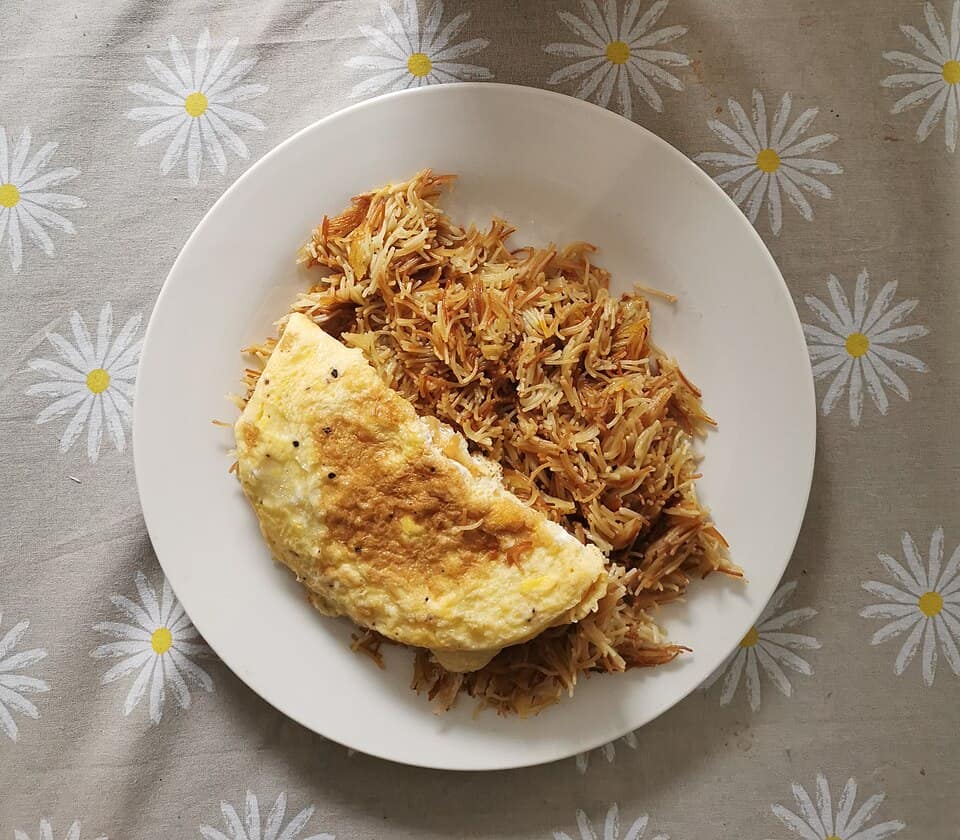
Gulf Arab · 25 min · 477 kcal · Contains egg
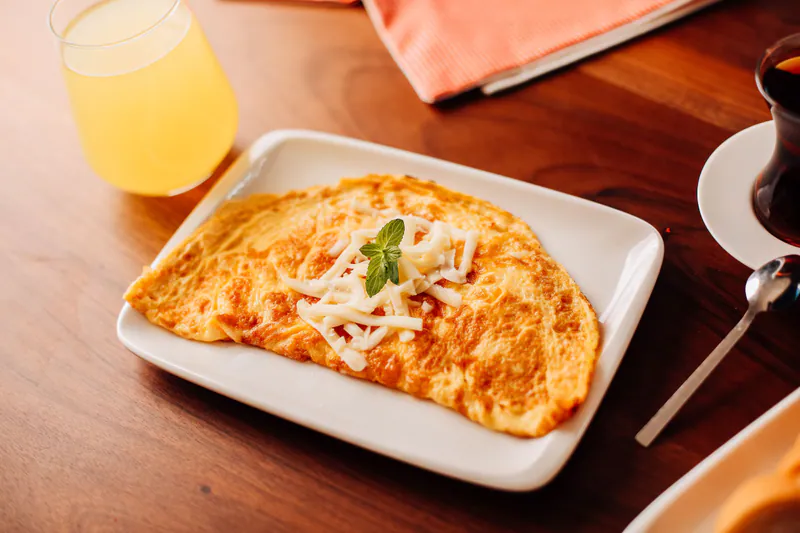
International · 7 min · 404 kcal · Contains egg
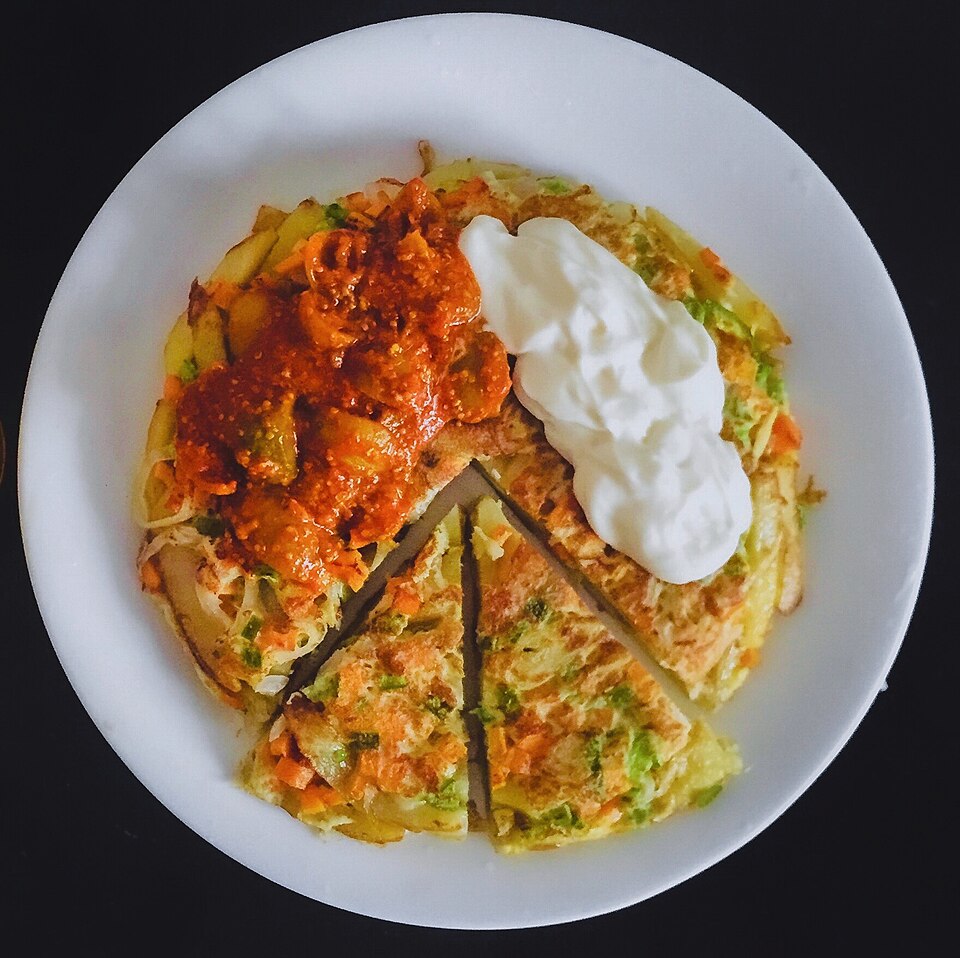
 Tanzanian · 30 min · 579 kcal · Contains egg
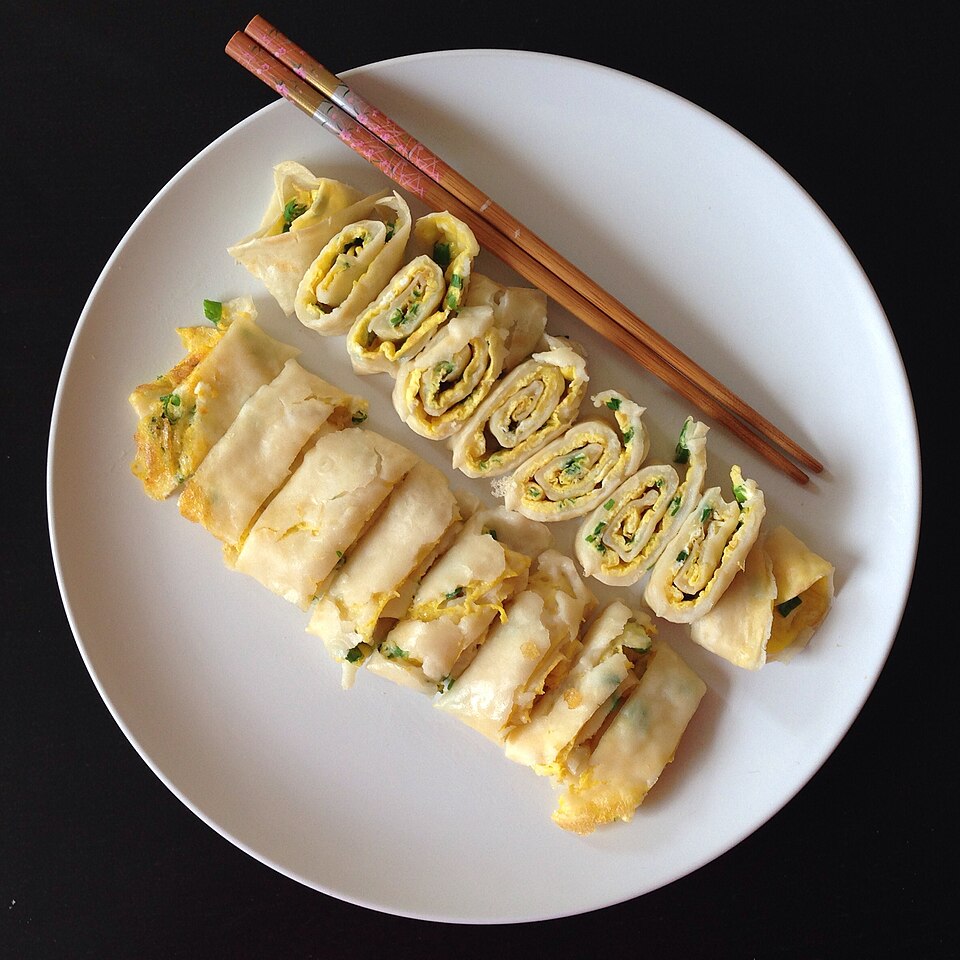
 Taiwanese · 15 min · 265 kcal · Contains egg
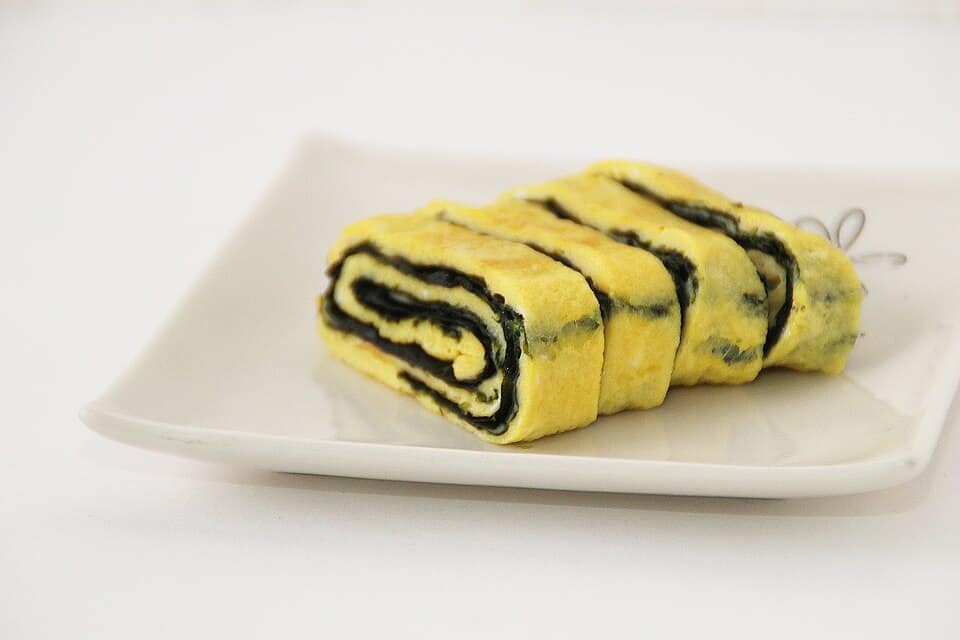
 Korean · 17 min · 167 kcal · Contains egg
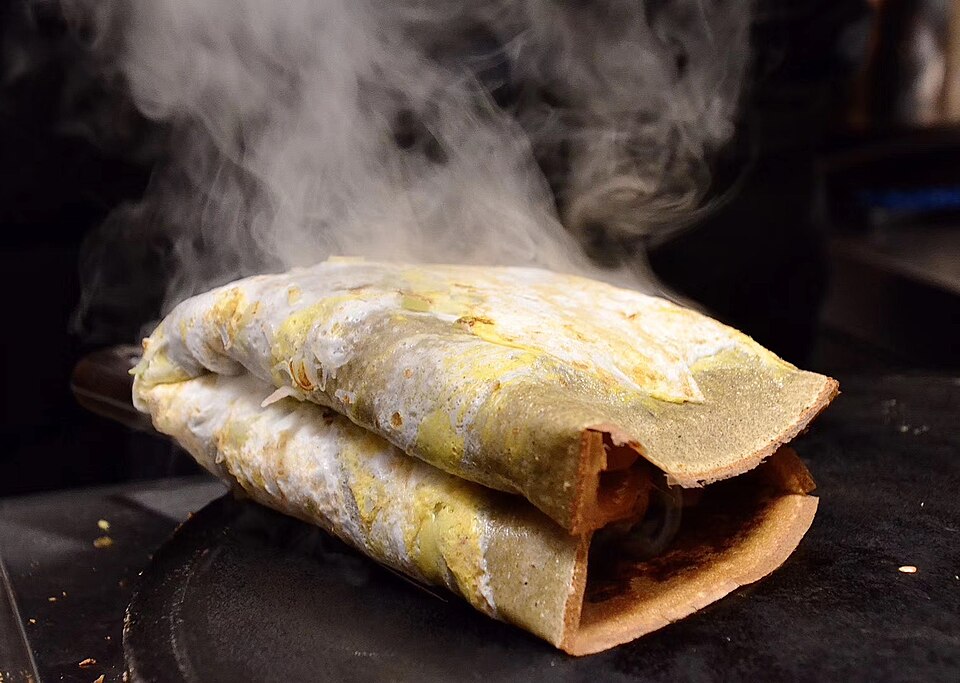
Chinese · 25 min · 353 kcal · Contains egg
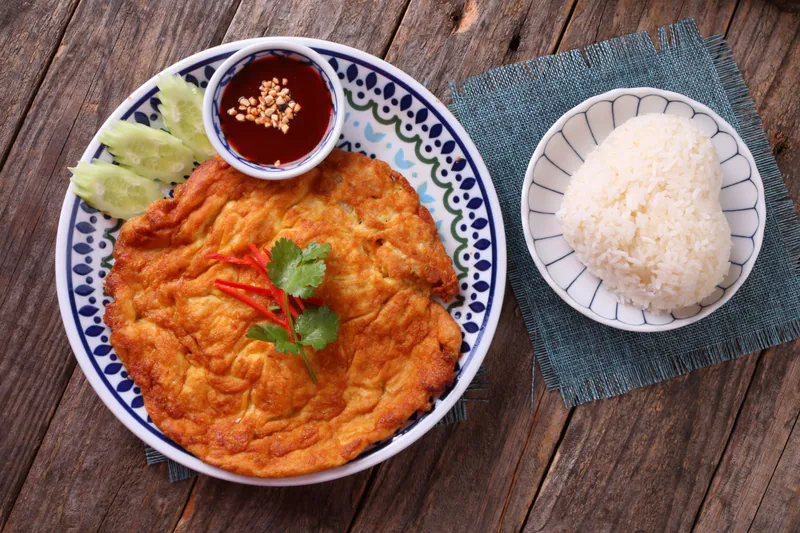
Thai · 7 min · 449 kcal
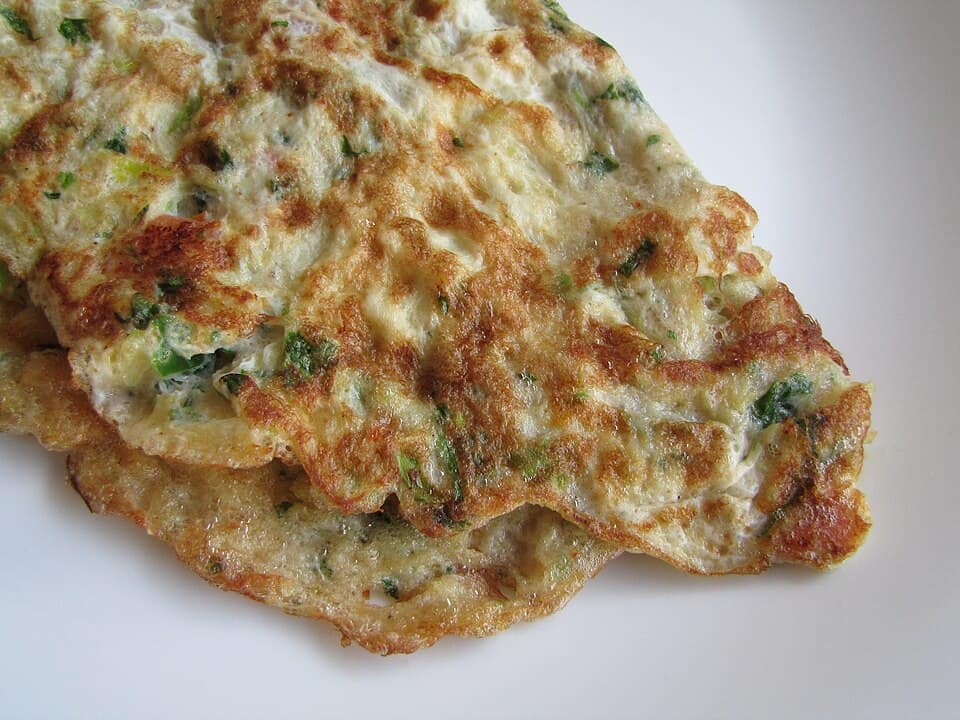
Indian · 14 min · 222 kcal · Contains egg
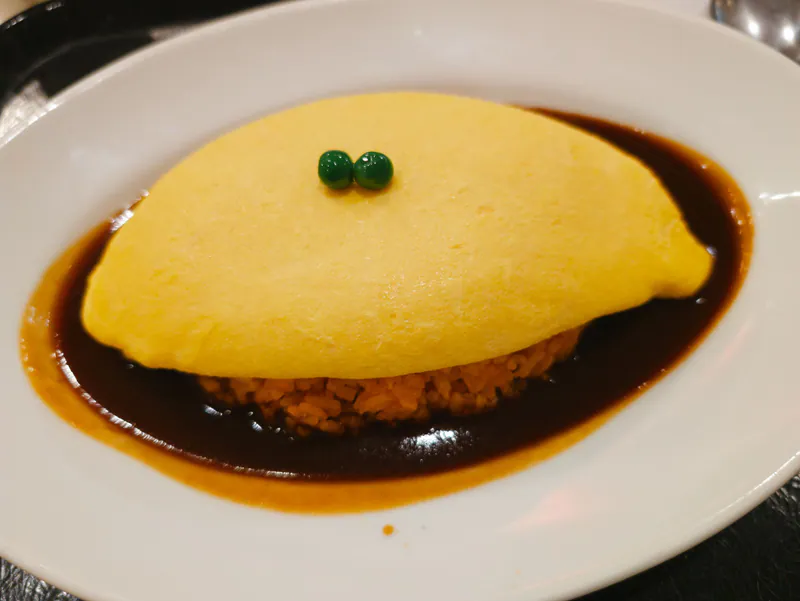
Japanese · 25 min · 652 kcal
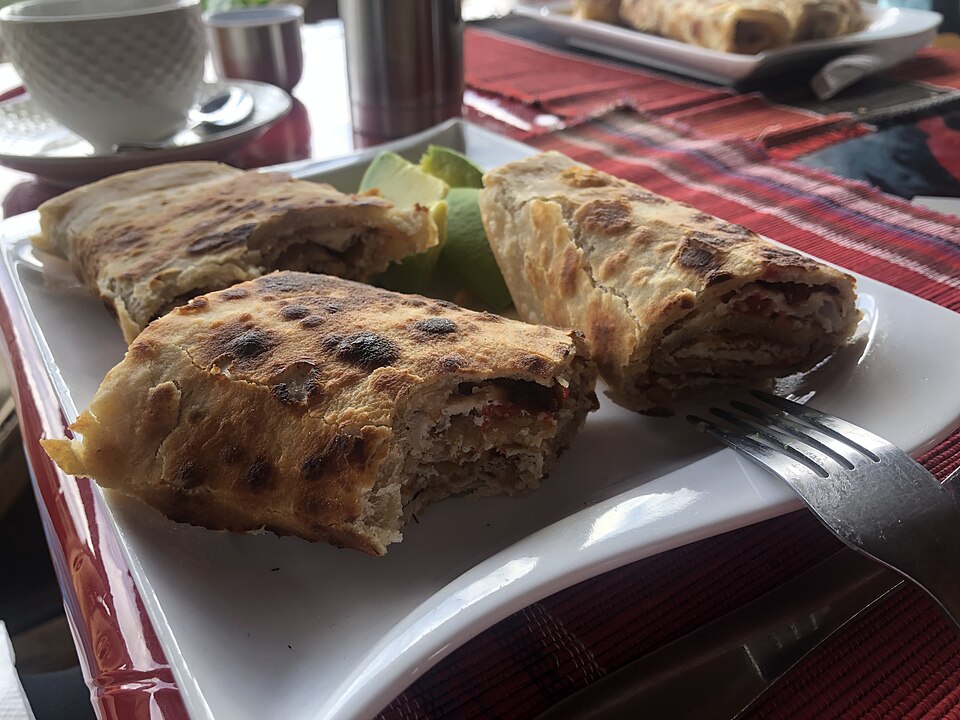
 Ugandan · 1 h 5 min · 472 kcal · Contains egg
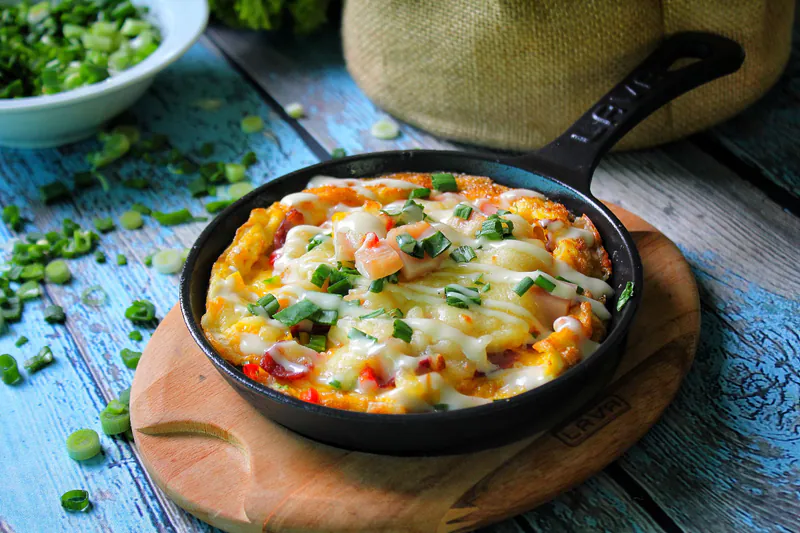
Italian · 40 min · 288 kcal · Contains egg
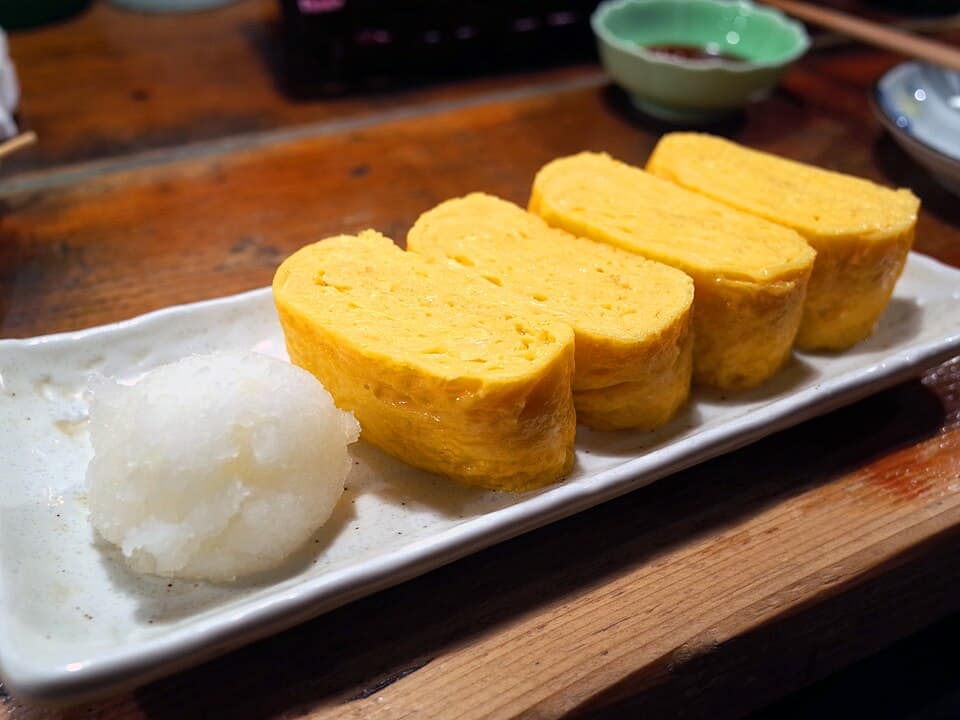
Japanese · 15 min · 228 kcal
Sunny-side up, crisp-edged and on toast. · 9 recipes
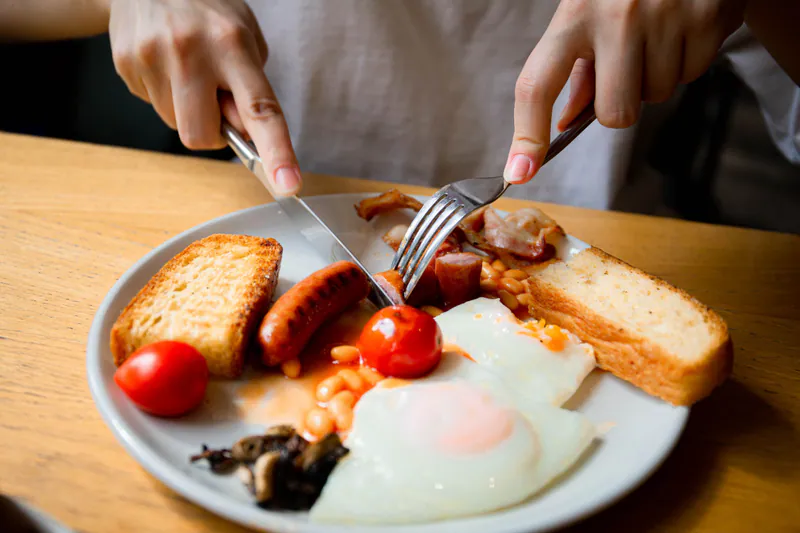
British · 40 min · 671 kcal
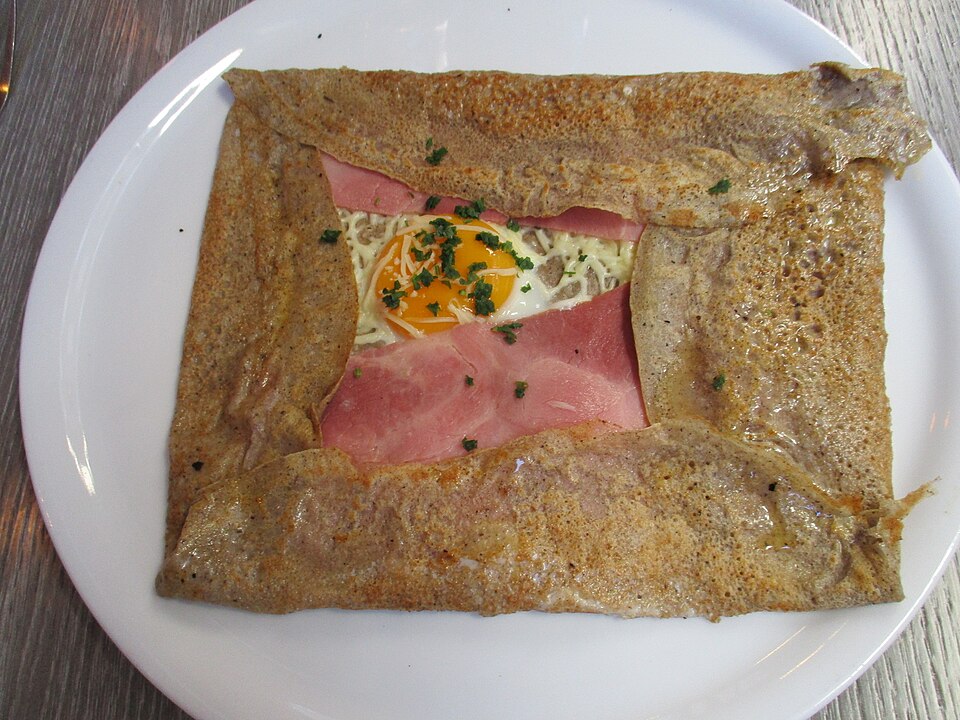
French · 2 h 35 min · 517 kcal
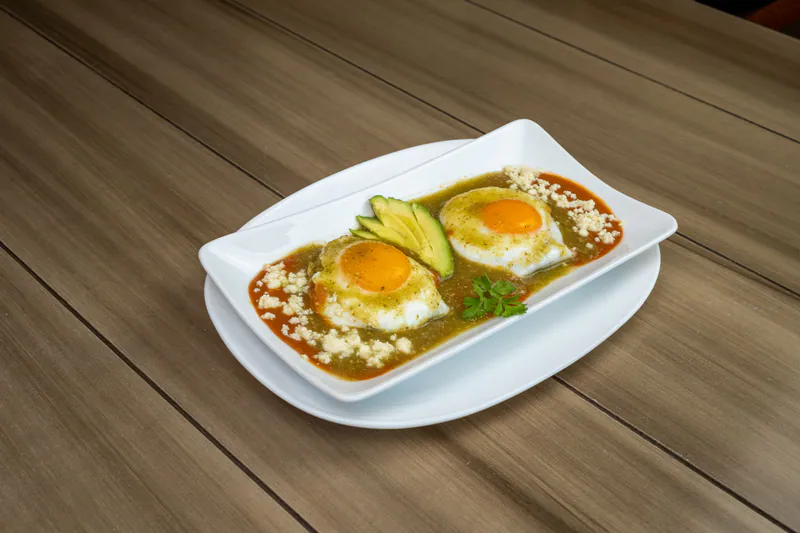
 Mexican · 30 min · 485 kcal · Contains egg
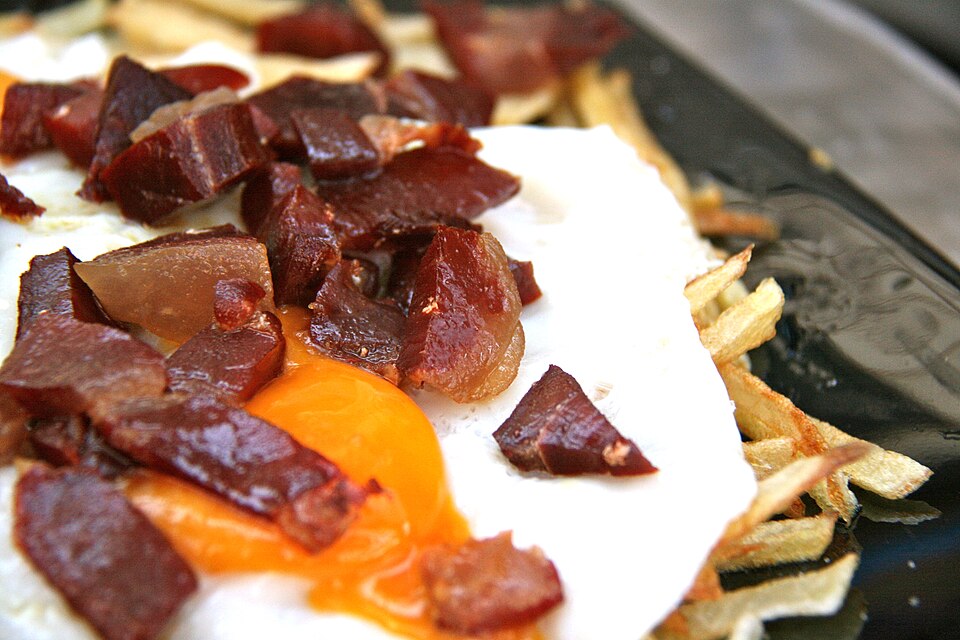
 Spanish · 35 min · 671 kcal
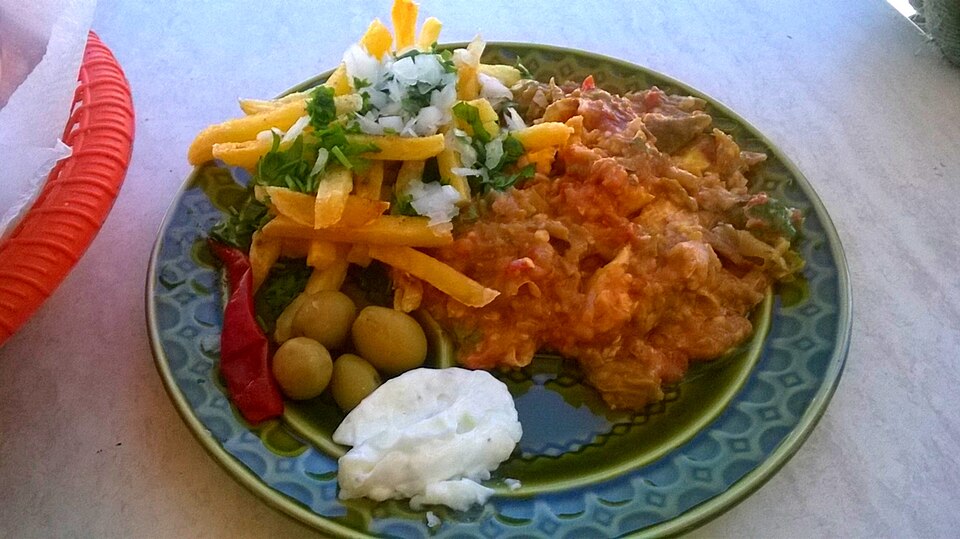
Tunisian · 55 min · 330 kcal · Contains egg
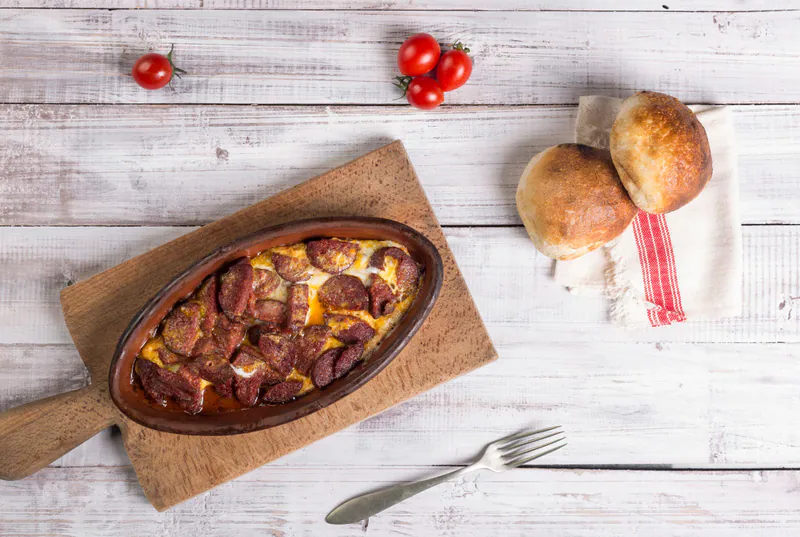
Turkish · 11 min · 368 kcal
 Sri Lankan · 8 h 55 min · 382 kcal · Contains egg
Indian · 13 min · 648 kcal · Contains egg
International · 5 min · 195 kcal · Contains egg
Eggs set gently with milk or cream, sweet and savoury. · 18 recipes
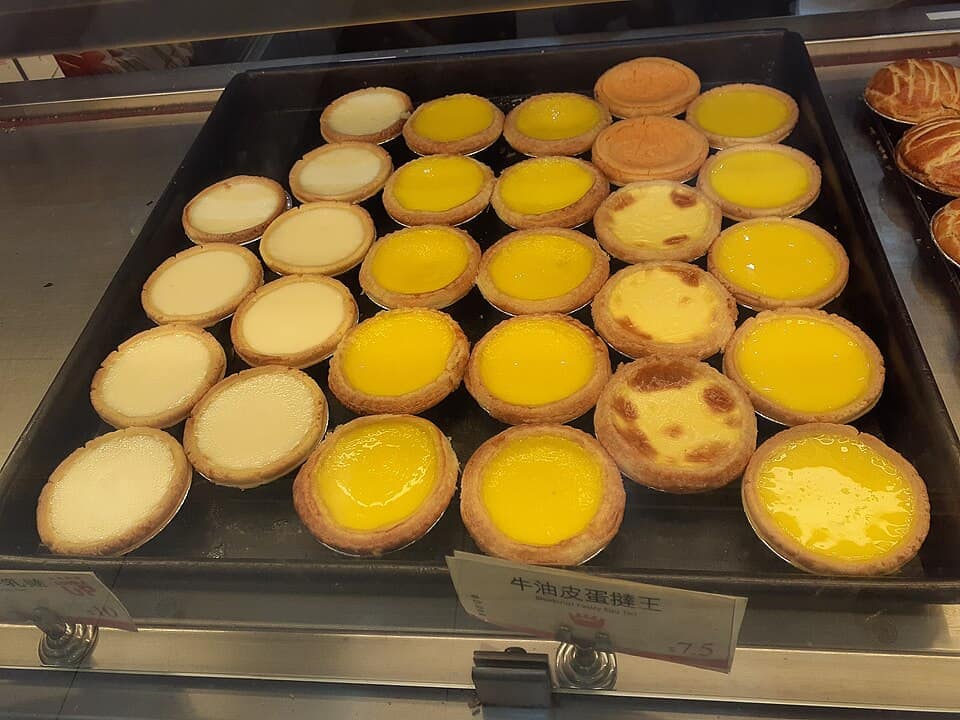
Cantonese · 1 h 27 min · 193 kcal · Contains egg
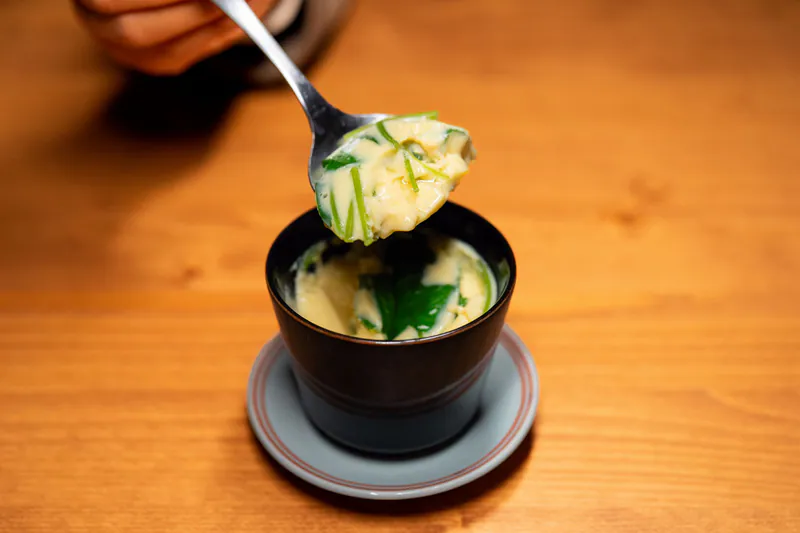
Japanese · 30 min · 105 kcal
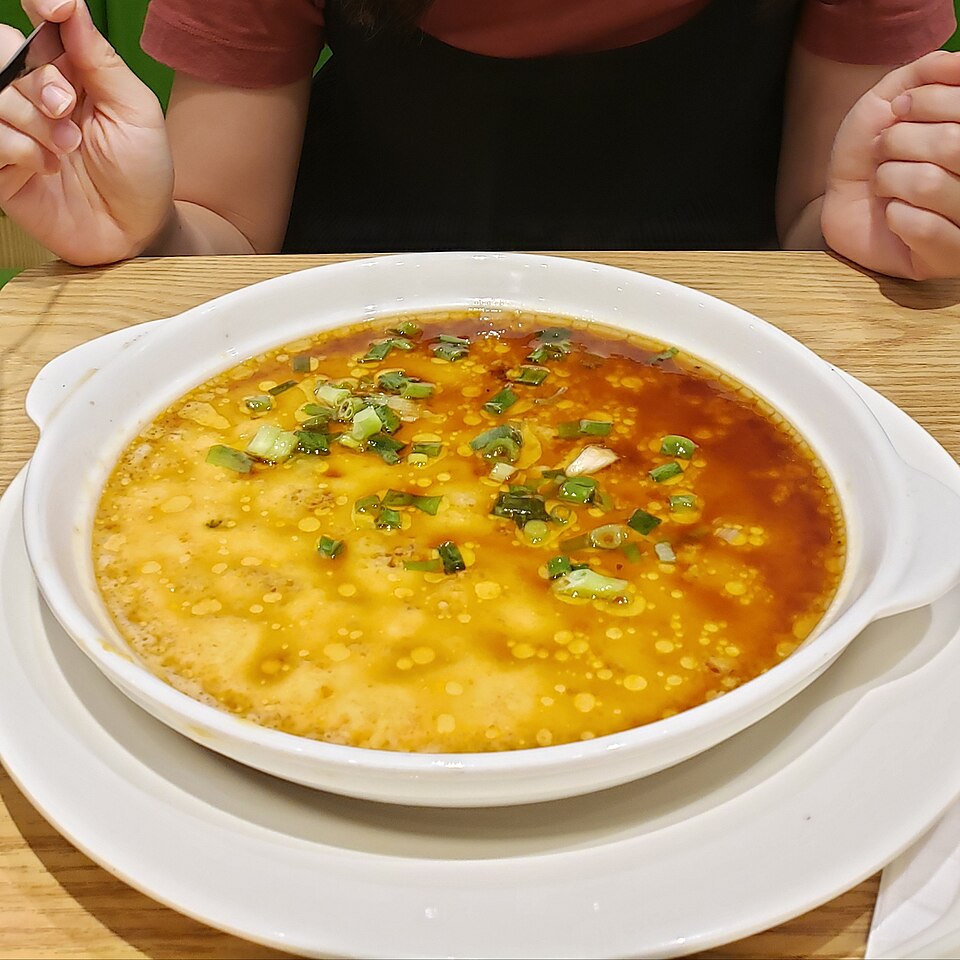
Chinese · 19 min · 179 kcal
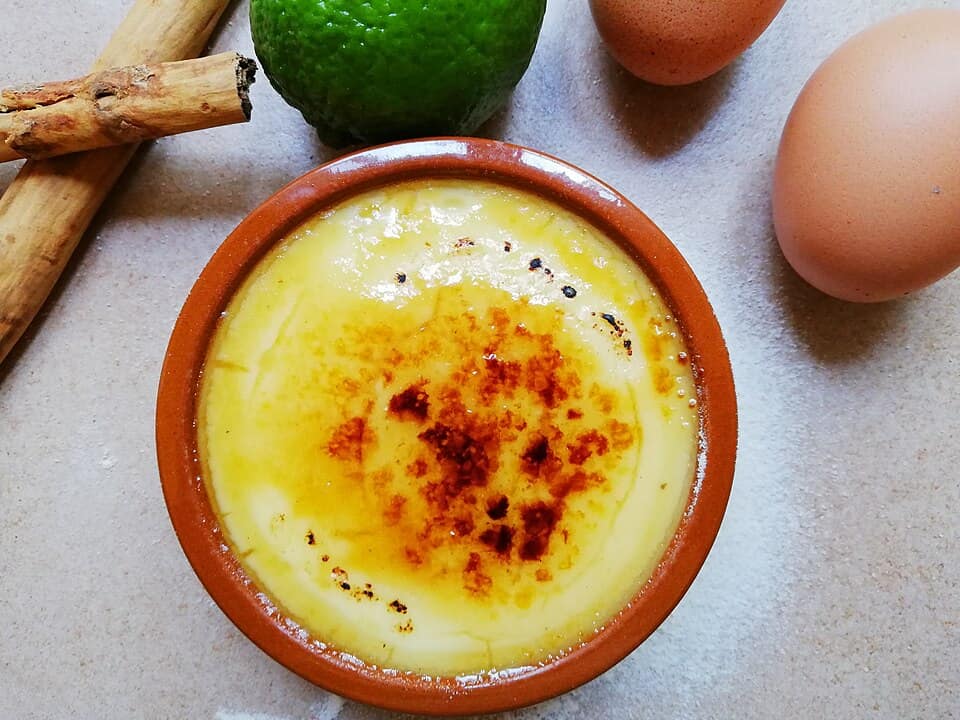
Spanish · 3 h 30 min · 288 kcal · Contains egg
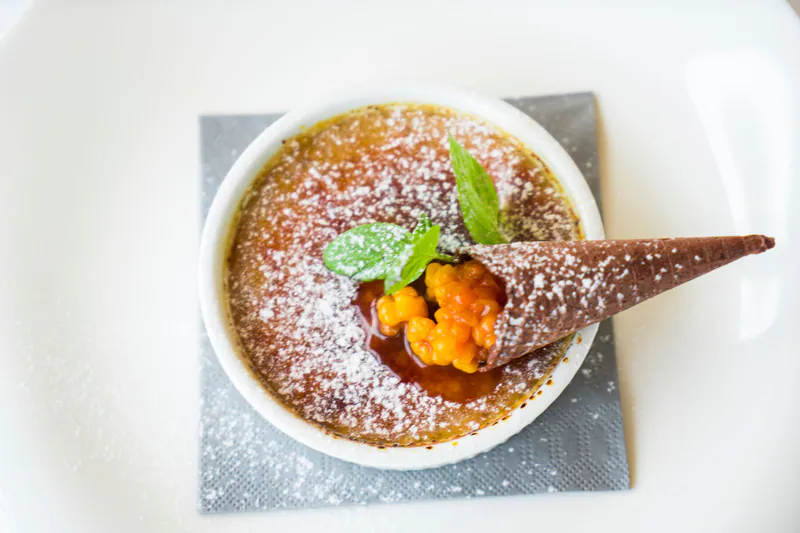
French · 4 h 50 min · 410 kcal · Contains egg
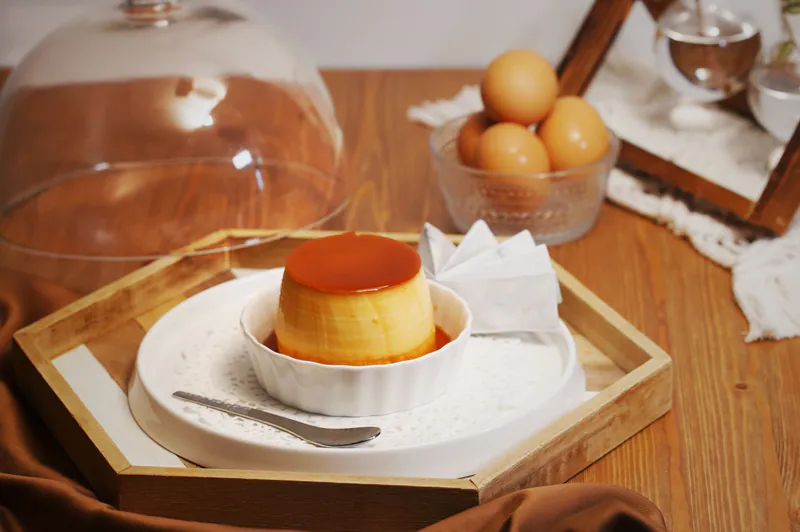
French · 5 h 5 min · 254 kcal · Contains egg
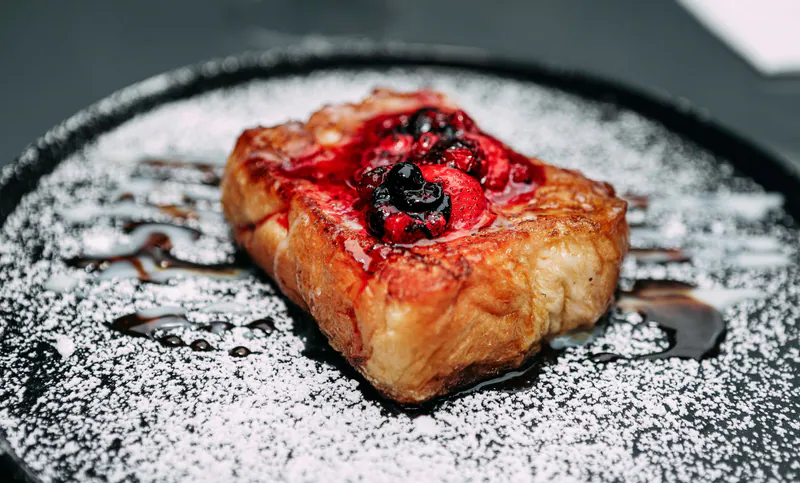
French · 25 min · 382 kcal · Contains egg
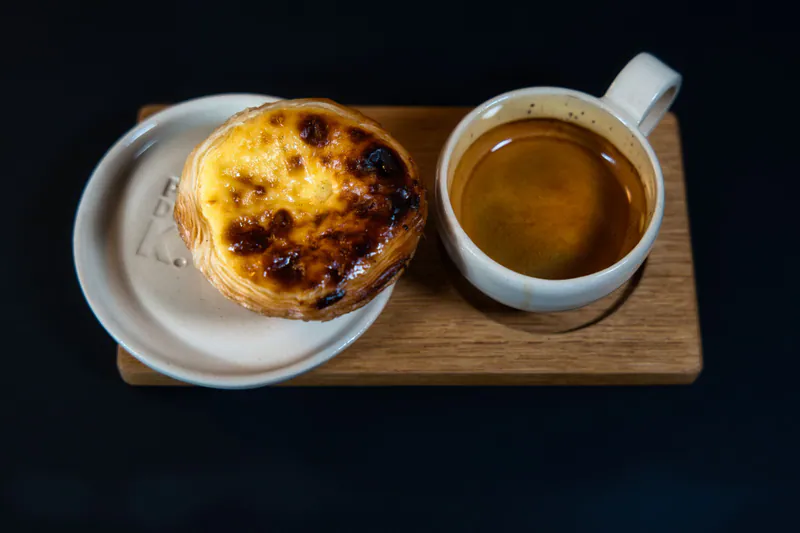
Portuguese · 1 h 10 min · 263 kcal · Contains egg
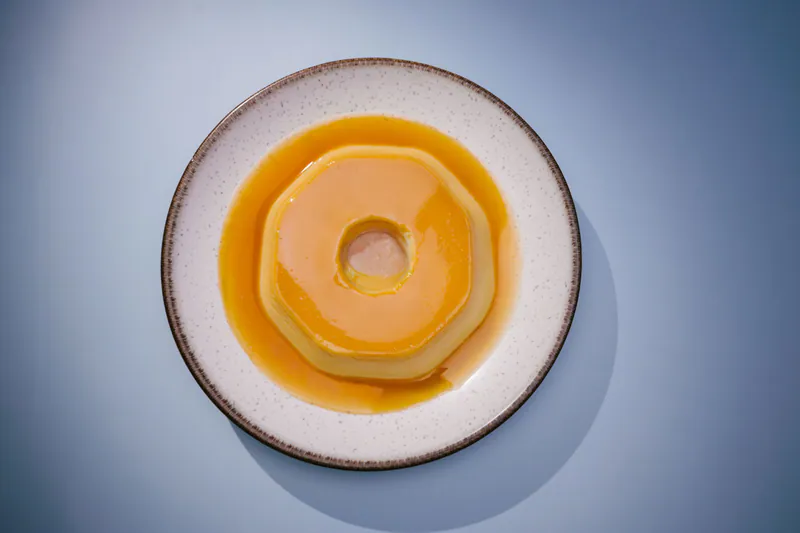
 Brazilian · 5 h 15 min · 289 kcal · Contains egg
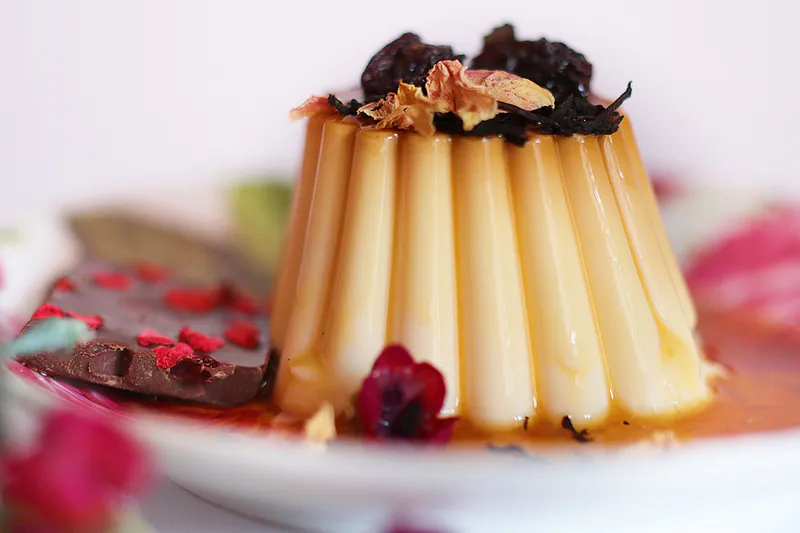
Japanese · 3 h 50 min · 199 kcal · Contains egg
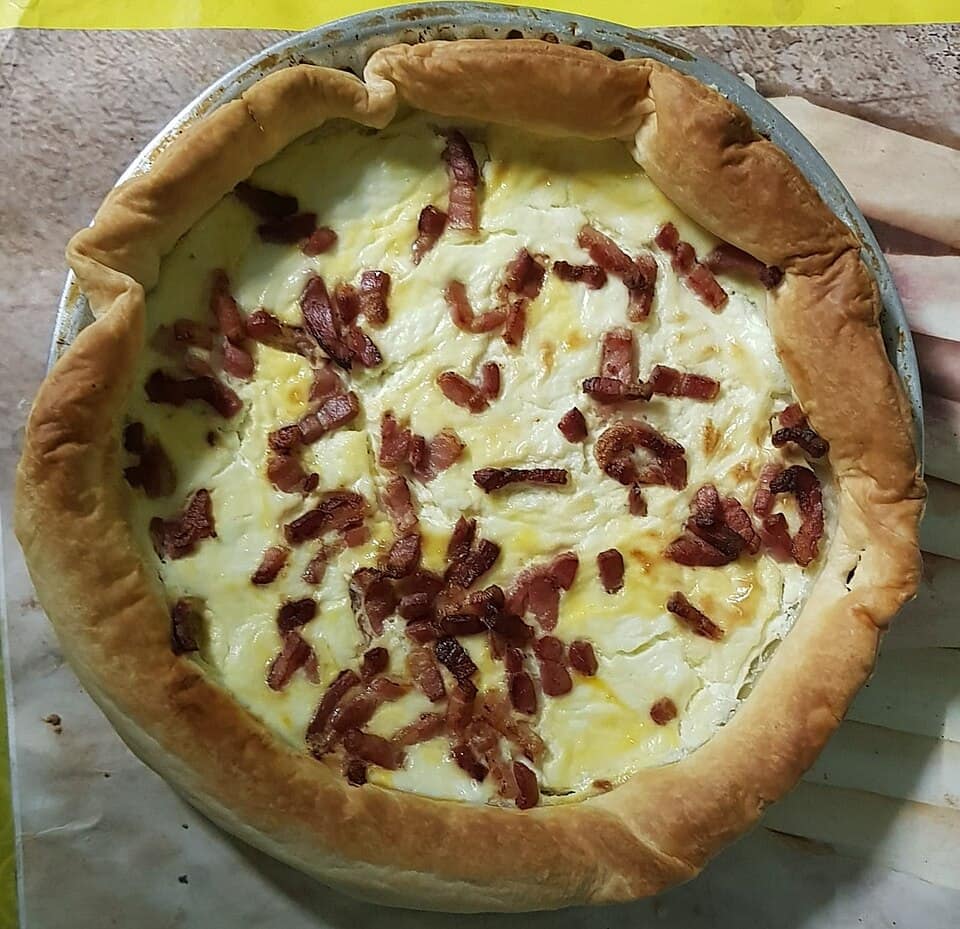
French · 2 h 5 min · 598 kcal
French · 50 min · 333 kcal · Contains egg
Mayonnaise, hollandaise and custard sauce. · 4 recipes
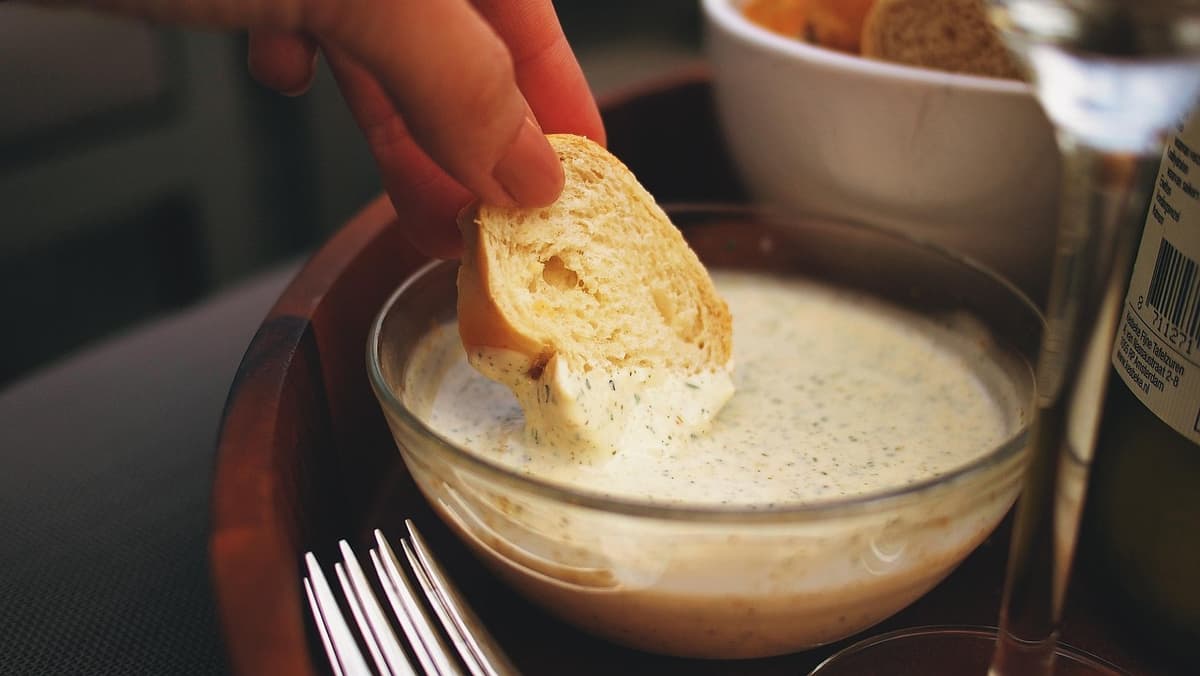
French · 20 min · 211 kcal · Contains egg
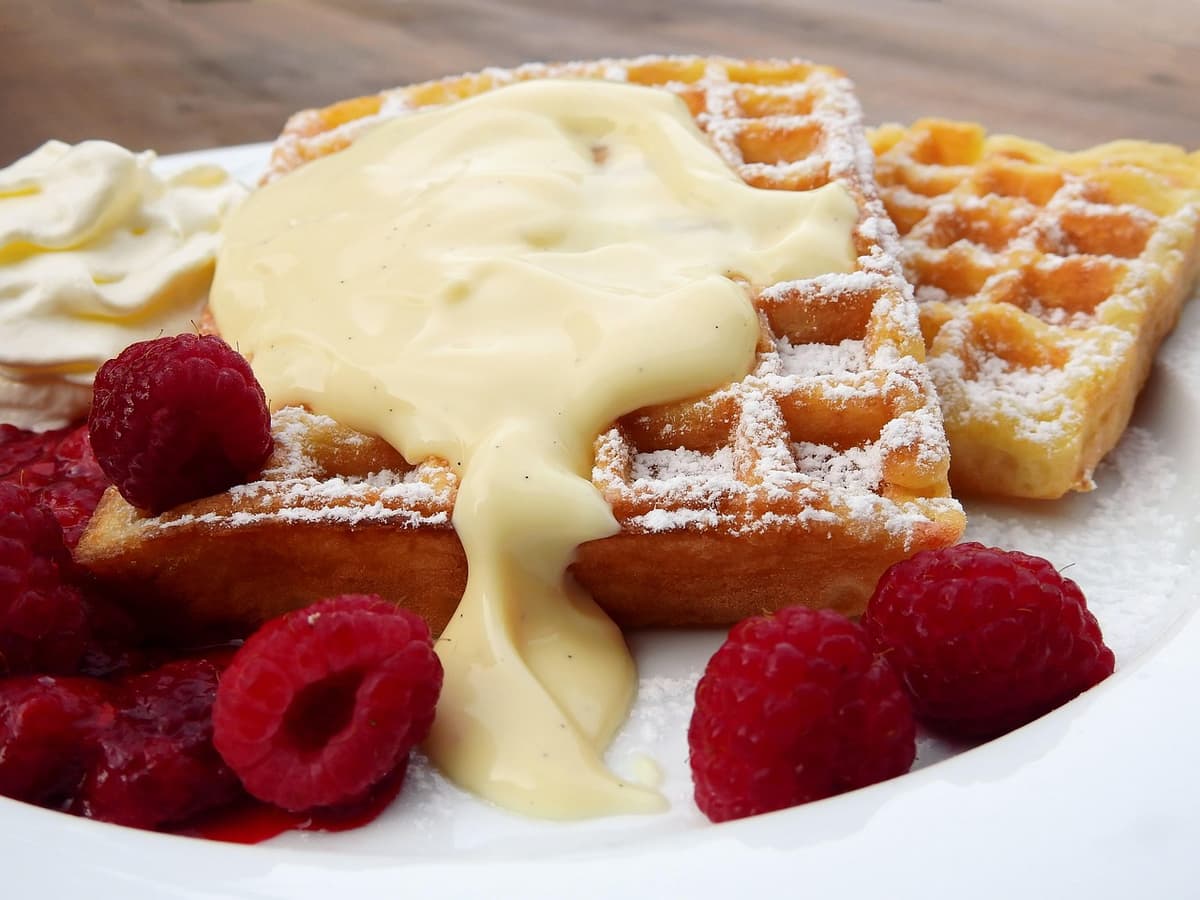
French · 35 min · 130 kcal · Contains egg
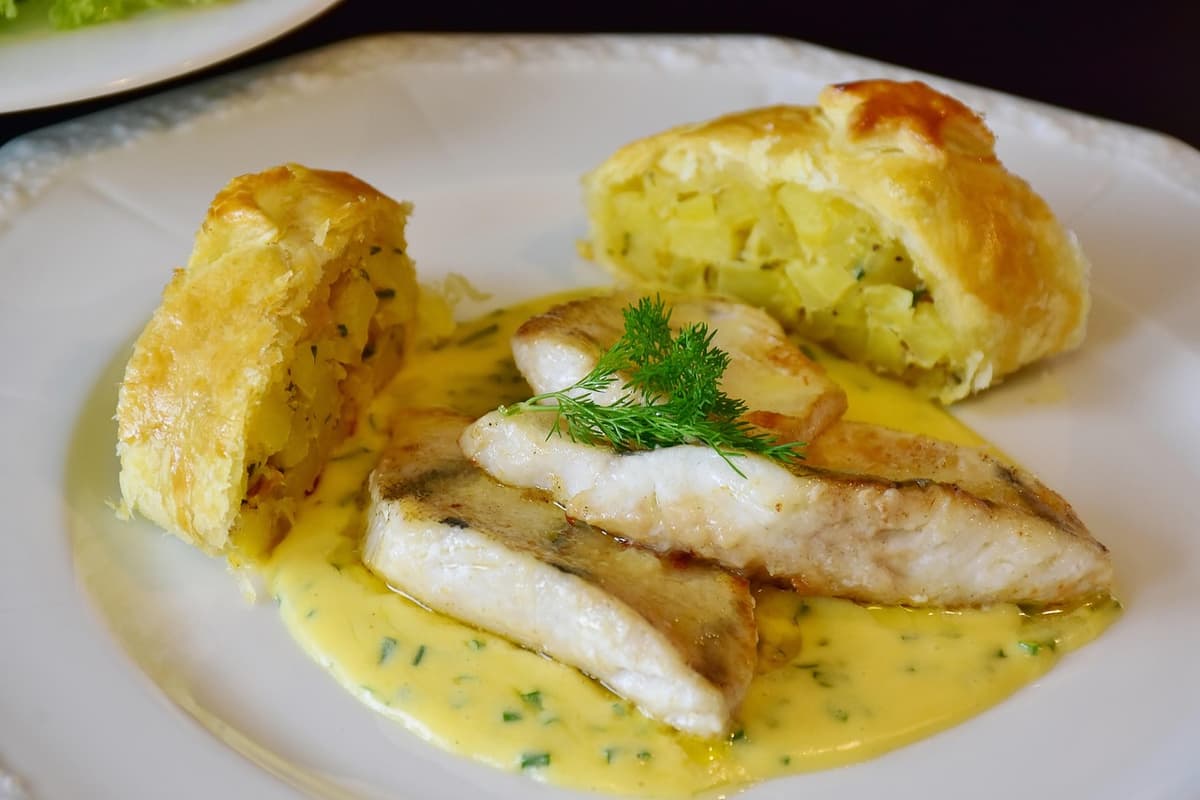
French · 15 min · 237 kcal · Contains egg
French · 12 min · 143 kcal · Contains egg
Egg dishes from every corner of the world. · 2 recipes
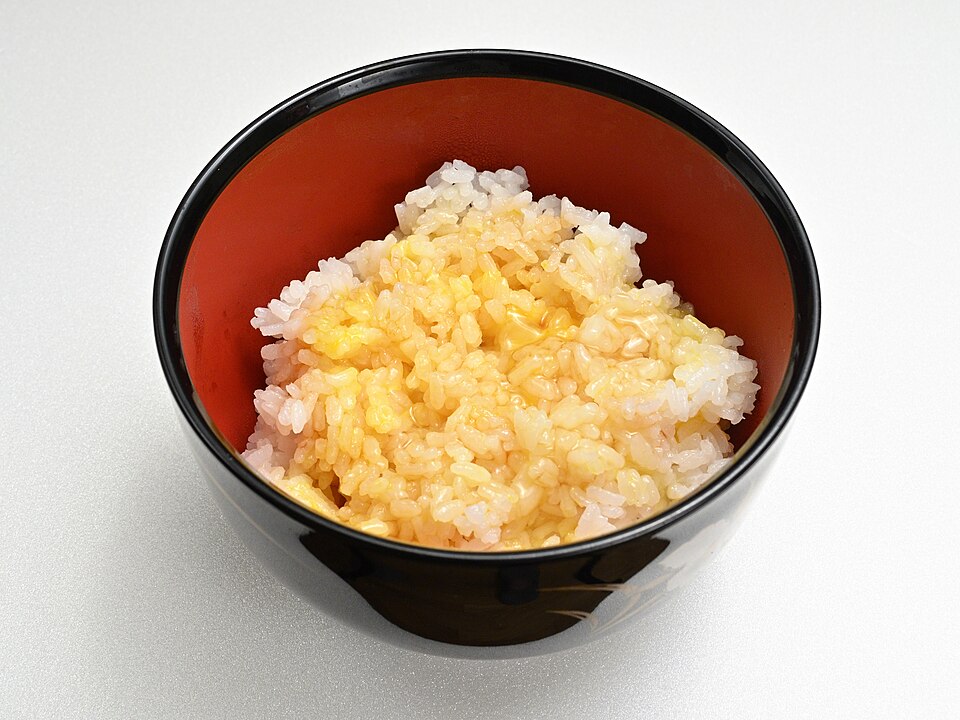
Japanese · 32 min · 343 kcal
Indian · 55 min · 334 kcal · Contains egg
All collections · Diet labels are worked out from each recipe’s ingredients and calculated nutrition; always check labels if you have an allergy.