
Juju dhau
Vegetarian
जुजु धौ · juju dhau
Bhaktapur's 'king of curds': milk slowly reduced and sweetened, then set into a thick, creamy, caramel-tinged yoghurt — traditionally in unglazed clay pots that wick away moisture.
Juju dhau is a Nepalese dessert, ready in about 10 hours 50 minutes and made with milk, sugar and yogurt. It serves 6 and is rated easy to cook.
No licensed photograph of this dish yet.
- Prep
- 5 min
- Cook
- 45 min
- Rest
- 10 h
- Total
- 10 h 50 min
- Serves
- 6
- Level
- Easy
- Calories
- 199
Includes about 8 hours to set and 2 hours to chill.
Method
Step 1
Simmer the milk (opens in a new tab) in a wide, heavy pan, stirring often and scraping in the skin, until reduced by about a third and lightly caramel-coloured.
- 40 min
- medium-low heat
- Saucepan (opens in a new tab)
Step 2
Stir in the sugar (opens in a new tab) until dissolved. Cool to about 43 °C — warm to the touch but not hot.
Step 3
Whisk the yoghurt (opens in a new tab) with a little of the warm milk (opens in a new tab), then stir it into the rest. Pour into clay pots or bowls, cover and keep somewhere warm and undisturbed until set.
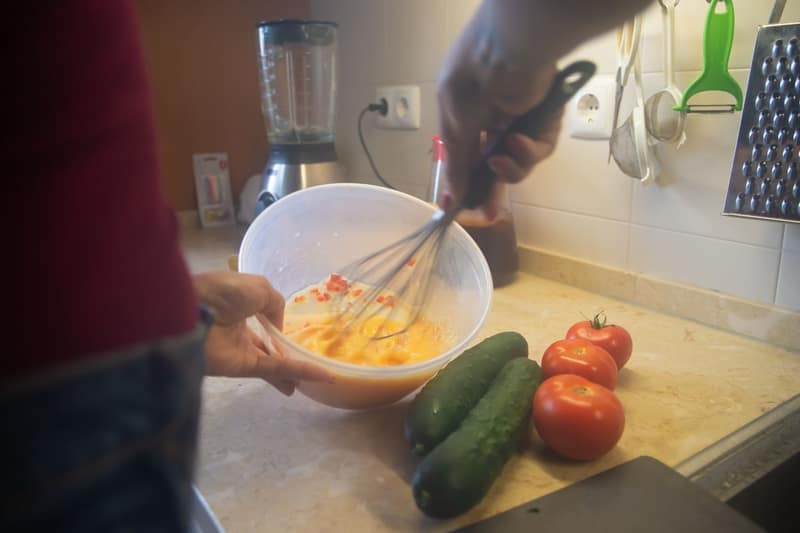
How it looks · Photo: Kampus Production on Pexels
About this dish
- Origin
- Bhaktapur, Kathmandu Valley, Nepal · Commonly attributedA Newar speciality of Bhaktapur.More food from Nepal
- Dish
- Dessert · Snack · Desserts
- Cooking method
- Simmered, Fermented
- Taste
- creamy, sweet, sour, mild
- Diet
- Vegetarian (lacto-ovo) · No gluten ingredients · No nut ingredientsWorked out from the ingredients. How labels work
All labels
Vegetarian (lacto-ovo) · Eggetarian · Lacto-vegetarian · Pescatarian · Flexitarian-friendly · No gluten ingredients · Egg-free · No nut ingredients · Alcohol-free · Pork-free · Beef-free · Low-sodium - Good for
- Make-ahead
- Techniques
- Simmering · Reduction · Fermentation
Allergens
- Contains: Milkfrom milk, yogurt
Based on typical versions of these ingredients and not verified allergen-free. Brands differ and cross-contact happens, so always check labels. For severe allergies, follow your clinician’s advice.
Nutrition
199 kcal per serving
Calculated1 serving ≈ 273 g · recipe makes 6
Where the energy comes from
- Protein 17%
- Carbohydrate 45%
- Fat 38%
| Nutrient | Per serving | Per 100 g* |
|---|---|---|
| Energy | 199 kcal | 73 kcal |
| Protein | 8.3 g | 3 g |
| Carbohydrate | 22.6 g | 8.3 g |
| Net carbohydrate | 22.6 g | 8.3 g |
| Sugars | 23.2 g | 8.5 g |
| Added sugars | 10 g | 3.7 g |
| Fibre | 0 g | 0 g |
| Fat | 8.5 g | 3.1 g |
| Saturated fat | 4.9 g | 1.8 g |
| Trans fat | — | — |
| Cholesterol | 26 mg | 10 mg |
| Sodium | 113 mg | 42 mg |
| Salt equivalent | 0.3 g | 0.1 g |
Vitamins & minerals per serving
- Potassium
- 348 mg
- Calcium
- 297 mg
- Iron
- 0.1 mg
- Magnesium
- 26 mg
- Vitamin A (RAE)
- 120 µg
- Vitamin C
- 0 mg
- Vitamin D
- 3.4 µg
- Vitamin B12
- 1.2 µg
- Folate (DFE)
- 13 µg
How these numbers were made
- Calculated from USDA FoodData Central (SR Legacy) per-100 g values and the listed quantities.
- *Per 100 g of combined raw ingredients; the cooked dish may weigh more or less.
- “—” means the value isn’t known for enough of the ingredients; it is never zero by default.
- Values are estimates for guidance, not for medical dosing. U.S. Department of Agriculture, Agricultural Research Service. FoodData Central, 2019. fdc.nal.usda.gov.
Good to know
Tips
- Unglazed terracotta pots absorb whey and give the dense, scoopable texture; if using glass, drain off any whey before chilling.
Common mistakes
- Adding the starter to milk that is too hot kills the cultures and the yoghurt won't set.
Serve with
- Eat on its own as a dessert, or alongside beaten rice (chiura) at a Newari feast.
Food safety
- Use pasteurised milk and clean pots; keep the setting yoghurt warm (40–45 °C) and refrigerate as soon as it has set.
- Discard yoghurt that smells off or shows mould.
Storage
- Refrigerate for up to 5 days.
Original editorial recipe · FriendsPantry editorial · Not yet independently reviewed · Added · Updated
Recipe DNA
How this dish is built
Reviews & corrections
Reviews come from signed-in cooks and appear after a moderator checks them. We never show made-up ratings.
You might also like
Sel roti
 Nepalese · 2 h 45 min · 438 kcal · Vegetarian
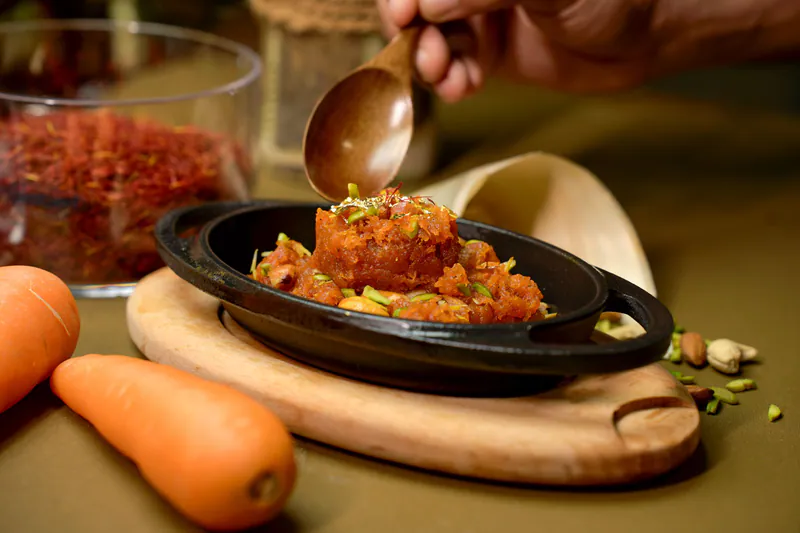
Gajar ka halwa
 Punjabi · 1 h 35 min · 396 kcal · Vegetarian
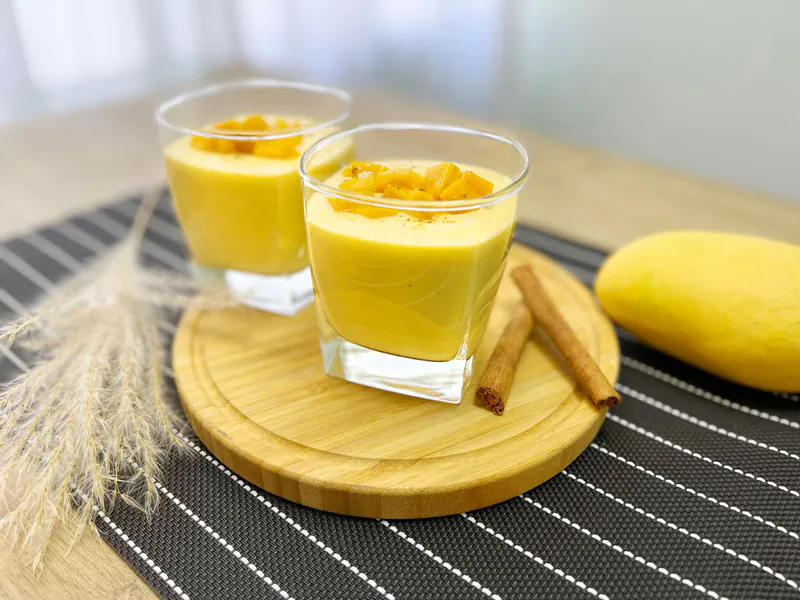
Mango lassi
Punjabi · 8 min · 225 kcal · Vegetarian
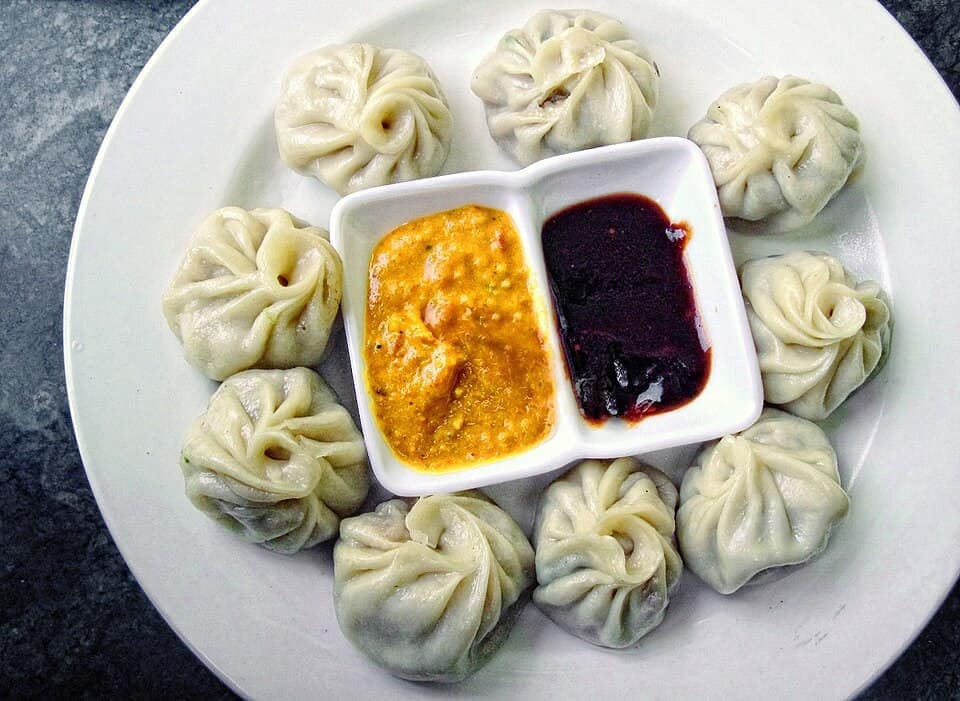
Chicken momo
Nepalese · 2 h · 518 kcal