
Bhapa pitha
Vegetarian
ভাপা পিঠা · bhapa pitha
A winter street sweet from Bangladesh: crumbly rice flour layered with date-palm jaggery and fresh coconut, steamed in a cloth over a pot until soft.
Bhapa pitha is a Bangladeshi sweet, ready in about 1 hour and made with rice flour, jaggery / palm sugar and coconut. It serves 6 and is rated intermediate to cook.
No licensed photograph of this dish yet.
- Prep
- 20 min
- Cook
- 30 min
- Rest
- 10 min
- Total
- 1 h
- Serves
- 6
- Level
- Intermediate
- Calories
- 288
Method
Step 1
Mix the rice flour (opens in a new tab) and salt, then sprinkle over the water little by little, rubbing with your fingers until the flour is damp and holds together when squeezed but still crumbles. Sieve it for fluffy pitha and rest covered.
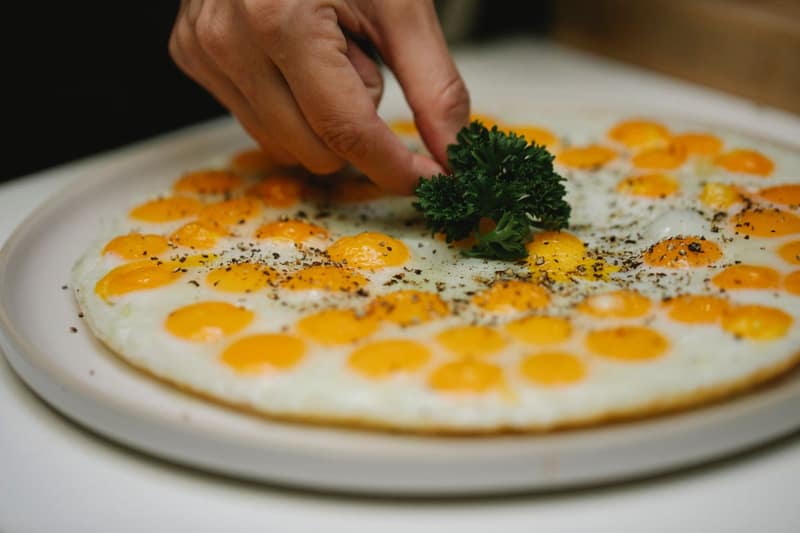
How it looks · Photo: Klaus Nielsen on Pexels Step 2
Bring a saucepan (opens in a new tab) of water to a steady boil and cover the top with a lid that has a hole in the centre, or stretch a damp cloth over it.
- 5 min
- high heat
- Saucepan (opens in a new tab)
Step 3
Loosely fill a small bowl halfway with flour, add a spoonful of jaggery and coconut (opens in a new tab), then cover with more flour without pressing. Wrap the bowl in a damp muslin and invert the pitha onto the steam hole, then remove the bowl.
- 2 min
- high heat
Step 4
Cover with the cloth corners and steam until set and the jaggery melts. Repeat with the rest.
- 3 min
- high heat
Food safety: Use a cloth to lift the pitha — escaping steam burns.
About this dish
- Origin
- Bangladesh · Commonly attributedA traditional winter pitha of rural Bangladesh, also made in West Bengal.Also popular in IndiaMore food from Bangladesh
- Dish
- Breakfast · Snack · Sweets & confectionery · Desserts
- Cooking method
- Steamed
- Taste
- sweet, nutty, mild
- Diet
- Vegan · No gluten ingredients · Dairy-free · No nut ingredientsWorked out from the ingredients. How labels work
All labels
Vegan · Plant-based · Vegetarian (lacto-ovo) · Eggetarian · Lacto-vegetarian · Ovo-vegetarian · Pescatarian · Flexitarian-friendly · No gluten ingredients · Dairy-free · Egg-free · No nut ingredients · Alcohol-free · Pork-free · Beef-free · Low-sodium - Good for
- Street food · Budget-friendly
- Cook more with
- Rice flour · Jaggery / palm sugar · Coconut
- Techniques
- Steaming
Allergens
None of the 14 major allergens appear in the listed ingredients.
Based on typical versions of these ingredients and not verified allergen-free. Brands differ and cross-contact happens, so always check labels. For severe allergies, follow your clinician’s advice.
Nutrition
288 kcal per serving
Estimated1 serving ≈ 97 g · recipe makes 6
Where the energy comes from
- Protein 4%
- Carbohydrate 76%
- Fat 19%
| Nutrient | Per serving | Per 100 g* |
|---|---|---|
| Energy | 288 kcal | 297 kcal |
| Protein | 3.1 g | 3.2 g |
| Carbohydrate | 55.5 g | 57.3 g |
| Net carbohydrate | 53 g | 54.7 g |
| Sugars | 20.5 g | 21.1 g |
| Added sugars | 19.4 g | 20 g |
| Fibre | 2.5 g | 2.6 g |
| Fat | 6.2 g | 6.4 g |
| Saturated fat | 5.1 g | 5.3 g |
| Trans fat | — | — |
| Cholesterol | 0 mg | 0 mg |
| Sodium | 106 mg | 110 mg |
| Salt equivalent | 0.3 g | 0.3 g |
Vitamins & minerals per serving
- Potassium
- 118 mg
- Calcium
- 25 mg
- Iron
- 0.7 mg
- Magnesium
- 22 mg
- Vitamin A (RAE)
- 0 µg
- Vitamin C
- 1 mg
- Vitamin D
- 0 µg
- Vitamin B12
- 0 µg
- Folate (DFE)
- 6 µg
How these numbers were made
- Calculated from USDA FoodData Central (SR Legacy) per-100 g values and the listed quantities.
- *Per 100 g of combined raw ingredients; the cooked dish may weigh more or less.
- Jaggery / palm sugar: Brown sugar (FDC 168833) used as a stand-in for unrefined cane jaggery and palm sugar.
- “—” means the value isn’t known for enough of the ingredients; it is never zero by default.
- Values are estimates for guidance, not for medical dosing. U.S. Department of Agriculture, Agricultural Research Service. FoodData Central, 2019. fdc.nal.usda.gov.
Good to know
Tips
- The flour should be just damp — too wet and the pitha turns dense and gummy.
Common mistakes
- Pressing the flour into the bowl — it steams dense and hard. Keep it loose.
Serve with
- Eat warm on a winter morning, with tea.
Storage
- Best eaten within a few hours.
Original editorial recipe · FriendsPantry editorial · Not yet independently reviewed · Added · Updated
Recipe DNA
How this dish is built
Grouped by each ingredient’s role in the dish. Each band’s width is its share of the dish by weight. Choose a component to see what it does.
Baker’s notes
Customise in Bread & BakeryTimeline and readiness cues
Mix and knead · about 20 min
Knead until smooth and soft; it should feel like an earlobe.
Rest · about 10 min
Covered so it doesn't dry out; relaxed dough rolls and shapes without springing back.
Bake · about 30 min
Puffed with golden-brown spots on both sides.
- Start to finish: about 1 h. Times are a guide — warmth changes everything; follow the cues.
If something goes wrong
Pale crust
Likely causes
- Oven too cool
- Too little sugar or no milk/egg for browning
- Over-fermented (yeast ate the sugars)
What to do
- Check the oven with a thermometer
- Brush with egg wash or milk
- Shorten the fermentation
Burnt bottom
Likely causes
- Tray too close to the heat
- Dark tray absorbs more heat
- Too much sugar in the dough
What to do
- Bake on the middle shelf
- Double up trays or use a light-coloured one
- Lower the temperature 10–15 °C and bake a little longer
Reviews & corrections
Reviews come from signed-in cooks and appear after a moderator checks them. We never show made-up ratings.
You might also like
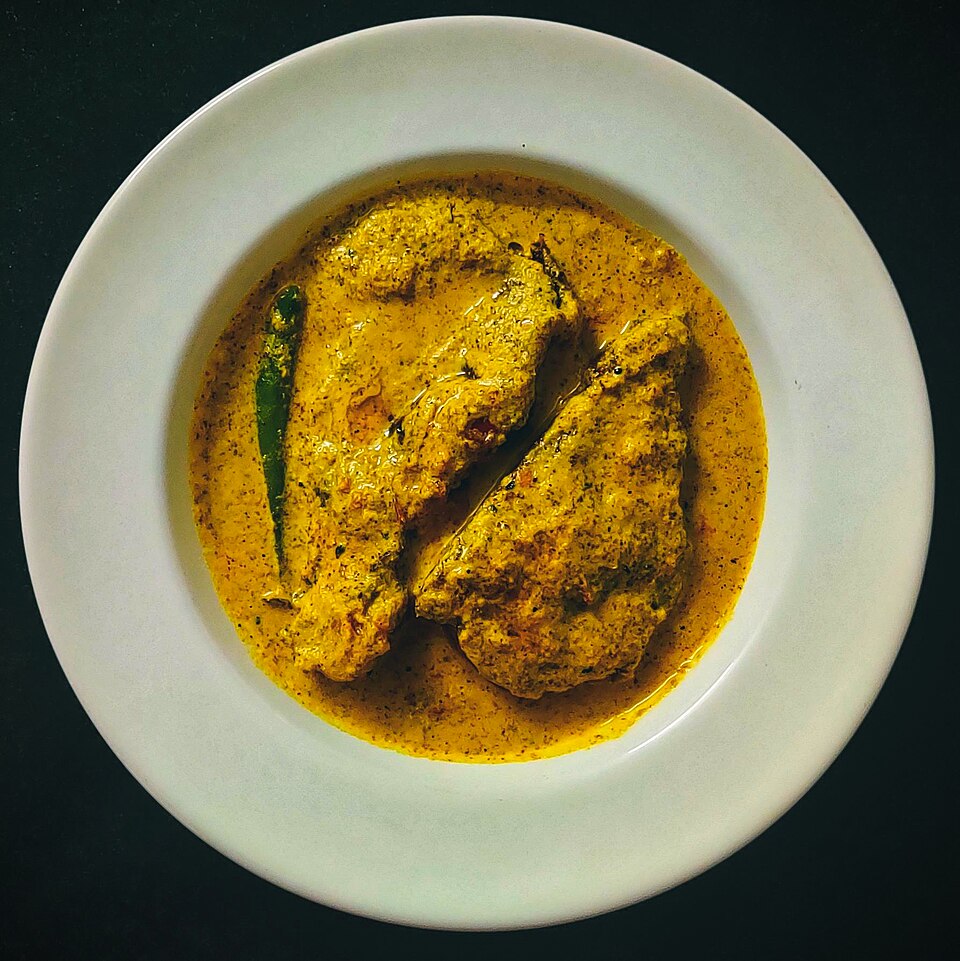
Shorshe maach
 Bangladeshi · 45 min · 456 kcal
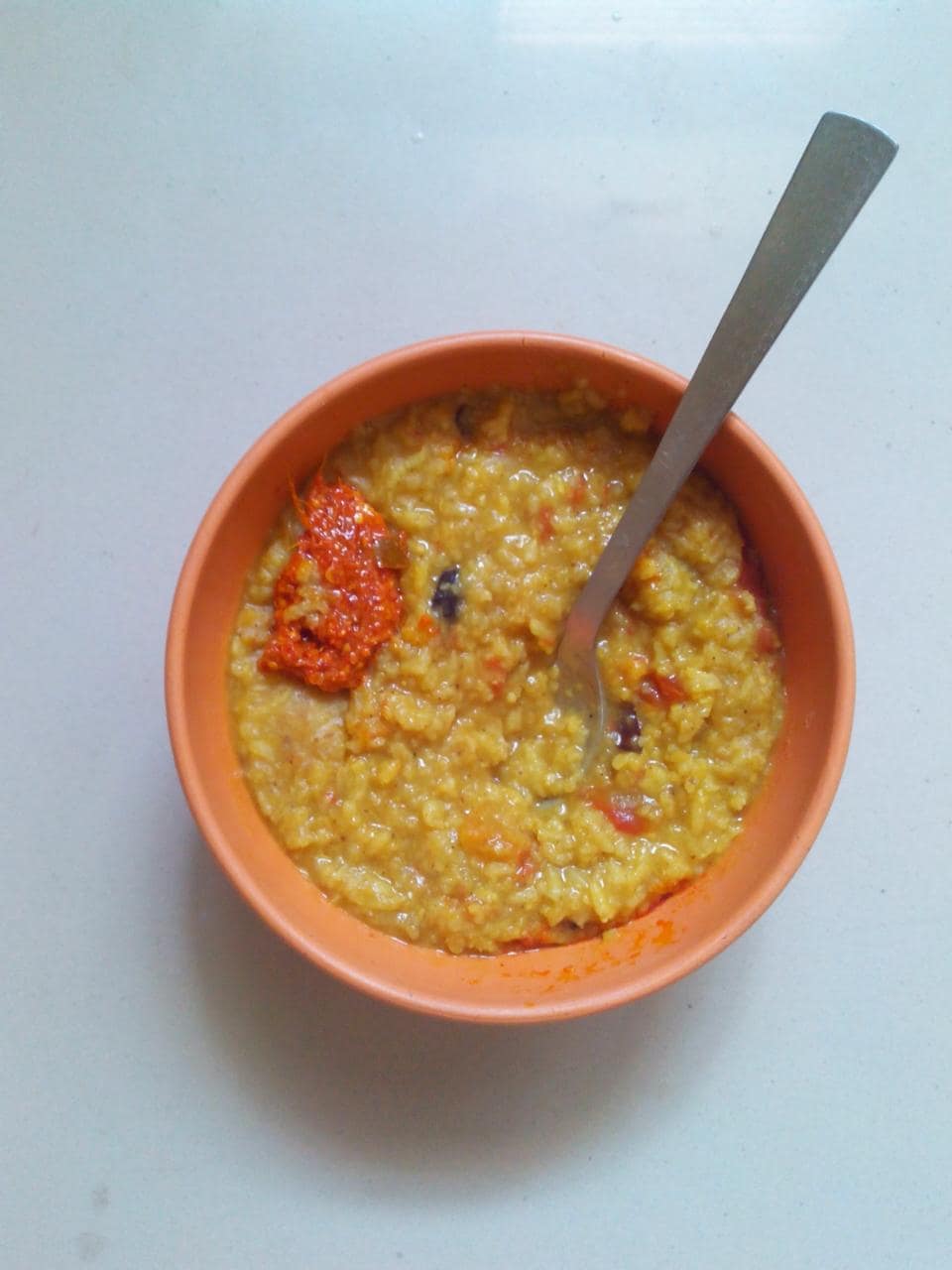
Bhuna khichuri
Bangladeshi · 1 h 5 min · 498 kcal · Vegetarian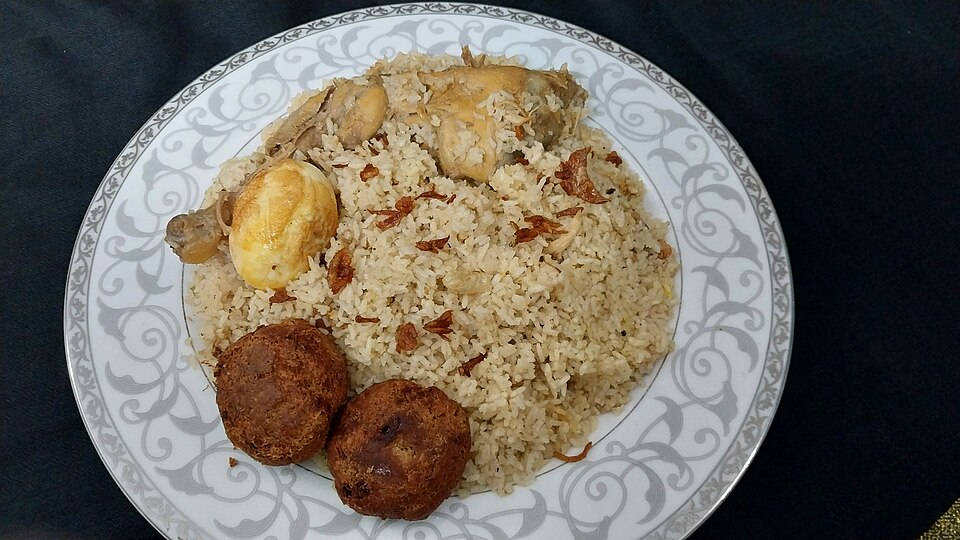
Morog polao
Bangladeshi · 1 h 55 min · 833 kcal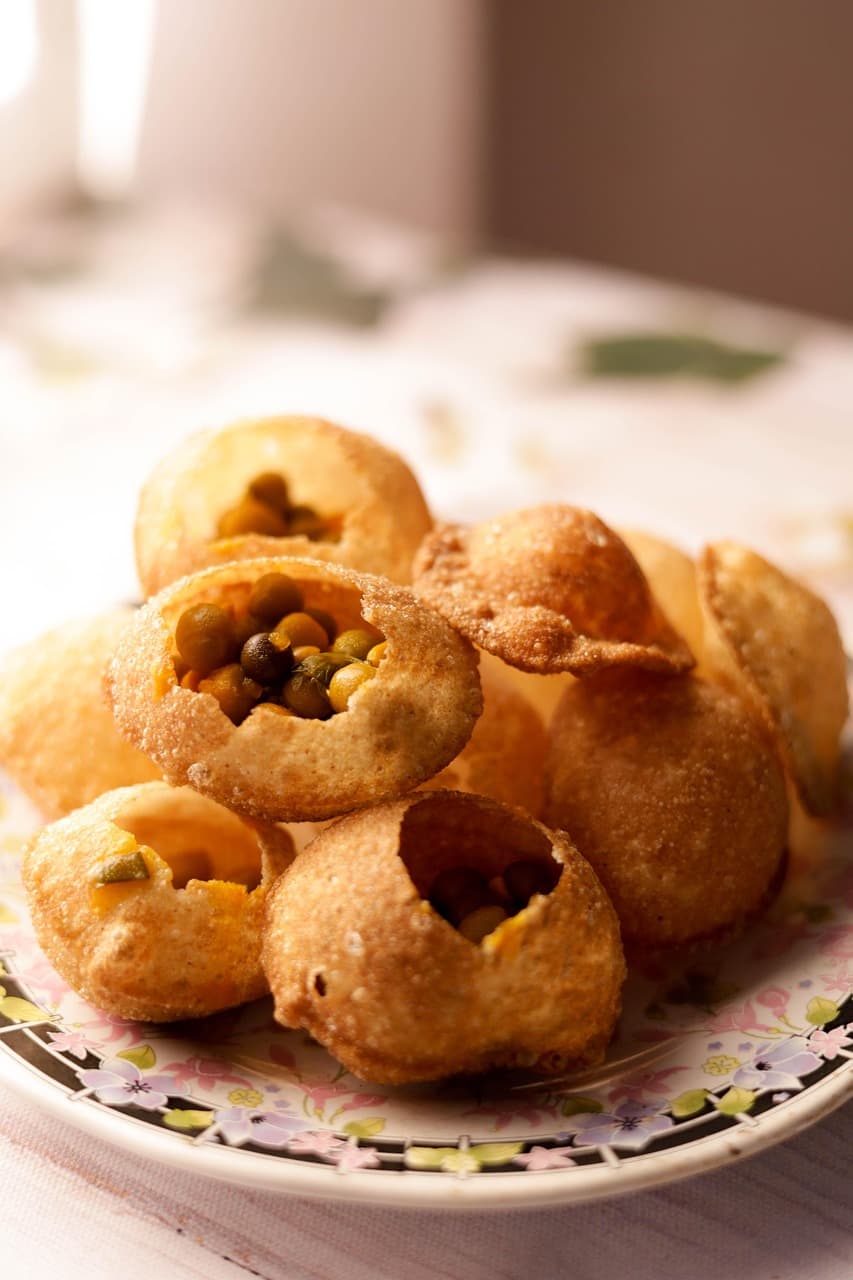
Fuchka
Bangladeshi · 2 h 10 min · 401 kcal · Vegetarian