
Swedish gingerbread biscuits (pepparkakor)
Vegetarian
Pepparkakor
Wafer-thin, snappy Swedish Christmas biscuits spiced with ginger, cinnamon, cloves and cardamom, made from a syrup dough that rests overnight before rolling.
Swedish gingerbread biscuits (pepparkakor) is a Swedish sweet from Sweden, ready in about 13 hours 45 minutes and made with golden syrup and ground ginger. It serves 80 and is rated easy to cook.
No licensed photograph of this dish yet.
- Prep
- 45 min
- Cook
- 30 min
- Rest
- 30 min
- Total
- 13 h 45 min
- Serves
- 80
- Level
- Easy
- Calories
- 45
Includes resting the dough in the fridge overnight (about 12 hours).
Method
Step 1
Gently heat the butter, sugar (opens in a new tab), syrup and spices in a saucepan (opens in a new tab), stirring, until the butter melts and the sugar dissolves. Take off the heat, stir in the water and leave to cool to lukewarm.
- 8 min
- medium-low heat
- Saucepan (opens in a new tab)
Step 2
Mix the flour with the bicarbonate of soda (opens in a new tab), then stir in the syrup mixture to make a soft, smooth dough. Wrap and refrigerate overnight — it firms up and the flavour deepens.
Step 3
Heat the oven (opens in a new tab) to 200 °C (fan 180 °C). Working with a quarter of the dough at a time, roll it out on a floured surface as thin as possible — about 2 mm — and cut out hearts, stars, pigs or gingerbread people.
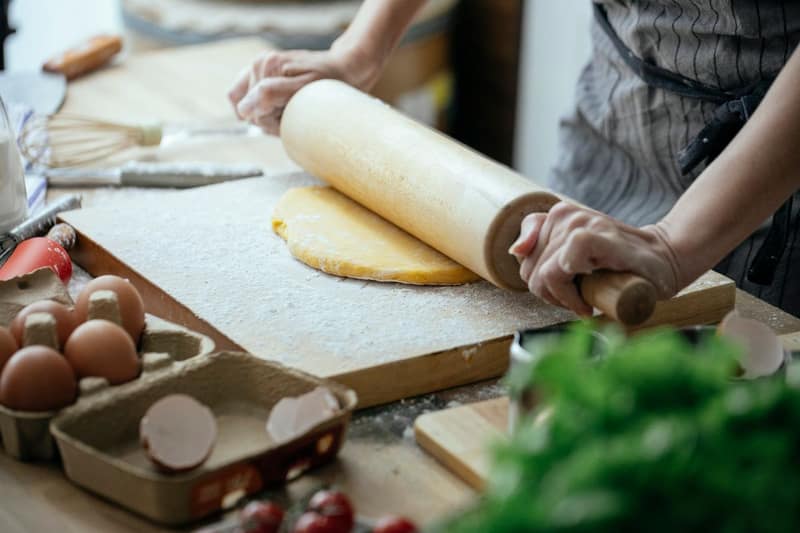
How it looks · Photo: Katerina Holmes on Pexels Step 4
Bake on lined trays for 5–6 minutes until a shade darker and fragrant. They burn quickly, so watch the last minute.
- 30 min
- 200°C · fan 180 °C
- Oven (opens in a new tab)
- Baking tray / sheet (opens in a new tab)
Step 5
Cool on the tray for a minute (they're soft while hot), then on a rack until crisp. Decorate with piped icing if you like.
About this dish
- Origin
- Sweden · Well documentedThin spiced ginger biscuits are made all over Scandinavia and northern Europe at Christmas.Also popular in Norway, Finland, DenmarkMore food from Sweden
- Dish
- Snack · Sweets & confectionery
- Cooking method
- Oven-baked
- Taste
- aromatic / warmly spiced, sweet, peppery
- Diet
- Vegetarian (lacto-ovo) · No nut ingredients · Low-carbWith the listed swaps: Vegan, Plant-based, Ovo-vegetarian, Dairy-freeWorked out from the ingredients. How labels work
All labels
Vegetarian (lacto-ovo) · Eggetarian · Lacto-vegetarian · Pescatarian · Flexitarian-friendly · Egg-free · No nut ingredients · Alcohol-free · Pork-free · Beef-free · Low-carb - Good for
- Festive & celebration · Make-ahead · Child-friendly
- Cook more with
- Golden syrup · Ground ginger · Unsalted butter · Sugar · Cinnamon · Cloves
- Techniques
- Baking
Allergens
- Contains, can be adapted: Milkfrom unsalted butter
- Contains: Wheatfrom all-purpose flour
- Contains: Glutenfrom all-purpose flour
Based on typical versions of these ingredients and not verified allergen-free. Brands differ and cross-contact happens, so always check labels. For severe allergies, follow your clinician’s advice.
Nutrition
45 kcal per serving
Estimated1 serving ≈ 11 g · recipe makes 80
Where the energy comes from
- Protein 5%
- Carbohydrate 63%
- Fat 31%
| Nutrient | Per serving | Per 100 g |
|---|---|---|
| Energy | 45 kcal | 402 kcal |
| Protein | 0.6 g | 5.5 g |
| Carbohydrate | 7.3 g | 64.6 g |
| Net carbohydrate | 7 g | 62.4 g |
| Sugars | 2.8 g | 25 g |
| Added sugars | 2.9 g | 25.6 g |
| Fibre | 0.2 g | 2.1 g |
| Fat | 1.6 g | 14.1 g |
| Saturated fat | 1 g | 8.5 g |
| Trans fat | — | — |
| Cholesterol | 4 mg | 36 mg |
| Sodium | 17 mg | 154 mg |
| Salt equivalent | 0 g | 0.4 g |
Vitamins & minerals per serving
- Potassium
- 9 mg
- Calcium
- 3 mg
- Iron
- 0.3 mg
- Magnesium
- 2 mg
- Vitamin A (RAE)
- 13 µg
- Vitamin C
- 0 mg
- Vitamin D
- 0 µg
- Vitamin B12
- 0 µg
- Folate (DFE)
- 16 µg
How these numbers were made
- Calculated from USDA FoodData Central (SR Legacy) per-100 g values and the listed quantities.
- Optional ingredients are not included: icing sugar.
- Golden syrup: Cane syrup (FDC 167743) used as a stand-in for golden syrup (partially inverted refined cane-sugar syrup).
- “—” means the value isn’t known for enough of the ingredients; it is never zero by default.
- Values are estimates for guidance, not for medical dosing. U.S. Department of Agriculture, Agricultural Research Service. FoodData Central, 2019. fdc.nal.usda.gov.
Good to know
Tips
- Roll the dough between sheets of baking paper to get it really thin without extra flour.
Common mistakes
- Rolling thick — pepparkakor should be thin and snappy, not soft.
Serve with
- With glögg-style warm spiced juice, or with blue cheese as Swedes often do.
Storage
- Keeps 4 weeks in an airtight tin.
Variations
- Gingerbread house: Roll the dough 4 mm thick, cut walls and roof panels and bake 10–12 minutes until firm.
Original editorial recipe · FriendsPantry editorial · Not yet independently reviewed · Added · Updated
Recipe DNA
How this dish is built
Grouped by each ingredient’s role in the dish. Each band’s width is its share of the dish by weight. Choose a component to see what it does.
Baker’s notes
Customise in Bread & BakeryTimeline and readiness cues
Mix and knead · about 45 min
Mix only until no dry flour remains — overmixing makes it tough and tunnelled.
Rest · about 12 h
Covered so it doesn't dry out; relaxed dough rolls and shapes without springing back.
Bake · about 30 min at 200 °C
Risen and golden; a skewer in the centre comes out clean or with a few moist crumbs; the top springs back.
Cool · about 30 min
Cool on a rack before slicing — the crumb is still setting; cutting hot bread makes it gummy.
- Start to finish: about 13 h 45 min. Times are a guide — warmth changes everything; follow the cues.
If something goes wrong
Pale crust
Likely causes
- Oven too cool
- Too little sugar or no milk/egg for browning
- Over-fermented (yeast ate the sugars)
What to do
- Check the oven with a thermometer
- Brush with egg wash or milk
- Shorten the fermentation
Burnt bottom
Likely causes
- Tray too close to the heat
- Dark tray absorbs more heat
- Too much sugar in the dough
What to do
- Bake on the middle shelf
- Double up trays or use a light-coloured one
- Lower the temperature 10–15 °C and bake a little longer
Cracked or domed top
Likely causes
- Oven too hot (crust sets before the centre rises)
- Too much leavening
- Overmixed batter
What to do
- Lower the oven 10–15 °C
- Use the exact leavening amount
- Fold just until combined
Dry or crumbly
Likely causes
- Too much flour (scooped, not weighed)
- Over-baked
- Too little fat or sugar
What to do
- Weigh flour, or spoon it into the cup and level
- Check 5 minutes early
- Don't cut fat or sugar by more than a quarter without another moisture source
Reviews & corrections
Reviews come from signed-in cooks and appear after a moderator checks them. We never show made-up ratings.
You might also like
Scottish shortbread
 British · 1 h 45 min · 204 kcal · Vegetarian
Swedish rye crispbread (knäckebröd)
 Swedish · 2 h 10 min · 134 kcal · Vegan
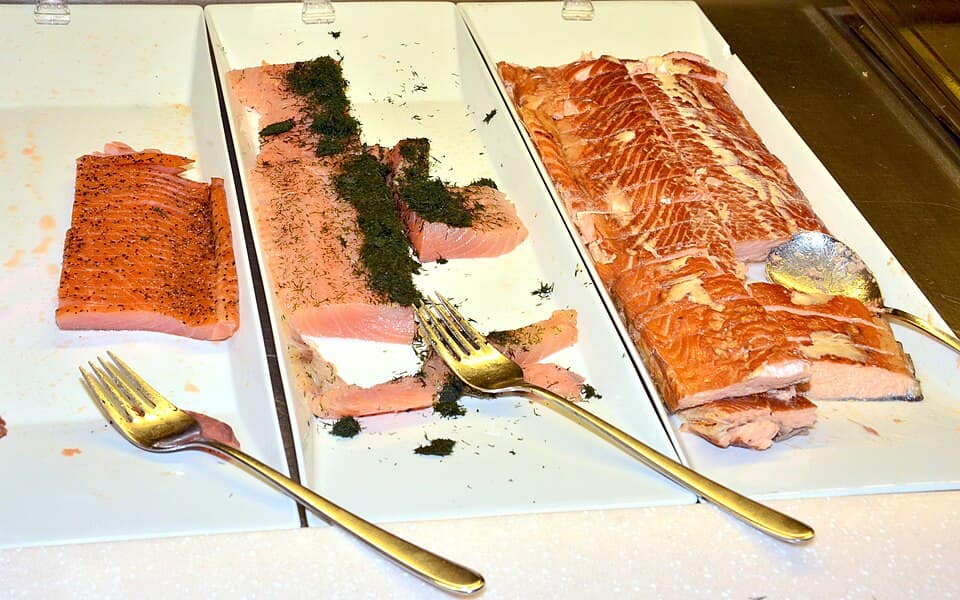
Gravlax with mustard-dill sauce
Scandinavian · 48 h 20 min · 284 kcal
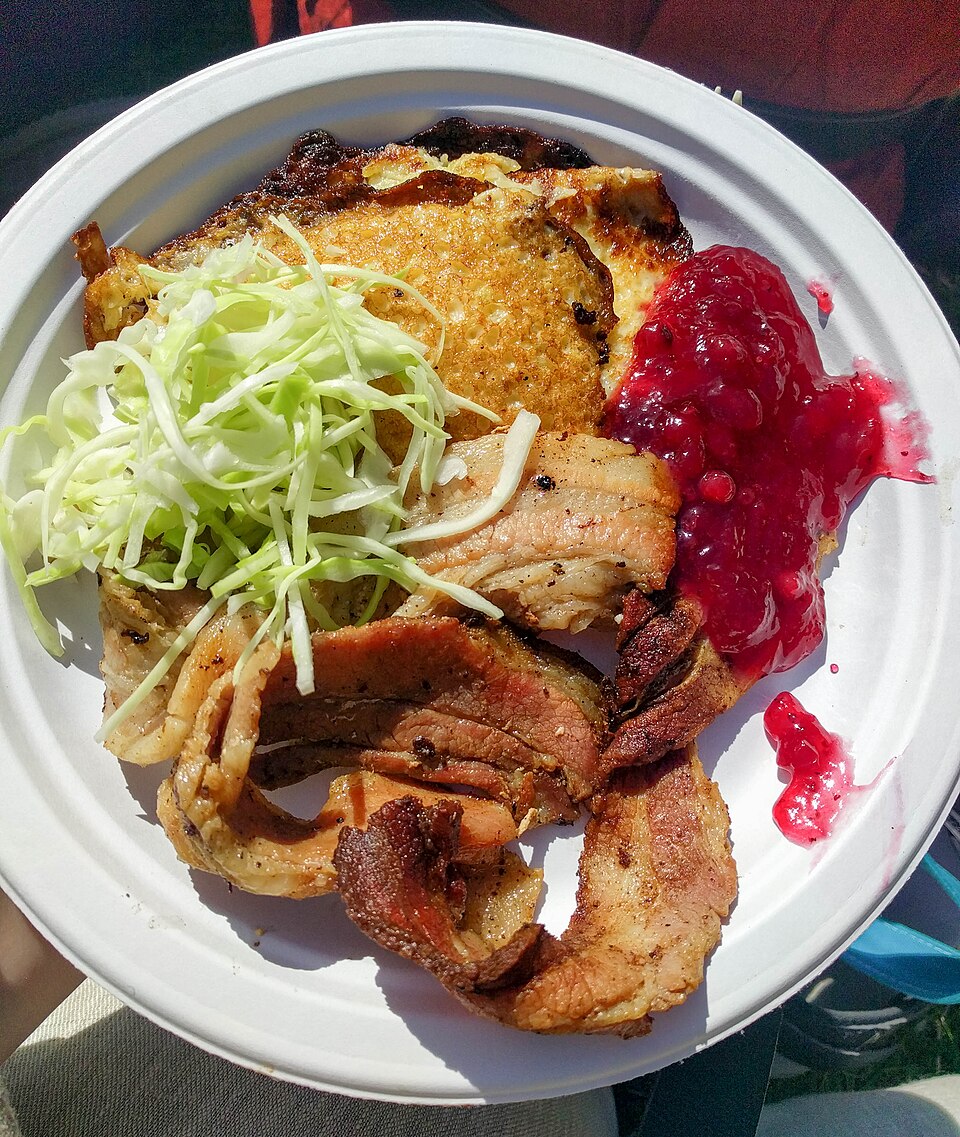
Raggmunk med fläsk
Swedish · 50 min · 698 kcal