
Shrimp and vegetable tempura
Non-vegetarian
天ぷら · tenpura
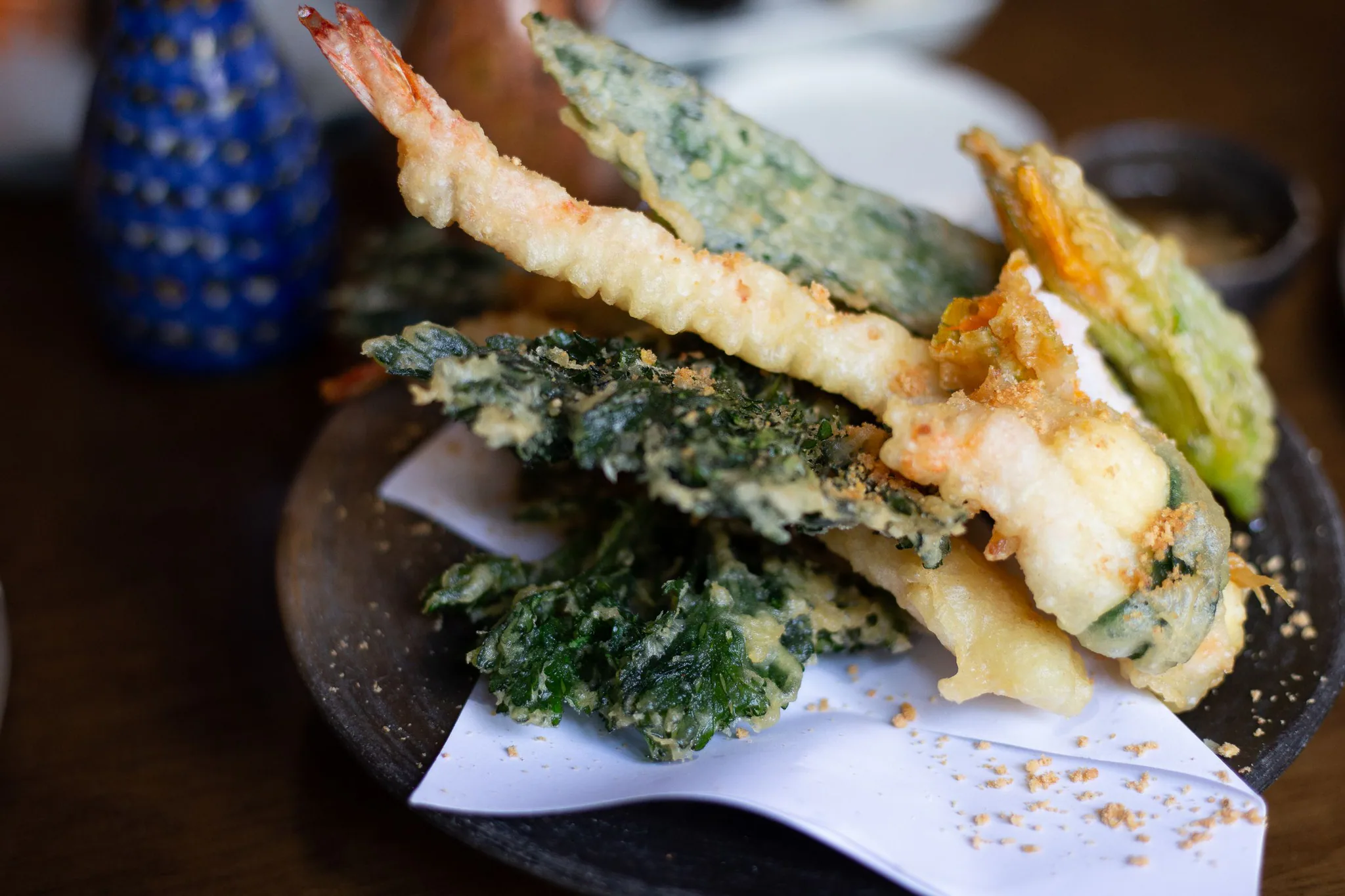
Shrimp and seasonal vegetables dipped in an ice-cold, barely mixed batter and fried until light and lacy, served with a dashi dipping sauce.
Shrimp and vegetable tempura is a Japanese main course, ready in about 45 minutes and made with prawns / shrimp and all-purpose flour. It serves 3 and is rated advanced to cook.
- Prep
- 25 min
- Cook
- 20 min
- Total
- 45 min
- Serves
- 3
- Level
- Advanced
- Calories
- 514
Ingredients
For the batter
For the dipping sauce
Method
Step 1
Simmer the dashi (opens in a new tab), soy sauce (opens in a new tab) and mirin (opens in a new tab) together for 1 minute for the dipping sauce; keep warm.
- 3 min
- medium heat
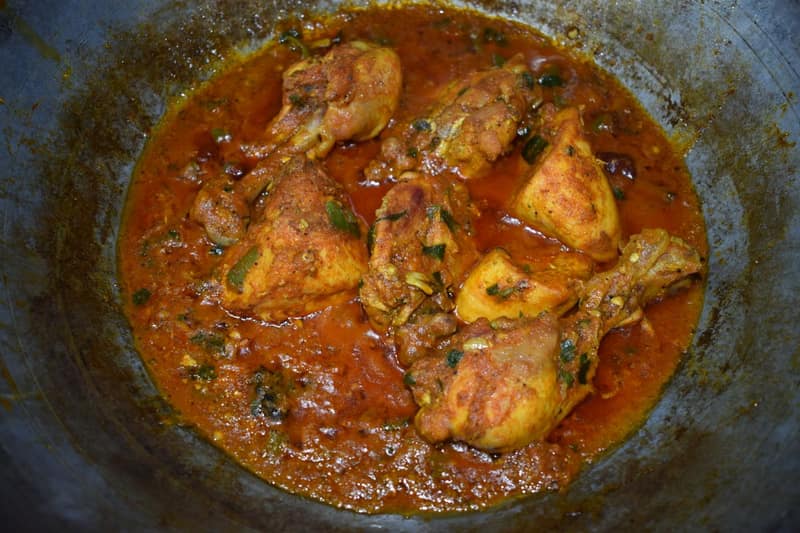
How it looks · Photo: Bachir Mamud on Pexels Step 2
Pat the shrimp (opens in a new tab) and vegetables completely dry. Heat the oil to 175 °C.
Step 3
Just before frying, beat the egg (opens in a new tab) into the ice-cold water, then add the flour and stir only a few strokes with chopsticks — lumps are fine.
- 1 min
Overmixing develops gluten and makes the coating heavy.
Step 4
Dust each piece lightly in a little extra flour, dip in batter and fry a few at a time until pale golden and crisp: vegetables 2–3 minutes, shrimp (opens in a new tab) about 2 minutes.
- 12 min
- 175°C
Food safety: Shrimp are done when opaque and pink. Never leave hot oil unattended, keep the pan no more than a third full and lower food in away from you. Keep a lid nearby to smother any flare-up — never use water.
Step 5
Drain on a rack and serve immediately with the warm dipping sauce, grated daikon (opens in a new tab) and ginger.
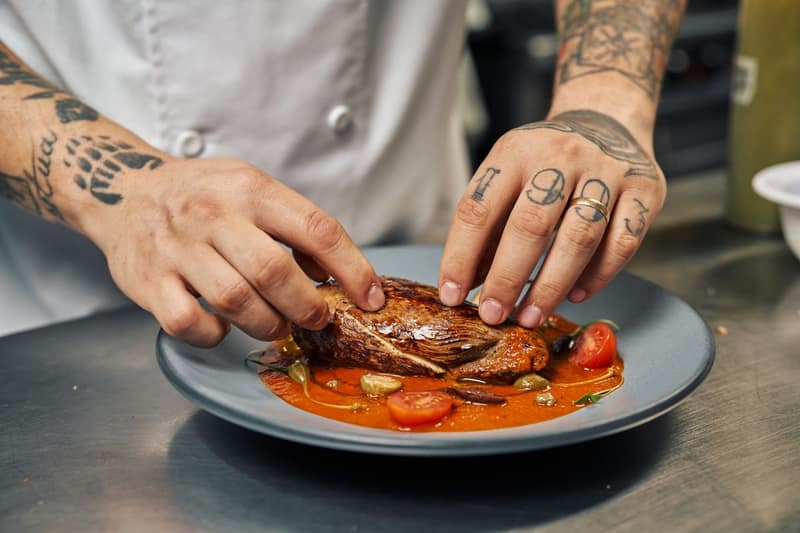
How it looks · Photo: Willians Huerta on Pexels
About this dish
- Origin
- Japan · Commonly attributedBatter-frying is widely credited to Portuguese influence in the 16th century; tempura as known today developed in Japan.More food from Japan
- Dish
- Lunch · Dinner · Main courses · Appetizers & starters
- Cooking method
- Deep-fried
- Taste
- savoury, umami, mild
- Diet
- Pescatarian · Dairy-free · No nut ingredientsWorked out from the ingredients. How labels work
All labels
Pescatarian · Non-vegetarian · Flexitarian-friendly · Dairy-free · No nut ingredients · Pork-free · Beef-free - Good for
- Festive & celebration
- Cook more with
- Prawns / shrimp · All-purpose flour · Sweet potato · Eggplant · Shiitake mushrooms · Egg
- Techniques
- Deep-frying · Simmering
Allergens
- Contains: Eggsfrom egg
- Contains, can be adapted: Fishfrom dashi
- Contains: Crustaceansfrom prawns / shrimp
- Contains: Wheatfrom all-purpose flour, soy sauce
- Contains: Glutenfrom all-purpose flour, soy sauce
- Contains: Soyfrom soy sauce
Based on typical versions of these ingredients and not verified allergen-free. Brands differ and cross-contact happens, so always check labels. For severe allergies, follow your clinician’s advice.
Nutrition
514 kcal per serving
Estimated1 serving ≈ 401 g · recipe makes 3
Where the energy comes from
- Protein 15%
- Carbohydrate 32%
- Fat 53%
| Nutrient | Per serving | Per 100 g* |
|---|---|---|
| Energy | 514 kcal | 128 kcal |
| Protein | 18.3 g | 4.6 g |
| Carbohydrate | 40.6 g | 10.1 g |
| Net carbohydrate | — | — |
| Sugars | — | — |
| Added sugars | — | — |
| Fibre | — | — |
| Fat | 29.7 g | 7.4 g |
| Saturated fat | — | — |
| Trans fat | — | — |
| Cholesterol | — | — |
| Sodium | 1139 mg | 284 mg |
| Salt equivalent | 2.8 g | 0.7 g |
Vitamins & minerals per serving
- Potassium
- 676 mg
- Calcium
- 73 mg
- Iron
- 2.8 mg
- Magnesium
- 66 mg
- Vitamin A (RAE)
- —
- Vitamin C
- —
- Vitamin D
- —
- Vitamin B12
- —
- Folate (DFE)
- —
How these numbers were made
- Calculated from USDA FoodData Central (SR Legacy) per-100 g values and the listed quantities.
- *Per 100 g of combined raw ingredients; the cooked dish may weigh more or less.
- Optional ingredients are not included: daikon, fresh ginger.
- Dashi: Home-prepared fish stock (FDC 172885) used as a stand-in for katsuobushi-kombu dashi; both are very low in energy.
- Mirin: Sake (FDC 167723) used as a stand-in; true mirin is sweeter, so sugar is underestimated.
- “—” means the value isn’t known for enough of the ingredients; it is never zero by default.
- Values are estimates for guidance, not for medical dosing. U.S. Department of Agriculture, Agricultural Research Service. FoodData Central, 2019. fdc.nal.usda.gov.
Good to know
Tips
- Keep the batter cold — set the bowl over ice if frying in many batches.
- Skim stray bits of batter from the oil between batches.
Common mistakes
- Making the batter ahead; it must be mixed at the last moment.
Serve with
- Serve with rice, or over soba or udon in broth.
Storage
- Best eaten immediately.
Reheating
- Re-crisp leftovers in a 200 °C oven for 5 minutes.
Variations
- Kakiage: Shredded vegetables and small shrimp bound in batter and fried as fritters.
Original editorial recipe · FriendsPantry editorial · Not yet independently reviewed · Added · Updated
Sauces, chutneys & dips for this dish
Recipe DNA
How this dish is built
Built from the recipe’s own sections. Each band’s width is its share of the dish by weight. Choose a component to see what it does.
What the dish is built around
Main ingredient
- Prawns / shrimp, peeled with tails on, deveined, belly scored so they stay straight8 piece · 120 g
- Sweet potato, sliced 5 mm thick1 piece · 130 g
- Eggplant, cut into fans or thick slices150 g
- Shiitake mushrooms, stems removed4 piece · 76 g
- Daikon, finely grated (optional)80 g
Reviews & corrections
Reviews come from signed-in cooks and appear after a moderator checks them. We never show made-up ratings.
You might also like
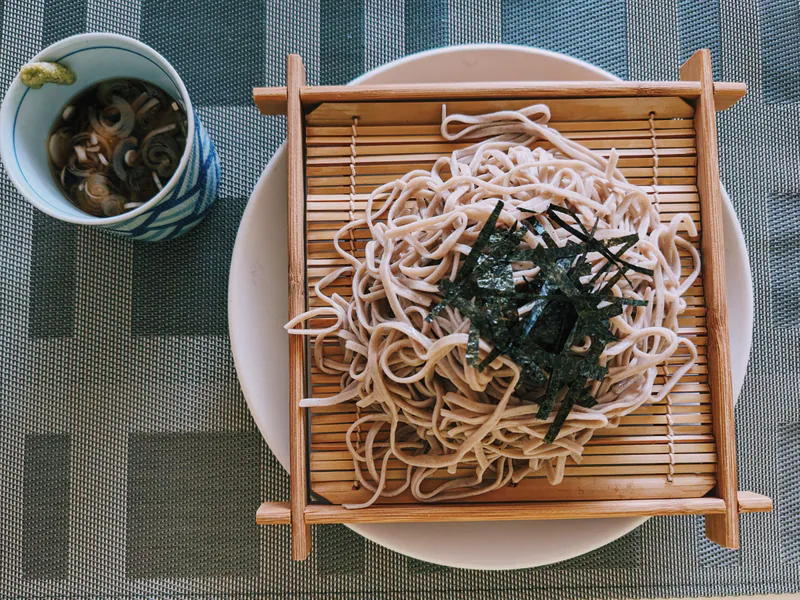
Zaru soba
 Japanese · 45 min · 374 kcal
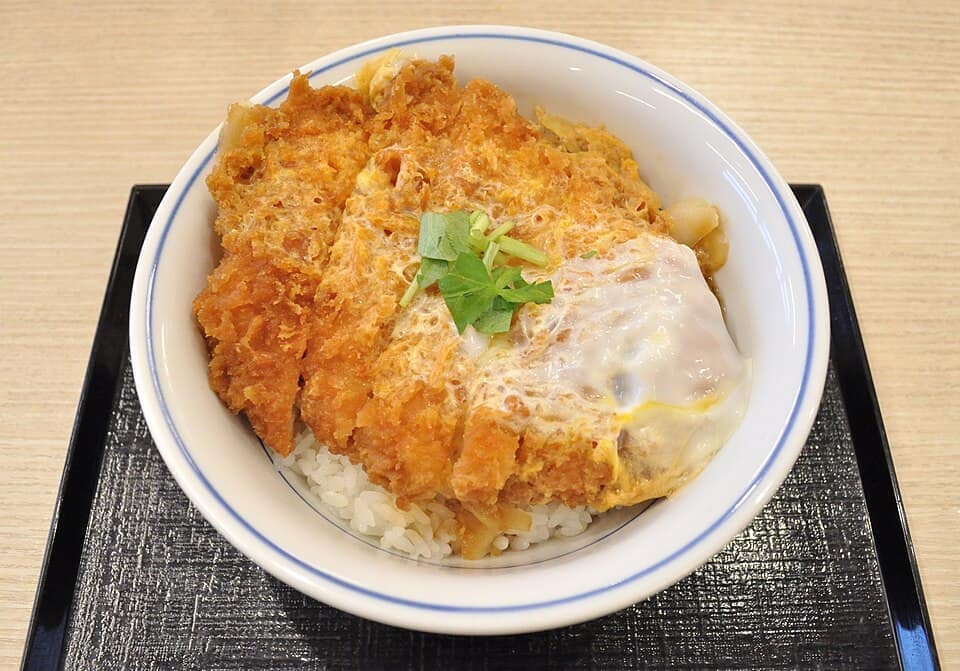
Katsudon
Japanese · 40 min · 1003 kcal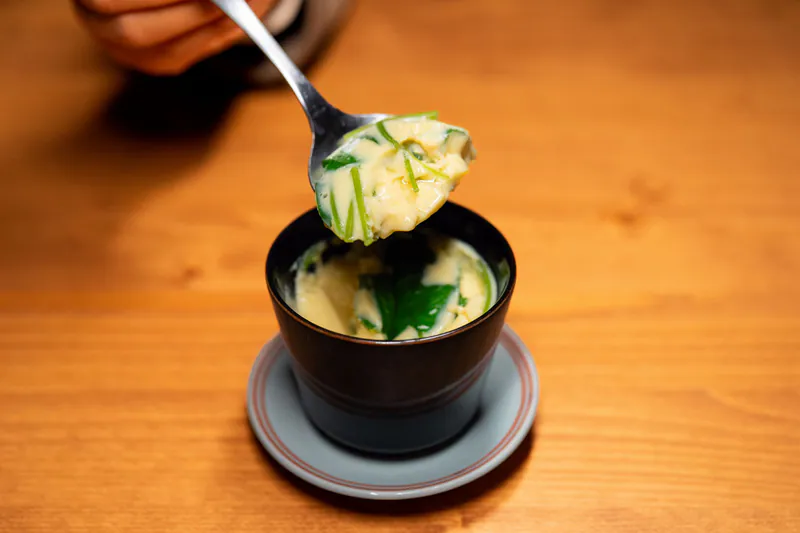
Chawanmushi
Japanese · 30 min · 105 kcal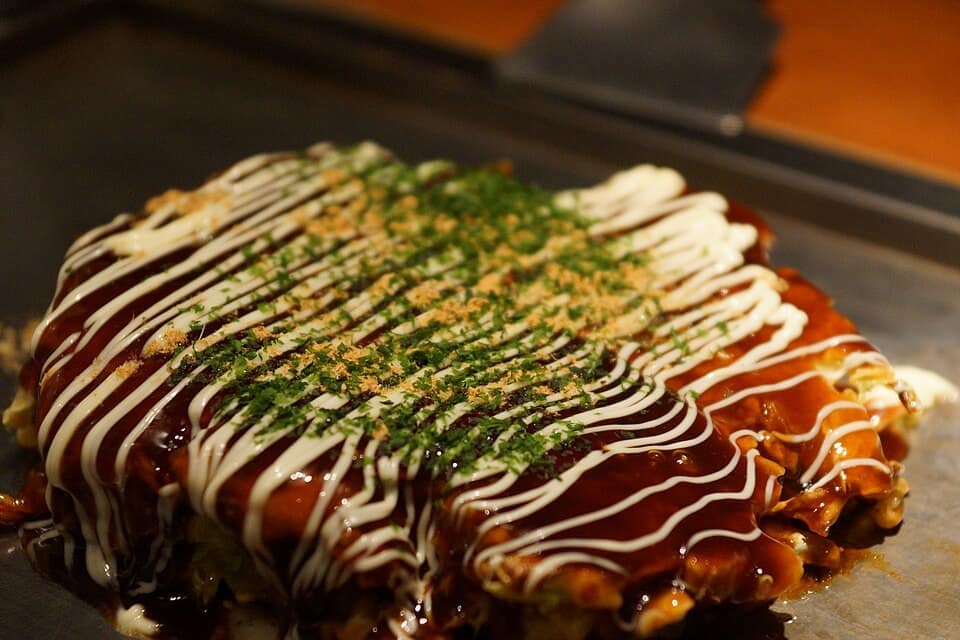
Okonomiyaki
Japanese · 35 min · 658 kcal