
Gatte ki sabzi
Vegetarian
गट्टे की सब्ज़ी
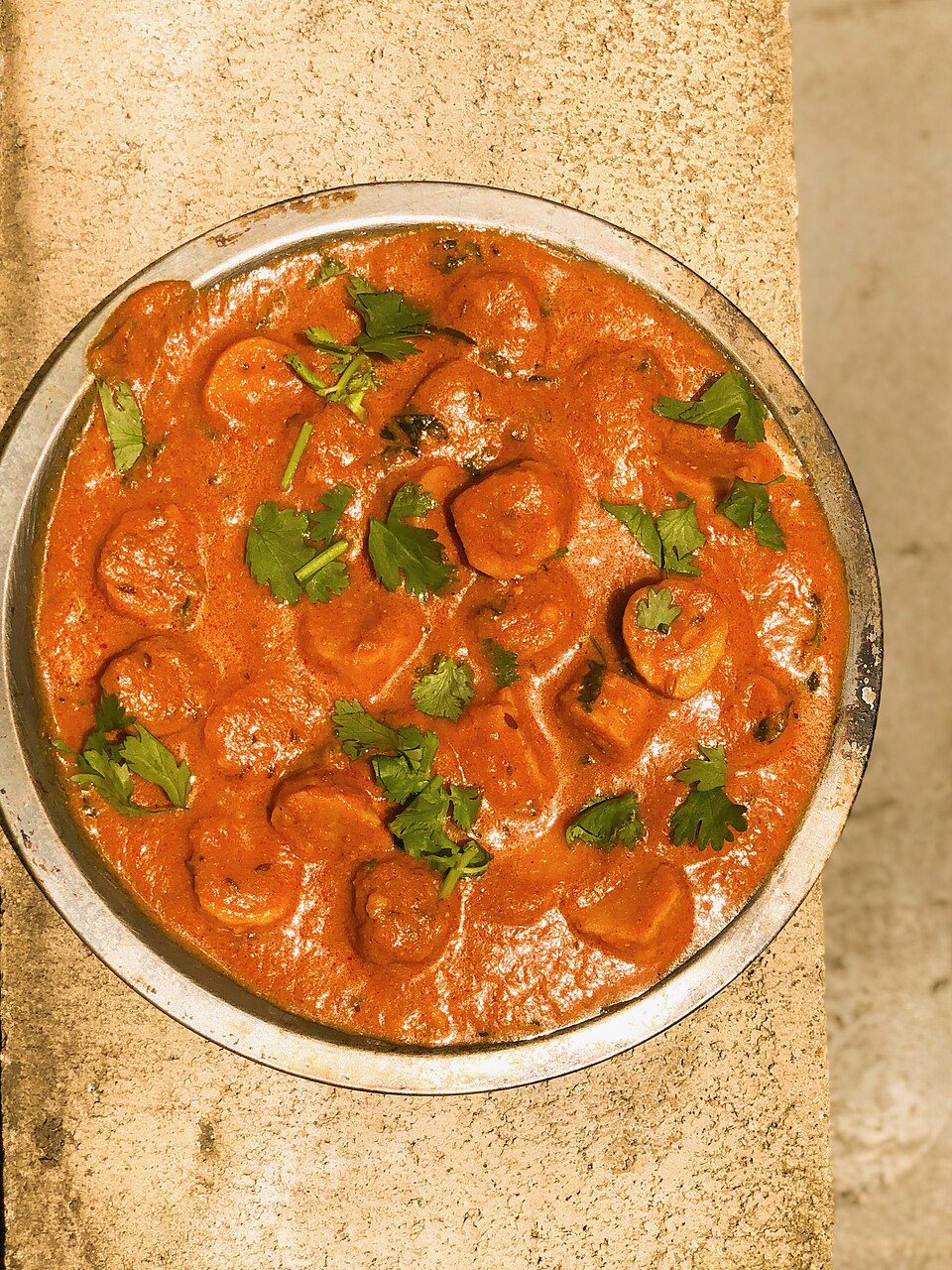
Boiled chickpea-flour dumplings simmered in a tangy, spiced yoghurt gravy. A Rajasthani desert-kitchen classic that needs no fresh vegetables.
Gatte ki sabzi is an Indian curry, ready in about 55 minutes and made with chickpea flour and yogurt. It serves 4 and is rated intermediate to cook.
- Prep
- 20 min
- Cook
- 35 min
- Total
- 55 min
- Serves
- 4
- Level
- Intermediate
- Calories
- 305
Ingredients
For the gatte
For the gravy
Method
Step 1
Mix the chickpea flour (opens in a new tab) with the 2 tbsp yoghurt (opens in a new tab), oil, chilli, turmeric (opens in a new tab) and salt. Add water a spoonful at a time to make a firm, smooth dough. Roll into finger-thick logs.
- 10 min
Step 2
Bring the water to the boil, drop in the logs and cook until they float and firm up. Lift out, keep 300 ml of the cooking water, and cut the gatte into 1 cm rounds once cool enough to handle.
- 12 min
- high heat
- Saucepan (opens in a new tab)
Step 3
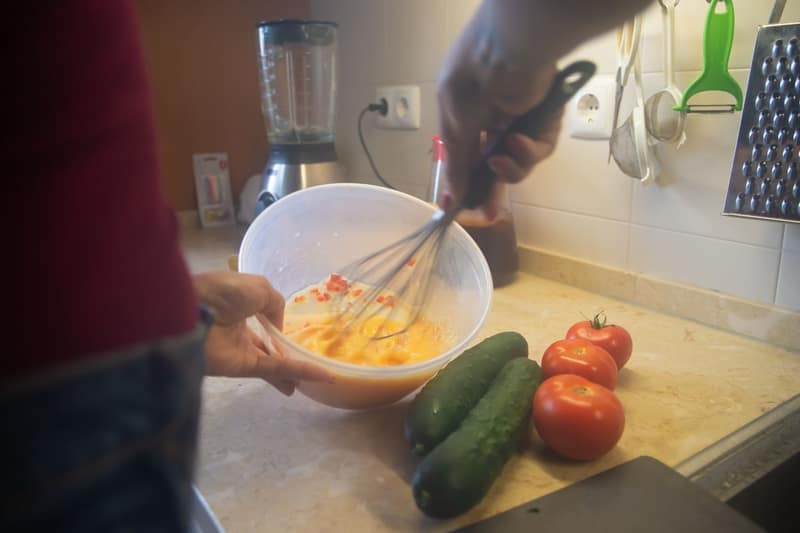
Whisk (opens in a new tab) the 250 g yoghurt (opens in a new tab) with the ground coriander (opens in a new tab), chilli and turmeric (opens in a new tab) until completely smooth.
How it looks · Photo: Kampus Production on Pexels Step 4
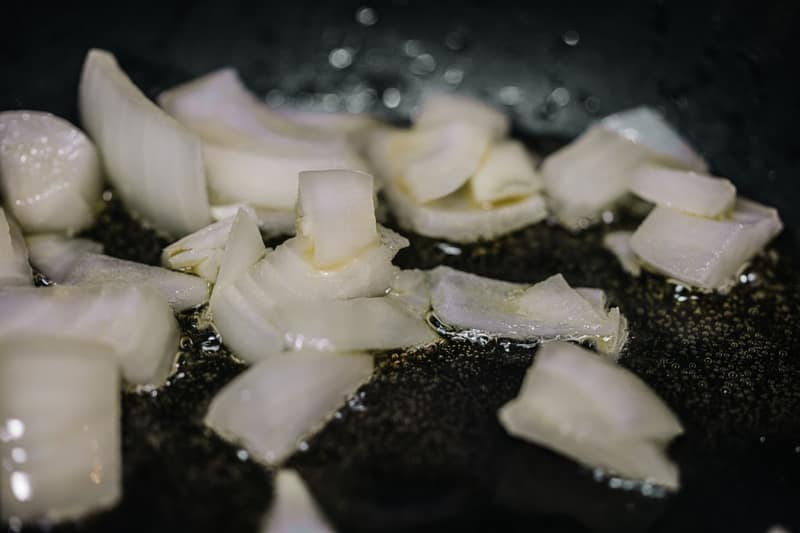
Heat the ghee (opens in a new tab), add the cumin (opens in a new tab) and asafoetida (opens in a new tab), then the onion (opens in a new tab) (if using), ginger and green chillies, and cook until soft.
- 6 min
- medium heat
- Frying pan / skillet (opens in a new tab)
How it looks · Photo: Magda Ehlers on Pexels Step 5
Lower the heat and pour in the yoghurt (opens in a new tab) mixture, stirring constantly in one direction until it comes to a simmer — this stops it splitting. Cook until oil appears at the edges.
- 5 min
- low heat
Step 6
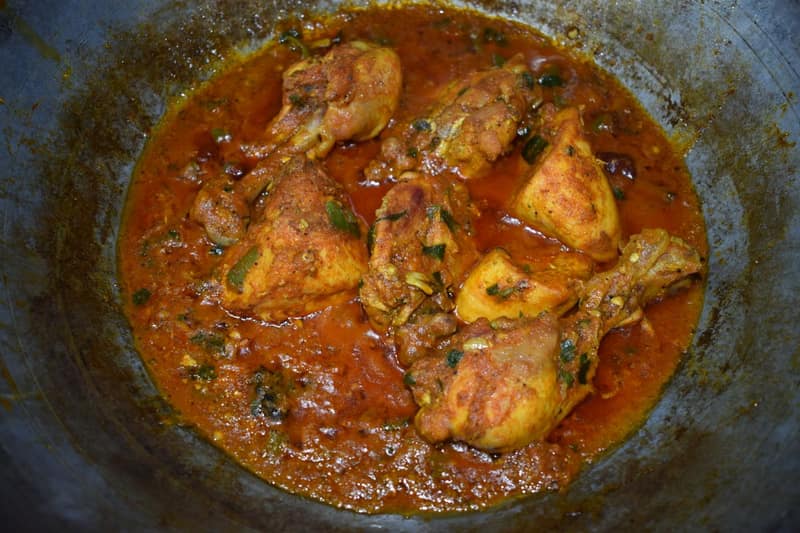
Add the reserved cooking water, the salt and the gatte. Simmer until the gravy thickens and the dumplings soften, then stir in the garam masala (opens in a new tab) and coriander.
- 10 min
- medium-low heat
How it looks · Photo: Bachir Mamud on Pexels
About this dish
- Origin
- Rajasthan, India · Well documentedMore food from India
- Dish
- Lunch · Dinner · Curries · Main courses
- Cooking method
- Boiled, Simmered
- Taste
- tangy, spicy (chilli heat), savoury, creamy
- Diet
- Vegetarian (lacto-ovo) · No nut ingredientsWorked out from the ingredients. How labels work
All labels
Vegetarian (lacto-ovo) · Eggetarian · Lacto-vegetarian · Pescatarian · Flexitarian-friendly · Egg-free · No nut ingredients · No added sugar · Alcohol-free · Pork-free · Beef-free · Carb-conscious - Good for
- Everyday · Budget-friendly
- Cook more with
- Chickpea flour · Yogurt · Cayenne / chilli powder · Turmeric · Ground coriander · Ghee
Allergens
- Contains: Milkfrom yogurt, ghee
- May contain: Wheatfrom asafoetida
- May contain: Glutenfrom asafoetida
Based on typical versions of these ingredients and not verified allergen-free. Brands differ and cross-contact happens, so always check labels. For severe allergies, follow your clinician’s advice.
Nutrition
305 kcal per serving
Estimated1 serving ≈ 275 g · recipe makes 4
Where the energy comes from
- Protein 15%
- Carbohydrate 36%
- Fat 50%
| Nutrient | Per serving | Per 100 g |
|---|---|---|
| Energy | 305 kcal | 111 kcal |
| Protein | 11.3 g | 4.1 g |
| Carbohydrate | 27.4 g | 10 g |
| Net carbohydrate | 22.3 g | 8.1 g |
| Sugars | 7.6 g | 2.8 g |
| Added sugars | 0 g | 0 g |
| Fibre | 5.1 g | 1.8 g |
| Fat | 17.1 g | 6.2 g |
| Saturated fat | 6.3 g | 2.3 g |
| Trans fat | — | — |
| Cholesterol | 26 mg | 10 mg |
| Sodium | 795 mg | 289 mg |
| Salt equivalent | 2 g | 0.7 g |
Vitamins & minerals per serving
- Potassium
- 498 mg
- Calcium
- 156 mg
- Iron
- 2.8 mg
- Magnesium
- 88 mg
- Vitamin A (RAE)
- 93 µg
- Vitamin C
- 9 mg
- Vitamin D
- 0.1 µg
- Vitamin B12
- 0.3 µg
- Folate (DFE)
- 171 µg
How these numbers were made
- Calculated from USDA FoodData Central (SR Legacy) per-100 g values and the listed quantities.
- Optional ingredients are not included: ajwain, onion, coriander leaves.
- Not counted (tiny amounts or “to taste”): asafoetida.
- Garam masala: Curry powder (FDC 170924) used as a stand-in; both are ground blends of similar dried spices used in teaspoon amounts.
- “—” means the value isn’t known for enough of the ingredients; it is never zero by default.
- Values are estimates for guidance, not for medical dosing. U.S. Department of Agriculture, Agricultural Research Service. FoodData Central, 2019. fdc.nal.usda.gov.
Good to know
Tips
- Ajwain (carom seeds) in the dough is traditional and aids digestion.
- The gatte firm up further as they cool; slice them only once cooled slightly.
Common mistakes
- Adding cold yoghurt to a hot pan without stirring — it curdles.
Serve with
- Serve with phulka rotis or jeera rice.
Storage
- Keeps 2 days refrigerated; the gravy thickens on standing.
Reheating
- Loosen with a little water and warm gently without boiling hard.
Original editorial recipe · FriendsPantry editorial · Not yet independently reviewed · Added · Updated
Recipe DNA
How this dish is built
Built from the recipe’s own sections. Each band’s width is its share of the dish by weight. Choose a component to see what it does.
The body of the dish
For the gravy
- Yogurt, whisked smooth250 g
- Ground coriander, ground2 tsp · 3.7 g
- Cayenne / chilli powder1 tsp · 1.9 g
- Turmeric0.5 tsp · 1.6 g
- Ghee2 tbsp · 27 g
- Cumin1 tsp · 2.1 g
- Asafoetida1 pinch · 0.1 g
- Onion, finely chopped (optional)1 piece · 110 g
- Fresh ginger, grated10 g
- Green chilli, slit2 piece · 12 g
- Garam masala0.5 tsp · 1 g
- Salt0.75 tsp · 4.5 g
Masalas in this recipe
Make the masala first, then come back to finish the dish.
Dry spice blend
Punjabi garam masala
This recipe uses ½ tsp (1 g for 4 servings).
Also: Bengali garam masala, Kerala (Malabar) garam masala, Mughlai (shahi) garam masala
Reviews & corrections
Reviews come from signed-in cooks and appear after a moderator checks them. We never show made-up ratings.
You might also like
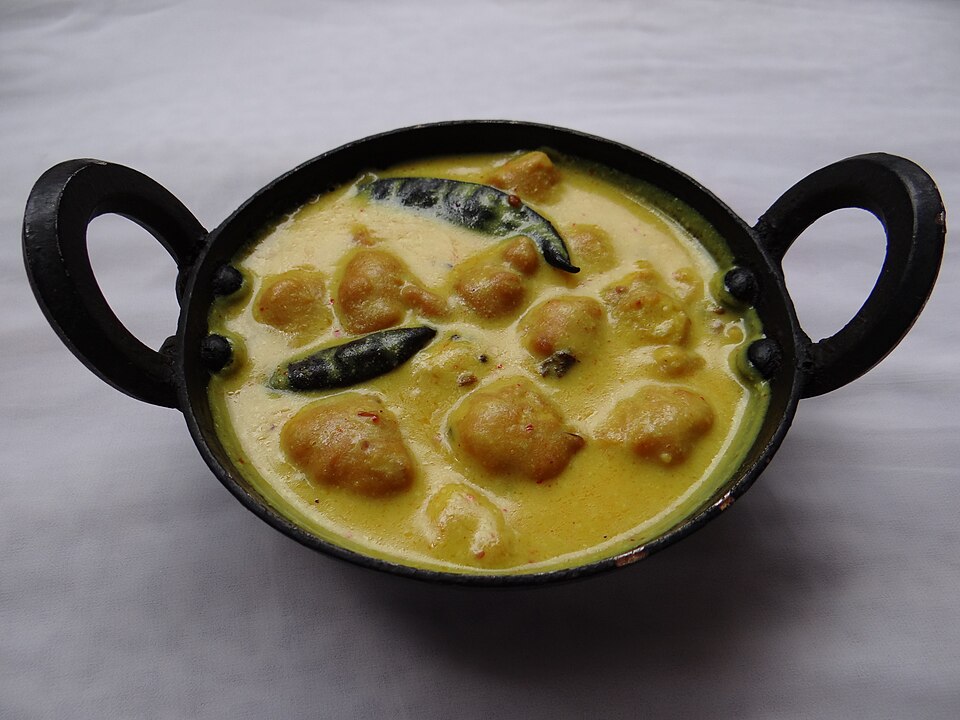
Kadhi pakora
 Punjabi · 1 h 5 min · 274 kcal · Vegetarian
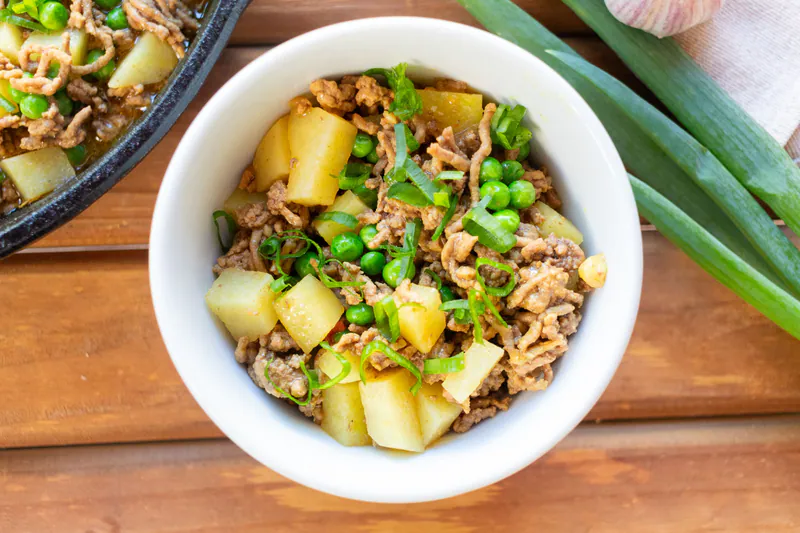
Aloo keema
 Pakistani · 1 h · 495 kcal
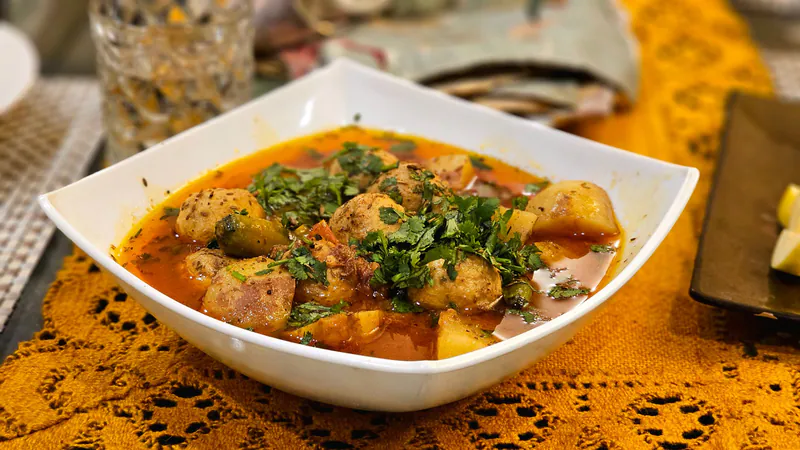
Aloo rasedar
Indian · 35 min · 242 kcal · Vegan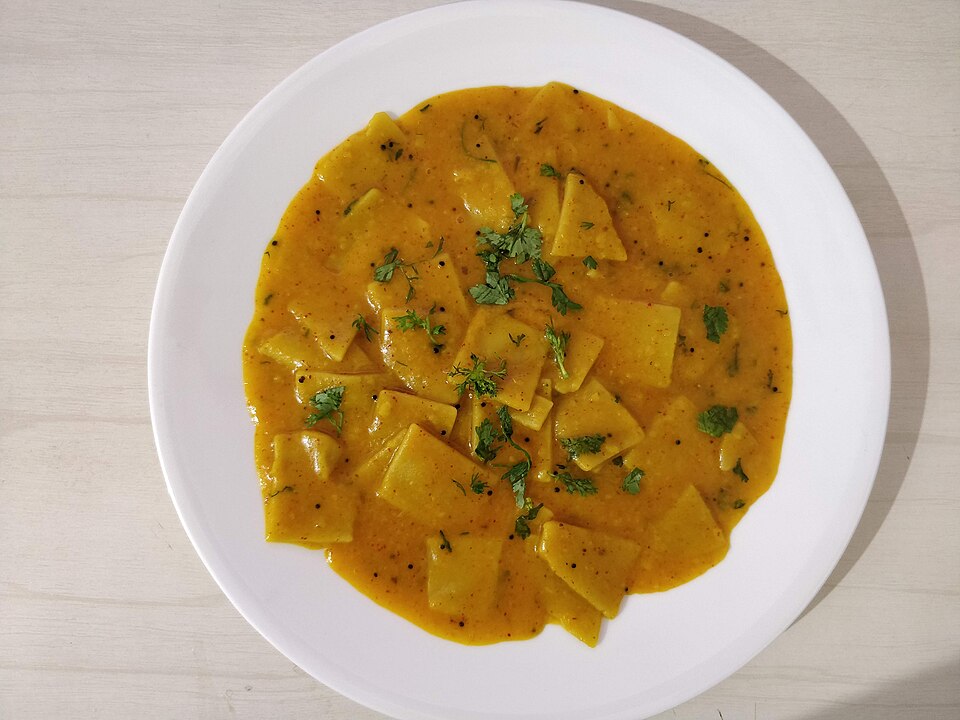
Dal dhokli
Gujarati · 1 h 10 min · 368 kcal · Vegetarian