
Sukiyaki
Non-vegetarian
すき焼き · sukiyaki
Thinly sliced beef, tofu, leeks, mushrooms and cabbage simmered at the table in a sweet soy and mirin sauce, each bite dipped into beaten raw egg. A celebratory Japanese one-pot dinner.
Sukiyaki is a Japanese main course, ready in about 40 minutes and made with soy sauce, beef sirloin steak and egg. It serves 4 and is rated easy to cook.
No licensed photograph of this dish yet.
- Prep
- 20 min
- Cook
- 20 min
- Total
- 40 min
- Serves
- 4
- Level
- Easy
- Calories
- 523
Ingredients
Warishita sauce
Method
Step 1
Bring the soy sauce (opens in a new tab), mirin (opens in a new tab), sake (opens in a new tab), sugar (opens in a new tab) and water to the boil in a small pan and stir until the sugar dissolves.
- 3 min
- medium heat
- Saucepan (opens in a new tab)
Step 2
Heat the oil in a shallow cast-iron pot (on a tabletop burner if you have one). Briefly sear a few slices of beef, then pour in enough sauce to come 1 cm up the pan.
- 2 min
- medium-high heat
- Dutch oven / casserole pot (opens in a new tab)
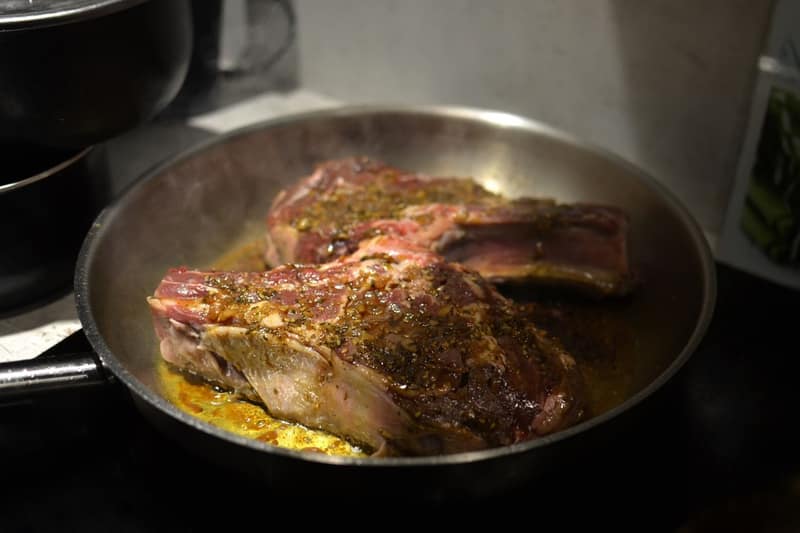
How it looks · Photo: Skylar Kang on Pexels Step 3
Arrange the tofu (opens in a new tab), cabbage, leek (opens in a new tab) and mushrooms in sections and simmer until tender, adding more beef as you go.
- 12 min
- medium heat
Step 4
Diners lift cooked pieces from the pot and dip them in their beaten egg (opens in a new tab). Top up with sauce or water if it becomes too salty.
- 5 min
Food safety: The dipping egg is eaten raw — use very fresh, pasteurised eggs, or skip it for pregnant people, young children and anyone vulnerable.
About this dish
- Origin
- Japan · Well documentedThis is the Kanto style, which uses a premixed warishita sauce.More food from Japan
- Dish
- Dinner · Main courses · Stews & braises
- Cooking method
- Simmered, Pan-fried
- Taste
- sweet & savoury, umami, rich
- Diet
- Dairy-free · No nut ingredients · Low-carb · High-proteinWorked out from the ingredients. How labels work
All labels
Non-vegetarian · Dairy-free · No nut ingredients · Pork-free · Low-carb · High-protein - Good for
- Festive & celebration · One-pot
- Techniques
- Searing · Pan-frying · Simmering
Allergens
- Contains: Eggsfrom egg
- Contains: Wheatfrom soy sauce
- Contains: Glutenfrom soy sauce
- Contains: Soyfrom soy sauce, tofu
Based on typical versions of these ingredients and not verified allergen-free. Brands differ and cross-contact happens, so always check labels. For severe allergies, follow your clinician’s advice.
Nutrition
523 kcal per serving
Estimated1 serving ≈ 526 g · recipe makes 4
Where the energy comes from
- Protein 42%
- Carbohydrate 20%
- Fat 37%
| Nutrient | Per serving | Per 100 g* |
|---|---|---|
| Energy | 523 kcal | 100 kcal |
| Protein | 52.3 g | 9.9 g |
| Carbohydrate | 24.8 g | 4.7 g |
| Net carbohydrate | 19.7 g | 3.7 g |
| Sugars | — | — |
| Added sugars | — | — |
| Fibre | 5.1 g | 1 g |
| Fat | 20.5 g | 3.9 g |
| Saturated fat | — | — |
| Trans fat | — | — |
| Cholesterol | — | — |
| Sodium | 1751 mg | 333 mg |
| Salt equivalent | 4.4 g | 0.8 g |
Vitamins & minerals per serving
- Potassium
- 1254 mg
- Calcium
- 670 mg
- Iron
- 6.9 mg
- Magnesium
- 134 mg
- Vitamin A (RAE)
- —
- Vitamin C
- —
- Vitamin D
- 1.3 µg
- Vitamin B12
- —
- Folate (DFE)
- 169 µg
How these numbers were made
- Calculated from USDA FoodData Central (SR Legacy) per-100 g values and the listed quantities.
- *Per 100 g of combined raw ingredients; the cooked dish may weigh more or less.
- Mirin: Sake (FDC 167723) used as a stand-in; true mirin is sweeter, so sugar is underestimated.
- “—” means the value isn’t known for enough of the ingredients; it is never zero by default.
- Values are estimates for guidance, not for medical dosing. U.S. Department of Agriculture, Agricultural Research Service. FoodData Central, 2019. fdc.nal.usda.gov.
Good to know
Tips
- Finish with udon noodles or rice cooked in the remaining sauce.
Common mistakes
- Overcooking the beef — the paper-thin slices need only seconds in the sauce.
- Letting the sauce reduce until too salty; top up with water or dashi as you go.
Storage
- Leftover cooked beef and vegetables keep 2 days in the fridge; leftover broth makes a good base for udon. Discard any raw egg left in the dipping bowls.
Variations
- Kansai-style sukiyaki (Japan): The beef is first fried with sugar, then seasoned directly in the pan with soy sauce and sake rather than a premixed sauce.
Original editorial recipe · FriendsPantry editorial · Not yet independently reviewed · Added · Updated
Recipe DNA
How this dish is built
Built from the recipe’s own sections. Each band’s width is its share of the dish by weight. Choose a component to see what it does.
What the dish is built around
Main ingredient
- Beef sirloin steak, well-marbled, sliced paper-thin500 g
- Tofu, cut into thick slices, ideally grilled300 g
- Napa cabbage, cut into large pieces300 g
- Shiitake mushrooms, stems removed, caps scored6 piece · 114 g
- Enoki mushrooms, roots trimmed100 g
- Egg4 piece · 200 g
Reviews & corrections
Reviews come from signed-in cooks and appear after a moderator checks them. We never show made-up ratings.
You might also like
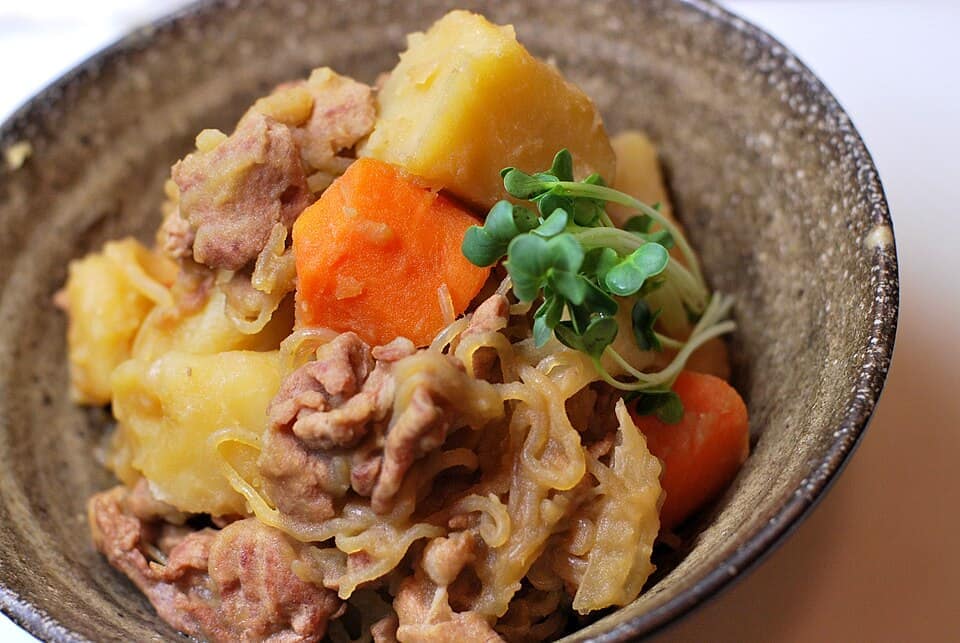
Nikujaga
 Japanese · 55 min · 296 kcal
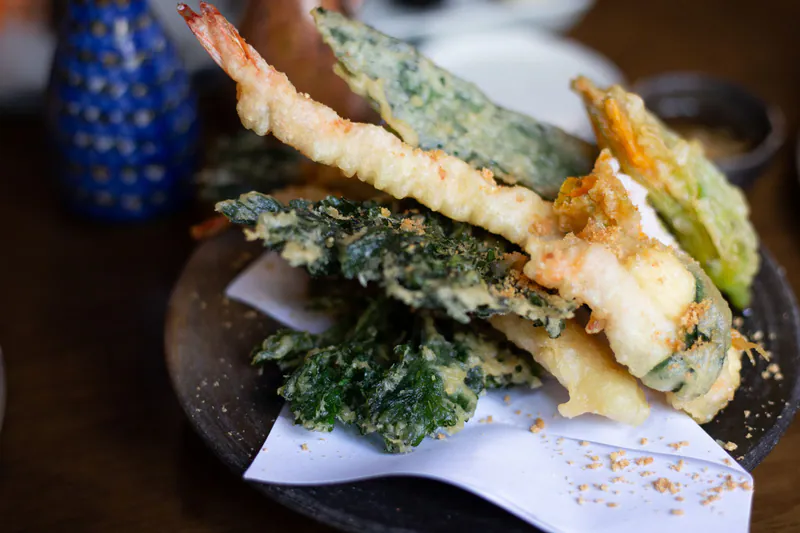
Shrimp and vegetable tempura
Japanese · 45 min · 514 kcal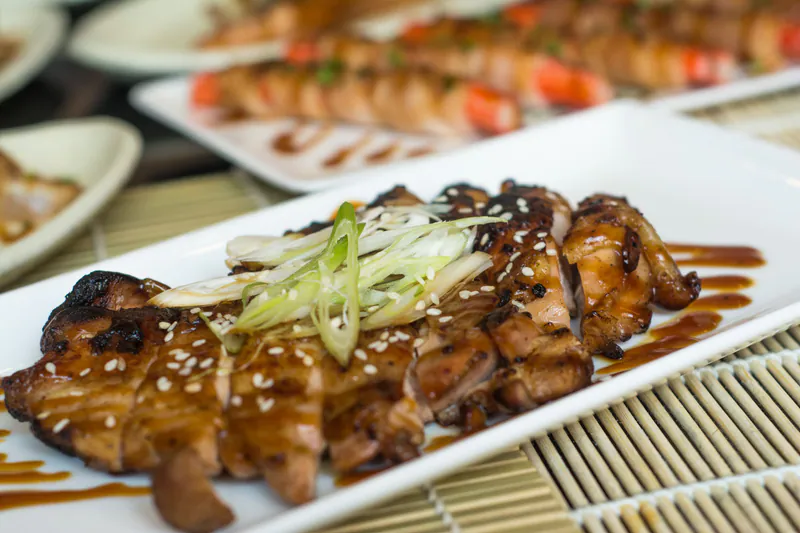
Chicken teriyaki
Japanese · 25 min · 188 kcal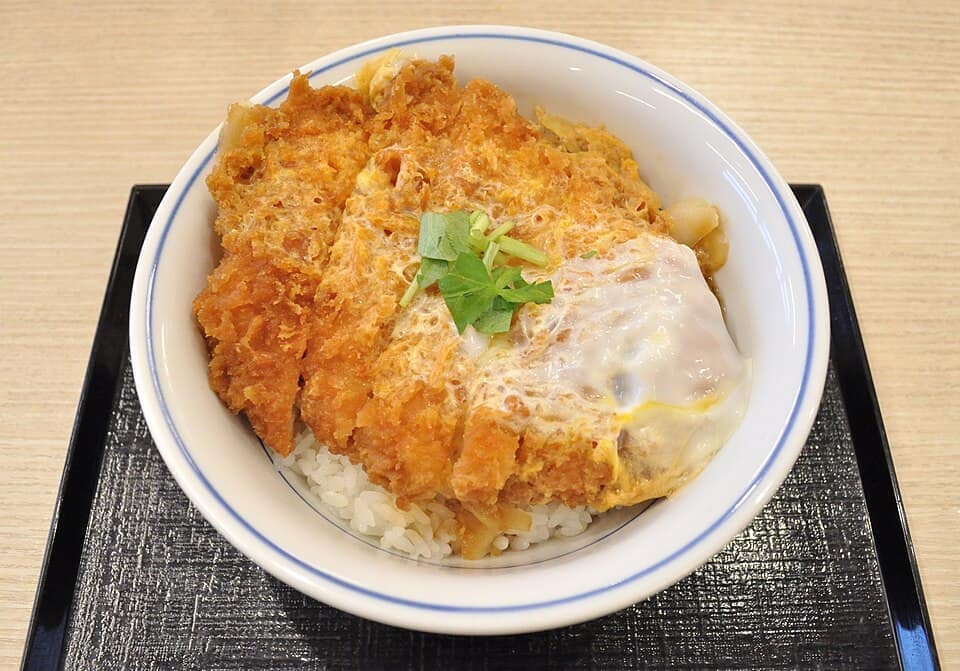
Katsudon
Japanese · 40 min · 1003 kcal