
Mont lone yay paw
Vegetarian
မုန့်လုံးရေပေါ် · mont lone yay paw
Chewy glutinous rice balls hiding a nugget of palm sugar, boiled until they float and rolled in fresh coconut — the treat made for Thingyan, the Burmese New Year.
Mont lone yay paw is a Burmese dessert from Myanmar, ready in about 40 minutes and made with glutinous rice flour and jaggery / palm sugar. It serves 6 and is rated easy to cook.
No licensed photograph of this dish yet.
- Prep
- 25 min
- Cook
- 15 min
- Total
- 40 min
- Serves
- 6
- Level
- Easy
- Calories
- 250
Method
Step 1
Mix the flour and salt, then add the water gradually and knead to a soft, smooth dough like play dough.
- 5 min
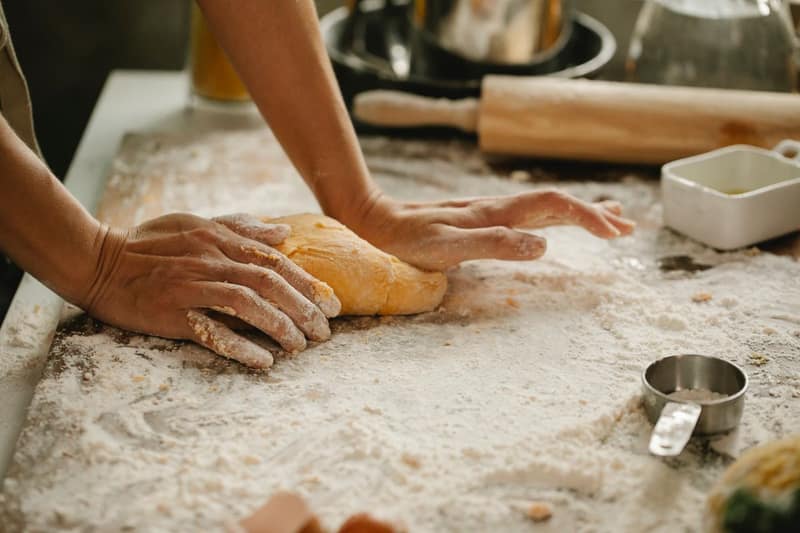
How it looks · Photo: Klaus Nielsen on Pexels Step 2
Pinch off walnut-sized pieces, flatten each, put a piece of palm sugar (opens in a new tab) in the centre and roll into a sealed ball.
- 15 min
Step 3
Drop the balls into a large pan of boiling water. Once they float, cook 1–2 minutes more so the sugar melts inside.
- 8 min
- medium-high heat
- Saucepan (opens in a new tab)
Food safety: The melted sugar inside is very hot — let the balls cool for a few minutes before biting.
About this dish
- Origin
- Myanmar · Well documentedMore food from Myanmar
- Dish
- Snack · Dessert · Desserts · Sweets & confectionery
- Cooking method
- Boiled
- Taste
- sweet, nutty, mild
- Diet
- Vegan · No gluten ingredients · Dairy-free · No nut ingredientsWorked out from the ingredients. How labels work
All labels
Vegan · Plant-based · Vegetarian (lacto-ovo) · Eggetarian · Lacto-vegetarian · Ovo-vegetarian · Pescatarian · Flexitarian-friendly · No gluten ingredients · Dairy-free · Egg-free · No nut ingredients · Alcohol-free · Pork-free · Beef-free · Low-sodium - Good for
- Festive & celebration · Child-friendly · Budget-friendly
- Cook more with
- Glutinous rice flour · Jaggery / palm sugar · Coconut
Allergens
None of the 14 major allergens appear in the listed ingredients.
Based on typical versions of these ingredients and not verified allergen-free. Brands differ and cross-contact happens, so always check labels. For severe allergies, follow your clinician’s advice.
Nutrition
250 kcal per serving
Estimated1 serving ≈ 102 g · recipe makes 6
Where the energy comes from
- Protein 5%
- Carbohydrate 77%
- Fat 18%
| Nutrient | Per serving | Per 100 g* |
|---|---|---|
| Energy | 250 kcal | 246 kcal |
| Protein | 2.9 g | 2.9 g |
| Carbohydrate | 48.5 g | 47.7 g |
| Net carbohydrate | 46.3 g | 45.5 g |
| Sugars | 13.8 g | 13.6 g |
| Added sugars | 12.9 g | 12.7 g |
| Fibre | 2.2 g | 2.2 g |
| Fat | 5.1 g | 5 g |
| Saturated fat | 4.1 g | 4.1 g |
| Trans fat | — | — |
| Cholesterol | 0 mg | 0 mg |
| Sodium | 33 mg | 32 mg |
| Salt equivalent | 0.1 g | 0.1 g |
Vitamins & minerals per serving
- Potassium
- 97 mg
- Calcium
- 20 mg
- Iron
- 0.6 mg
- Magnesium
- 21 mg
- Vitamin A (RAE)
- 0 µg
- Vitamin C
- 0 mg
- Vitamin D
- 0 µg
- Vitamin B12
- 0 µg
- Folate (DFE)
- 5 µg
How these numbers were made
- Calculated from USDA FoodData Central (SR Legacy) per-100 g values and the listed quantities.
- *Per 100 g of combined raw ingredients; the cooked dish may weigh more or less.
- Glutinous rice flour: White rice flour (FDC 169714) used as a stand-in; glutinous rice flour has a near-identical macronutrient profile.
- Jaggery / palm sugar: Brown sugar (FDC 168833) used as a stand-in for unrefined cane jaggery and palm sugar.
- “—” means the value isn’t known for enough of the ingredients; it is never zero by default.
- Values are estimates for guidance, not for medical dosing. U.S. Department of Agriculture, Agricultural Research Service. FoodData Central, 2019. fdc.nal.usda.gov.
Good to know
Tips
- Seal the balls well — any crack lets the syrup leak out.
Common mistakes
- Dough that is too dry cracks when rolled; add water a teaspoon at a time.
Serve with
- Traditionally, one or two balls hide a chilli as a New Year prank.
Storage
- Best eaten the same day; they harden in the fridge.
Original editorial recipe · FriendsPantry editorial · Not yet independently reviewed · Added · Updated
Recipe DNA
How this dish is built
Grouped by each ingredient’s role in the dish. Each band’s width is its share of the dish by weight. Choose a component to see what it does.
Reviews & corrections
Reviews come from signed-in cooks and appear after a moderator checks them. We never show made-up ratings.
You might also like
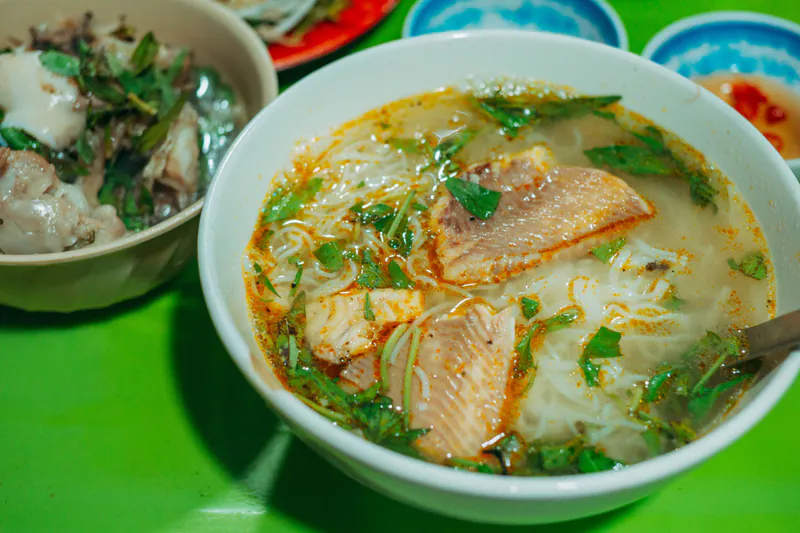
Mohinga
 Burmese · 1 h 10 min · 688 kcal
Bhapa pitha
 Bangladeshi · 1 h · 288 kcal · Vegan
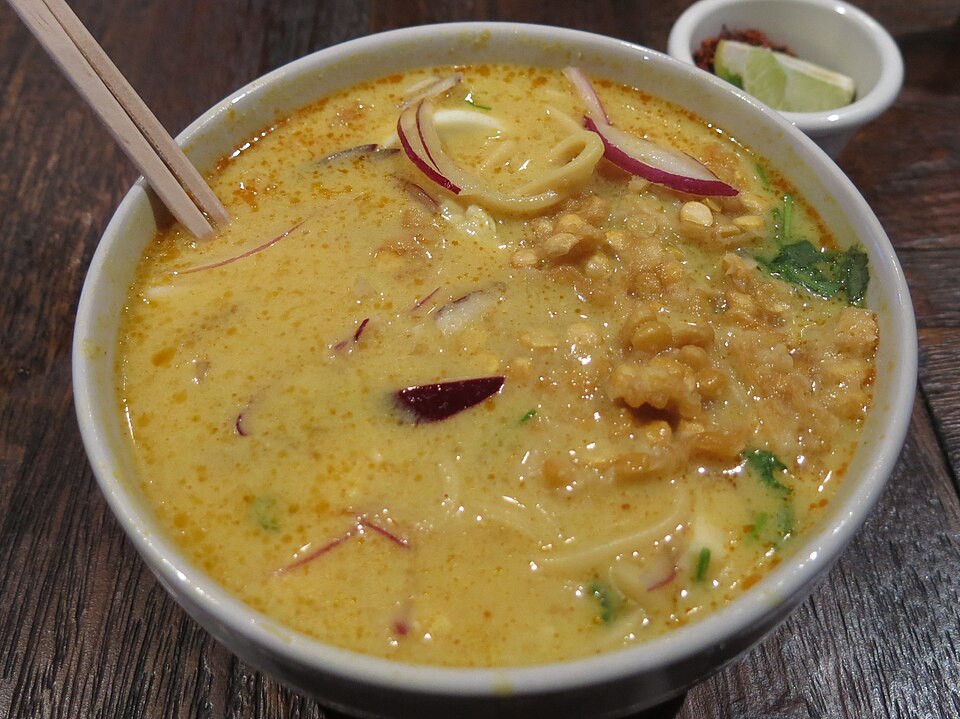
Ohn no khao swe
Burmese · 1 h · 841 kcal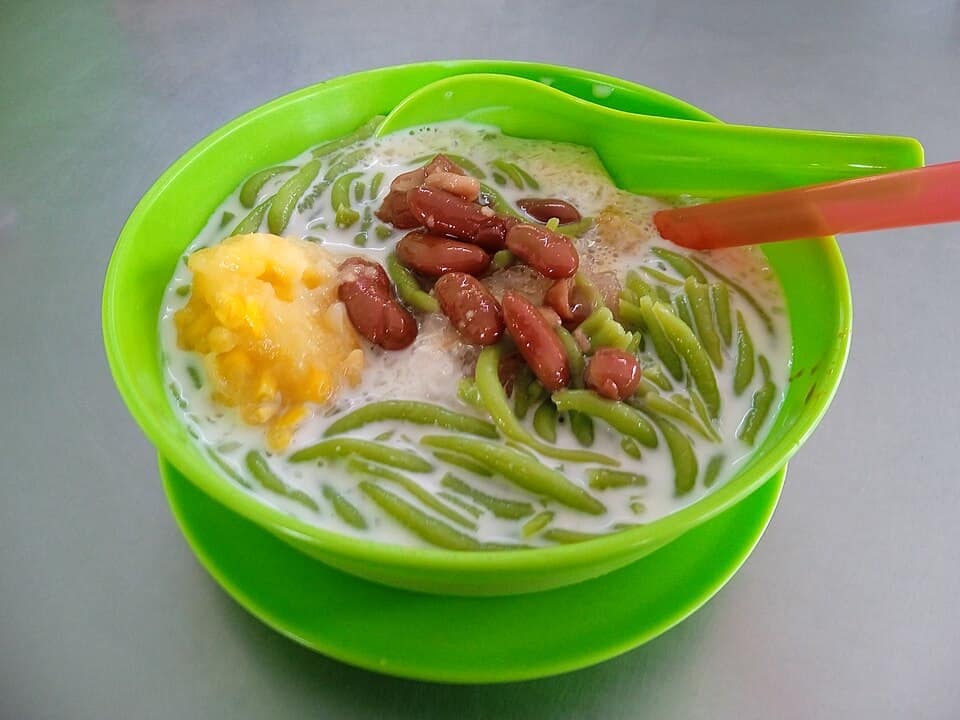
Es cendol
 Indonesian · 1 h 5 min · 300 kcal · Vegan