
Oyster omelette
Non-vegetarian
蚵仔煎 · ô-á-tsian
Plump oysters fried in a chewy starch batter with egg and greens, then smothered in a sweet-savoury red sauce — a defining dish of Taiwanese night markets.
Oyster omelette is a Taiwanese street food, ready in about 25 minutes and made with oysters, tapioca starch and egg. It serves 2 and is rated intermediate to cook.
No licensed photograph of this dish yet.
- Prep
- 10 min
- Cook
- 15 min
- Total
- 25 min
- Serves
- 2
- Level
- Intermediate
- Calories
- 533
Ingredients
Batter
Sauce
Method
Step 1
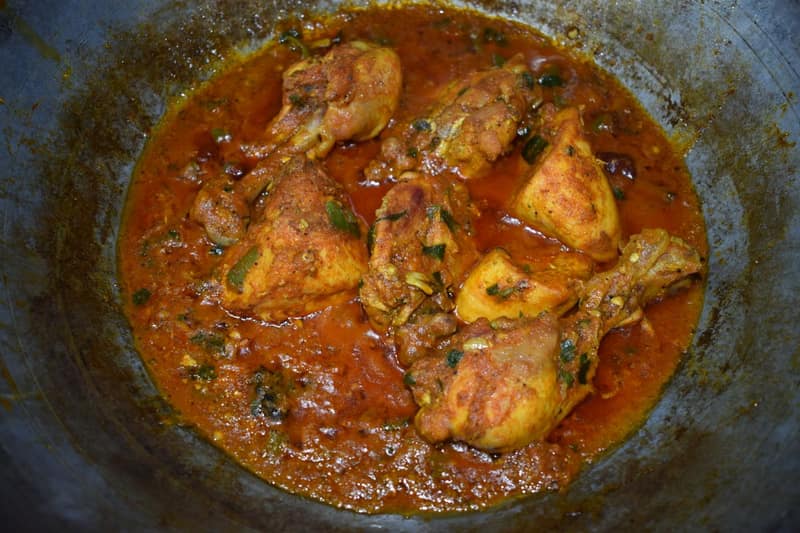
Simmer the sauce ingredients together in a small pan, stirring, until thick and glossy. Set aside.
- 3 min
- medium heat
- Saucepan (opens in a new tab)
How it looks · Photo: Bachir Mamud on Pexels Step 2
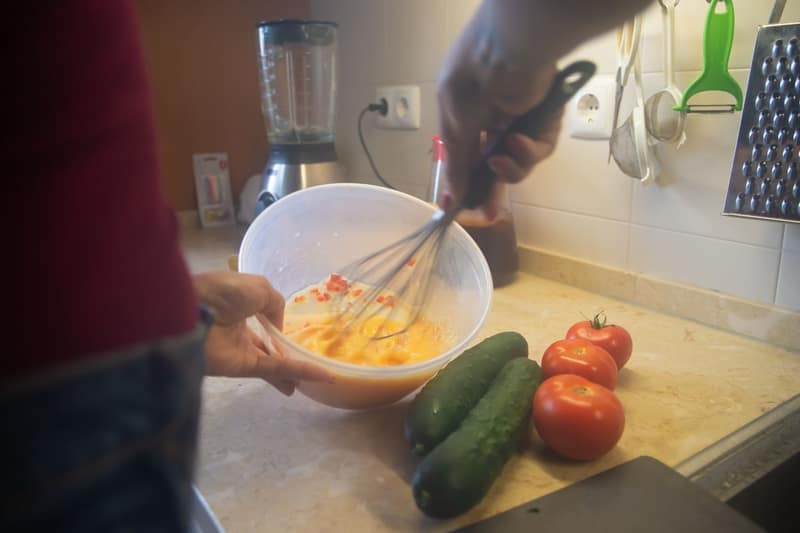
Whisk the starch with the batter water and salt. Rinse the oysters (opens in a new tab) gently and pat dry.
- 3 min
How it looks · Photo: Kampus Production on Pexels Step 3
Heat 1½ tbsp oil in a frying pan over medium-high heat, add half the oysters (opens in a new tab) and fry for 30 seconds. Stir the batter and pour half over them; fry until it turns translucent at the edges.
- 2 min
- medium-high heat
- Frying pan / skillet (opens in a new tab)
Food safety: Oysters must be cooked through for anyone vulnerable; buy them from a trusted fishmonger.
Step 4
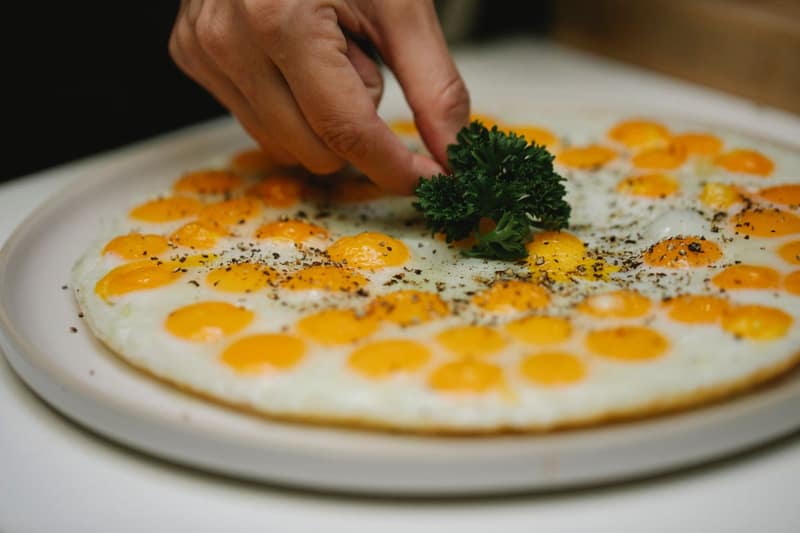
Pour half the egg (opens in a new tab) over the batter, scatter with half the greens and fry until the underside is crisp. Flip and cook 1–2 minutes more until set and the greens wilt.
- 4 min
- medium-high heat
How it looks · Photo: Klaus Nielsen on Pexels Step 5
Slide onto a plate and spoon the sauce over. Repeat for the second omelette.
- 5 min
About this dish
- Origin
- Southern Fujian (Minnan) · Commonly attributedFrom Minnan (Hokkien) cooking in southern Fujian; Taiwan's version with sweet red sauce is the best known, and related versions are eaten in Singapore and Malaysia.Also popular in Taiwan, China, Singapore, Malaysia
- Dish
- Snack · Lunch · Dinner · Street food · Egg dishes
- Cooking method
- Pan-fried
- Taste
- sweet & savoury, umami, salty
- Diet
- Pescatarian · Dairy-free · No nut ingredients · High-proteinWorked out from the ingredients. How labels work
All labels
Pescatarian · Non-vegetarian · Dairy-free · No nut ingredients · Alcohol-free · Pork-free · Beef-free · High-protein - Good for
- Street food
- Cook more with
- Tapioca starch · Egg · Bok choy · Tomato ketchup · Hoisin sauce · Sugar
- Techniques
- Pan-frying · Simmering
Allergens
- Contains: Eggsfrom egg
- Contains, can be adapted: Molluscsfrom oysters
- Contains: Wheatfrom hoisin sauce, soy sauce
- Contains: Glutenfrom hoisin sauce, soy sauce
- Contains: Soyfrom hoisin sauce, soy sauce
- May contain: Sesamefrom hoisin sauce
- May contain: Mustardfrom tomato ketchup
- May contain: Celeryfrom tomato ketchup
Based on typical versions of these ingredients and not verified allergen-free. Brands differ and cross-contact happens, so always check labels. For severe allergies, follow your clinician’s advice.
Nutrition
533 kcal per serving
Estimated1 serving ≈ 438 g · recipe makes 2
Where the energy comes from
- Protein 15%
- Carbohydrate 34%
- Fat 51%
| Nutrient | Per serving | Per 100 g* |
|---|---|---|
| Energy | 533 kcal | 122 kcal |
| Protein | 20.6 g | 4.7 g |
| Carbohydrate | 45.3 g | 10.3 g |
| Net carbohydrate | 44.1 g | 10.1 g |
| Sugars | — | — |
| Added sugars | — | — |
| Fibre | 1.2 g | 0.3 g |
| Fat | 30.3 g | 6.9 g |
| Saturated fat | 4.4 g | 1 g |
| Trans fat | — | — |
| Cholesterol | 329 mg | 75 mg |
| Sodium | 1076 mg | 245 mg |
| Salt equivalent | 2.7 g | 0.6 g |
Vitamins & minerals per serving
- Potassium
- 520 mg
- Calcium
- 137 mg
- Iron
- 7.5 mg
- Magnesium
- 53 mg
- Vitamin A (RAE)
- 341 µg
- Vitamin C
- 36 mg
- Vitamin D
- —
- Vitamin B12
- 16.7 µg
- Folate (DFE)
- 90 µg
How these numbers were made
- Calculated from USDA FoodData Central (SR Legacy) per-100 g values and the listed quantities.
- *Per 100 g of combined raw ingredients; the cooked dish may weigh more or less.
- Tapioca starch: Dry pearl tapioca (FDC 169717) used as a stand-in; both are almost pure cassava starch.
- “—” means the value isn’t known for enough of the ingredients; it is never zero by default.
- Values are estimates for guidance, not for medical dosing. U.S. Department of Agriculture, Agricultural Research Service. FoodData Central, 2019. fdc.nal.usda.gov.
Good to know
Tips
- Use the smallest oysters you can find; large ones release too much liquid.
- Stir the batter just before pouring — the starch settles to the bottom fast.
Common mistakes
- Not stirring the batter before pouring — the starch sinks fast.
Serve with
- Eat straight away while the edges are crisp.
Storage
- Best eaten immediately.
Variations
- Prawn omelette (Taiwan): Use chopped prawns in place of oysters.
- Orh luak (Singapore): The Singaporean version, crispier and served with chilli sauce rather than sweet red sauce.
Original editorial recipe · FriendsPantry editorial · Not yet independently reviewed · Added · Updated
Sauces, chutneys & dips for this dish
Recipe DNA
How this dish is built
Reviews & corrections
Reviews come from signed-in cooks and appear after a moderator checks them. We never show made-up ratings.
You might also like
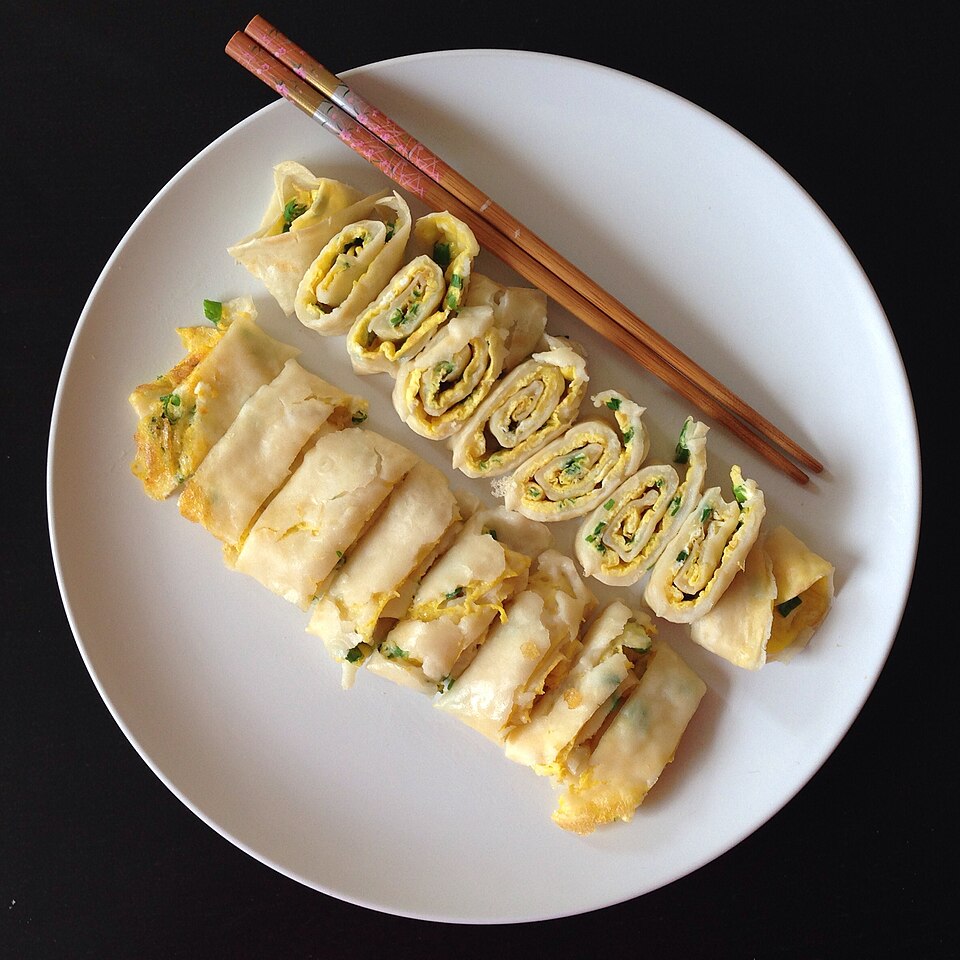
Dan bing (Taiwanese egg crepe)
 Taiwanese · 15 min · 265 kcal · Contains egg
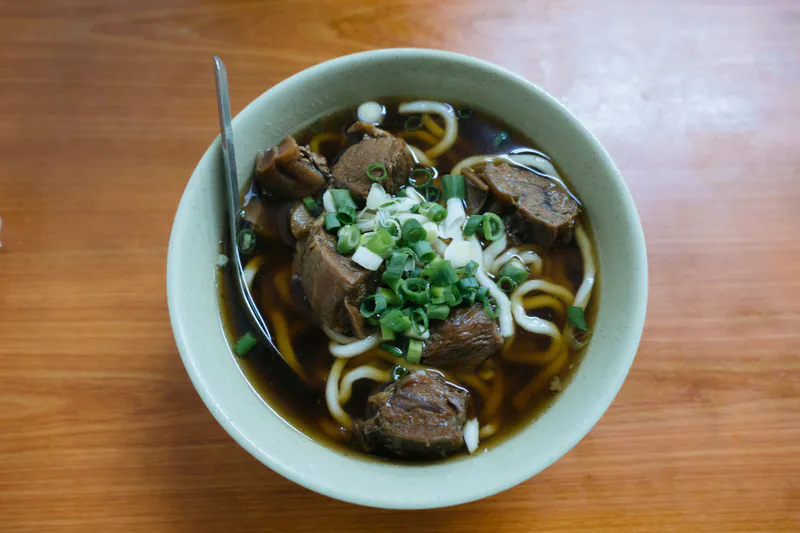
Taiwanese beef noodle soup
Taiwanese · 3 h · 551 kcal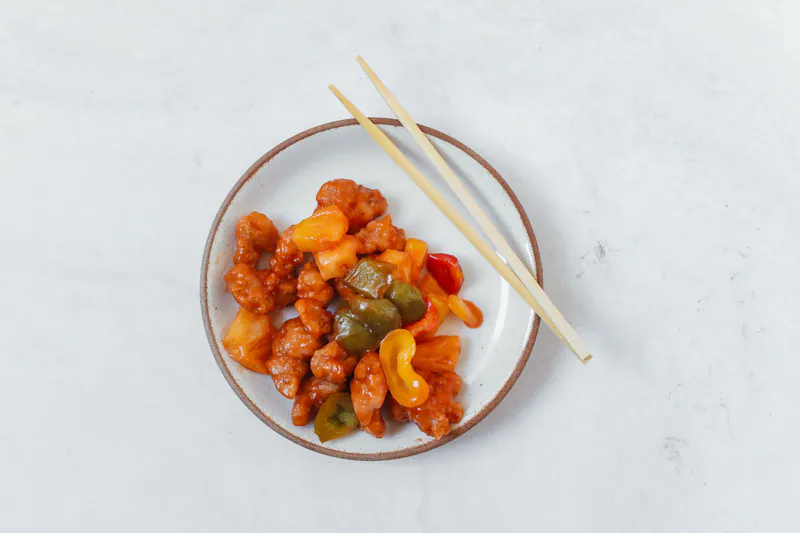
Sweet and sour pork
 Cantonese · 55 min · 576 kcal
Tomato beef noodle soup
Chinese · 2 h · 585 kcal