
Indian techniques · beginner
Tadka (tempering)
Also: tarka, chhaunk, baghaar, vaghar, phoron, thalimpu, oggarane, talimpu, tempering
Frying whole spices and aromatics briefly in hot ghee or oil, then adding the flavoured fat to a dish.
What it is
Tadka is the defining South Asian technique of blooming whole spices (mustard, cumin, fenugreek, dried chillies, curry leaves, asafoetida and others) in hot fat for seconds, then pouring the sizzling fat over dal, raita, chutney or rice, or using it as the starting point of a curry. It can come first (the base of a sabzi or sambar) or last (poured over dal just before serving). Regions use different fats and spice sets: mustard oil and panch phoron in Bengal, coconut oil with mustard seeds and curry leaves in Kerala, ghee with cumin and garlic in north India.
Why cooks use it: Many aroma compounds in spices dissolve in fat rather than water. Frying releases and transforms them quickly, and the fat then carries that flavour through the whole dish. A finishing tadka gives a fresh, sharp top note that slow cooking would lose.
The science
Heat ruptures the oil glands in the seeds and dissolves fat-soluble aroma compounds into the fat; at the same time the spice surfaces brown, creating new roasted flavours. Mustard seeds popping is water in the seed turning to steam and splitting the husk. Spices with fine particles (ground chilli, turmeric, asafoetida) burn in seconds at frying temperature, which is why they go in last or off the heat.
The Maillard reactionSmoke point of fatsFats and oilsAroma compounds and flavourCapsaicin and pungency
Step by step
Have every spice measured and within reach: a tadka takes under a minute and cannot wait.
Heat 1–2 tablespoons of ghee or oil in a small pan (a tadka pan or ladle) over medium-high heat until it shimmers; drop in one mustard seed or cumin seed to test: it should sizzle immediately.
Add mustard seeds first, if using, and let them crackle and pop (20–40 seconds); cover loosely if they jump.
Add cumin (and fenugreek seeds sparingly) and fry until a shade darker and fragrant, about 10–20 seconds. In south Indian tadka add urad and chana dal now and fry until golden.
Add dried red chillies and fry until they darken slightly; then add curry leaves (stand back: they spit) and sliced garlic or onion if the recipe uses them.
Lower the heat and add asafoetida for 2–3 seconds; for ground chilli or Kashmiri chilli, take the pan off the heat first and stir it in for a few seconds so it colours the fat without burning.
Immediately pour the sizzling tadka over the dish (or add the main ingredients to the pan) and cover for a minute to trap the aroma.
Heat and timing
- Tadka (tempering) 160–190 °C · Fat at roughly 160–190 °C, shimmering but not smoking. Ground spices go in with the heat off, as the fat cools.
Time: 30–90 seconds in total.
How you know it’s right
- Test seed sizzles instantly
- Mustard seeds crackle and most have popped
- Cumin darkens one shade and smells nutty
- Curry leaves turn translucent and crisp
- Urad dal turns golden, not brown
Common mistakes
- Fat too cool: spices soak up oil and taste raw
- Fat smoking: cumin turns black and bitter in seconds
- Adding ground spices to very hot fat so they scorch
- Adding fenugreek seeds too early (they turn bitter when dark)
- Stepping away to fetch the next spice
Troubleshooting
- Spices taste bitter or burnt
- Discard and start again; burnt tadka spoils the dish. Use lower heat and have everything ready.
- Mustard seeds not popping
- The fat is not hot enough; wait for the shimmer and test with one seed.
- Flat, dull flavour
- Increase the fat slightly and pour the tadka at the very end, then cover the pot.
Restaurant DNA
How professionals do it
Restaurant kitchens typically make dal in bulk and give each portion its own fresh tadka to order in a small pan, so the aroma is at its peak when it reaches the table. Some keep a hot ghee pan ready on the range for this.
At home
Make the tadka at the last moment, in a small pan, with everything measured into a little bowl in the order it goes in. Use a lid to trap the aroma after pouring.
General professional practice — not any particular restaurant’s recipe.
Food safety
- Curry leaves and wet ingredients spit violently in hot fat; dry curry leaves first and add them at arm's length.
- Pour hot tadka slowly and away from you.
- Mustard seeds can jump out of the pan; use a lid or splatter guard.
Practise it
Andhra tomato pachadi
 South Indian · 50 min · 56 kcal · Vegan
Bassaru
South Indian · 55 min · 177 kcal · VeganBeerakaya pachadi (ridge gourd chutney)
South Indian · 41 min · 69 kcal · VeganBengali tomato-date chutney (tomato khejur chutney)
Bengali · 35 min · 100 kcal · VeganBurani raita (Hyderabadi garlic raita)
Indian · 24 min · 71 kcal · VegetarianCocada amarela
 Angolan · 1 h 40 min · 352 kcal · Contains egg
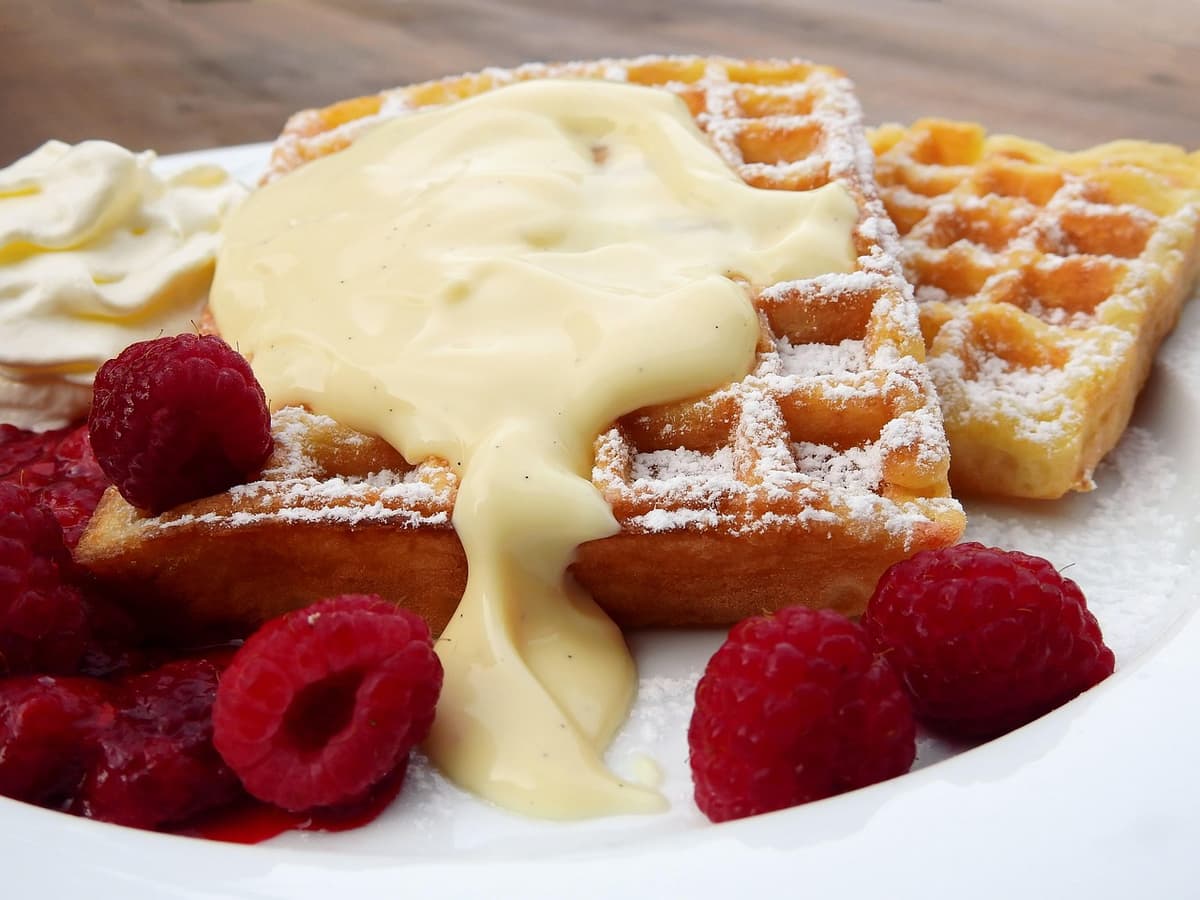
Crème anglaise
 French · 35 min · 130 kcal · Contains egg
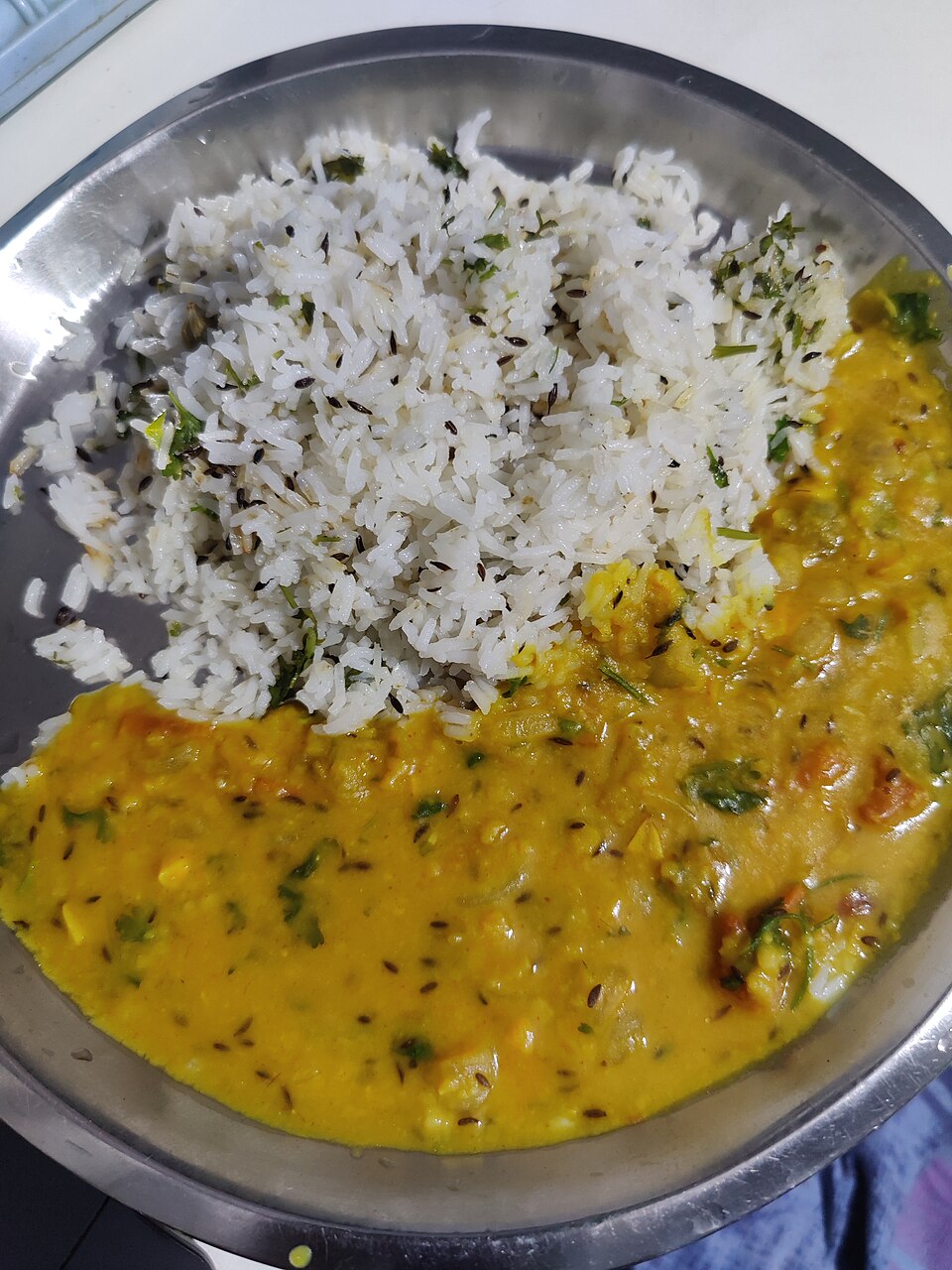
Daal chawal
 Pakistani · 50 min · 568 kcal · Vegetarian
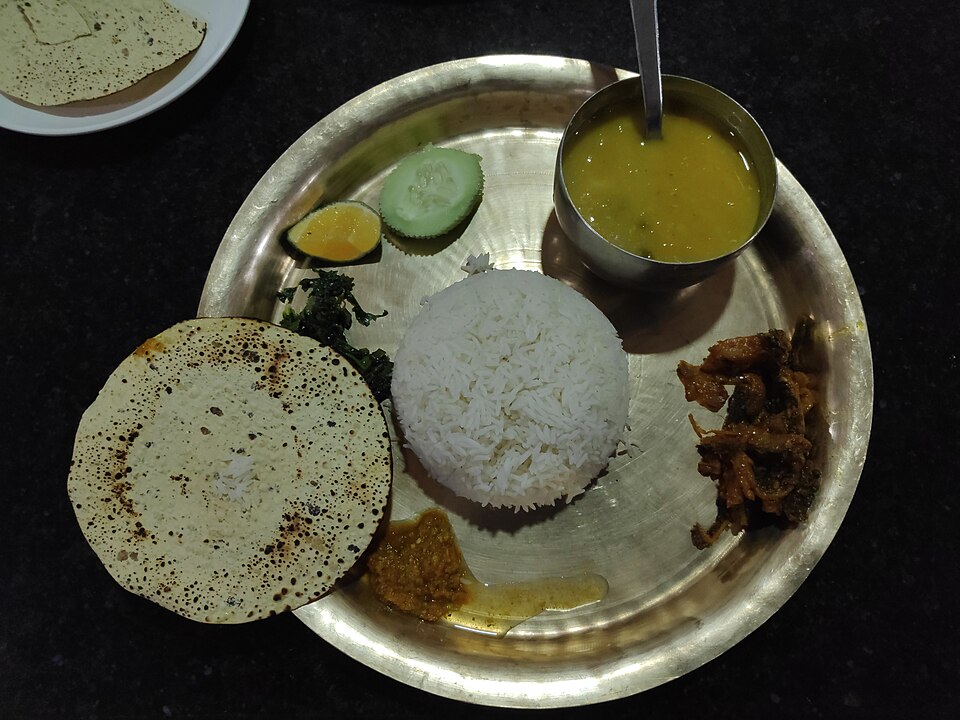
Dal bhat tarkari
 Nepalese · 55 min · 631 kcal · Vegetarian
31 more
- Dal dhokli · Gujarati
- Dal pitha (Bihari rice dumplings) · Indian
- Dal tadka with red lentils · Indian
- Gajar koshimbir · Indian
- Gongura pachadi (Andhra sorrel-leaf chutney) · South Indian
- Green coconut chutney · South Indian
- Haryanvi kadhi · Indian
- Hesarubele kosambari · South Indian
- Hyderabadi marag · Indian
- Jeera rasam · South Indian
- Jeera rice · Indian
- Kancha aamer chutney (Bengali green mango chutney) · Bengali
- Karnataka chutney pudi (coconut lentil chutney powder) · South Indian
- Kobbari pachadi (Andhra coconut chutney) · South Indian
- Kwati · Nepalese
- Lauki raita (bottle gourd raita) · Indian
- Lemon rasam · South Indian
- Meggyleves · Hungarian
- Mooli ki chutney (fresh radish chutney) · Indian
- Mysore rasam · South Indian
- Neer mor · Indian
- Olya naralachi chutney (Maharashtrian fresh coconut chutney) · Indian
- Parippu · Sri Lankan
- Pineapple rasam · South Indian
- Pottukadalai chutney (roasted gram chutney) · South Indian
- Red coconut chutney · South Indian
- Singju · Indian
- Tadka (tempered ghee with cumin, garlic and chilli) · Indian
- Vengaya chutney (raw onion chutney) · South Indian
- Yayla çorbası · Turkish
- Żurek · Polish