
Cookware & bakeware · Pan
Frying pan / skillet
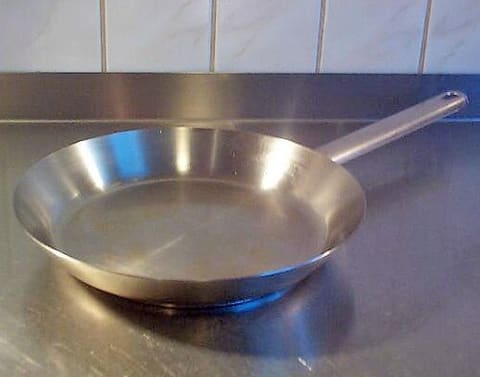
A wide, shallow pan with sloping sides and a long handle for frying, searing and sautéing on the hob.
Essential in most kitchens · Used on the stovetop · 592 recipes
Photo: Unknown author, via Wikimedia Commons (public-domain)
What it is
A round pan, usually 20–30 cm across, with low flared sides and a single long handle. Sloping sides let steam escape and make it easy to flip and slide food out; this is what separates it from a sauté pan, which has straight, taller sides and often a lid. Also called a skillet.
What it’s for: Fast, high-heat cooking of thin or small pieces of food where browning matters and liquid should evaporate quickly.
How to use it
- Choose a size that holds the food in one layer without crowding.
- Preheat the empty pan over medium to medium-high heat for a minute or two.
- Add oil or fat and let it shimmer before adding the food.
- Leave food undisturbed until it releases and browns, then turn or toss.
- Lower the heat for delicate items like eggs or for finishing sauces.
Good to know
- Tasks
- searing meat and fish, frying eggs, sautéing vegetables, toasting spices and nuts, making pancakes and omelettes, reducing pan sauces
- Cooking methods
- Pan-fried, Shallow-fried, Sautéed, Toasted, Stir-fried
- Materials
- stainless steel, aluminium, non-stick coated aluminium, cast iron, carbon steel, copper
- Care and cleaning
- Let it cool before washing to avoid warping. Wash non-stick pans by hand with a soft sponge and avoid metal utensils; stainless steel can be scrubbed and deglazed. Cast iron and carbon steel need drying and a thin coat of oil (see cast-iron skillet).
- Limitations
- Too shallow for deep-frying, stews or large amounts of liquid; overcrowding makes food steam instead of brown.
Safety
- Keep the handle turned inwards, away from the edge of the hob.
- Never pour water onto very hot oil; smother an oil fire with a lid and turn off the heat.
- Do not overheat an empty non-stick pan.
If you don’t have one
- Cast-iron skillet — Works for any frying-pan task; heavier and slower to heat but better for searing.
- Wok — Fine for sautéing and stir-frying; less good for flat items like pancakes.
Equipment guide
How it works: Heat from the burner passes through the base by conduction and into food that is in direct contact with it. The low, sloping sides let steam escape quickly, so the food's surface dries out and can rise above 100 °C, which is what makes browning (the Maillard reaction) possible. The thickness and metal of the base decide how evenly heat spreads and how much heat is stored to keep cooking when cold food is added.
| Material | Good | Watch out |
|---|---|---|
| Stainless steel, clad (tri-ply or multi-ply) | Non-reactive with acids, takes high heat, dishwasher-tolerant; the aluminium or copper core spreads heat evenly; builds fond for pan sauces. | Food sticks unless the pan is preheated with fat; heavier and slower to respond than bare aluminium. |
| Non-stick (PTFE or ceramic sol-gel coating on aluminium) | Eggs, fish and pancakes release with little fat; easy to clean; forgiving for beginners. | Coatings wear out (ceramic often faster than PTFE); PTFE should not be heated empty or above about 260 °C; poor at building fond; needs non-metal utensils. |
| Cast iron (bare, seasoned) | Very high heat capacity, so it holds temperature when cold food goes in; excellent for searing; oven-safe; lasts generations. | Heavy and slow to heat; heats unevenly on small burners; needs seasoning and drying; long simmering of acidic sauces can strip seasoning and give a metallic taste. |
| Carbon steel | Lighter and thinner than cast iron, heats faster, seasons to a slick surface; takes very high heat. | Rusts if left wet; needs seasoning; reacts with acids until well seasoned; thinner pans hold less heat than cast iron. |
| Aluminium (plain or hard-anodised) | Light, conducts heat about 15 times better than stainless steel and heats quickly; anodising hardens the surface and stops reaction with acids. | Plain aluminium reacts with acidic and alkaline foods and can discolour them; thin gauges warp; not magnetic, so it needs a steel base for induction. |
| Copper (lined with stainless steel or tin) | The most responsive common pan metal: heats and cools very quickly and evenly; ideal for sauces and sugar work. | Needs a lining because bare copper reacts with food; tin linings melt at about 232 °C and need re-tinning; heavy at good thicknesses; polishing to keep it bright. |
- Stainless clad frying pan
- General searing, sautéing and pan sauces; the workhorse in professional kitchens.
- Non-stick frying pan
- Eggs, omelettes, delicate fish, pancakes; keep for lower-heat jobs.
- Carbon steel pan
- The classic restaurant sauté pan for high-heat work; seasons to near non-stick.
- Sauté pan
- Straight sides and a lid; holds more liquid, better for shallow braising and sauces.
Buying guidance
Starting out: A 24–28 cm non-stick pan for eggs and delicate food plus, when budget allows, a 28 cm stainless clad pan for browning.
Keen cook: Add a carbon steel or cast-iron pan for hard searing, and keep non-stick only for eggs and fish.
Professional: Kitchens buy carbon steel and clad stainless in several sizes and treat non-stick as consumable.
- Base diameter (the flat cooking area, often 4–6 cm less than the rim) matched to your burner
- Clad or thick base: about 2.5–3 mm total for clad stainless
- Induction-compatible (magnetic) base if needed
- Oven-safe handle (metal, or rated to at least 200 °C)
- Riveted or welded handle that stays cool and feels balanced
No brands or prices — check current reviews before buying.
Techniques:ToastingSearingPan-fryingShallow-fryingSautéingPoachingTadka (tempering)BhunaoSpice roasting (dry-roasting)ReductionDeglazingFlambé
Related tools
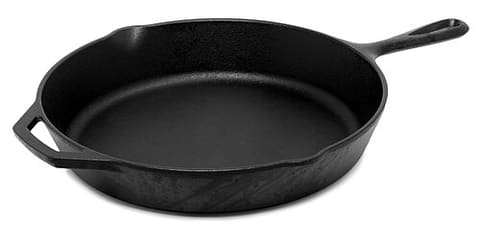 VarietyCast-iron skilletA heavy cast-iron version that holds heat and can go in the oven.
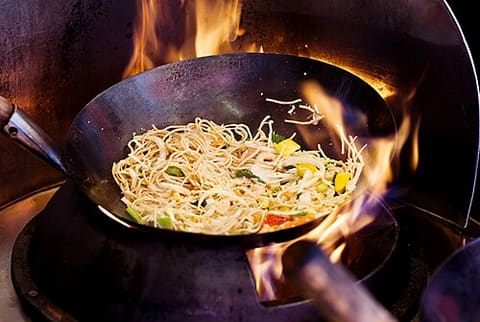 SimilarWokDeeper and bowl-shaped, better for tossing large stir-fries.
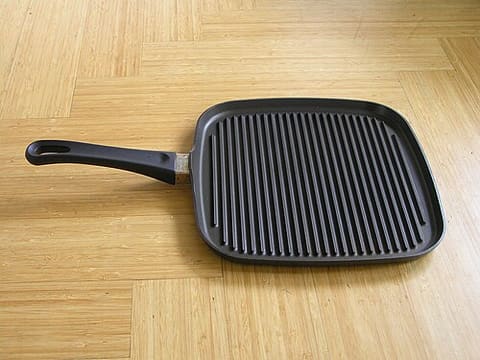 SimilarGrill panRidged base for char lines; less contact with the food.
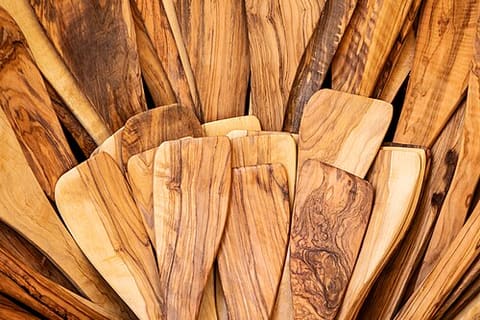 Used withSpatulaFor turning and lifting food.
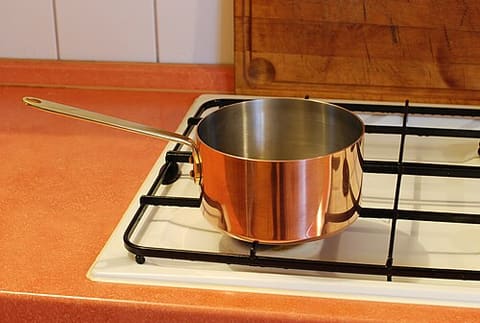 Goes well withSaucepanTaller pan for liquids and sauces.
Recipes that use it
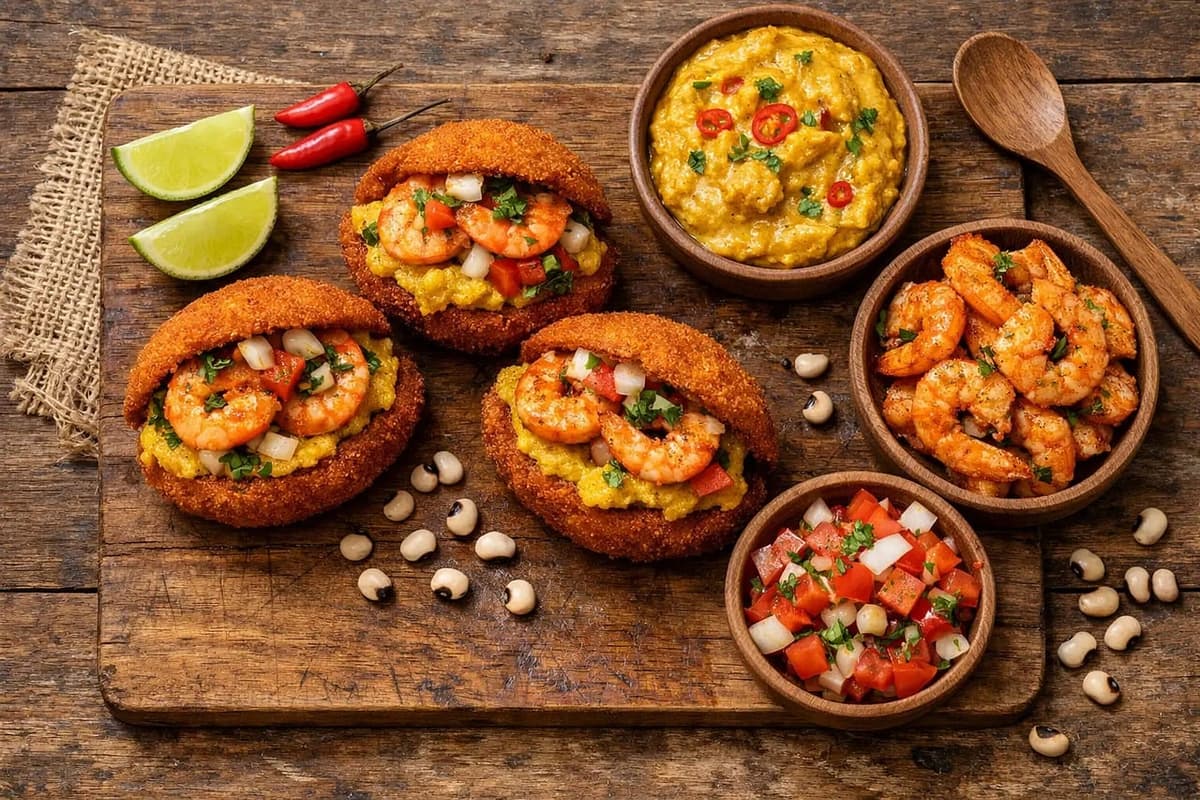
Acarajé
 Brazilian · 1 h 20 min · 534 kcal
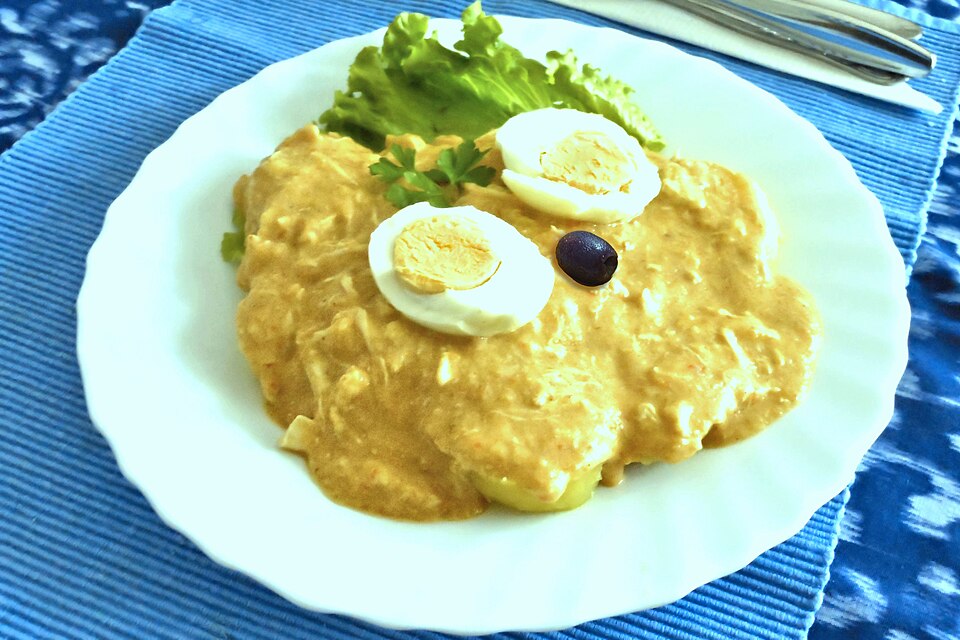
Ají de gallina
 Peruvian · 1 h 5 min · 553 kcal
Akki roti
 South Indian · 55 min · 257 kcal · Vegan
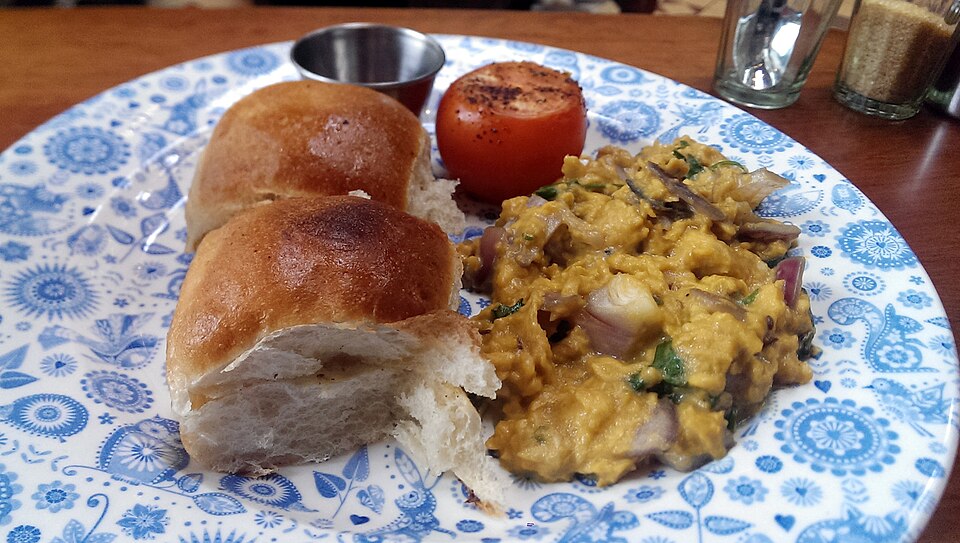
Akuri (Parsi scrambled eggs)
Indian · 22 min · 248 kcal · Contains egg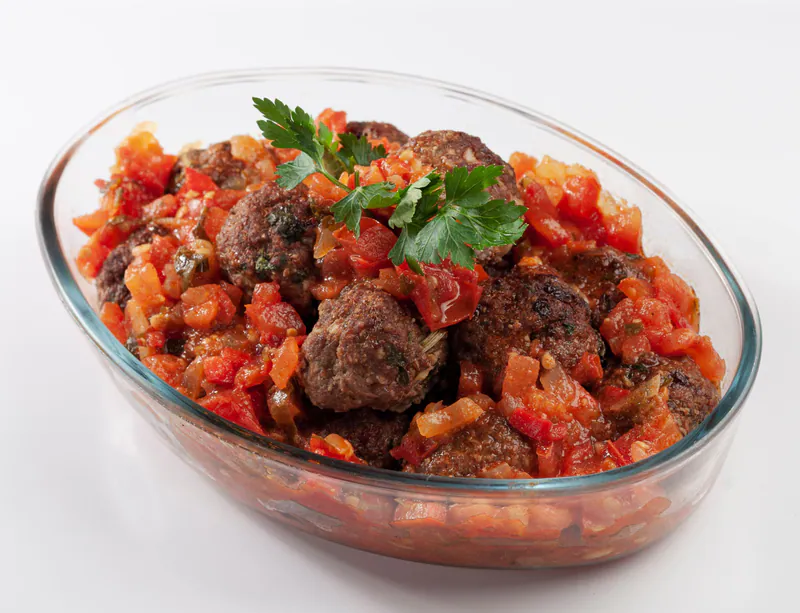
Albóndigas en salsa
 Spanish · 1 h 5 min · 560 kcal
Allam pachadi (Andhra ginger chutney)
South Indian · 35 min · 56 kcal · Vegan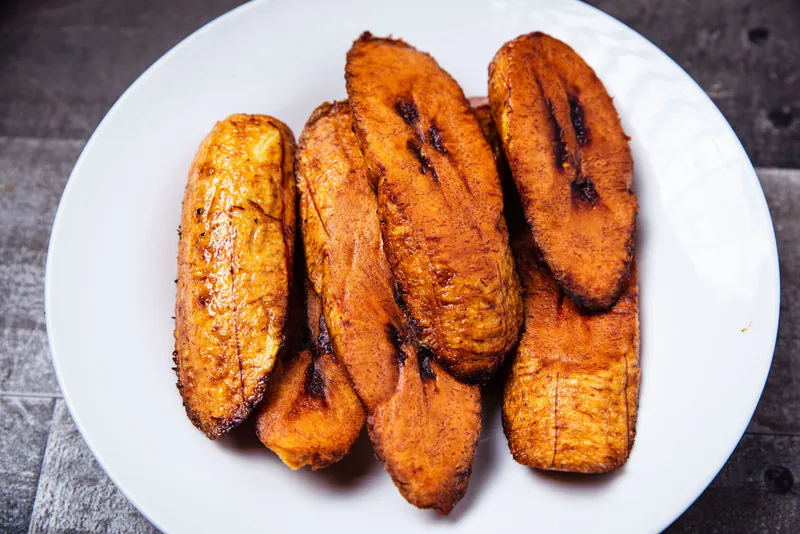
Aloko
 Ivorian · 25 min · 356 kcal · Vegan
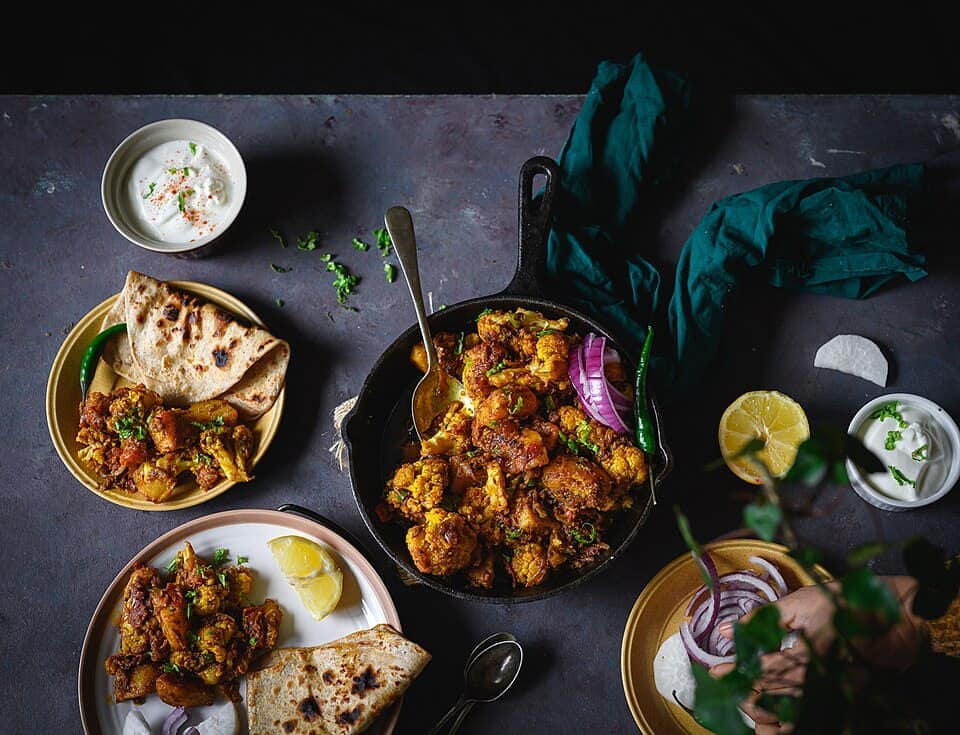
Aloo gobi
Punjabi · 45 min · 238 kcal · Vegan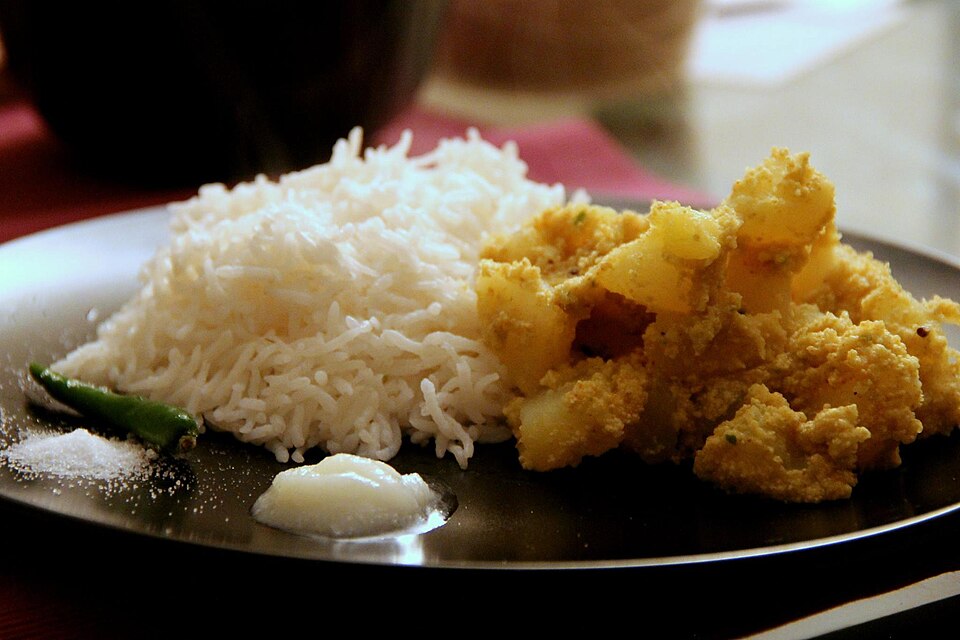
Aloo posto
Bengali · 1 h 5 min · 281 kcal · VeganAloo sadeko
 Nepalese · 30 min · 205 kcal · Vegan
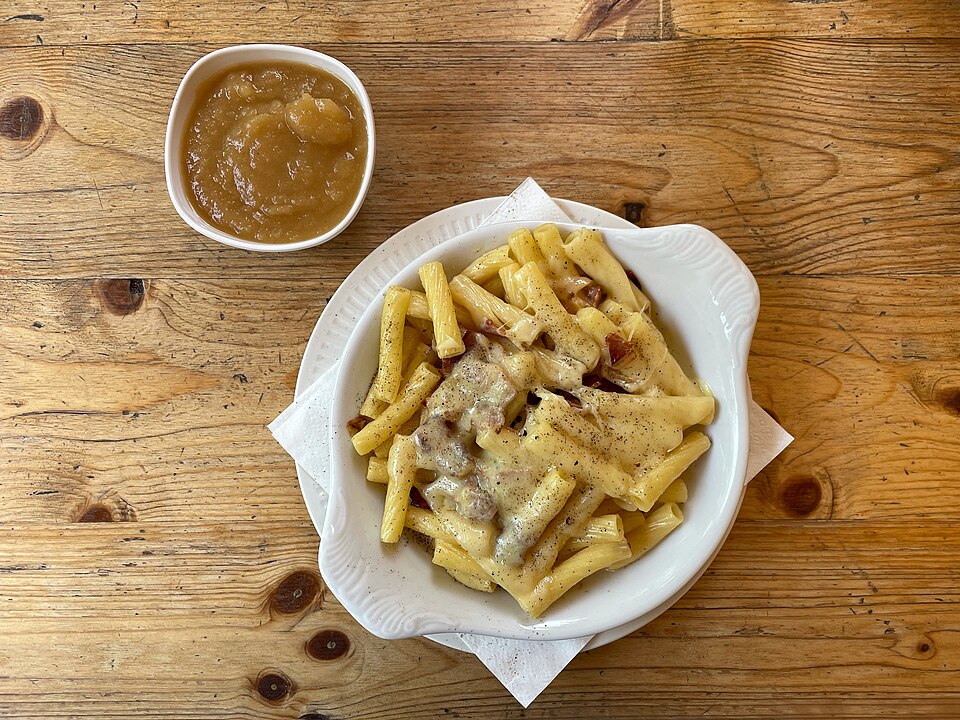
Älplermagronen
 Swiss · 50 min · 752 kcal
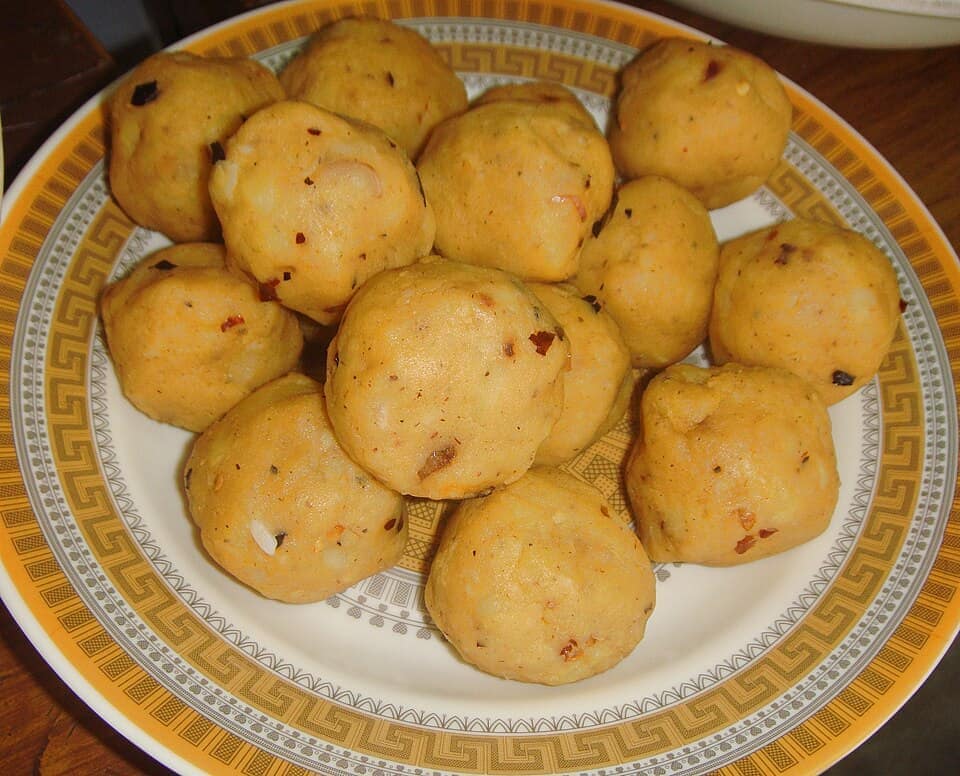
Alu bhorta
 Bangladeshi · 30 min · 186 kcal · Vegan
580 more
- Amba (Iraqi mango pickle sauce) · Iraqi
- Anda bhurji (Indian spiced scrambled eggs) · Indian
- Anda curry · Indian
- Andhra tomato pachadi · South Indian
- Apfelstrudel · Austrian
- Appam · South Indian
- Arroz caldo · Filipino
- Ash reshteh · Iranian
- Ashlyam-fu · Kyrgyz
- Atom (strained yoghurt with chilli butter) · Turkish
- Aushak · Afghan
- Aussie meat pie · Australian
- Bacalhau à brás · Portuguese
- Bacalhau com natas · Portuguese
- Badrijani nigvzit · Georgian
- Bagara baingan · Indian
- Baharat (Lebanese seven spice) · Lebanese
- Baingan bharta · Punjabi
- Bajra roti · Indian
- Baked beef empanadas · Argentine
- Baked ziti · American
- Bakso · Indonesian
- Balaleet · Gulf Arab
- Baleadas · Honduran
- Bandeja paisa · Colombian
- Bangers and mash with onion gravy · British
- Bánh xèo · Vietnamese
- Bannock · Canadian
- Batata harra · Lebanese
- Batbout (Moroccan pan pocket bread) · Moroccan
- Bayerischer Krautsalat · German
- Bazlama (Turkish stovetop flatbread) · Turkish
- Beef bulgogi · Korean
- Beef kala bhuna · Bangladeshi
- Beef rendang · Indonesian
- Beef stroganoff · Russian
- Beef tibs · Ethiopian
- Beerakaya pachadi (ridge gourd chutney) · South Indian
- Beetroot koshimbir · Indian
- Begun bhaja · Bangladeshi
- Bengali garam masala · Bengali
- Bengali tomato-date chutney (tomato khejur chutney) · Bengali
- Berbere spice blend · Ethiopian
- Besan ladoo · Indian
- Bessara (Egyptian green fava bean and herb dip) · Egyptian
- Bhang ki chutney (Kumaoni hemp seed chutney) · Indian
- Bharli vangi · Indian
- Bhindi masala · Indian
- Bhuna khichuri · Bangladeshi
- Bibimbap · Korean
- Bifana · Portuguese
- Biryani masala · Indian
- Biscuits and sausage gravy · Southern US
- Bistek Tagalog · Filipino
- Black bean tacos · Mexican
- Bobotie · Cape Malay
- Boerewors with pap and sous · South African
- Boeuf bourguignon · French
- Bolani · Afghan
- Borani banjan · Afghan
- Boxty · Irish
- Bratkartoffeln · German
- Brik à l'oeuf · Tunisian
- Broccoli salad · American
- Bryndzové halušky · Slovak
- Bucatini all'amatriciana · Italian
- Buckwheat blini · Russian
- Buckwheat kasha with mushrooms · Russian
- Bumbu dasar merah (Indonesian red spice base) · Indonesian
- Bún bò Huế · Vietnamese
- Burani raita (Hyderabadi garlic raita) · Indian
- Buttermilk cornbread · Southern US
- Cacio e pepe · Italian
- Caesar salad · American
- Caldo de feijão · Brazilian
- Caldo verde · Portuguese
- Canh chua cá · Vietnamese
- Canjeero · Somali
- Carimañolas · Panamanian
- Carne de porco à alentejana · Portuguese
- Carrot kosumalli · South Indian
- Casado · Costa Rican
- Cassoulet · French
- Cepelinai · Lithuanian
- Chaat masala · Indian
- Chambo with nsima · Malawian
- Chammanthi podi (Kerala roasted coconut chutney powder) · South Indian
- Chana samosa (Chhattisgarh street-style) · Indian
- Chapli kebab · Pakistani
- Chatamari · Nepalese
- Chebab · Emirati
- Chechebsa · Ethiopian
- Cheese and onion toastie · British
- Cheese Omelette · International
- Cheese quesadillas · Mexican
- Chettinad chicken curry · South Indian
- Chicken adobo · Filipino
- Chicken bastilla · Moroccan
- Chicken biryani · Indian
- Chicken keema paratha · Indian
- Chicken teriyaki · Japanese
- Chicken tikka masala · Indian
- Chikhirtma · Georgian
- Chilaquiles rojos · Mexican
- Chiles en nogada · Mexican
- Chinese five-spice powder · Chinese
- Chingri bhuna · Bangladeshi
- Chingri malai curry · Bangladeshi
- Chipotle salsa (salsa de chipotle) · Mexican
- Chipsi mayai · Tanzanian
- Chirashizushi (scattered sushi bowl) · Japanese
- Chivito · Uruguayan
- Chuchitos · Guatemalan
- Çılbır · Turkish
- Classic beef burger · American
- Cobb salad · American
- Coconut chutney · South Indian
- Coconut paratha · Indian
- Cơm tấm sườn nướng · Vietnamese
- Coorg pandi curry · South Indian
- Corn fritters · New Zealand
- Corn tortillas (masa harina) · Mexican
- Cou-cou and flying fish · Bajan
- Courgette frittata · Italian
- Coxinha · Brazilian
- Creamy Scrambled Eggs · International
- Crêpes · French
- Crispy Tofu and Vegetable Stir-Fry · International
- Crispy-skin barramundi with lemon butter · Australian
- Crni rižot (black cuttlefish risotto) · Croatian
- Croquetas de jamón · Spanish
- Crumpets · British
- Cuban black beans · Cuban
- Cucumber raita · Indian
- Curd rice · South Indian
- Curry puffs · Singaporean
- Currywurst · German
- Daal chawal · Pakistani
- Dakgalbi · Korean
- Dal bhat tarkari · Nepalese
- Dal paratha · Indian
- Dal pitha (Bihari rice dumplings) · Indian
- Dal tadka with red lentils · Indian
- Dalle khursani achar (Sikkimese round chilli pickle) · Indian
- Dalma · Indian
- Dambou · Nigerien
- Dan bing (Taiwanese egg crepe) · Taiwanese
- Dhakai kacchi biryani · Bangladeshi
- Dodo (fried plantain) · Nigerian
- Dohneiiong · Indian
- Dolmadakia (rice-stuffed vine leaves) · Greek
- Dorayaki · Japanese
- Draniki · Belarusian
- Dry garlic chutney (vada pav chutney) · Indian
- Dublin coddle · Irish
- Düğün çorbası · Turkish
- Dukkah with bread and olive oil · Egyptian
- Eech · Armenian
- Egg Kejriwal · Indian
- Eggplant parmigiana · Italian
- Eggs Benedict · American
- Egyptian dukkah · Egyptian
- Egyptian molokhia · Egyptian
- Ele kosu kosambari · South Indian
- Ellu podi (sesame powder) · South Indian
- Empanadas colombianas · Colombian
- Empanadas salteñas · Argentine
- Enchiladas rojas · Mexican
- Enchiladas verdes · Mexican
- English muffins · British
- Erissery · South Indian
- Eromba (Manipuri fermented fish and vegetable mash) · Indian
- Escondidinho de carne moída · Brazilian
- Espinacas con garbanzos · Spanish
- Ethiopian coffee (jebena buna) · Ethiopian
- Everyday curry powder (British-style) · British
- Ewa agoyin · Nigerian
- Fahsa · Yemeni
- Faraa (steamed rice-flour dumplings) · Indian
- Farofa · Brazilian
- Fattet hummus · Levantine
- Feijão carioca · Brazilian
- Fërgesë (peppers, tomatoes and cheese) · Albanian
- Fermented bamboo shoot chutney · Indian
- Fesenjan · Iranian
- Fish molee · South Indian
- Flädlesuppe · German
- Flour tortillas · Mexican
- Francesinha · Portuguese
- French omelette · French
- French onion dip · American
- Fried Eggs · International
- Fried kibbeh · Syrian
- Frikadeller · Danish
- Full English breakfast · British
- Gabout · Kuwaiti
- Gado-gado · Indonesian
- Gajar koshimbir · Indian
- Galayet bandora · Jordanian
- Galette complète · French
- Gallo pinto · Central American
- Gambas al ajillo · Spanish
- Gamja jorim (soy-braised potatoes) · Korean
- Garba · Ivorian
- Garlic butter naan (yeast-free, pan-cooked) · Indian
- Garlic Butter Shrimp · International
- Gatte ki sabzi · Indian
- Gavurdağı salatası · Turkish
- Gemista · Greek
- Ghadichi poli (layered triangle chapati) · Indian
- Ghormeh sabzi · Iranian
- Gigantes plaki · Greek
- Gnudi (Tuscan spinach and ricotta dumplings) · Italian
- Goan vindaloo paste · Goan
- Gołąbki · Polish
- Goma dare (Japanese sesame sauce) · Japanese
- Gomen · Ethiopian
- Gongura pachadi (Andhra sorrel-leaf chutney) · South Indian
- Göy qutabı · Azerbaijani
- Greek Yogurt Berry Parfait · International
- Green coconut chutney · South Indian
- Griot · Haitian
- Gromperekichelcher · Luxembourgish
- Gurasa · Sudanese
- Gutap · Turkmen
- Gyeran-mari · Korean
- Gyoza (pan-fried pork dumplings) · Japanese
- Gyudon · Japanese
- Hachis parmentier · French
- Haemul pajeon · Korean
- Harcha (Moroccan semolina griddle cakes) · Moroccan
- Hari mirch chutney (green chilli chutney) · Indian
- Harissa · Tunisian
- Hariyali green masala · Indian
- Haryanvi kadhi · Indian
- Hesarubele kosambari · South Indian
- Home-style tofu · Sichuan
- Hong Kong French toast · Hong Kong
- Hotteok · Korean
- Huevos rancheros · Mexican
- Huevos rotos (broken eggs over fried potatoes) · Spanish
- Hyderabadi dalcha · Indian
- Ibiharage · Burundian
- Ika vakalolo · Fijian
- İmam bayıldı · Turkish
- Injera · Ethiopian
- İskender kebap · Turkish
- Ispanaklı gözleme · Turkish
- Ispanaklı yumurta · Turkish
- Jägerschnitzel · German
- Jamaican beef patties · Jamaican
- Jamaican jerk paste (wet jerk) · Jamaican
- Jansson's temptation · Swedish
- Japanese curry rice · Japanese
- Japanese curry roux (homemade) · Japanese
- Jareesh · Saudi Arabian
- Javas chutney (Maharashtrian flaxseed chutney) · Indian
- Jeera aloo · Indian
- Jeyuk bokkeum · Korean
- Jianbing (Chinese breakfast crepe) · Chinese
- Jota (sauerkraut and bean stew) · Slovenian
- Jowar bhakri · Indian
- Kabuli pulao · Afghan
- Kadai masala · Punjabi
- Kadala curry · South Indian
- Kadlebele kosambari · South Indian
- Kaeng jued tao hu moo sap · Thai
- Kafteji · Tunisian
- Kaiserschmarrn · Austrian
- Kak'ik · Guatemalan
- Kakdi koshimbir · Indian
- Kalduny · Belarusian
- Kancha aamer chutney (Bengali green mango chutney) · Bengali
- Kanda poha · Indian
- Kangshoi · Indian
- Kara chutney (Tamil red onion-chilli chutney) · South Indian
- Kare-kare · Filipino
- Karnataka chutney pudi (coconut lentil chutney powder) · South Indian
- Karnıyarık · Turkish
- Kartoffelpuffer · German
- Karuveppilai podi (curry leaf powder) · South Indian
- Karuveppilai thogayal (curry leaf chutney) · South Indian
- Käsespätzle · German
- Kashk-e bademjan · Iranian
- Kashmiri mutton yakhni · Indian
- Kaspressknödel · Austrian
- Katsudon · Japanese
- Kedgeree · British
- Keema matar · Indian
- Kefta tagine with eggs · Moroccan
- Keftedes (Greek meatballs) · Greek
- Kenyan chapati · Kenyan
- Kerala (Malabar) garam masala · South Indian
- Kerala egg roast · South Indian
- Kerala pathiri · South Indian
- Khao piak sen · Lao
- Khoya paratha · Indian
- Khuushuur (Mongolian fried meat pastries) · Mongolian
- Kibbeh bil sanieh · Lebanese
- Kimbap · Korean
- Kimchi fried rice · Korean
- Kimchi mandu (kimchi dumplings) · Korean
- Kismur · Goan
- Kitfo · Ethiopian
- Kıymalı pide · Turkish
- Kıymalı yumurta with green chillies · Turkish
- Kjøttkaker i brun saus · Norwegian
- Kobbari pachadi (Andhra coconut chutney) · South Indian
- Kolhapuri chicken curry · Indian
- Kolhapuri kanda-lasun masala · Indian
- Kolhapuri lal thecha (red chilli-garlic thecha) · Indian
- Kondakadalai sundal · South Indian
- Kopytka · Polish
- Kori gassi · South Indian
- Koshari · Egyptian
- Kothamalli thogayal (coriander chutney) · South Indian
- Kotlet schabowy · Polish
- Krupnik · Polish
- Kubbat halab · Iraqi
- Kugelis · Lithuanian
- Kuku sabzi · Iranian
- Kuli-kuli · Beninese
- Kuy teav · Cambodian
- Kuymak · Turkish
- Lachha paratha · Indian
- Lahoh · Djiboutian
- Lahpet thoke · Burmese
- Lamprais · Sri Lankan
- Lao beef larb · Lao
- Larb gai · Thai
- Lauki raita (bottle gourd raita) · Indian
- Lavash · Armenian
- Lecsó · Hungarian
- Lemon rice · South Indian
- Lenga-lenga · Burundian
- Llapingachos · Ecuadorian
- Loco moco · American
- Locro · Argentine
- Machboos ala dajaj · Kuwaiti
- Macher jhol · Bengali
- Machha besara · Indian
- Madras curry powder · Indian
- Makaronilaatikko · Finnish
- Makemba · Congolese
- Makki di roti · Punjabi
- Malabar parotta · South Indian
- Malloreddus alla campidanese · Italian
- Malvani fish curry · Indian
- Mangú con los tres golpes · Dominican
- Mantu · Afghan
- Marinara sauce · Italian
- Martabak manis · Indonesian
- Masala dosa · South Indian
- Masala omelette · Indian
- Masor tenga · Indian
- Massaman curry paste · Thai
- Massaman curry with beef · Thai
- Matar paneer · Punjabi
- Matar paratha · Indian
- Mchuzi wa samaki · Tanzanian
- Menemen · Turkish
- Mhadjeb · Algerian
- Milagu rasam · South Indian
- Milanesa a la napolitana · Argentine
- Mirchi ka salan · Indian
- Misal pav · Indian
- Mish-mash (Bulgarian peppers, tomatoes and eggs) · Bulgarian
- Missi roti · Punjabi
- Mofo gasy · Malagasy
- Mohinga · Burmese
- Mojo picón (Canarian red mojo) · Spanish
- Molagapodi (idli podi with oil) · South Indian
- Mole poblano · Mexican
- Molletes · Mexican
- Mooli ki chutney (fresh radish chutney) · Indian
- Moussaka · Greek
- Msemen · Moroccan
- Mughlai (shahi) garam masala · Indian
- Mughlai paratha · Bengali
- Mujaddara · Levantine
- Mulgipuder · Estonian
- Musakhan · Palestinian
- Mushroom cheese paratha · Fusion
- Mutabbaq · Saudi Arabian
- Mutabbaq samak · Kuwaiti
- Mysore rasam · South Indian
- Nalysnyky · Ukrainian
- Nam jim jaew · Thai
- Namkeen lassi · Pakistani
- Nasi katok · Bruneian
- Nasu dengaku · Japanese
- Ndolé · Cameroonian
- Njeguški steak · Montenegrin
- Okonomiyaki · Japanese
- Olya naralachi chutney (Maharashtrian fresh coconut chutney) · Indian
- Omurice · Japanese
- Orecchiette alle cime di rapa · Italian
- Oyakodon · Japanese
- Oyster omelette · Taiwanese
- Pabellón criollo · Venezuelan
- Paella valenciana · Spanish
- Pain perdu · French
- Palak paneer · Punjabi
- Panang curry paste · Thai
- Papa rellena · Peruvian
- Papaya sambharo · Gujarati
- Pappardelle ai funghi (pappardelle with mushrooms) · Italian
- Parippu · Sri Lankan
- Paruppu podi (lentil powder for rice) · South Indian
- Pasta alla gricia · Italian
- Pasta alla Norma · Italian
- Pasta alla puttanesca · Italian
- Pasta con le sarde · Italian
- Pastel com diabo dentro · Cape Verdean
- Pastel de choclo · Chilean
- Pastel de feira · Brazilian
- Pastitsio · Greek
- Patta gobhi paratha · Indian
- Pav bhaji · Indian
- Pav bhaji masala · Indian
- Peanut chutney (palli pachadi) · South Indian
- Pelēkie zirņi ar speķi · Latvian
- Penne all'arrabbiata · Italian
- Penne alla vodka · Italian
- Pepián de pollo · Guatemalan
- Perkedel kentang · Indonesian
- Pesto Pasta with Peas · International
- Philly cheesesteak · American
- Phở bò (beef pho) · Vietnamese
- Picadillo a la cubana · Cuban
- Pici all'aglione · Italian
- Pierogi ruskie · Polish
- Pikelets · Australian
- Pique macho · Bolivian
- Pirozhki with cabbage and egg · Russian
- Pisto manchego · Spanish
- Plăcinte cu brânză · Moldovan
- Placki ziemniaczane · Polish
- Plato típico hondureño · Honduran
- Pönnukökur · Icelandic
- Pork gyros pita · Greek
- Pork saltimbocca · Italian
- Pork sisig · Filipino
- Pottukadalai chutney (roasted gram chutney) · South Indian
- Poulet DG · Cameroonian
- Prawn balchão · Goan
- Prebranac (baked beans with onions) · Serbian
- Pudina thogayal (Tamil mint chutney) · South Indian
- Pulihora (Andhra tamarind rice) · South Indian
- Punjabi mango pickle (aam ka achaar) · Punjabi
- Pyttipanna · Swedish
- Quiche Lorraine · French
- Quick Yogurt Flatbread · International
- Qurutob · Tajik
- Raggmunk med fläsk · Swedish
- Ragi roti · South Indian
- Rajasthani garlic chutney (lehsun ki chutney) · Indian
- Ras el hanout · Moroccan
- Rasam powder · South Indian
- Ratatouille · French
- Red coconut chutney · South Indian
- Red red · Ghanaian
- Red wine pan sauce · French
- Rellenitos de plátano · Guatemalan
- Ricotta and spinach ravioli with butter and sage · Italian
- Ricotta gnocchi with butter and sage · Italian
- Rocoto relleno · Peruvian
- Rojak buah · Malaysian
- Rolex · Ugandan
- Romesco sauce · Spanish
- Rösti · Swiss
- Roti canai · Malaysian
- Roti john · Malaysian
- Rougaille saucisses · Mauritian
- Rupjmaizes kārtojums · Latvian
- Sabich · Israeli
- Salade lyonnaise · French
- Salmon teriyaki · Japanese
- Salsa huancaína · Peruvian
- Sambal belacan · Malaysian
- Sambal matah · Indonesian
- Sambar · South Indian
- Sarma (sour cabbage rolls) · Serbian
- Scallion pancakes · Chinese
- Seeni sambol · Sri Lankan
- Seychellois grilled fish with Creole sauce · Seychellois
- Shah plov · Azerbaijani
- Shaiyah · Sudanese
- Shakshuka · Tunisian
- Shami kebab · Pakistani
- Shan noodles · Burmese
- Shchi · Russian
- Shengdana chutney (Maharashtrian dry peanut chutney) · Indian
- Shepherd's pie · British
- Shichimi togarashi · Japanese
- Shorshe maach · Bangladeshi
- Shrimp and grits · Southern US
- Silpancho · Bolivian
- Singju · Indian
- Somali sambusa · Somali
- Sooji halwa · Indian
- Sop buntut · Indonesian
- Sopa de lima · Mexican
- Sopa de maní · Bolivian
- Sopa de tortilla · Mexican
- Sopa paraguaya · Paraguayan
- Soto ayam · Indonesian
- South Indian tomato chutney · South Indian
- Soya paratha · Indian
- Spaghetti aglio, olio e peperoncino · Italian
- Spaghetti al limone · Italian
- Spaghetti al pomodoro · Italian
- Spaghetti alla Nerano · Italian
- Spaghetti alle vongole · Italian
- Spaghetti carbonara · Italian
- Spanakopita · Greek
- Spinach and artichoke dip · American
- Spinach goma-ae · Japanese
- Spinach, Pepper and Feta Frittata · Italian
- Sri Lankan black pork curry · Sri Lankan
- Sri Lankan roasted curry powder · Sri Lankan
- Stegt flæsk med persillesovs · Danish
- Stoemp · Belgian
- Strapatsada · Greek
- Sucuklu yumurta · Turkish
- Sukuma wiki · Kenyan
- Suqaar · Somali
- Swedish meatballs · Swedish
- Syrniki · Russian
- Tacos al pastor · Mexican
- Tadka (tempered ghee with cumin, garlic and chilli) · Indian
- Tamagoyaki · Japanese
- Tambda rassa · Indian
- Tandoori masala · Punjabi
- Tarte Tatin · French
- Tavče gravče · Macedonian
- Tempe bacem · Indonesian
- Tex-Mex chili powder · Tex-Mex
- Thai green curry paste · Thai
- Thai red curry paste · Thai
- Thai yellow curry paste · Thai
- Thalipeeth · Indian
- Thecha (Maharashtrian green chilli and garlic relish) · Indian
- Thenga chammanthi (Kerala pounded coconut chutney) · South Indian
- Three-Ingredient Banana Pancakes · International
- Tilachi chutney (Maharashtrian dry sesame chutney) · Indian
- Tinga de pollo tostadas · Mexican
- Tlayudas · Mexican
- Tofu and chickpea saag · Indian
- Tom saep · Thai
- Tomato thokku · South Indian
- Torta frita · Uruguayan
- Torta pascualina · Uruguayan
- Tortang talong · Filipino
- Tortellini in brodo · Italian
- Tortilla española · Spanish
- Tostones · Caribbean
- Tourtière · Canadian
- Tteokbokki · Korean
- Tteokguk (rice cake soup) · Korean
- Ukrainian borscht · Ukrainian
- Uova in purgatorio (eggs in purgatory) · Italian
- Upma · South Indian
- Vegetable Egg-White Omelette · International
- Vengaya chutney (raw onion chutney) · South Indian
- Waldorf salad · American
- Warm salmon and potato salad with dill-mustard dressing · International
- Wedge salad · American
- Welsh cakes · British
- Whitebait fritters · New Zealand
- Wiener Schnitzel · Austrian
- Yam nuea · Thai
- Yam som o · Thai
- Yuca frita con chicharrón · Salvadoran
- Za'atar · Levantine
- Zaalouk · Moroccan
- Zambian bream stew · Zambian
- Zanzibar pizza · Tanzanian
- Zereshk polo ba morgh · Iranian
- Zürcher Geschnetzeltes · Swiss