
Indian techniques · beginner
Spice roasting (dry-roasting)
Also: bhunna (dry), dry-roasting, toasting spices
Heating whole spices in a dry pan until fragrant and a shade darker, usually before grinding.
What it is
Dry-roasting whole spices in a heavy pan without fat is the first step for most homemade masalas (garam masala, sambar powder, rasam powder, goda masala), and for roasted cumin powder sprinkled on raita and chaat. Each spice is roasted until it smells strongly and darkens slightly, then cooled and ground.
Why cooks use it: Roasting drives off moisture, making spices crisp and easier to grind, and creates deeper, nuttier, toastier flavours through browning. It changes the character of a spice: roasted cumin tastes very different from raw.
The science
Heat drives water out of the seeds, volatilises and transforms aroma oils, and starts Maillard browning on the surface. Different spices brown at different rates because of their size, oil and sugar content, so they roast best separately or in order.
How heat moves into foodThe Maillard reactionOxidation and rancidityAroma compounds and flavourCapsaicin and pungency
Step by step
Use a heavy, completely dry pan over medium-low heat.
Roast spices separately, or start with the largest and slowest (coriander, dried chillies) and add quicker ones (cumin, fennel) later; fenugreek and poppy seeds go in last for a short time.
Stir or shake constantly so the seeds colour evenly.
Roast until strongly fragrant and one shade darker: coriander turns light golden-brown, cumin a deeper brown, dried chillies crisp and slightly darker, fenugreek pale reddish-gold (never dark brown).
Tip out at once onto a cold plate and spread to cool completely.
Grind only when fully cool, then store airtight.
Heat and timing
- Spice roasting (dry-roasting) 140–180 °C · Medium-low: a pan surface of roughly 140–180 °C. Too hot and spices scorch outside before roasting through.
Time: 2–5 minutes for most seeds; 1–2 minutes for fenugreek and small seeds.
How you know it’s right
- Strong, nutty aroma filling the kitchen
- Seeds one shade darker, not black
- Cumin and coriander start to crackle lightly
- Chillies brittle when cooled
Common mistakes
- High heat
- Roasting all spices together so small ones burn
- Leaving spices in the hot pan after roasting
- Grinding while warm, which makes a clumpy, oily powder
- Over-roasting fenugreek, which turns very bitter
Troubleshooting
- Bitter masala
- A spice (often fenugreek or cumin) burnt; it cannot be fixed; roast again, separately and at lower heat.
- Uneven colour
- Use a wider pan, less in it, and keep the spices moving.
Restaurant DNA
How professionals do it
Kitchens that make their own masalas roast spices in batches, separately, and grind them in commercial grinders or pulverisers, often weekly so the blend stays fresh.
At home
Roast and grind small quantities (enough for 2–4 weeks) and store in an airtight jar away from light and heat.
General professional practice — not any particular restaurant’s recipe.
Food safety
- Dried chillies give off irritating fumes when roasted; ventilate the kitchen.
Practise it
Amba (Iraqi mango pickle sauce)
 Iraqi · 72 h 45 min · 39 kcal · Vegan
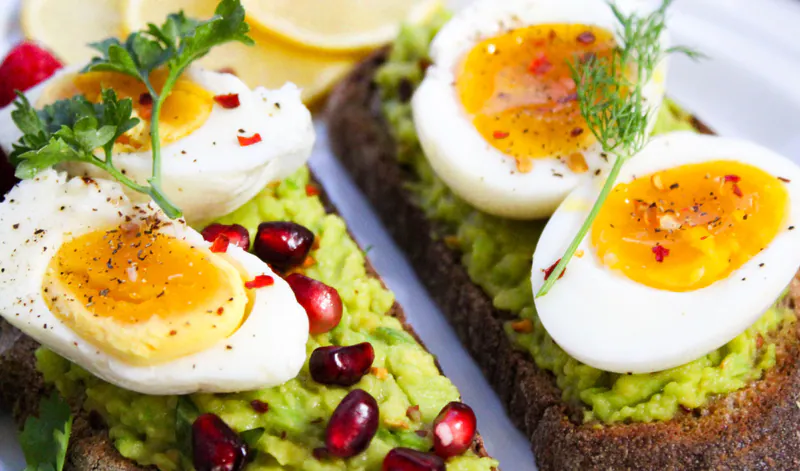
Avocado and Egg Toast
International · 12 min · 426 kcal · Contains egg
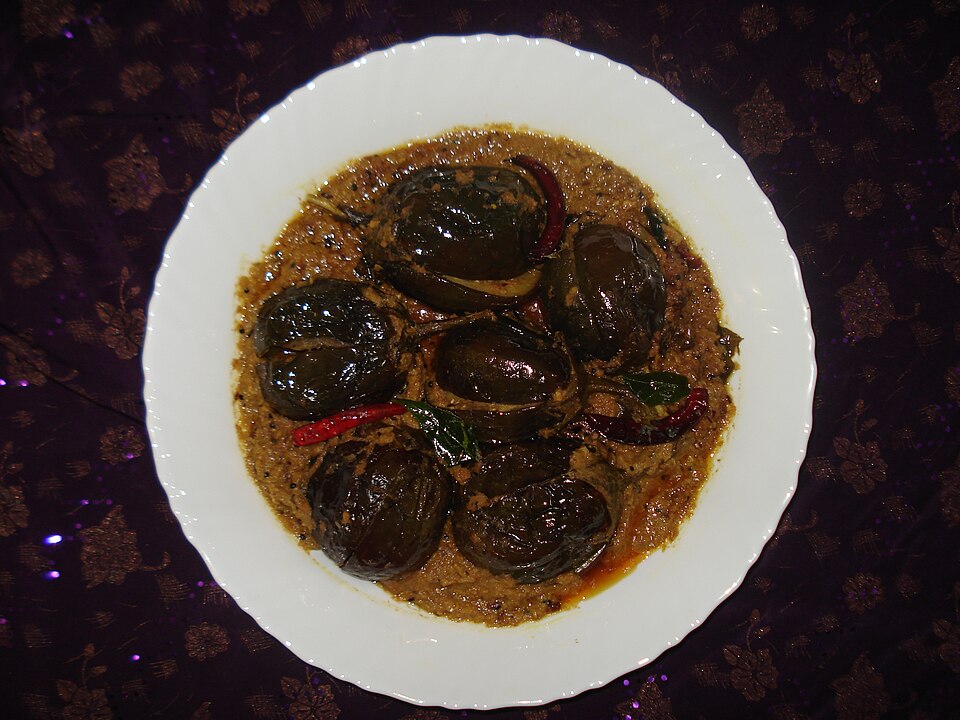
Bagara baingan
 Indian · 55 min · 314 kcal · Vegan
Baharat (Lebanese seven spice)
 Lebanese · 19 min · 6 kcal · Vegan
Bajra raab
Indian · 14 min · 175 kcal · VegetarianBajra roti
Indian · 40 min · 221 kcal · VegetarianBaleadas
 Honduran · 1 h 10 min · 433 kcal
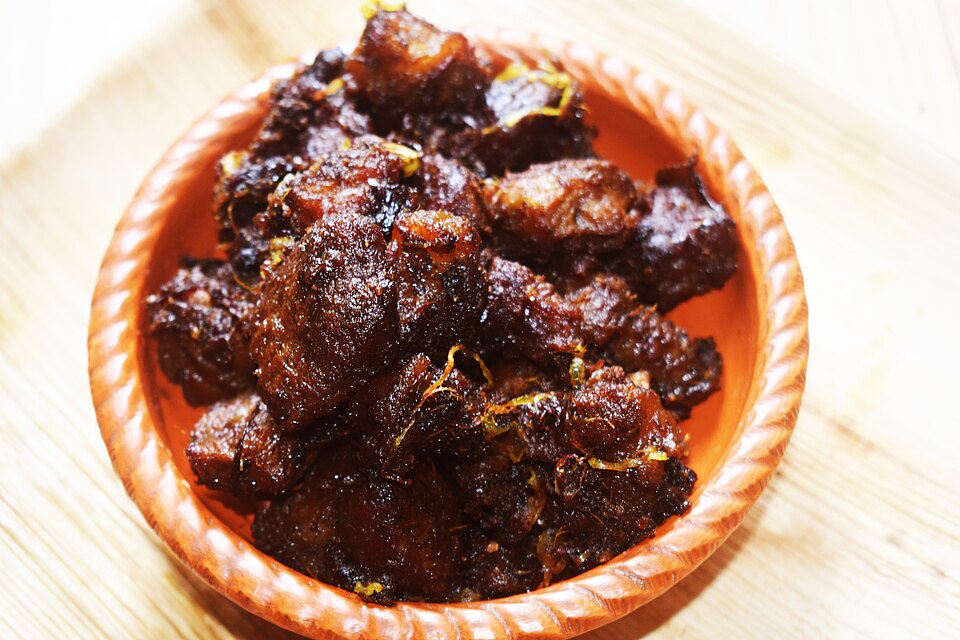
Beef kala bhuna
 Bangladeshi · 2 h 50 min · 438 kcal
Bengali garam masala
Bengali · 15 min · 6 kcal · Vegan
138 more
- Berbere spice blend · Ethiopian
- Besan ladoo · Indian
- Bhang ki chutney (Kumaoni hemp seed chutney) · Indian
- Bhuna khichuri · Bangladeshi
- Biryani masala · Indian
- Bumbu dasar merah (Indonesian red spice base) · Indonesian
- Bun kebab · Pakistani
- Cacio e pepe · Italian
- Caesar salad · American
- Chaat masala · Indian
- Chammanthi podi (Kerala roasted coconut chutney powder) · South Indian
- Chechebsa · Ethiopian
- Cheese and onion toastie · British
- Cheese quesadillas · Mexican
- Chettinad chicken curry · South Indian
- Chettinad masala · South Indian
- Chinese five-spice powder · Chinese
- Chole masala · Punjabi
- Chuchitos · Guatemalan
- Coorg pandi curry · South Indian
- Corn tortillas (masa harina) · Mexican
- Cuban sandwich · Cuban
- Cucumber raita · Indian
- Dohneiiong · Indian
- Dry garlic chutney (vada pav chutney) · Indian
- Dukkah with bread and olive oil · Egyptian
- Egg Kejriwal · Indian
- Eggs Benedict · American
- Egyptian dukkah · Egyptian
- Ellu podi (sesame powder) · South Indian
- Eromba (Manipuri fermented fish and vegetable mash) · Indian
- Everyday curry powder (British-style) · British
- Farofa · Brazilian
- Fattoush · Lebanese
- Fermented bamboo shoot chutney · Indian
- Flour tortillas · Mexican
- Garlic butter naan (yeast-free, pan-cooked) · Indian
- Gavurdağı salatası · Turkish
- Ghadichi poli (layered triangle chapati) · Indian
- Goan vindaloo paste · Goan
- Goda masala · Indian
- Goma dare (Japanese sesame sauce) · Japanese
- Gongura pachadi (Andhra sorrel-leaf chutney) · South Indian
- Göy qutabı · Azerbaijani
- Greek Yogurt Berry Parfait · International
- Hari mirch chutney (green chilli chutney) · Indian
- Harissa · Tunisian
- Hariyali green masala · Indian
- Homemade Honey Nut Granola · International
- Jamaican jerk paste (wet jerk) · Jamaican
- Javas chutney (Maharashtrian flaxseed chutney) · Indian
- Jowar bhakri · Indian
- Kadai masala · Punjabi
- Kadai paneer · Punjabi
- Kadala curry · South Indian
- Kak'ik · Guatemalan
- Kancha aamer chutney (Bengali green mango chutney) · Bengali
- Kangshoi · Indian
- Karnataka chutney pudi (coconut lentil chutney powder) · South Indian
- Karuveppilai podi (curry leaf powder) · South Indian
- Kaya toast with soft-boiled eggs · Singaporean
- Kerala (Malabar) garam masala · South Indian
- Kerala pathiri · South Indian
- Kismur · Goan
- Kisra · Sudanese
- Kolhapuri chicken curry · Indian
- Kolhapuri kanda-lasun masala · Indian
- Kori gassi · South Indian
- Lao beef larb · Lao
- Larb gai · Thai
- Lavash · Armenian
- Lokše · Slovak
- Madras curry powder · Indian
- Makki di roti · Punjabi
- Malvani fish curry · Indian
- Malvani masala · Indian
- Massaman curry paste · Thai
- Massaman curry with beef · Thai
- Mexican red rice · Mexican
- Milagu rasam · South Indian
- Mirchi ka salan · Indian
- Mojo picón (Canarian red mojo) · Spanish
- Molagapodi (idli podi with oil) · South Indian
- Mole poblano · Mexican
- Mughlai (shahi) garam masala · Indian
- Mysore rasam · South Indian
- Nam jim jaew · Thai
- Namkeen lassi · Pakistani
- Or lam · Lao
- Pan con tomate · Spanish
- Panang curry paste · Thai
- Paruppu podi (lentil powder for rice) · South Indian
- Pav bhaji · Indian
- Pav bhaji masala · Indian
- Peanut Butter Banana Toast · International
- Pepián de pollo · Guatemalan
- Phở bò (beef pho) · Vietnamese
- Phulka (puffed roti) · Indian
- Pulihora (Andhra tamarind rice) · South Indian
- Punjabi garam masala · Punjabi
- Ras el hanout · Moroccan
- Rasam powder · South Indian
- Recado rojo (Yucatecan achiote paste) · Mexican
- Romesco sauce · Spanish
- Rumali roti · Indian
- Rupjmaizes kārtojums · Latvian
- Salsa roja asada · Mexican
- Salsa taquera (chile de árbol salsa) · Mexican
- Sambal belacan · Malaysian
- Sambar · South Indian
- Sambar powder · South Indian
- Shengdana chutney (Maharashtrian dry peanut chutney) · Indian
- Shichimi togarashi · Japanese
- Singju · Indian
- Smashed avocado on toast · Australian
- Sooji halwa · Indian
- Sopa de fideo · Mexican
- Spinach goma-ae · Japanese
- Sri Lankan black pork curry · Sri Lankan
- Sri Lankan roasted curry powder · Sri Lankan
- Tandoori masala · Punjabi
- Tandoori roti · Punjabi
- Tex-Mex chili powder · Tex-Mex
- Thai green curry paste · Thai
- Thai red curry paste · Thai
- Thai yellow curry paste · Thai
- Thenga chammanthi (Kerala pounded coconut chutney) · South Indian
- Tilachi chutney (Maharashtrian dry sesame chutney) · Indian
- Tlayudas · Mexican
- Tomato bruschetta · Italian
- Tomato thokku · South Indian
- Upma · South Indian
- Waldorf salad · American
- Welsh rarebit · British
- Xacuti masala · Goan
- Yam nuea · Thai
- Yam som o · Thai
- Za'atar · Levantine