
Cookware & bakeware · Pan
Wok
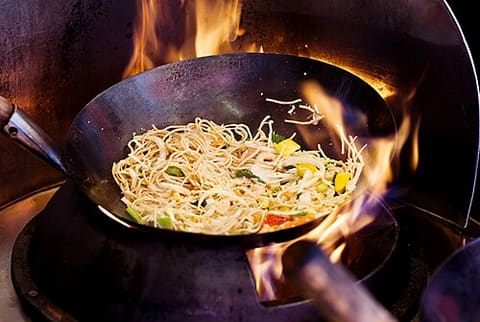
A deep, round-bottomed or flat-based pan with flared sides, used for stir-frying, steaming and deep-frying.
Useful to have · Used on the stovetop · 114 recipes
Photo: Wok to Walk International, S.L., via Wikimedia Commons (CC-BY-SA-4.0)
What it is
A bowl-shaped pan with high sloping sides, either a single long handle or two loop handles. The small hot centre and cooler sides let food be seared then pushed aside. Round-bottomed woks suit gas burners with a ring; flat-bottomed ones suit electric and induction hobs.
What it’s for: Very hot, fast cooking with constant tossing, plus deep-frying and steaming thanks to its depth.
How to use it
- Prepare and cut all ingredients before heating; stir-frying is quick.
- Heat the wok until very hot, then swirl in oil.
- Add aromatics, then ingredients in order of cooking time, tossing constantly.
- Add sauce at the end and toss to coat.
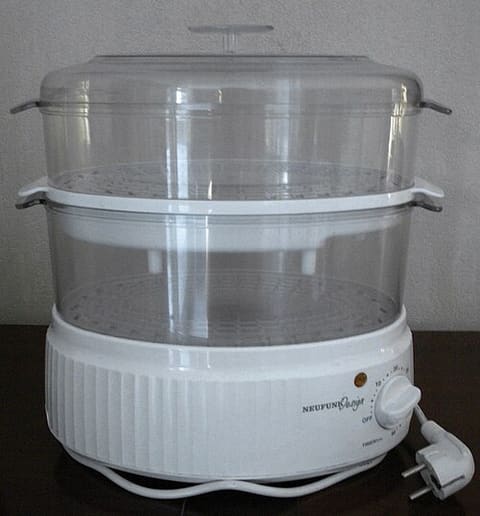
- For steaming, set a bamboo basket or rack inside over a little boiling water.
Good to know
- Tasks
- stir-frying, deep-frying, steaming dumplings and fish, tossing noodles and fried rice, smoking with tea or wood chips
- Cooking methods
- Stir-fried, Deep-fried, Steamed, Sautéed, Smoked, Braised
- Materials
- carbon steel, cast iron, non-stick, stainless steel
- Care and cleaning
- Carbon-steel woks are seasoned with oil until they darken; wash with hot water and a soft brush, dry over heat and wipe with oil. Avoid long soaks, which cause rust.
- Limitations
- Home hobs rarely get hot enough for restaurant-style results; overcrowding drops the temperature fast.
Safety
- A round-bottomed wok needs a wok ring to stay stable.
- When deep-frying, fill no more than about a third with oil and never leave it unattended.
If you don’t have one
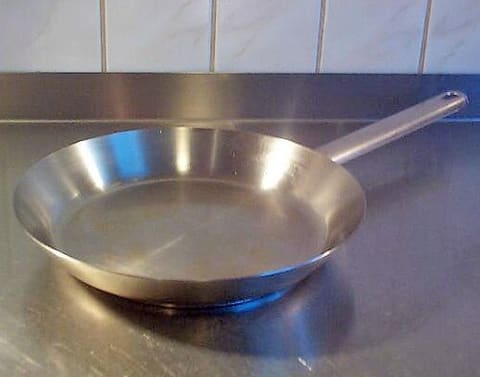
- Frying pan / skillet — Use a large one and cook in smaller batches.
- Cast-iron skillet — Gets very hot for searing, but tossing is harder.
Equipment guide
How it works: A thin, curved bowl concentrates the burner's heat at the base, creating a very hot zone in the middle and cooler sides. Food is tossed between zones, so it sears against hot metal and then rests briefly, which lets it brown without stewing. On powerful burners, flame reaching the wok's rim and oil droplets igniting during tossing contribute to the smoky 'wok hei' flavour.
| Material | Good | Watch out |
|---|---|---|
| Carbon steel | Lighter and thinner than cast iron, heats faster, seasons to a slick surface; takes very high heat. | Rusts if left wet; needs seasoning; reacts with acids until well seasoned; thinner pans hold less heat than cast iron. |
| Cast iron (bare, seasoned) | Very high heat capacity, so it holds temperature when cold food goes in; excellent for searing; oven-safe; lasts generations. | Heavy and slow to heat; heats unevenly on small burners; needs seasoning and drying; long simmering of acidic sauces can strip seasoning and give a metallic taste. |
| Non-stick wok | Easy release for beginners. | Coating cannot take the very high heat that good stir-frying needs. |
| Stainless steel, clad (tri-ply or multi-ply) | Non-reactive with acids, takes high heat, dishwasher-tolerant; the aluminium or copper core spreads heat evenly; builds fond for pan sauces. | Food sticks unless the pan is preheated with fat; heavier and slower to respond than bare aluminium. |
- Round-bottomed wok
- Traditional; works best on a gas ring with a wok ring or a dedicated wok burner.
- Flat-bottomed wok
- Sits flat on electric and induction hobs; slightly less tossing range.
- Hand-hammered wok
- Hammer marks help food rest on the sides; thin and responsive.
- Cantonese (two loop handles) vs northern (single long handle)
- Loop handles for heavy loads; a long handle for tossing.
Buying guidance
Starting out: A 30–36 cm flat-bottomed carbon steel wok with a wooden handle.
Keen cook: A round-bottomed carbon steel wok with a wok ring if you cook on gas.
Professional: Round woks of several sizes over dedicated high-output burners.
- Diameter: 30–36 cm for home burners
- Carbon steel about 1.5–2 mm thick
- Flat base for induction or electric
- Heat-resistant handle; a helper handle on larger woks
No brands or prices — check current reviews before buying.
Techniques:SearingSmokingDeep-fryingStir-fryingSteamingBhunao
Related tools

Recipes that use it
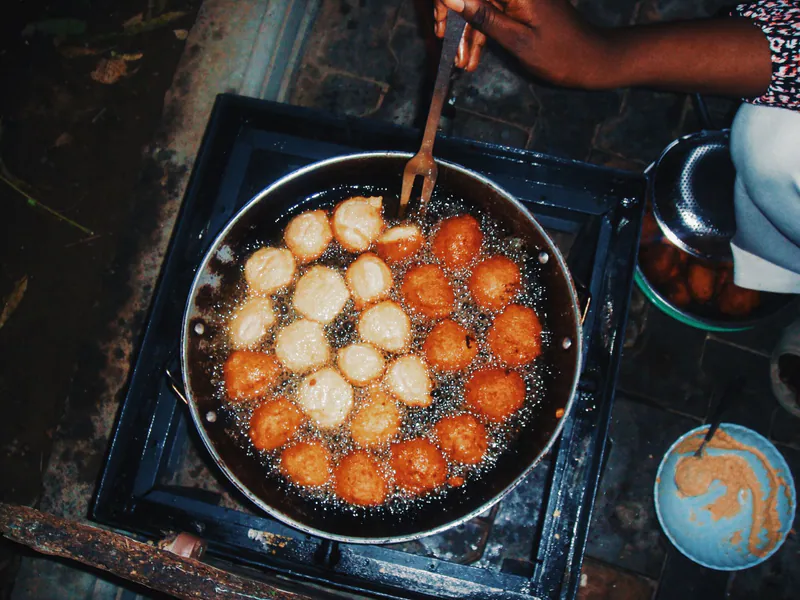
Akara
 Nigerian · 55 min · 338 kcal · Vegan
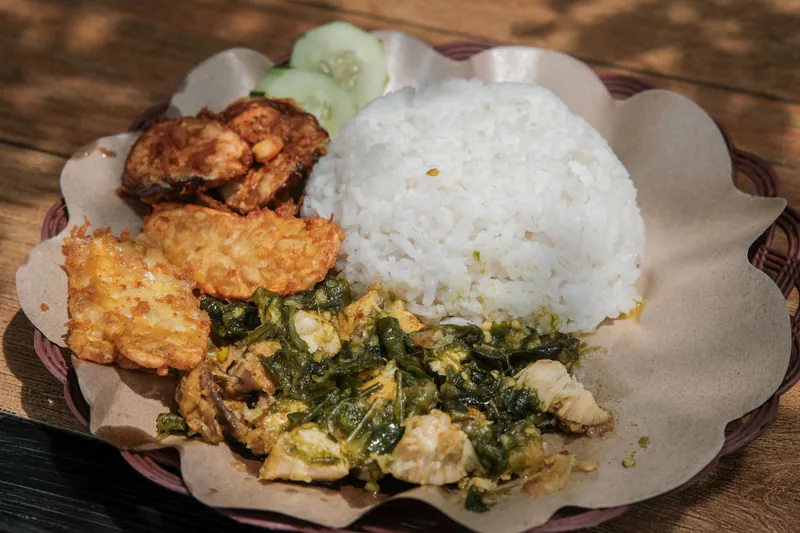
Ayam goreng kuning
 Indonesian · 1 h 10 min · 639 kcal
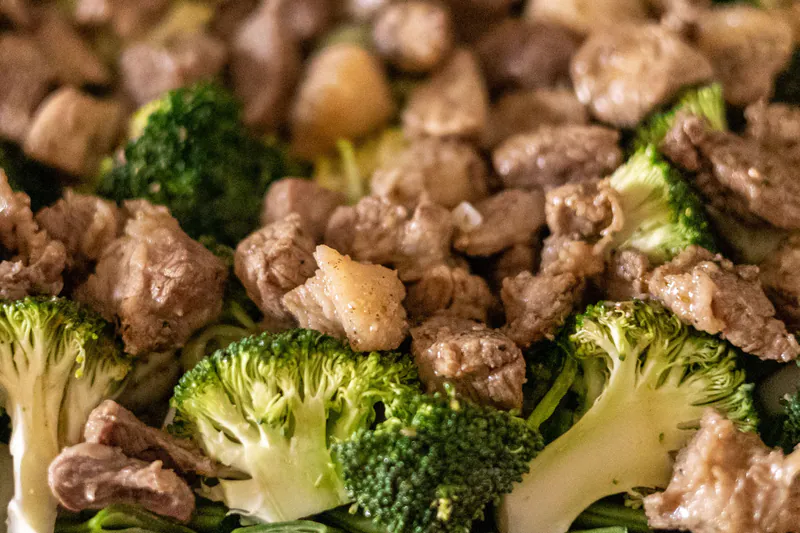
Beef and broccoli stir-fry
 Cantonese · 30 min · 309 kcal
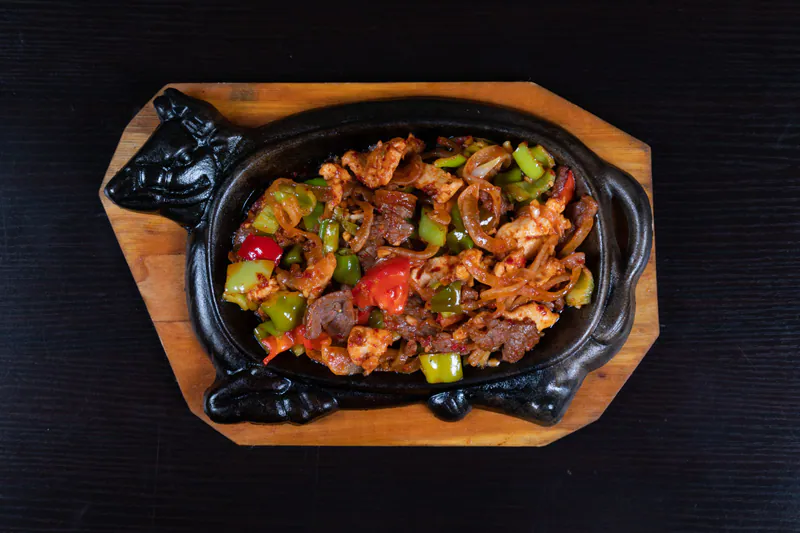
Beef and Pepper Stir-Fry
International · 23 min · 371 kcal
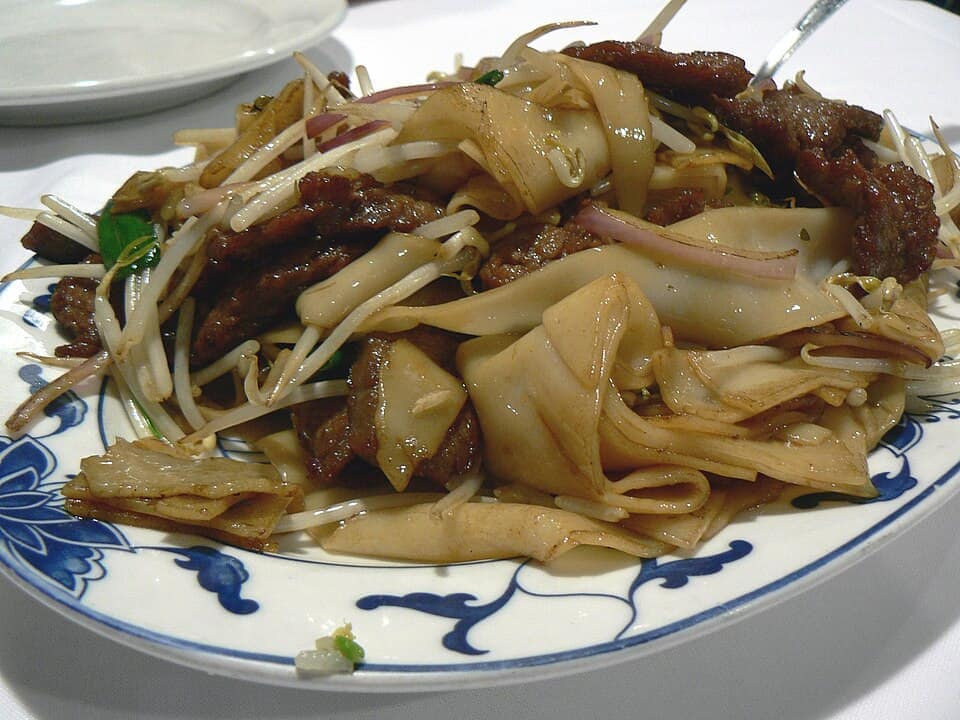
Beef chow fun
Cantonese · 30 min · 772 kcal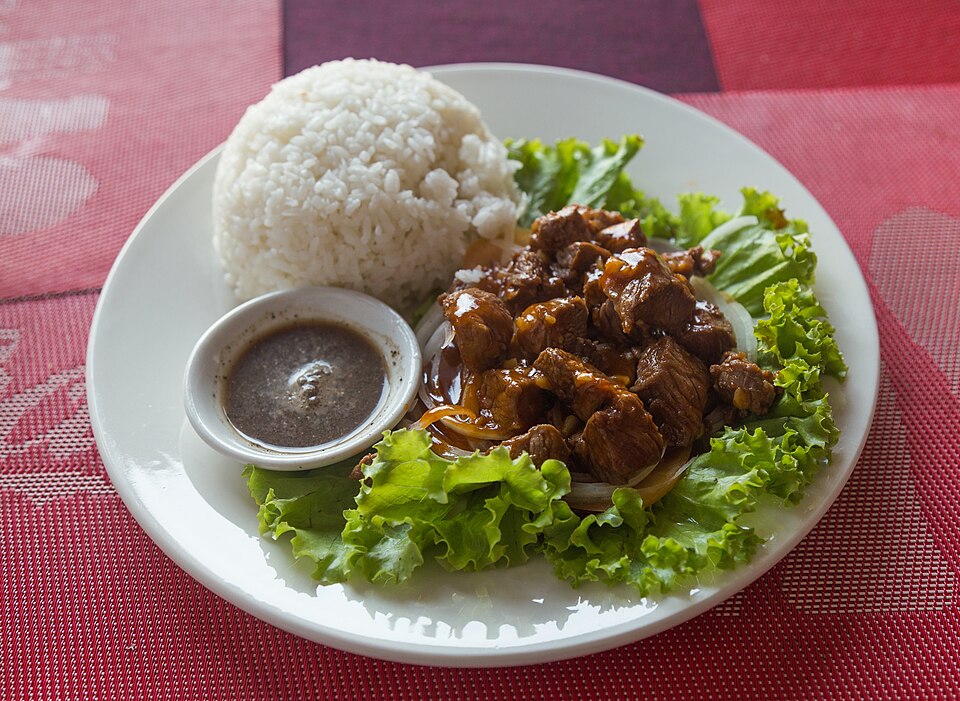
Beef lok lak
 Cambodian · 59 min · 285 kcal
Black bean sauce
Cantonese · 14 min · 113 kcal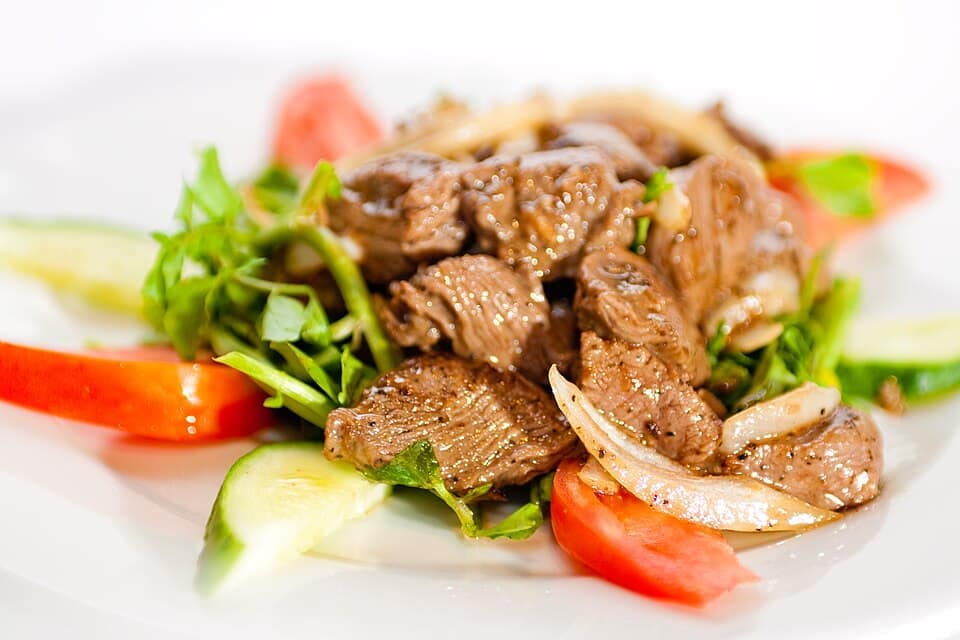
Bò lúc lắc (shaking beef)
 Vietnamese · 53 min · 396 kcal
Bumbu dasar merah (Indonesian red spice base)
Indonesian · 55 min · 38 kcal · VeganCabbage-carrot sambharo
 Gujarati · 15 min · 67 kcal · Vegan
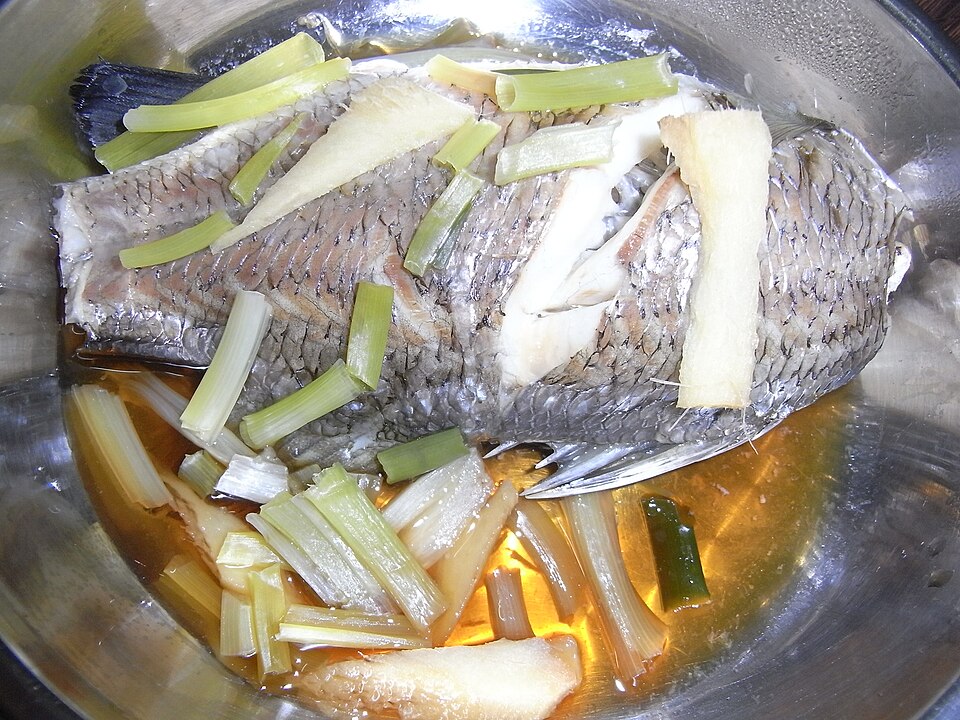
Cantonese steamed fish with ginger and spring onion
Cantonese · 22 min · 259 kcal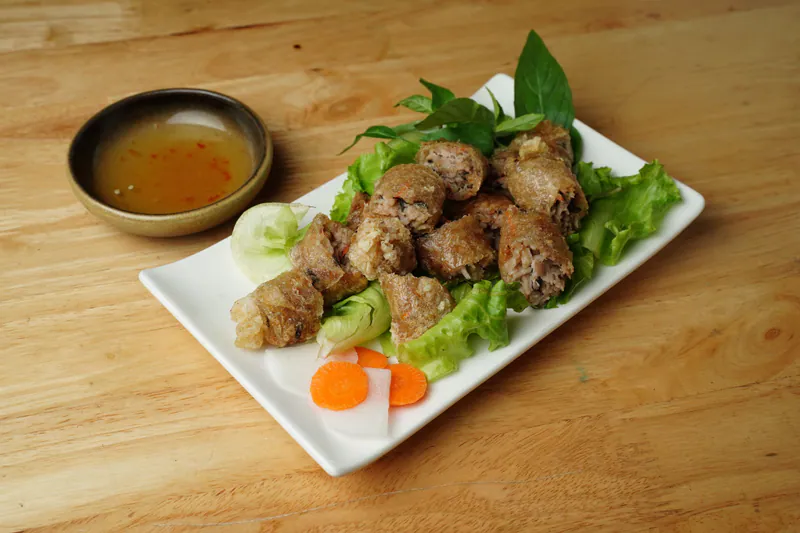
Chả giò (fried spring rolls)
Vietnamese · 1 h 15 min · 616 kcal
102 more
- Chana samosa (Chhattisgarh street-style) · Indian
- Char kway teow · Malaysian
- Chicken and Vegetable Stir-Fry · International
- Chicken balti · British
- Chicken chow mein · Cantonese
- Chicken karahi · Pakistani
- Chicken kottu roti · Sri Lankan
- Chin chin · Nigerian
- Chinese broccoli with oyster sauce · Cantonese
- Chole bhature · Punjabi
- Chongqing chilli chicken · Sichuan
- Crispy Tofu and Vegetable Stir-Fry · International
- Da pan ji (Xinjiang big plate chicken) · Chinese
- Dahi baray · Pakistani
- Dakgalbi · Korean
- Dan dan noodles · Sichuan
- Dehrori (Chhattisgarhi rice fritters in syrup) · Indian
- Di san xian (Dongbei eggplant, potato and pepper) · Chinese
- Doubles · Trinidadian
- Egg fried rice · Chinese
- Egg hoppers · Sri Lankan
- Fish-fragrant aubergine · Sichuan
- Fried carrot cake (chai tow kway) · Singaporean
- Fuchka · Bangladeshi
- Garlic bok choy stir-fry · Chinese
- Gol gappay · Pakistani
- Gulab jamun · Indian
- Gulha · Maldivian
- Guo bao rou (Dongbei sweet and sour crispy pork) · Chinese
- Halwa puri · Pakistani
- Hokkien prawn mee · Singaporean
- Home-style tofu · Sichuan
- Hot and sour shredded potatoes · Chinese
- Hua juan (steamed scallion flower rolls) · Chinese
- Hunan farmhouse stir-fried pork with green chillies · Chinese
- Hunan steamed fish with chopped chillies · Chinese
- Indo-Chinese schezwan sauce · Indian
- Jalebi · Indian
- Japchae · Korean
- Jeyuk bokkeum · Korean
- Jian dui (sesame balls) · Cantonese
- Jjajangmyeon (Korean black bean noodles) · Korean
- Kadai paneer · Punjabi
- Kadhi pakora · Punjabi
- Kangkung belacan · Malaysian
- Kelewele · Ghanaian
- Khai jiao (Thai omelette) · Thai
- Khao pad (Thai fried rice) · Thai
- Kimchi fried rice · Korean
- Koeksisters · South African
- Kung pao chicken · Sichuan
- Kuurma lagman · Kyrgyz
- Lahori chargha · Pakistani
- Lahori fish fry · Pakistani
- Lomo saltado · Peruvian
- Luchi · Bengali
- Lumpia shanghai · Filipino
- Malai kofta · Indian
- Manchow soup · Indian
- Mandazi · Kenyan
- Mapo tofu · Sichuan
- Medu vada · South Indian
- Mee goreng mamak · Malaysian
- Nam prik pao (Thai chilli jam) · Thai
- Nasi goreng · Indonesian
- Nasi lemak · Malaysian
- Pad kra pao gai · Thai
- Pad pak boong fai daeng · Thai
- Pad see ew · Thai
- Pad Thai · Thai
- Panang curry with beef · Thai
- Pancit canton · Filipino
- Puff-puff · Nigerian
- Red-braised pork belly · Chinese
- Rumali roti · Indian
- Salt and pepper tofu · Cantonese
- Sel roti · Nepalese
- Shandong sweet and sour carp · Chinese
- Shanghai fried noodles · Chinese
- Sichuan boiled fish · Sichuan
- Sichuan dry-fried green beans · Sichuan
- Singapore chilli crab · Singaporean
- Sweet and sour pork · Cantonese
- Taiwanese popcorn chicken · Taiwanese
- Talumein soup · Indian
- Thai basil eggplant stir-fry · Thai
- Thai green curry with chicken · Thai
- Thai red curry with chicken and bamboo shoots · Thai
- Thekua · Indian
- Three-cup chicken · Taiwanese
- Tomato and egg stir-fry · Chinese
- Turon · Filipino
- Twice-cooked pork · Sichuan
- Vada pav · Indian
- Vinegar-glazed napa cabbage · Chinese
- West Lake beef soup · Cantonese
- Xaak bhaji (Assamese stir-fried greens) · Indian
- XO sauce · Cantonese
- Yakgwa (Korean honey cookies) · Korean
- Yakisoba · Japanese
- Yangzhou fried rice · Chinese
- Zhajiangmian (Beijing fried sauce noodles) · Chinese