
Dry-heat cooking · beginner
Searing
Browning the surface of food quickly in a very hot pan.
What it is
Searing puts dry, seasoned food into a very hot pan with a thin film of oil and leaves it undisturbed until a deep brown crust forms. It is usually the first step before roasting, braising or stewing, or the whole method for thin steaks, scallops and fish.
Why cooks use it: The crust adds strong roasted, savoury flavour and leaves browned bits (fond) in the pan that become the base of a sauce.
The science
Above roughly 140 °C, amino acids and sugars react to form hundreds of flavour compounds (Maillard reaction). Searing does not 'seal in juices': seared meat loses about as much moisture as unseared meat; its benefit is flavour.
How heat moves into foodThe Maillard reactionHow proteins set when cookedSmoke point of fatsSous-vide science
Step by step
Take the food out of the fridge 20–30 minutes ahead and pat it very dry.
Season with salt just before cooking, or at least 40 minutes ahead.
Heat a heavy pan until very hot, then add a thin layer of high-smoke-point oil.
Lay the food away from you and leave it alone until it releases (about 1–3 minutes).
Turn and sear the other side; sear edges with tongs if needed.
Work in batches so the pan stays hot.
Heat and timing
- Searing 200–250 °C · Pan surface around 200–250 °C; the oil shimmers and just begins to smoke.
Time: 1–3 minutes per side for a crust.
How you know it’s right
- Loud, steady sizzle the moment food hits the pan
- Food releases from the pan by itself
- Deep brown, not grey, surface
Common mistakes
- Wet food
- Crowding the pan
- Moving food too early
- Using butter alone at full heat (it burns)
Troubleshooting
- Grey, steamed surface
- Dry the food, heat the pan longer and cook in smaller batches.
- Lots of smoke
- Use an oil with a higher smoke point and turn on the extractor; lower the heat slightly.
- Food sticks
- Wait; a proper crust releases naturally.
Restaurant DNA
How professionals do it
Line cooks sear proteins in very hot carbon-steel or cast-iron pans with neutral oil, then often add butter, aromatics and baste for the last minute, finishing in the oven if thick.
At home
A cast-iron skillet heated for 5 minutes and a strong extractor fan get close. Add butter only once you have turned the heat down.
General professional practice — not any particular restaurant’s recipe.
Food safety
- Lay food away from you to avoid splashes.
- Keep a lid nearby in case oil catches; never use water on an oil fire.
Practise it
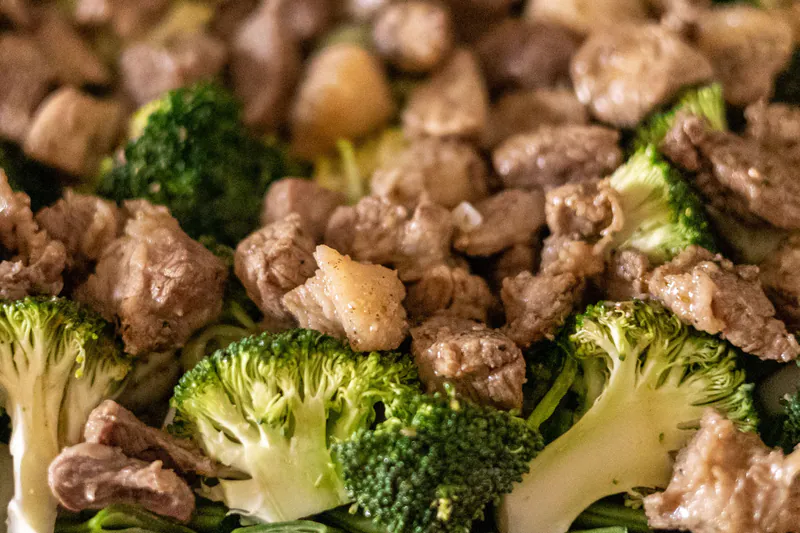
Beef and broccoli stir-fry
 Cantonese · 30 min · 309 kcal
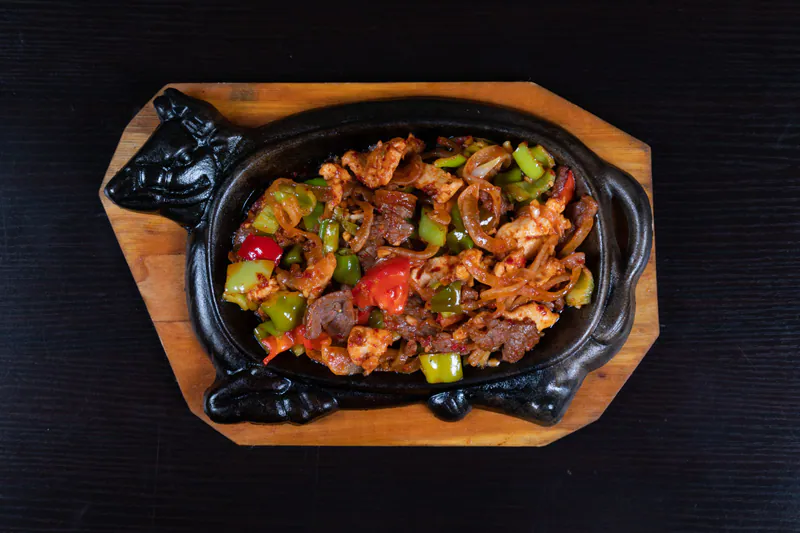
Beef and Pepper Stir-Fry
International · 23 min · 371 kcal
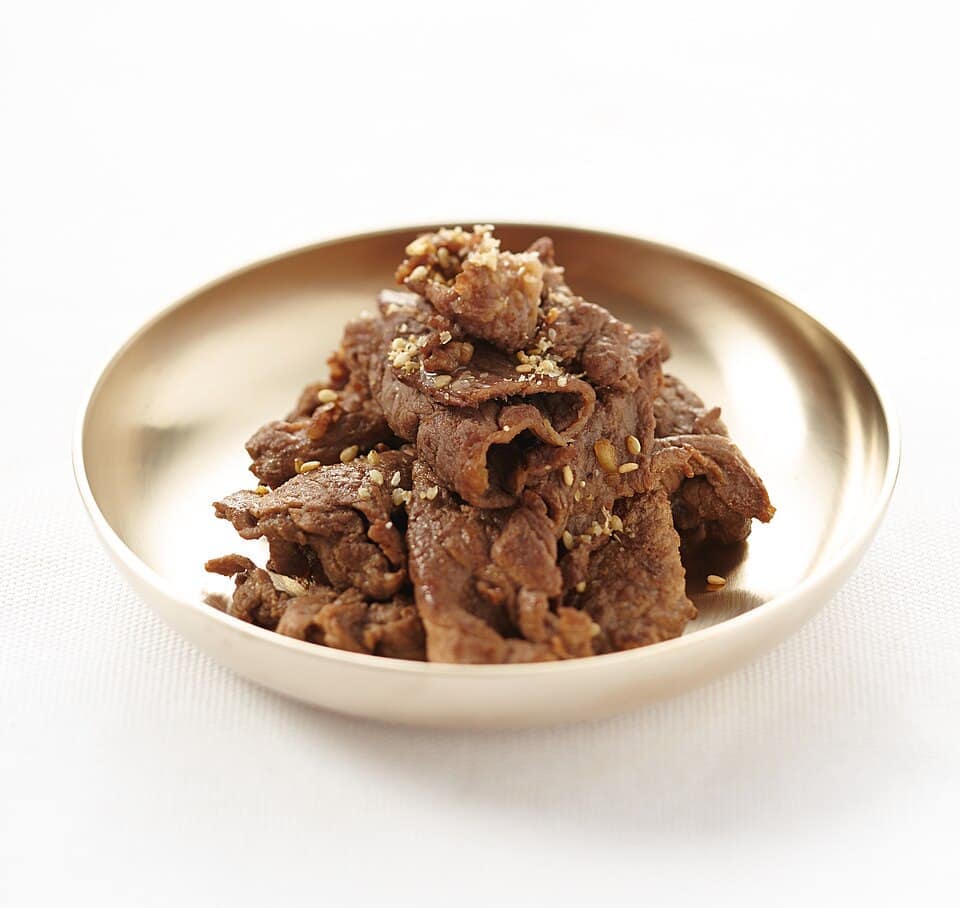
Beef bulgogi
 Korean · 55 min · 288 kcal
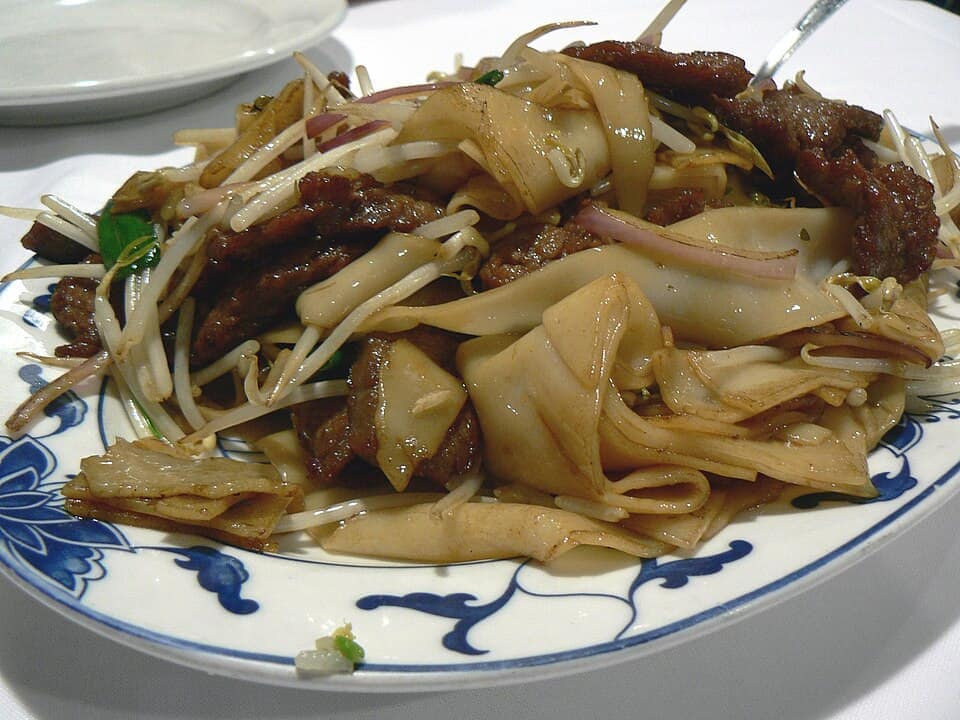
Beef chow fun
Cantonese · 30 min · 772 kcal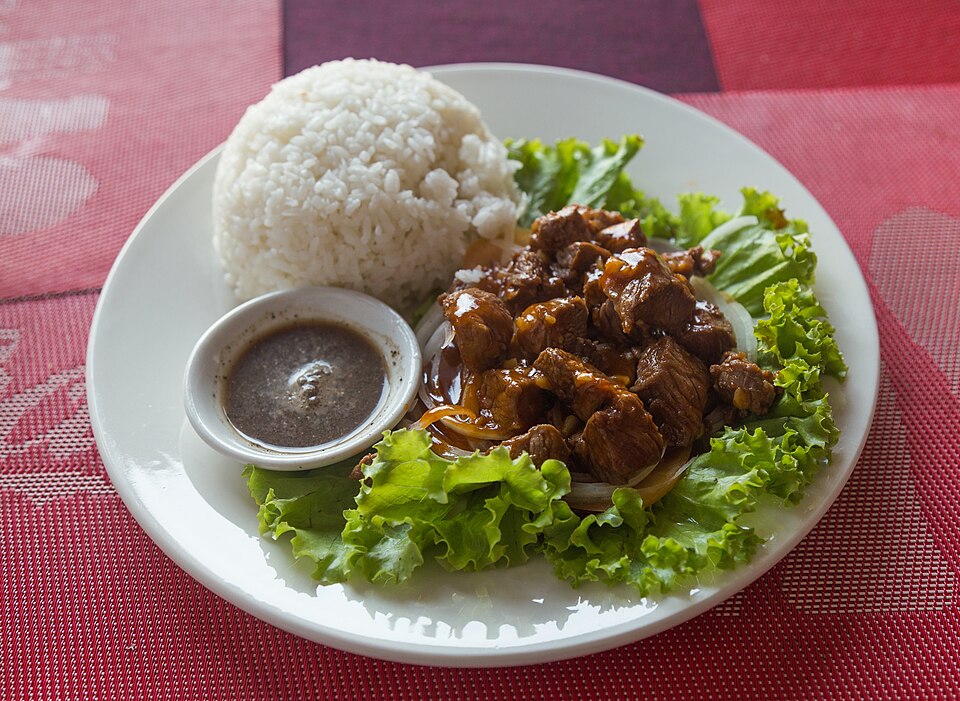
Beef lok lak
 Cambodian · 59 min · 285 kcal
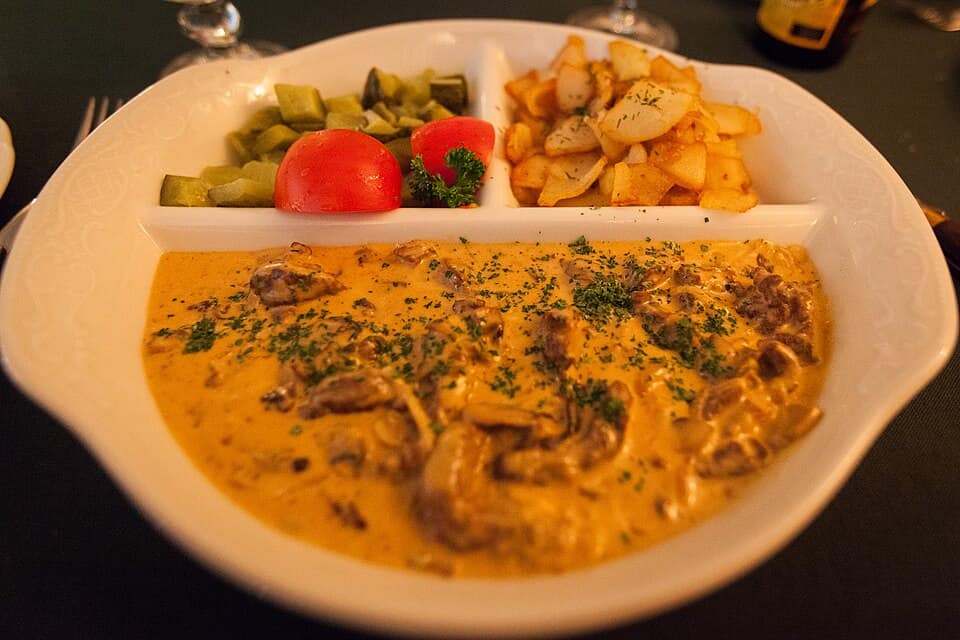
Beef stroganoff
 Russian · 35 min · 421 kcal
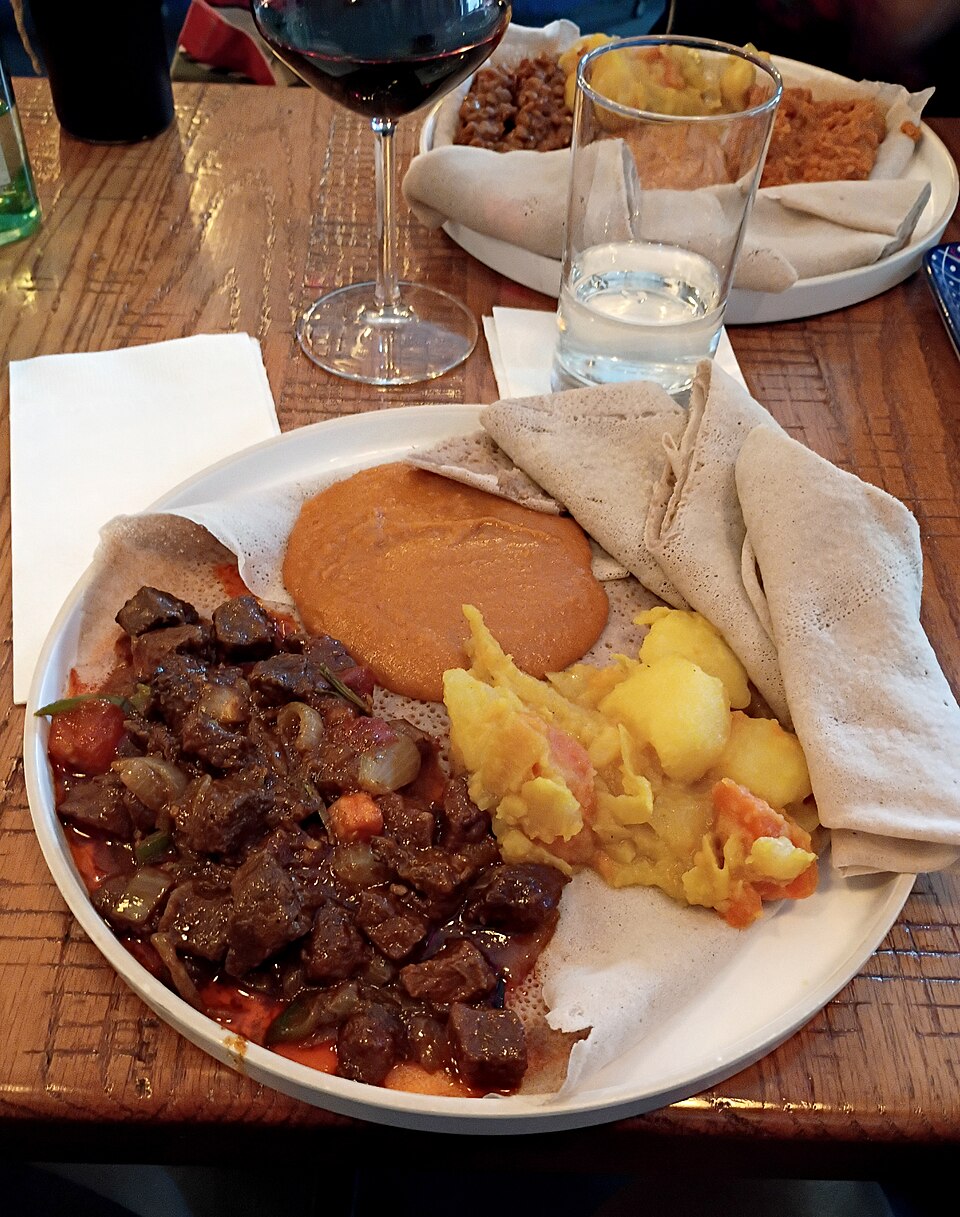
Beef tibs
 Ethiopian · 25 min · 301 kcal
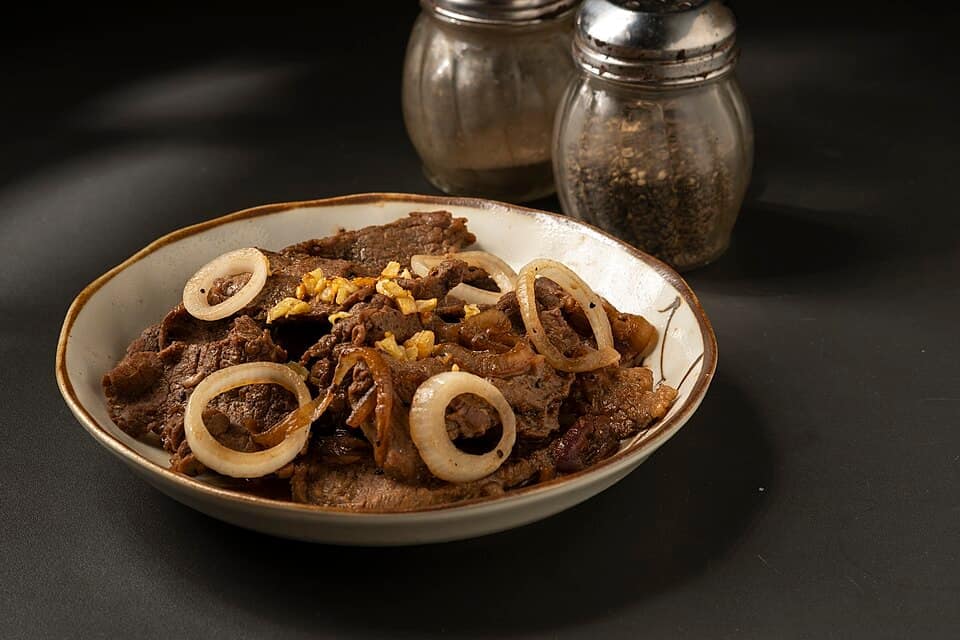
Bistek Tagalog
 Filipino · 1 h 35 min · 333 kcal
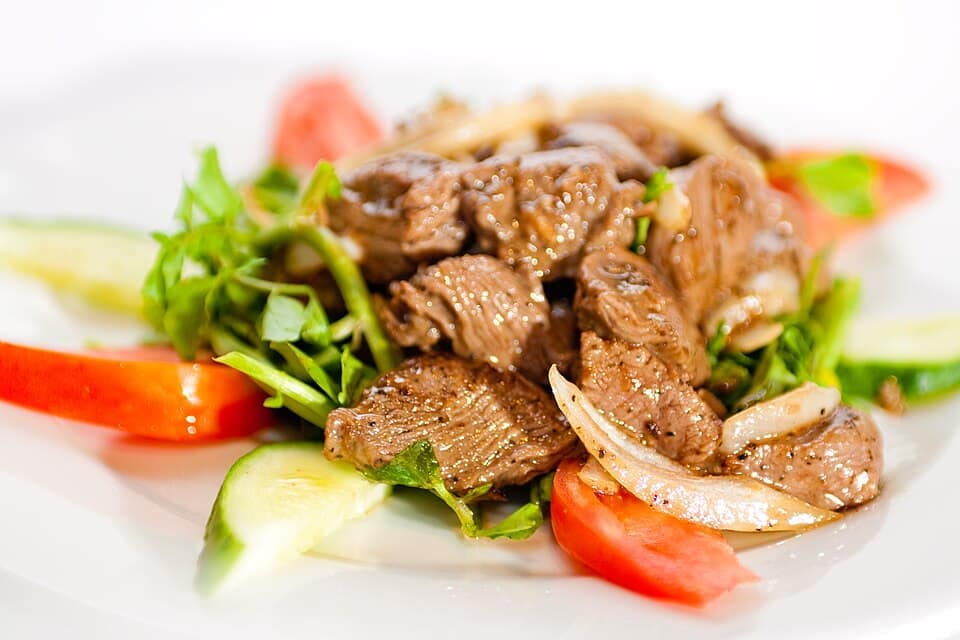
Bò lúc lắc (shaking beef)
 Vietnamese · 53 min · 396 kcal
20 more
- Chettinad chicken curry · South Indian
- Chivito · Uruguayan
- Duck curry with ash gourd · Indian
- Grilled picanha · Brazilian
- Hyderabadi marag · Indian
- İskender kebap · Turkish
- Jamaican jerk chicken · Jamaican
- Kori gassi · South Indian
- Laal maas · Indian
- Lomo saltado · Peruvian
- Mchuzi wa samaki · Tanzanian
- Pique macho · Bolivian
- Pork gyros pita · Greek
- Red wine pan sauce · French
- Rogan josh · Indian
- Shaiyah · Sudanese
- Sukiyaki · Japanese
- Tacos al pastor · Mexican
- Yakitori tare · Japanese
- Zürcher Geschnetzeltes · Swiss