
Gyoza (pan-fried pork dumplings)
Non-vegetarian
餃子 · gyōza
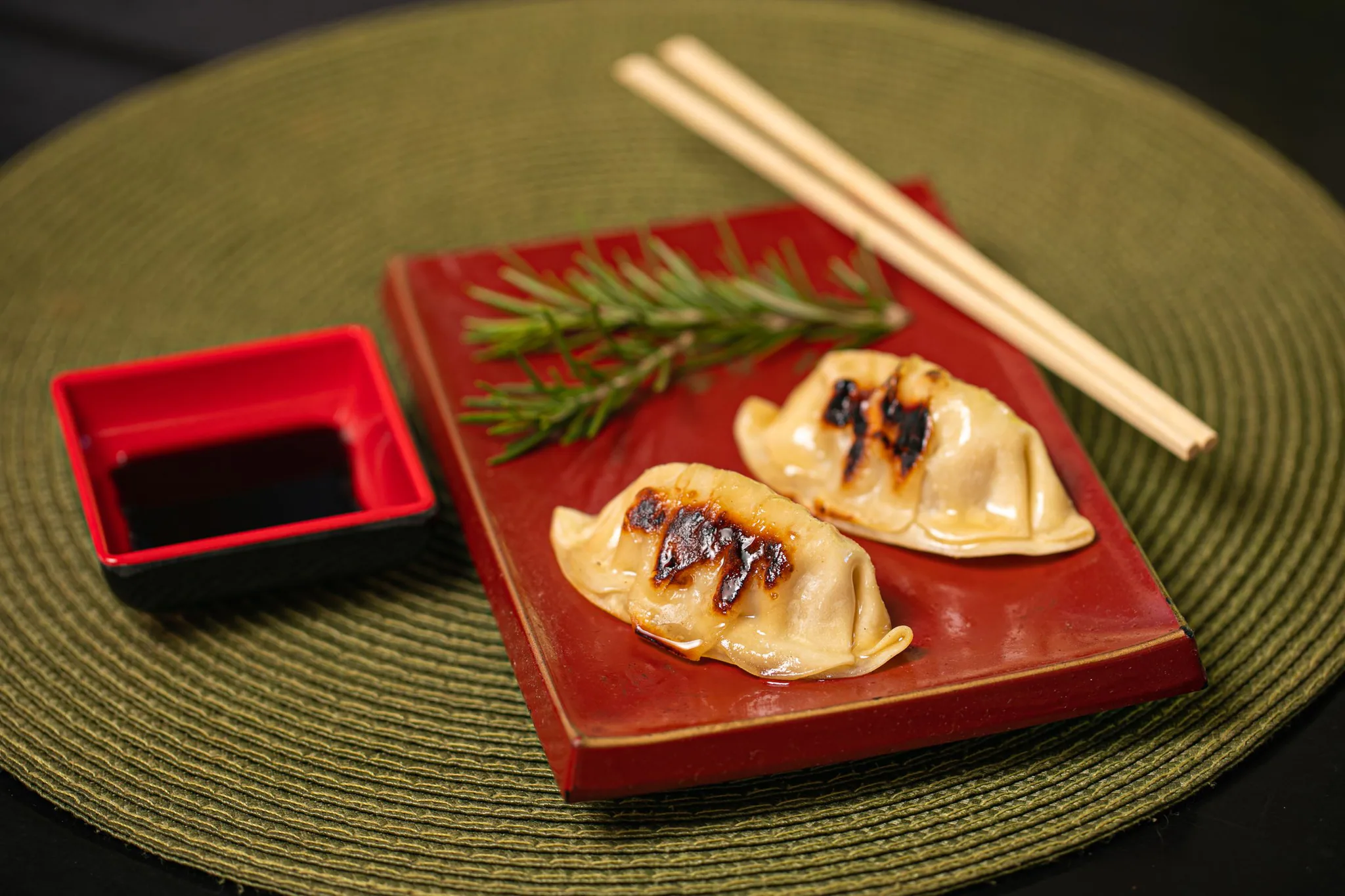
Thin-skinned dumplings filled with pork, cabbage, garlic chives and ginger, fried until the bases are crisp and golden, then steamed until tender. Served with a soy, vinegar and chilli oil dip.
Gyoza (pan-fried pork dumplings) is a Japanese dumpling dish, ready in about 55 minutes and made with cabbage, ground pork and wonton / dumpling wrappers. It serves 4 and is rated intermediate to cook.
- Prep
- 40 min
- Cook
- 15 min
- Total
- 55 min
- Serves
- 4
- Level
- Intermediate
- Calories
- 447
Method
Step 1
Toss the cabbage (opens in a new tab) with the salt and leave 10 minutes, then squeeze out as much water as you can.
- 10 min
Step 2
Mix the pork, cabbage (opens in a new tab), chives (opens in a new tab), garlic (opens in a new tab), ginger, soy sauce (opens in a new tab), sake (opens in a new tab) and sesame oil (opens in a new tab), kneading until sticky.
- 5 min
Food safety: Wash hands and surfaces after handling raw pork.

How it looks · Photo: Klaus Nielsen on Pexels Step 3
Put a heaped teaspoon of filling on each wrapper, wet the edge and fold in half, pleating one side to seal.
- 20 min
Step 4
Heat the oil in a non-stick pan with a lid and arrange the gyoza flat side down. Fry until the bases are golden.
- 3 min
- medium-high heat
- Frying pan / skillet (opens in a new tab)
Step 5
Pour in the water, cover immediately and steam until the water has evaporated and the wrappers are translucent. Uncover and fry another minute to re-crisp.
- 6 min
- medium heat
Food safety: Water hitting hot oil spits — add it carefully and cover at once.
Step 6
Mix the dipping sauce and serve the gyoza crisp side up.
- 1 min
About this dish
- Origin
- Japan · Well documentedAdapted from Chinese jiaozi and popularised in Japan after the Second World War.More food from Japan
- Dish
- Lunch · Dinner · Snack · Dumplings · Appetizers & starters
- Cooking method
- Pan-fried, Steamed
- Taste
- savoury, garlicky, umami
- Diet
- Dairy-freeWithout the optional extras: No nut ingredients, Alcohol-freeWith the listed swaps: Pork-freeWorked out from the ingredients. How labels work
All labels
Non-vegetarian · Dairy-free · No added sugar · Beef-free · Calorie-conscious - Good for
- Freezer-friendly · Make-ahead · Child-friendly
- Cook more with
- Cabbage · Ground pork · Wonton / dumpling wrappers · Chives · Garlic · Fresh ginger
- Techniques
- Pan-frying · Steaming · Kneading
Allergens
- Contains: Eggsfrom wonton / dumpling wrappers
- May contain: Peanutsfrom chilli oil
- Contains: Wheatfrom soy sauce, wonton / dumpling wrappers
- Contains: Glutenfrom soy sauce, wonton / dumpling wrappers
- Contains: Soyfrom soy sauce, chilli oil
- Contains: Sesamefrom toasted sesame oil, chilli oil
Based on typical versions of these ingredients and not verified allergen-free. Brands differ and cross-contact happens, so always check labels. For severe allergies, follow your clinician’s advice.
Nutrition
447 kcal per serving
Estimated1 serving ≈ 238 g · recipe makes 4
Where the energy comes from
- Protein 17%
- Carbohydrate 36%
- Fat 48%
| Nutrient | Per serving | Per 100 g* |
|---|---|---|
| Energy | 447 kcal | 187 kcal |
| Protein | 18.5 g | 7.8 g |
| Carbohydrate | 39.6 g | 16.6 g |
| Net carbohydrate | 37 g | 15.5 g |
| Sugars | — | — |
| Added sugars | 0 g | 0 g |
| Fibre | 2.7 g | 1.1 g |
| Fat | 23.4 g | 9.8 g |
| Saturated fat | 5.9 g | 2.5 g |
| Trans fat | — | — |
| Cholesterol | 50 mg | 21 mg |
| Sodium | 1381 mg | 580 mg |
| Salt equivalent | 3.5 g | 1.4 g |
Vitamins & minerals per serving
- Potassium
- 406 mg
- Calcium
- 74 mg
- Iron
- 3.1 mg
- Magnesium
- 44 mg
- Vitamin A (RAE)
- 20 µg
- Vitamin C
- 23 mg
- Vitamin D
- —
- Vitamin B12
- 0.4 µg
- Folate (DFE)
- 114 µg
How these numbers were made
- Calculated from USDA FoodData Central (SR Legacy) per-100 g values and the listed quantities.
- *Per 100 g of combined raw ingredients; the cooked dish may weigh more or less.
- Optional ingredients are not included: sake, chilli oil.
- Rice vinegar: Distilled vinegar (FDC 172237) used as a stand-in for unseasoned rice vinegar.
- “—” means the value isn’t known for enough of the ingredients; it is never zero by default.
- Values are estimates for guidance, not for medical dosing. U.S. Department of Agriculture, Agricultural Research Service. FoodData Central, 2019. fdc.nal.usda.gov.
Good to know
Tips
- Slide a plate over the pan and flip to turn the gyoza out in one crisp sheet.
Common mistakes
- Skipping the squeeze — wet cabbage makes soggy filling that tears the wrappers.
Storage
- Freeze uncooked gyoza on a tray, then bag; keep 2 months.
Reheating
- Cook from frozen, adding 2 extra minutes of steaming.
Variations
- Sui gyoza: Boiled gyoza served in broth or with ponzu.
Original editorial recipe · FriendsPantry editorial · Not yet independently reviewed · Added · Updated
Sauces, chutneys & dips for this dish
Recipe DNA
How this dish is built
Built from the recipe’s own sections. Each band’s width is its share of the dish by weight. Choose a component to see what it does.
What the dish is built around
Main ingredient
- Cabbage, finely chopped200 g
- Ground pork, minced, with some fat250 g
- Wonton / dumpling wrappers, round gyoza wrappers30 piece · 240 g
Reviews & corrections
Reviews come from signed-in cooks and appear after a moderator checks them. We never show made-up ratings.
You might also like
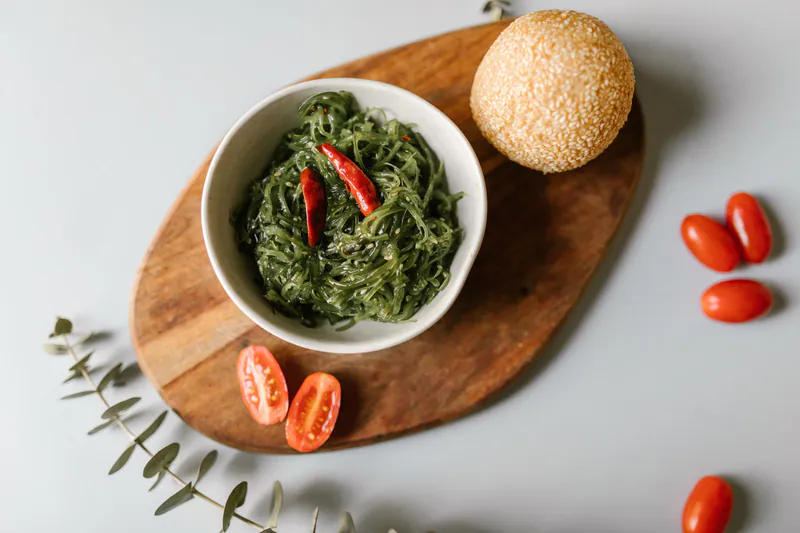
Wakame and cucumber sesame salad
 Japanese · 25 min · 83 kcal · Vegan
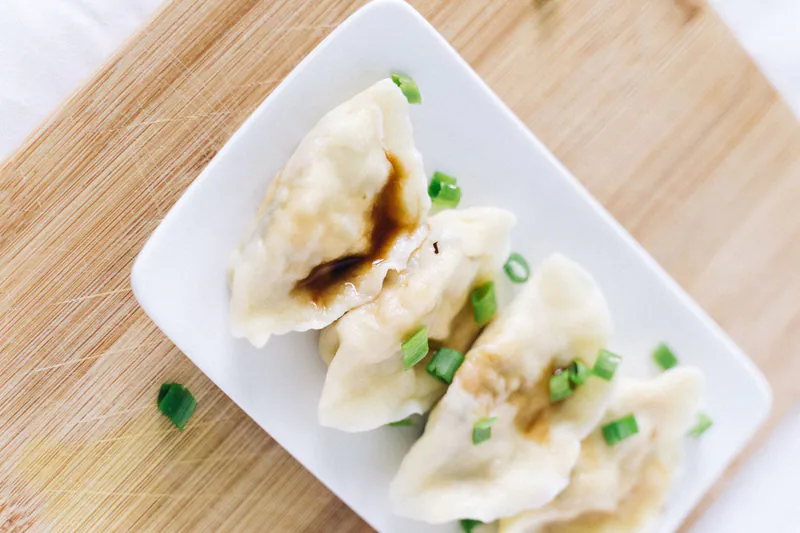
Pork and cabbage jiaozi
 Chinese · 1 h 20 min · 564 kcal
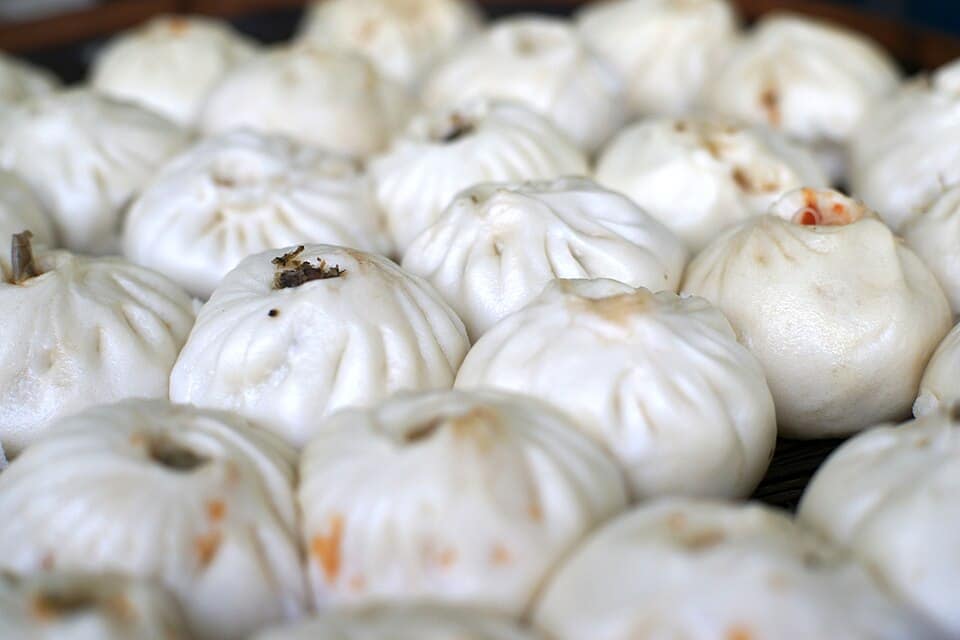
Pork baozi (steamed pork buns)
Chinese · 2 h 25 min · 244 kcal
Japanese curry rice
Japanese · 1 h 5 min · 748 kcal