
Pain perdu
Contains egg (no meat or fish)
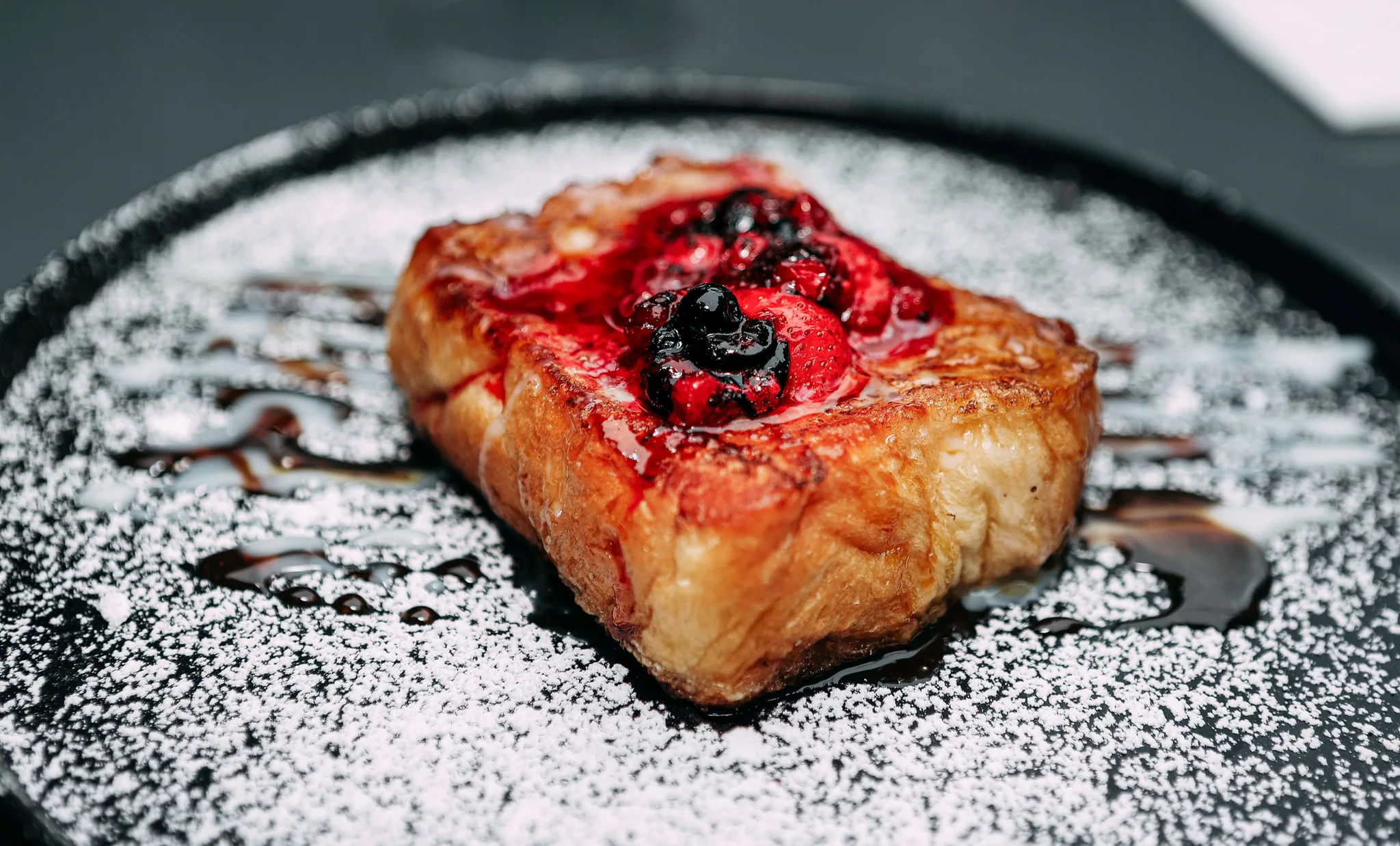
'Lost bread': thick slices of stale bread soaked in sweetened eggy milk and fried in butter until golden outside and custardy within.
Pain perdu is a French egg dish, ready in about 25 minutes and made with egg and crusty bread / baguette. It serves 4 and is rated beginner to cook.
- Prep
- 10 min
- Cook
- 15 min
- Total
- 25 min
- Serves
- 4
- Level
- Beginner
- Calories
- 382
Method
Step 1
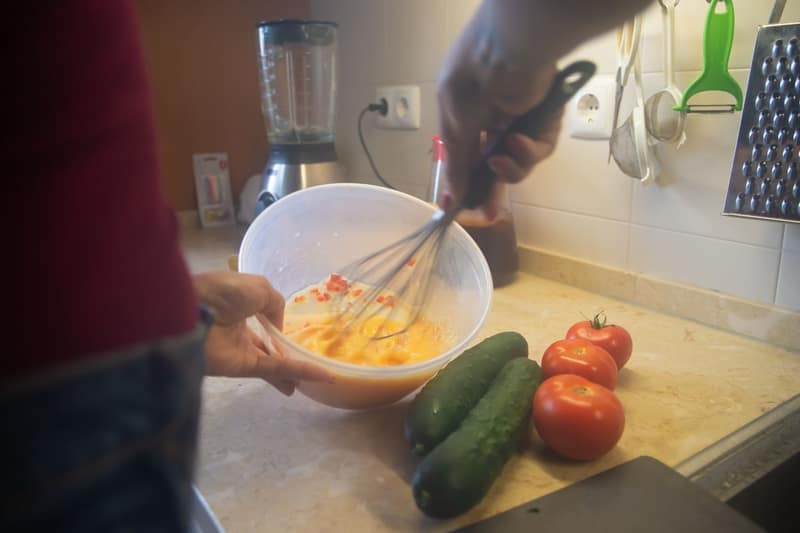
Whisk (opens in a new tab) the eggs (opens in a new tab), milk (opens in a new tab), sugar (opens in a new tab), vanilla (opens in a new tab), cinnamon (opens in a new tab) and salt in a shallow dish.
How it looks · Photo: Kampus Production on Pexels Step 2
Soak the bread slices in the mixture for about 30 seconds per side, until saturated but not falling apart.
- 4 min
Step 3
Melt some of the butter (opens in a new tab) in a frying pan over medium heat and fry the slices in batches for 2–3 minutes per side until deep golden.
- 10 min
- medium heat
- Frying pan / skillet (opens in a new tab)
Food safety: Cook until the centre is hot and the egg has set.
Step 4
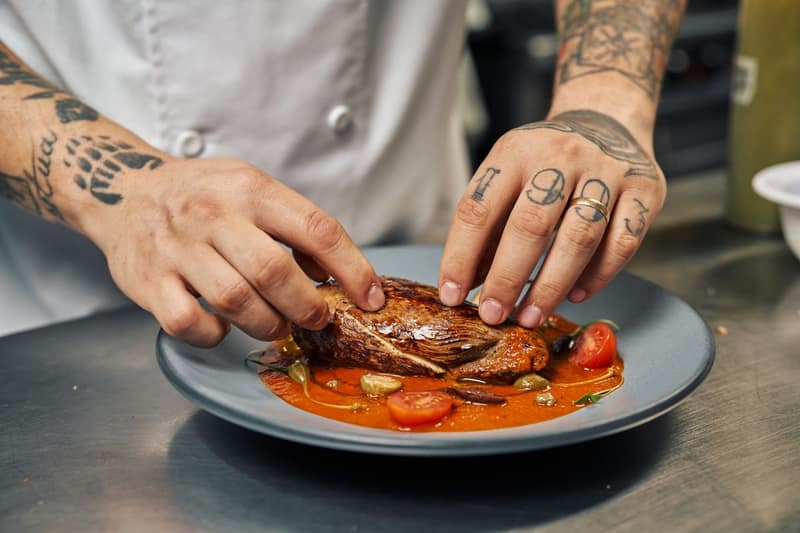
Serve dusted with icing sugar (opens in a new tab), with berries.
How it looks · Photo: Willians Huerta on Pexels
About this dish
- Origin
- Not attributed to one place · Origin disputedEgg-soaked fried bread is old and widespread across Europe; the French name is the best-known.Also popular in France, United States, United Kingdom
- Dish
- Breakfast · Brunch · Dessert · Egg dishes · Sweets & confectionery
- Cooking method
- Pan-fried
- Taste
- sweet, buttery, mild
- Diet
- Vegetarian (lacto-ovo) · No nut ingredientsWith the listed swaps: Ovo-vegetarian, Dairy-freeWorked out from the ingredients. How labels work
All labels
Vegetarian (lacto-ovo) · Eggetarian · Pescatarian · Flexitarian-friendly · No nut ingredients · Pork-free · Beef-free - Good for
- Child-friendly · Budget-friendly · Uses leftovers
- Cook more with
- Egg · Crusty bread / baguette · Milk · Sugar · Vanilla extract · Butter
- Techniques
- Pan-frying
Allergens
- Contains, can be adapted: Milkfrom milk, butter
- Contains: Eggsfrom egg
- Contains: Wheatfrom crusty bread / baguette
- Contains: Glutenfrom crusty bread / baguette
- May contain: Sesamefrom crusty bread / baguette
Based on typical versions of these ingredients and not verified allergen-free. Brands differ and cross-contact happens, so always check labels. For severe allergies, follow your clinician’s advice.
Nutrition
382 kcal per serving
Calculated1 serving ≈ 189 g · recipe makes 4
Where the energy comes from
- Protein 15%
- Carbohydrate 48%
- Fat 37%
| Nutrient | Per serving | Per 100 g* |
|---|---|---|
| Energy | 382 kcal | 202 kcal |
| Protein | 14.3 g | 7.6 g |
| Carbohydrate | 46.1 g | 24.3 g |
| Net carbohydrate | 44.6 g | 23.5 g |
| Sugars | 13 g | 6.9 g |
| Added sugars | 6.3 g | 3.3 g |
| Fibre | 1.5 g | 0.8 g |
| Fat | 15.5 g | 8.2 g |
| Saturated fat | 7.9 g | 4.2 g |
| Trans fat | — | — |
| Cholesterol | 167 mg | 88 mg |
| Sodium | 606 mg | 320 mg |
| Salt equivalent | 1.5 g | 0.8 g |
Vitamins & minerals per serving
- Potassium
- 223 mg
- Calcium
- 133 mg
- Iron
- 3.4 mg
- Magnesium
- 34 mg
- Vitamin A (RAE)
- 158 µg
- Vitamin C
- 0 mg
- Vitamin D
- 1.6 µg
- Vitamin B12
- 0.6 µg
- Folate (DFE)
- 140 µg
How these numbers were made
- Calculated from USDA FoodData Central (SR Legacy) per-100 g values and the listed quantities.
- *Per 100 g of combined raw ingredients; the cooked dish may weigh more or less.
- Optional ingredients are not included: cinnamon, icing sugar, raspberries.
- “—” means the value isn’t known for enough of the ingredients; it is never zero by default.
- Values are estimates for guidance, not for medical dosing. U.S. Department of Agriculture, Agricultural Research Service. FoodData Central, 2019. fdc.nal.usda.gov.
Good to know
Tips
- Stale bread soaks up the custard without collapsing.
Common mistakes
- Frying over high heat, which burns the outside while the custardy centre stays raw.
Serve with
- Serve with maple syrup, honey or a spoonful of crème fraîche.
Storage
- Best eaten immediately.
Variations
- Torrijas (Spain): The Spanish Easter version, soaked in milk or wine, fried in olive oil and coated in cinnamon sugar or honey.
- Rabanadas (Portugal): Portugal's Christmas version, with cinnamon sugar or a port syrup.
Original editorial recipe · FriendsPantry editorial · Not yet independently reviewed · Added · Updated
Recipe DNA
How this dish is built
Grouped by each ingredient’s role in the dish. Each band’s width is its share of the dish by weight. Choose a component to see what it does.
What the dish is built around
Main ingredient
- Egg3 piece · 150 g
- Milk250 ml · 258 g
- Crusty bread / baguette, day-old brioche or baguette, 2 cm thick8 slice · 280 g
- Butter40 g
- Raspberries, rinsed and patted dry (optional)150 g
Reviews & corrections
Reviews come from signed-in cooks and appear after a moderator checks them. We never show made-up ratings.
You might also like
Crêpes
 French · 55 min · 263 kcal · Contains egg
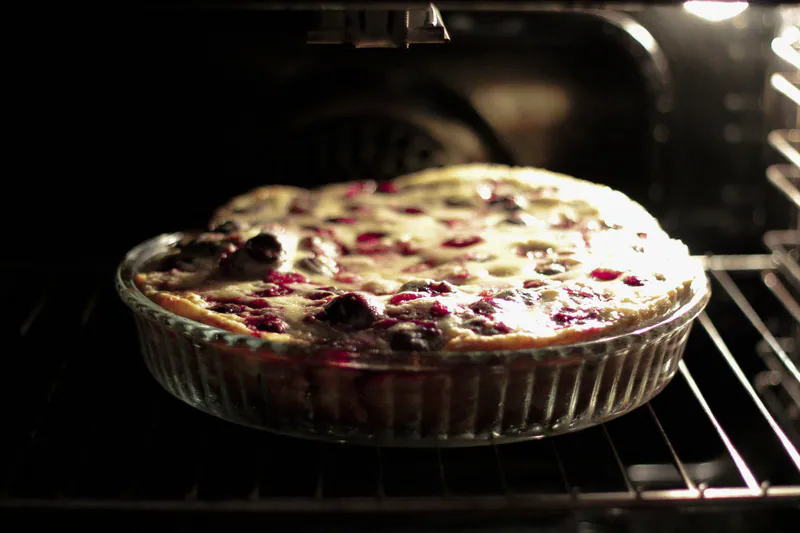
Clafoutis aux cerises
French · 1 h 10 min · 228 kcal · Contains egg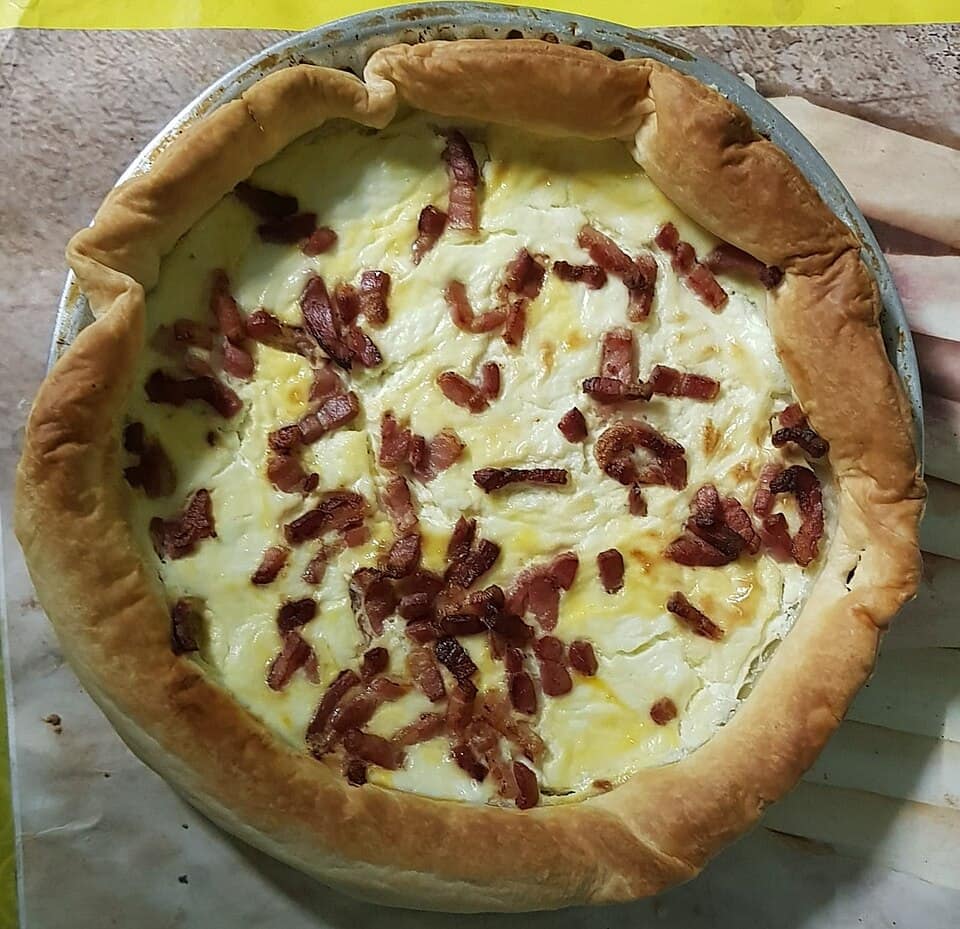
Quiche Lorraine
French · 2 h 5 min · 598 kcal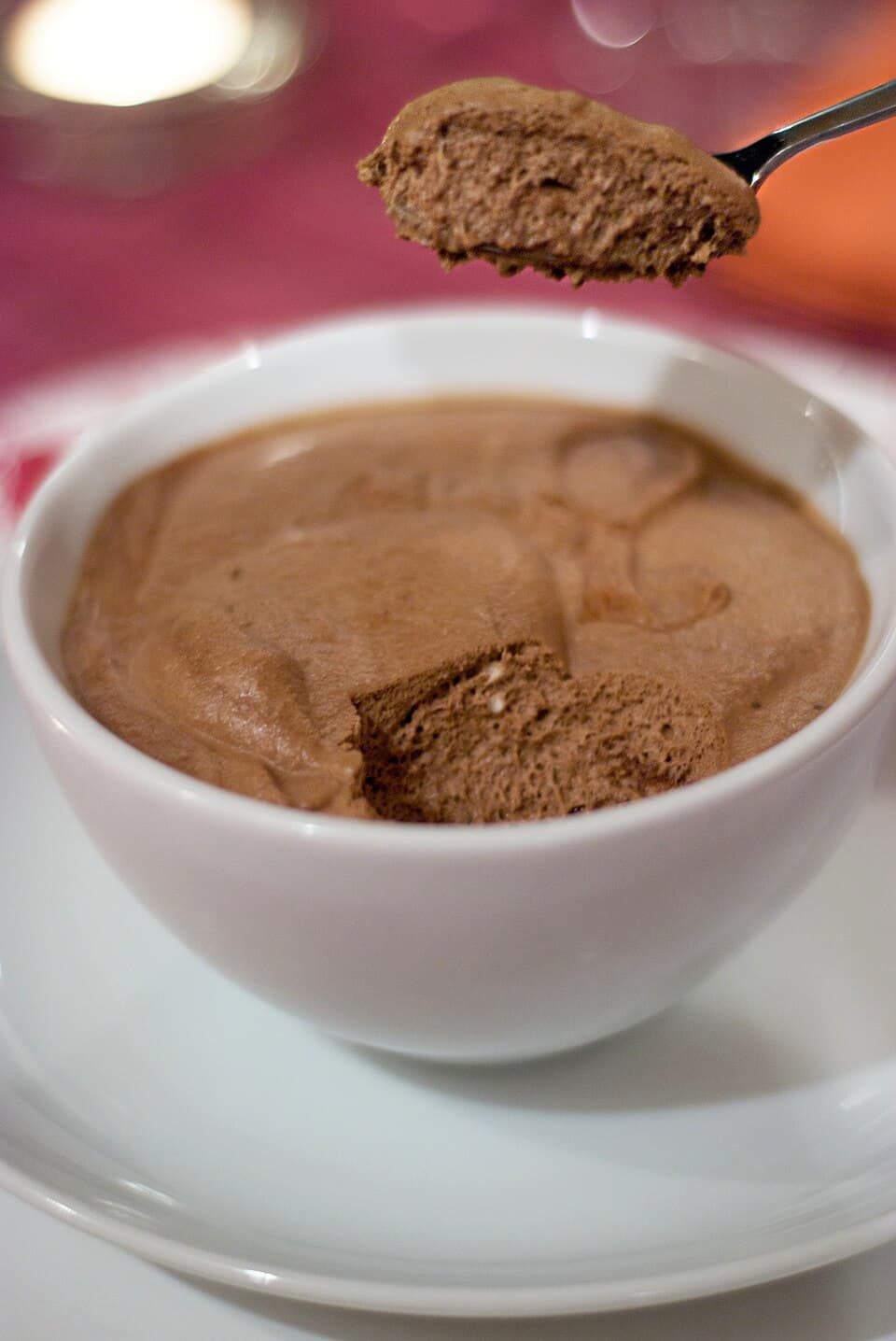
Chocolate mousse
French · 4 h 25 min · 344 kcal · Contains egg