
Kuku sabzi
Contains egg (no meat or fish)
کوکو سبزی · kuku sabzi
A thick Persian omelette that is more herbs than egg — parsley, coriander, dill and spring onion bound with eggs and turmeric, studded with walnuts and pan-fried until crisp-edged. Traditional at Nowruz.
Kuku sabzi is an Iranian egg dish, ready in about 55 minutes and made with parsley, coriander leaves and egg. It serves 4 and is rated intermediate to cook.
No licensed photograph of this dish yet.
- Prep
- 25 min
- Cook
- 25 min
- Rest
- 5 min
- Total
- 55 min
- Serves
- 4
- Level
- Intermediate
- Calories
- 215
Method
Step 1
Wash the herbs and spring onions (opens in a new tab) and dry them very well, then chop as finely as possible.
- 20 min
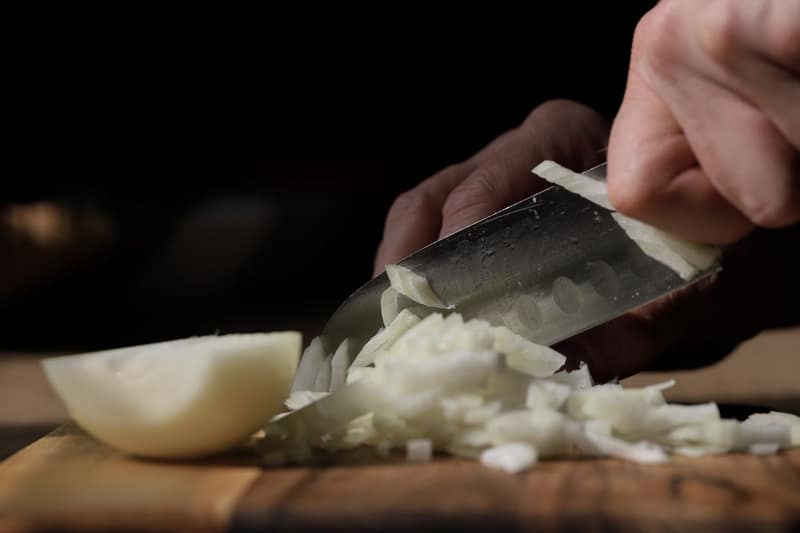
How it looks · Photo: Christina & Peter on Pexels Step 2
Whisk (opens in a new tab) the eggs (opens in a new tab) with turmeric (opens in a new tab), baking powder (opens in a new tab), salt, pepper (opens in a new tab) and fenugreek (opens in a new tab), then fold in the herbs and walnuts (opens in a new tab). The mixture should look mostly green.
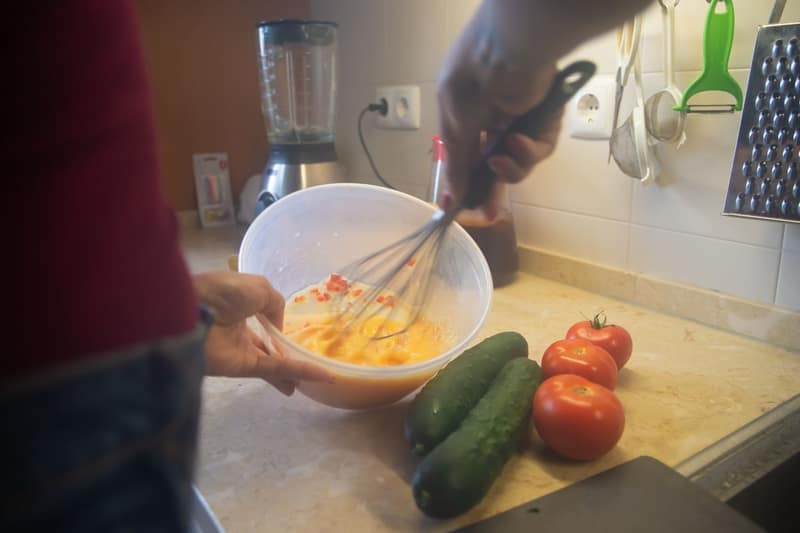
How it looks · Photo: Kampus Production on Pexels Step 3
Heat the oil in a 24 cm non-stick frying pan over medium heat, pour in the mixture and level it. Cover and cook on low until the bottom is browned and the top is almost set.
- 15 min
- low heat
- Frying pan / skillet (opens in a new tab)
Step 4
Cut into quarters and flip each piece (or slide onto a plate and invert back into the pan). Cook the second side uncovered until set and crisp. If you'd rather not flip, finish the top under a hot grill or in a 180 °C oven for 8–10 minutes.
- 8 min
- medium-low heat
Food safety: Cook until the egg is fully set in the centre.
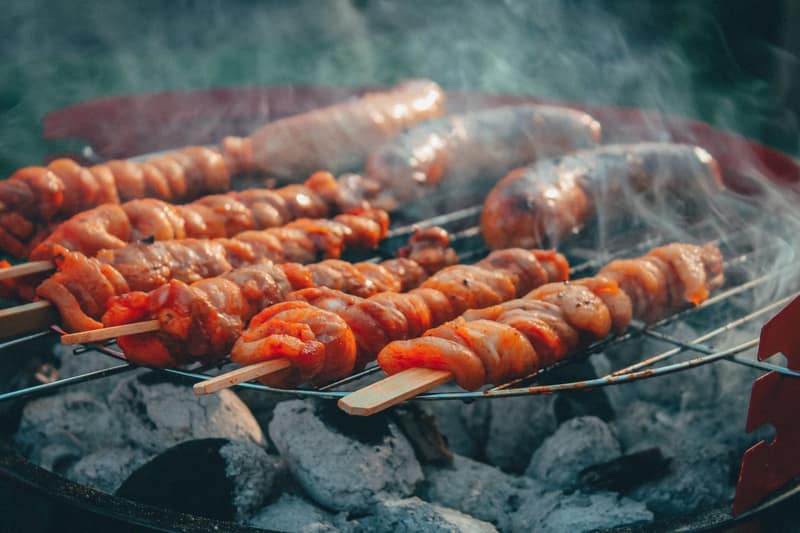
How it looks · Photo: Malte Luk on Pexels Step 5
Rest for a few minutes, then cut into wedges. Serve warm or at room temperature with yogurt (opens in a new tab).
- 5 min

How it looks · Photo: Willians Huerta on Pexels
About this dish
- Origin
- Iran · Well documentedMore food from Iran
- Dish
- Breakfast · Lunch · Dinner · Egg dishes · Appetizers & starters
- Cooking method
- Pan-fried
- Taste
- herby, fresh, savoury, earthy
- Diet
- Vegetarian (lacto-ovo) · Keto-style · Low-carbWithout the optional extras: Ovo-vegetarian, Paleo-style, Dairy-free, No nut ingredientsWorked out from the ingredients. How labels work
All labels
Vegetarian (lacto-ovo) · Eggetarian · Pescatarian · Flexitarian-friendly · Whole-food focused · No added sugar · Alcohol-free · Pork-free · Beef-free · Keto-style · Low-carb - Good for
- Festive & celebration · Make-ahead · Portable / lunchbox
- Cook more with
- Parsley · Coriander leaves · Egg · Dill · Spring onion · Turmeric
- Techniques
- Broiling · Pan-frying
Allergens
- Contains, can be adapted: Milkfrom yogurt
- Contains: Eggsfrom egg
- Contains, can be adapted: Tree nutsfrom walnuts
- May contain: Wheatfrom baking powder
- May contain: Glutenfrom baking powder
Based on typical versions of these ingredients and not verified allergen-free. Brands differ and cross-contact happens, so always check labels. For severe allergies, follow your clinician’s advice.
Nutrition
215 kcal per serving
Calculated1 serving ≈ 137 g · recipe makes 4
Where the energy comes from
- Protein 20%
- Carbohydrate 8%
- Fat 73%
| Nutrient | Per serving | Per 100 g* |
|---|---|---|
| Energy | 215 kcal | 156 kcal |
| Protein | 10.7 g | 7.8 g |
| Carbohydrate | 4.2 g | 3 g |
| Net carbohydrate | 2.6 g | 1.9 g |
| Sugars | — | — |
| Added sugars | 0 g | 0 g |
| Fibre | 1.6 g | 1.1 g |
| Fat | 17.5 g | 12.8 g |
| Saturated fat | 3.8 g | 2.7 g |
| Trans fat | — | — |
| Cholesterol | 279 mg | 203 mg |
| Sodium | 624 mg | 454 mg |
| Salt equivalent | 1.6 g | 1.1 g |
Vitamins & minerals per serving
- Potassium
- 361 mg
- Calcium
- 132 mg
- Iron
- 3.5 mg
- Magnesium
- 28 mg
- Vitamin A (RAE)
- 262 µg
- Vitamin C
- 33 mg
- Vitamin D
- 1.5 µg
- Vitamin B12
- 0.7 µg
- Folate (DFE)
- 87 µg
How these numbers were made
- Calculated from USDA FoodData Central (SR Legacy) per-100 g values and the listed quantities.
- *Per 100 g of combined raw ingredients; the cooked dish may weigh more or less.
- Optional ingredients are not included: fenugreek, walnuts, yogurt.
- “—” means the value isn’t known for enough of the ingredients; it is never zero by default.
- Values are estimates for guidance, not for medical dosing. U.S. Department of Agriculture, Agricultural Research Service. FoodData Central, 2019. fdc.nal.usda.gov.
Good to know
Tips
- Dry herbs thoroughly — wet herbs make a soggy kuku that will not set.
Common mistakes
- Cooking over high heat — the bottom burns before the thick centre sets.
Serve with
- With flatbread, yogurt, radishes and fresh herbs; it is also eaten cold in sandwiches.
Storage
- Keeps 3 days in the fridge.
Reheating
- Good at room temperature; or warm briefly in a pan.
Variations
- Baked kuku: Bake in an oiled dish at 180 °C for about 30 minutes instead of flipping.
Original editorial recipe · FriendsPantry editorial · Not yet independently reviewed · Added · Updated
Recipe DNA
How this dish is built
Reviews & corrections
Reviews come from signed-in cooks and appear after a moderator checks them. We never show made-up ratings.
You might also like
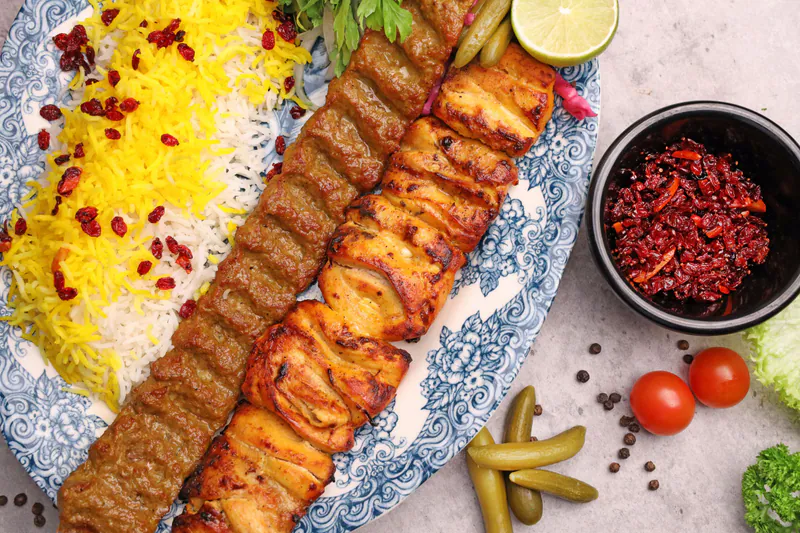
Joojeh kabab
 Iranian · 4 h 35 min · 370 kcal
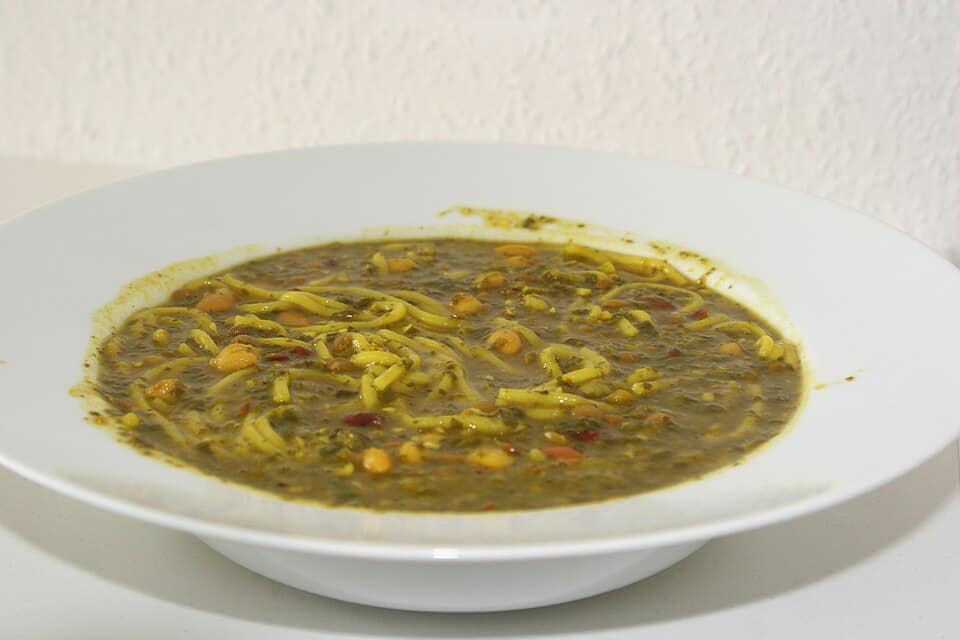
Ash reshteh
Iranian · 1 h 45 min · 374 kcal · Vegetarian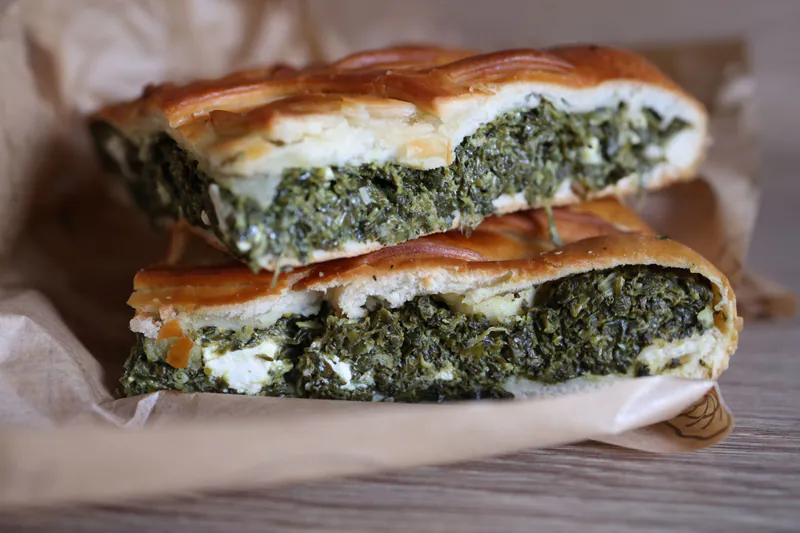
Spanakopita
 Greek · 1 h 40 min · 307 kcal · Contains egg
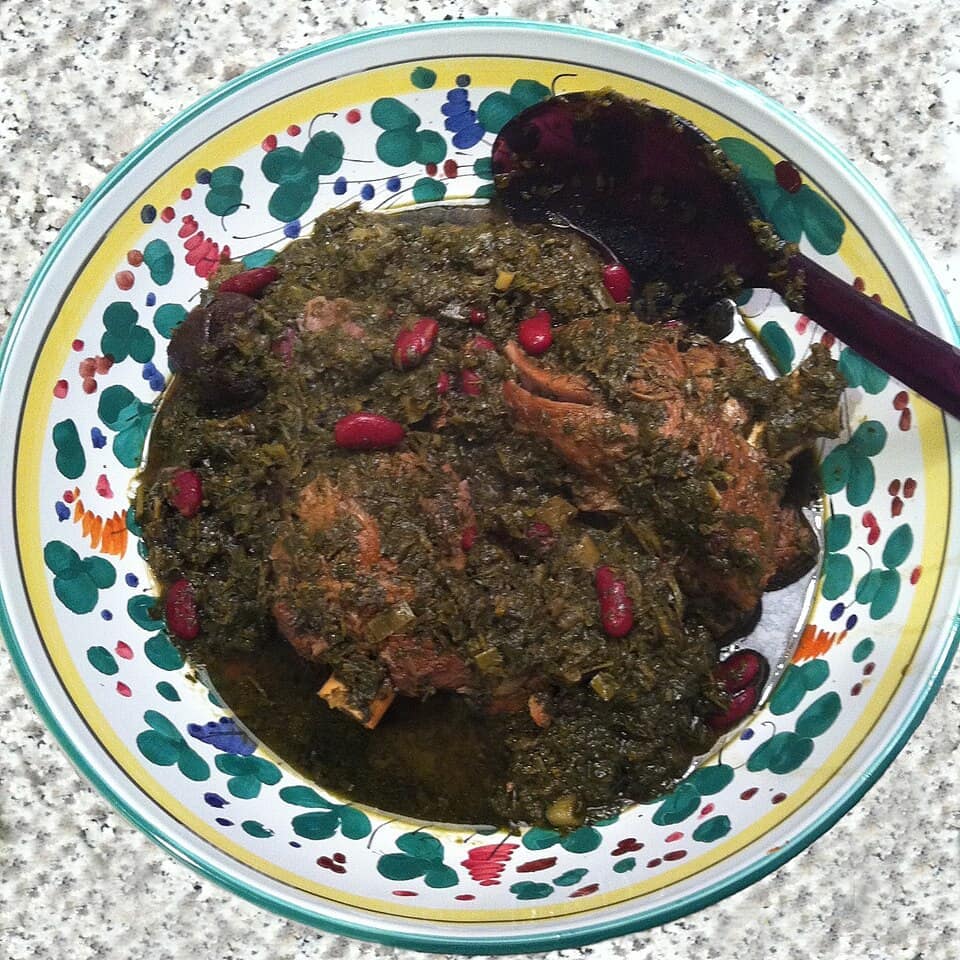
Ghormeh sabzi
Iranian · 3 h 30 min · 457 kcal