
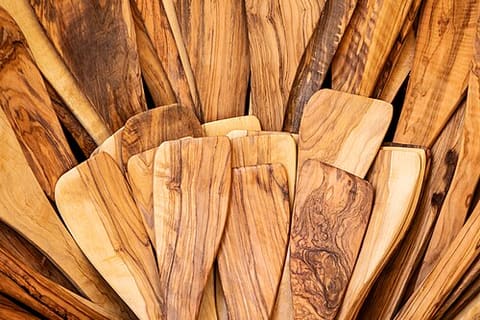
Utensils & kitchen tools · Spatula
Spatula
A flat or flexible blade on a handle for turning, lifting, spreading or scraping food.
Essential in most kitchens · Manual · 51 recipes
Photo: Dietmar Rabich, via Wikimedia Commons (CC-BY-SA-4.0)
What it is
The word covers several tools: a turner or fish slice (wide, thin, often slotted blade) for flipping food in pans; a rubber or silicone spatula for scraping bowls and folding batters; an offset palette knife for spreading icing; and wok spatulas with a curved edge. Use silicone or wood on non-stick.
What it’s for: Moving food without breaking it, and getting every bit out of bowls and pans.
How to use it
- Use a thin metal turner under seared food, sliding it flat along the pan.
- Use a silicone spatula to scrape bowls and fold whisked egg whites into batters with a cutting-and-lifting motion.
- Use an offset spatula to spread icing or lift cookies.
- Choose heat-resistant silicone for stirring hot pans.
Good to know
- Tasks
- flipping pancakes and burgers, lifting fish, scraping bowls, folding batters, spreading icing, stirring scrambled eggs
- Cooking methods
- Pan-fried, Stir-fried, Sautéed, Shallow-fried
- Materials
- silicone, stainless steel, nylon, wood
- Care and cleaning
- Most are dishwasher-safe; dry wooden ones promptly. Replace melted or cracked silicone heads.
- Limitations
- Each type suits different jobs; one spatula cannot do them all well.
Safety
- Nylon can melt if left resting on a hot pan.
If you don’t have one
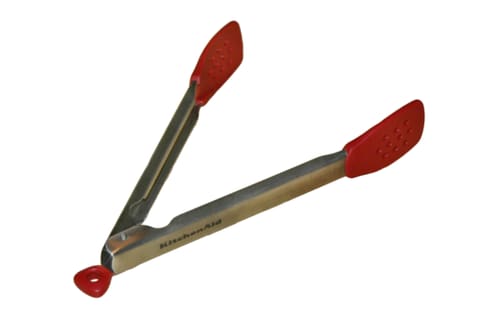
- Tongs — Turn chunky foods.
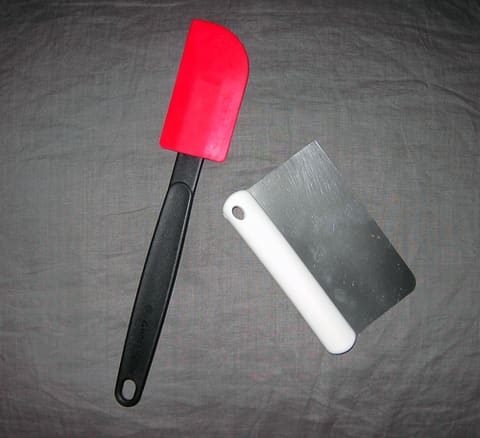
- Dough scraper — Scrapes bowls clean.
Equipment guide
How it works: A thin, flat or flexible blade slides under food without breaking it, or scrapes the sides of a bowl. Flexible metal is thin enough to get under seared food; silicone flexes around a bowl without scratching.
| Material | Good | Watch out |
|---|---|---|
| Stainless steel (fish slice, turner) | Thin edge slides under crusts. | Scratches non-stick. |
| Silicone | Heat-resistant (often to about 230–260 °C), flexible, safe for non-stick. | Thicker edge; can absorb smells. |
| Food-grade plastic (polypropylene, nylon) | Light, cheap, gentle on non-stick surfaces. | Melts or warps on contact with hot pans; scratches harbour residue; can stain and hold smells. |
| Wood | Does not scratch pans, stays cool to hold, feels warm and quiet in use. | Absorbs water and smells if soaked; cracks if put in the dishwasher; needs occasional oiling. |
- Fish spatula (slotted turner)
- Thin and flexible for fish and eggs.
- Solid turner
- Burgers and flatbreads.
- Silicone spatula (scraper)
- Folding and scraping bowls.
- Offset palette knife
- Spreading icing; lifting delicate items.
Buying guidance
Starting out: One silicone spatula and one thin metal fish spatula (plus a silicone turner if you use non-stick).
- Thin, bevelled edge
- Heat rating for silicone
- One-piece construction with no joint for food to collect
No brands or prices — check current reviews before buying.
Related tools
Recipes that use it
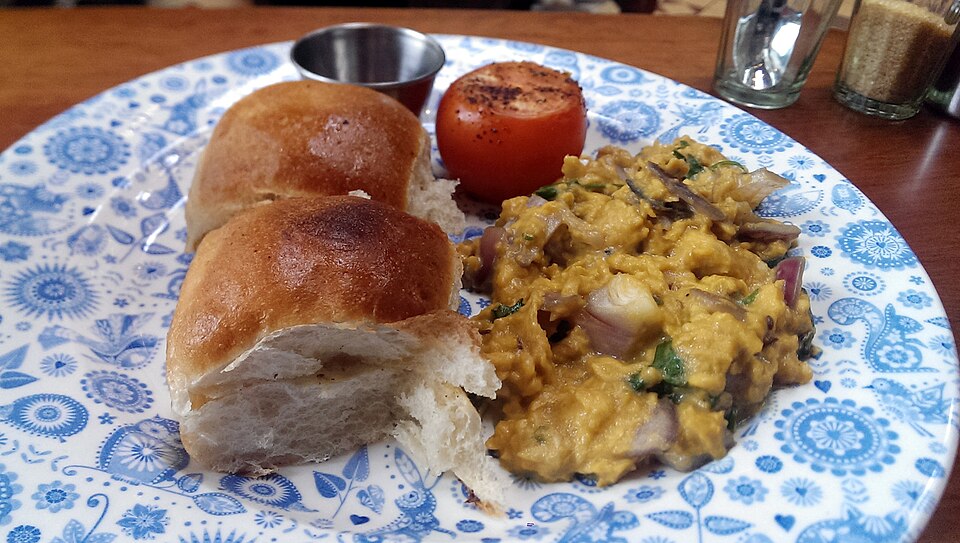
Akuri (Parsi scrambled eggs)
 Indian · 22 min · 248 kcal · Contains egg
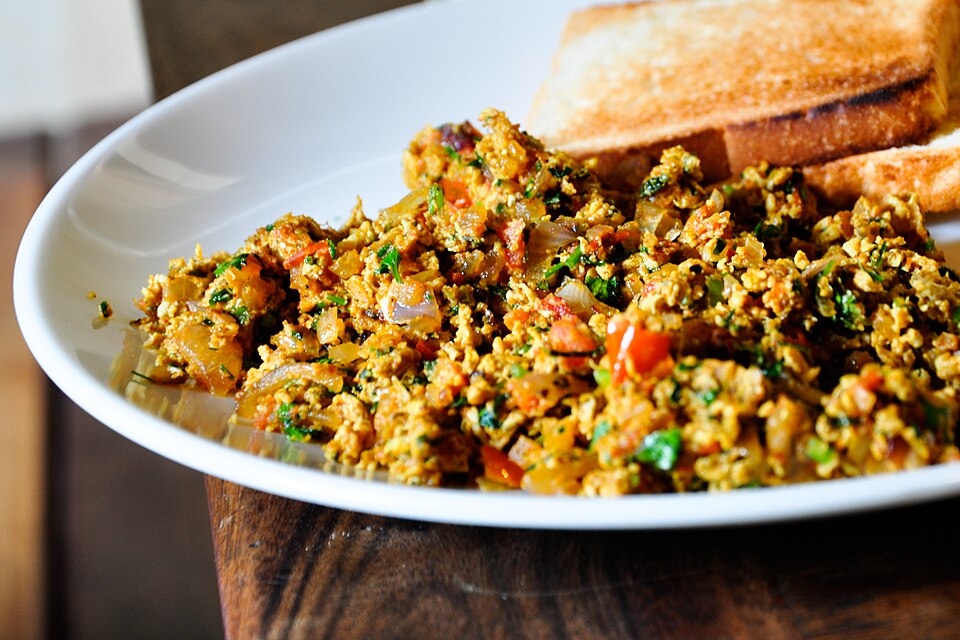
Anda bhurji (Indian spiced scrambled eggs)
Indian · 22 min · 254 kcal · Contains eggAnda paratha
Indian · 55 min · 334 kcal · Contains eggAvocado hummus
International · 1 h · 199 kcal · Vegan
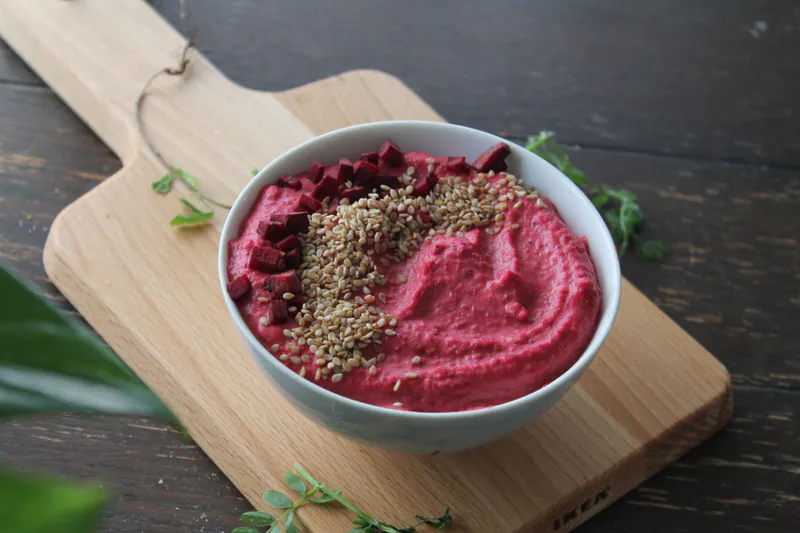
Beetroot hummus
International · 1 h 35 min · 160 kcal · Vegetarian
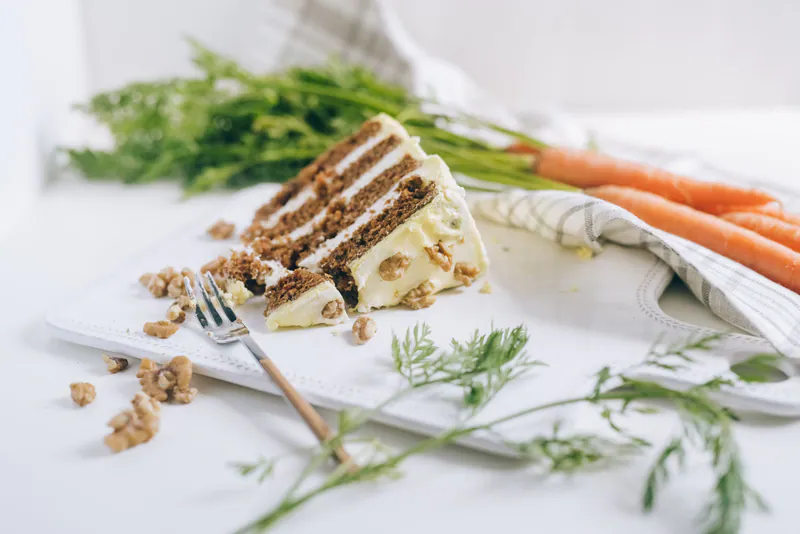
Carrot cake with cream cheese frosting
 American · 2 h 40 min · 550 kcal · Contains egg
Chana paratha
Indian · 1 h 4 min · 311 kcal · VegetarianCheese corn paratha
Indian · 1 h 4 min · 325 kcal · VegetarianCheese paratha
Indian · 59 min · 340 kcal · VegetarianCheese soufflé
 French · 50 min · 333 kcal · Contains egg
Chicken keema paratha
Indian · 1 h 24 min · 339 kcal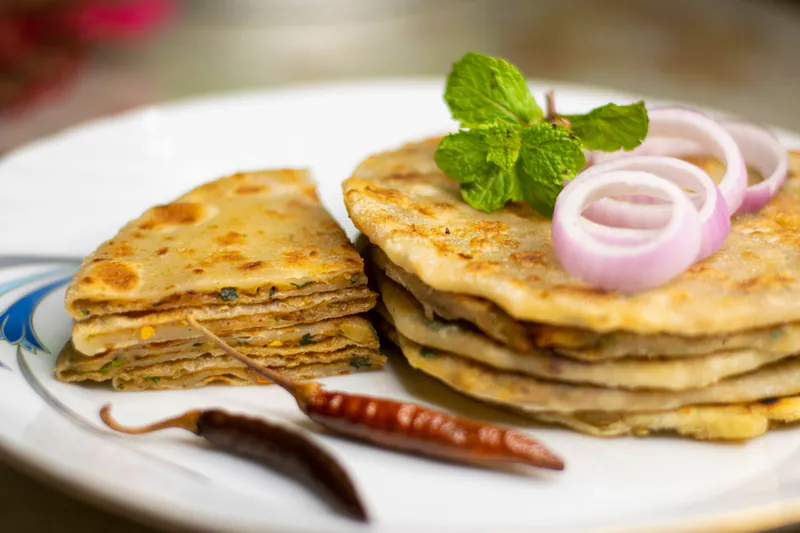
Chilli cheese paratha
Indian · 59 min · 335 kcal · Vegetarian
39 more
- Chocolate sauce · French
- Coconut paratha · Indian
- Creamy Scrambled Eggs · International
- Dal paratha · Indian
- Danish rye bread (rugbrød) · Danish
- Dry fruit paratha · Indian
- Fried Eggs · International
- Gobi paratha · Punjabi
- Gur paratha · Punjabi
- High-protein paneer paratha · Indian
- Khoya paratha · Indian
- Labneh with za'atar and olive oil · Levantine
- Madeleines · French
- Matar paratha · Indian
- Methi paratha · Punjabi
- Mix veg paratha · Indian
- Mooli paratha · Punjabi
- Mughlai paratha · Bengali
- Mushroom cheese paratha · Fusion
- Palak paratha · Punjabi
- Paneer cheese paratha · Indian
- Paneer paratha · Punjabi
- Patta gobhi paratha · Indian
- Pesarattu (green moong dosa) · South Indian
- Pikelets · Australian
- Pizza paratha · Fusion
- Pound cake · British
- Pyaaz paratha · Punjabi
- Raspberry coulis (berry coulis) · French
- Rémoulade sauce · French
- Roasted garlic hummus · International
- Roasted red pepper hummus · International
- Sattu paratha · Indian
- Soya paratha · Indian
- Three-Ingredient Banana Pancakes · International
- Tiramisu · Italian
- Torta caprese (chocolate almond cake) · Italian
- Welsh cakes · British
- Westphalian pumpernickel · German