
Kanda poha
Vegetarian
कांदा पोहे · kanda pohe
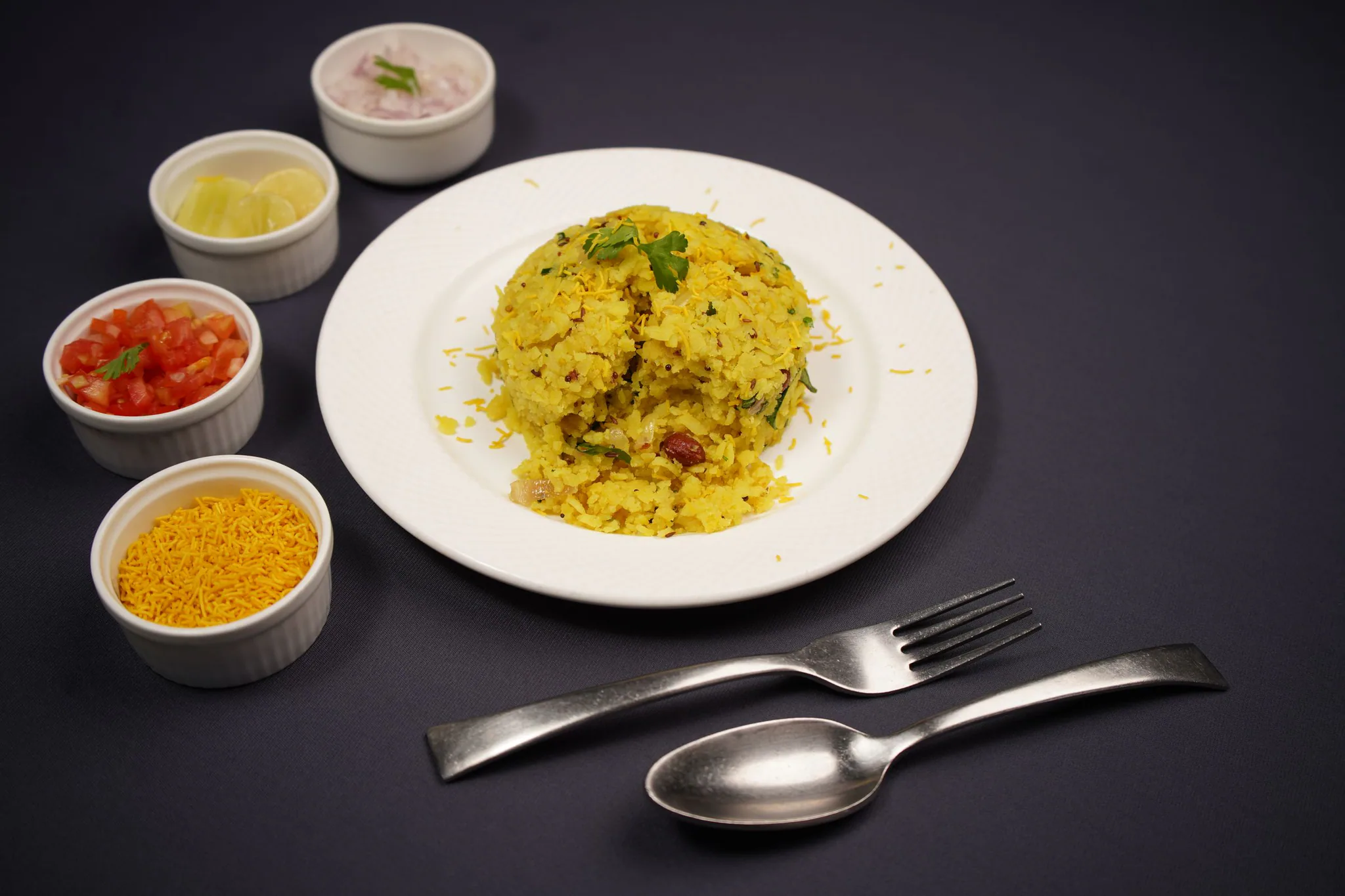
Softened flattened rice tossed with onions, mustard seeds, curry leaves, peanuts and turmeric, finished with lemon and coriander. A light, fast western Indian breakfast.
Kanda poha is an Indian main course, ready in about 22 minutes and made with flattened rice (poha) and onion. It serves 3 and is rated easy to cook.
- Prep
- 10 min
- Cook
- 12 min
- Total
- 22 min
- Serves
- 3
- Level
- Easy
- Calories
- 411
Method
Step 1
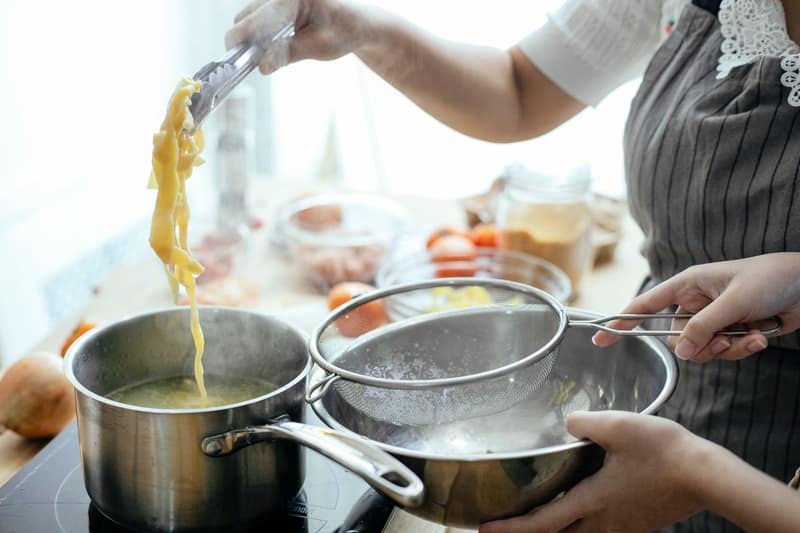
Put the poha (opens in a new tab) in a sieve and rinse under running water for about 20 seconds, tossing, until just softened. Leave to drain for 5 minutes, then fluff with your fingers.
Don't soak it — it turns to mush.
How it looks · Photo: Katerina Holmes on Pexels Step 2
Heat the oil in a wide pan over medium heat and fry the peanuts (opens in a new tab) until golden; lift out. Add the mustard seeds (opens in a new tab) and cumin (opens in a new tab) and let them crackle, then the curry leaves (opens in a new tab).
- 3 min
- medium heat
- Frying pan / skillet (opens in a new tab)
Step 3
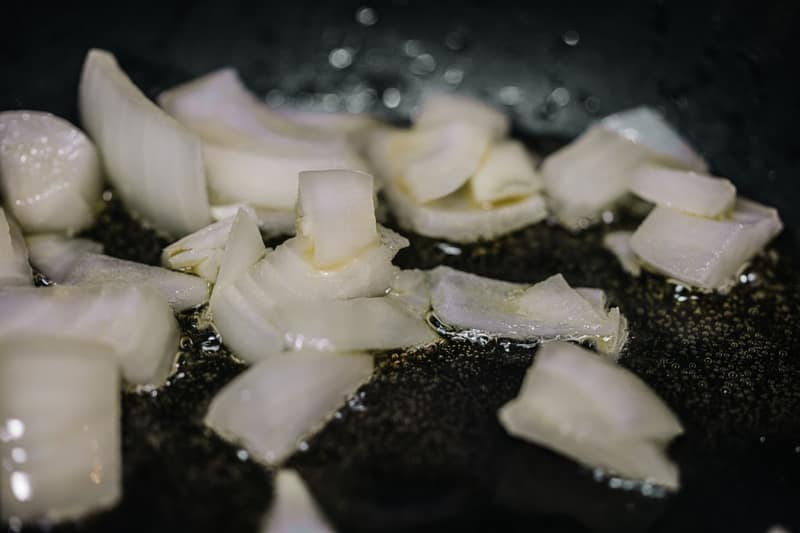
Add the onion (opens in a new tab) and green chilli (opens in a new tab) and cook until soft and translucent. Stir in the turmeric (opens in a new tab).
- 4 min
- medium heat
How it looks · Photo: Magda Ehlers on Pexels Step 4
Add the poha (opens in a new tab), salt and sugar (opens in a new tab) and toss gently to colour evenly. Cover and steam on low heat for 2 minutes.
- 3 min
- low heat
Step 5
Return the peanuts (opens in a new tab), add the lemon juice (opens in a new tab) and coriander, toss and serve topped with coconut.
- 1 min
About this dish
- Origin
- Maharashtra and Madhya Pradesh, Maharashtra, India · Commonly attributedMore food from India
- Dish
- Breakfast · Snack · Main courses · Street food
- Cooking method
- Sautéed, Steamed
- Taste
- savoury, tangy, mild, nutty
- Diet
- Vegan · No gluten ingredients · Dairy-freeWorked out from the ingredients. How labels work
All labels
Vegan · Plant-based · Vegetarian (lacto-ovo) · Eggetarian · Lacto-vegetarian · Ovo-vegetarian · Pescatarian · Flexitarian-friendly · No gluten ingredients · Dairy-free · Egg-free · Alcohol-free · Pork-free · Beef-free · DASH-style - Good for
- Everyday · Budget-friendly · One-pan · Street food
- Cook more with
- Onion · Peanuts · Mustard seeds · Cumin · Curry leaves · Green chilli
Allergens
- Contains: Peanutsfrom peanuts
- Contains: Mustardfrom mustard seeds
Based on typical versions of these ingredients and not verified allergen-free. Brands differ and cross-contact happens, so always check labels. For severe allergies, follow your clinician’s advice.
Nutrition
411 kcal per serving
Estimated1 serving ≈ 137 g · recipe makes 3
Where the energy comes from
- Protein 8%
- Carbohydrate 60%
- Fat 33%
| Nutrient | Per serving | Per 100 g* |
|---|---|---|
| Energy | 411 kcal | 300 kcal |
| Protein | 8.2 g | 6 g |
| Carbohydrate | 61.3 g | 44.7 g |
| Net carbohydrate | 58.6 g | 42.8 g |
| Sugars | 3.9 g | 2.9 g |
| Added sugars | 1.4 g | 1 g |
| Fibre | 2.7 g | 2 g |
| Fat | 14.9 g | 10.9 g |
| Saturated fat | 1.5 g | 1.1 g |
| Trans fat | — | — |
| Cholesterol | 0 mg | 0 mg |
| Sodium | 591 mg | 431 mg |
| Salt equivalent | 1.5 g | 1.1 g |
Vitamins & minerals per serving
- Potassium
- 248 mg
- Calcium
- 45 mg
- Iron
- 1.8 mg
- Magnesium
- 45 mg
- Vitamin A (RAE)
- 5 µg
- Vitamin C
- 15 mg
- Vitamin D
- 0 µg
- Vitamin B12
- 0 µg
- Folate (DFE)
- 40 µg
How these numbers were made
- Calculated from USDA FoodData Central (SR Legacy) per-100 g values and the listed quantities.
- *Per 100 g of combined raw ingredients; the cooked dish may weigh more or less.
- Optional ingredients are not included: desiccated coconut.
- Not counted (tiny amounts or “to taste”): curry leaves.
- Flattened rice (poha): Raw long-grain white rice (FDC 169756) used as a stand-in: poha is parboiled rice pressed flat and dried, with a very similar macronutrient profile.
- “—” means the value isn’t known for enough of the ingredients; it is never zero by default.
- Values are estimates for guidance, not for medical dosing. U.S. Department of Agriculture, Agricultural Research Service. FoodData Central, 2019. fdc.nal.usda.gov.
Good to know
Tips
- Use thick poha; thin poha dissolves when rinsed.
Common mistakes
- Over-wetting the poha, which makes it clump; it should be soft but separate.
Serve with
- Serve with masala chai, topped with crunchy sev if you have it.
Storage
- Best eaten fresh.
Variations
- Batata poha (India): Add small cubes of potato, fried until tender, with the onion.
- Indori poha (India): Steamed rather than sautéed and topped with sev, fennel seeds and jeeravan spice mix.
Original editorial recipe · FriendsPantry editorial · Not yet independently reviewed · Added · Updated
Sauces, chutneys & dips for this dish
Recipe DNA
How this dish is built
Grouped by each ingredient’s role in the dish. Each band’s width is its share of the dish by weight. Choose a component to see what it does.
What the dish is built around
Main ingredient
- Flattened rice (poha), thick variety200 g
- Peanuts, raw30 g
- Onion, finely chopped1 piece · 110 g
- Desiccated coconut, or freshly grated coconut (optional)1 tbsp · 4.9 g
Reviews & corrections
Reviews come from signed-in cooks and appear after a moderator checks them. We never show made-up ratings.
You might also like
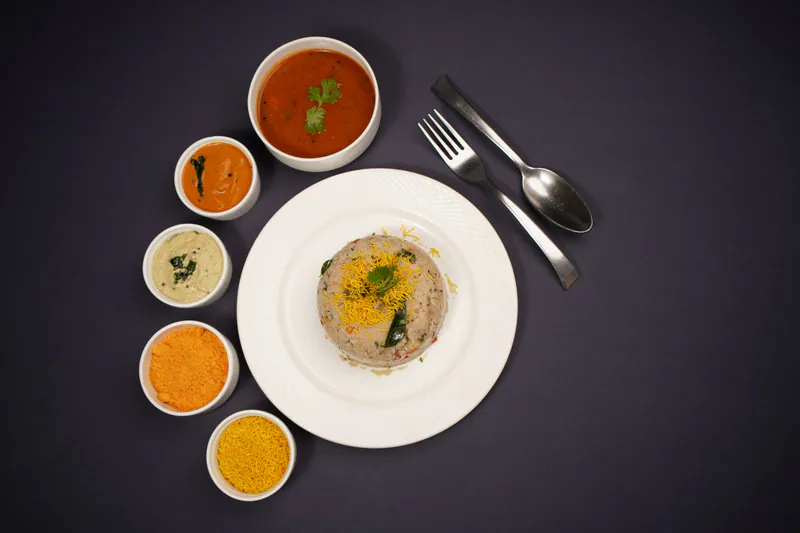
Upma
 South Indian · 32 min · 323 kcal · Vegetarian
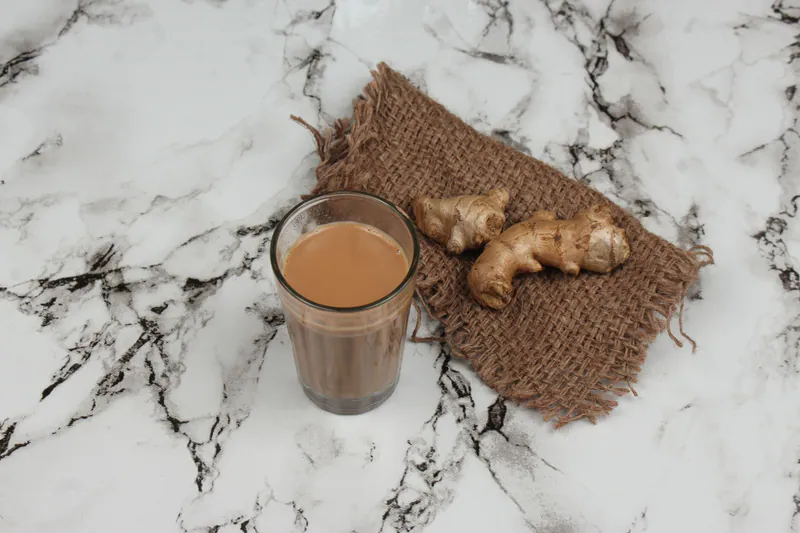
Masala chai
Indian · 11 min · 118 kcal · Vegetarian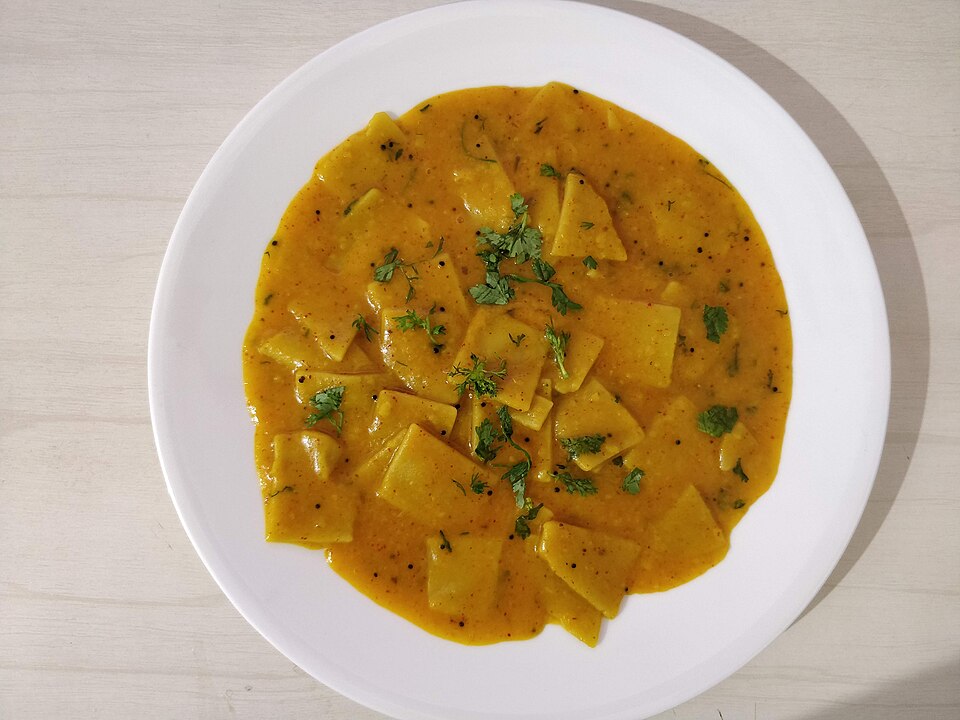
Dal dhokli
Gujarati · 1 h 10 min · 368 kcal · Vegetarian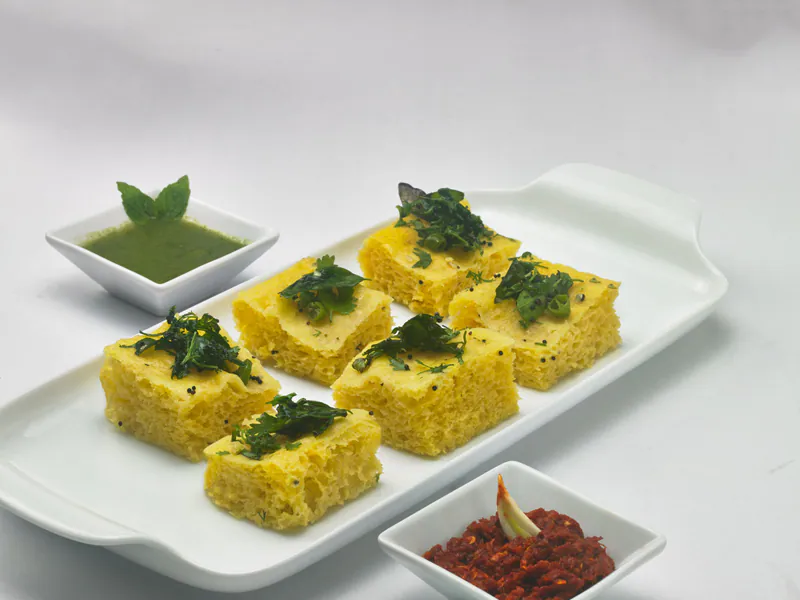
Khaman dhokla
Gujarati · 45 min · 284 kcal · Vegan