
Red coconut chutney
Vegetarian
சிவப்பு தேங்காய் சட்னி · civappu tēṅkāy caṭṉi
Fresh coconut ground with dried red chillies fried in oil, a few shallots, a pinch of tamarind and a spoonful of roasted gram, then finished with a mustard-seed tempering. Spicier and rosier than white coconut chutney, and the usual second chutney beside it on a South Indian breakfast plate.
Red coconut chutney is a South Indian condiment, ready in about 20 minutes and made with coconut and dried whole chillies. It serves 6 and is rated beginner to cook.
No licensed photograph of this dish yet.
- Prep
- 10 min
- Cook
- 5 min
- Rest
- 5 min
- Total
- 20 min
- Serves
- 6
- Level
- Beginner
- Calories
- 92
Ingredients
For the tempering
Method
Step 1
Grate the coconut (opens in a new tab), avoiding the brown inner skin, which makes the chutney grey and slightly bitter. Peel the shallots (opens in a new tab) (and garlic (opens in a new tab) and ginger, if using). Pick any seeds and fibres out of the tamarind (opens in a new tab) and soak it in 2 tbsp of the measured water.
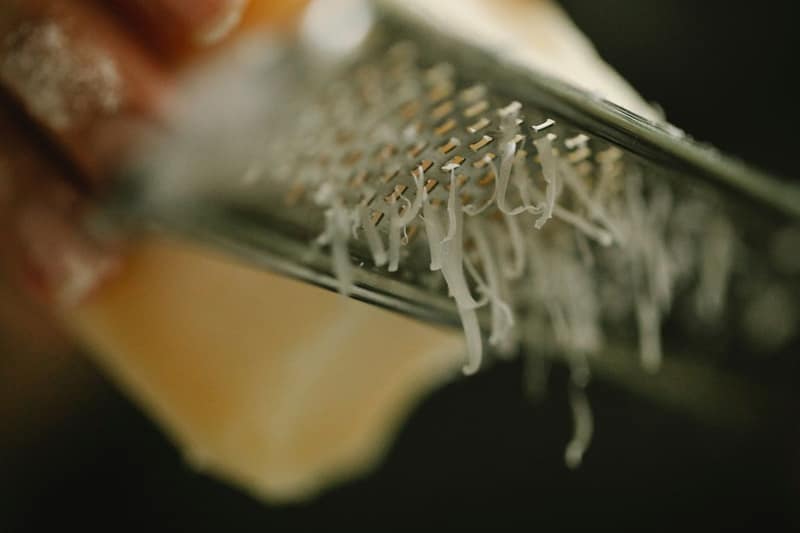
How it looks · Photo: Klaus Nielsen on Pexels Step 2
Heat the 5 ml oil in a small frying pan over medium-low heat. Fry the dried chillies for 1–2 minutes, stirring, until they puff slightly, turn a shade darker and smell toasty; do not let them blacken. Add the shallots (opens in a new tab), garlic (opens in a new tab) and ginger and sauté for 2 minutes until the shallots soften at the edges. Tip onto a plate to cool for 5 minutes.
- 4 min
- medium-low heat
- Frying pan / skillet (opens in a new tab)
Food safety: Frying chillies gives off sharp fumes; keep the heat moderate and the kitchen ventilated.
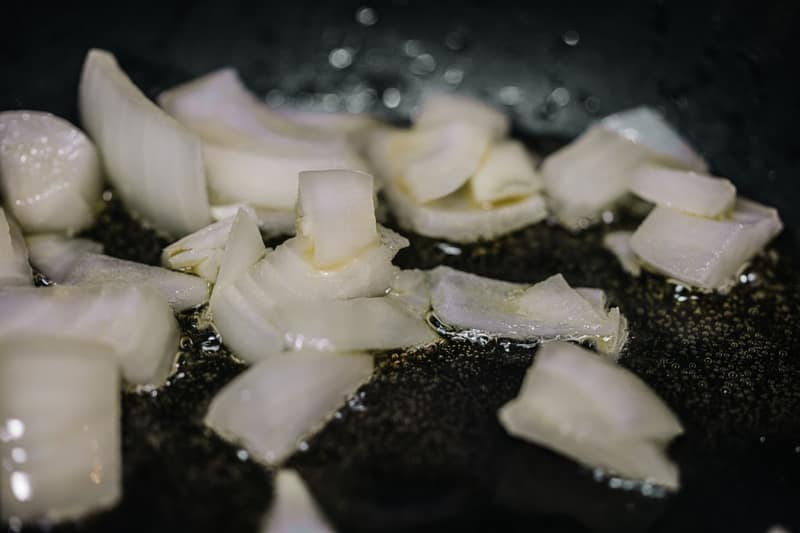
How it looks · Photo: Magda Ehlers on Pexels Step 3
In the small jar of a blender (opens in a new tab) or mixie, grind the cooled chillies, salt and soaked tamarind (opens in a new tab) (with its water) for 10–15 seconds so the chilli skins break down first. Add the coconut (opens in a new tab), roasted gram (opens in a new tab) and shallot (opens in a new tab) mixture with 50 ml water. Grind in 5–10 second pulses for about 40 seconds, scraping down between bursts.
Pulsing keeps the coconut from warming and turning oily.
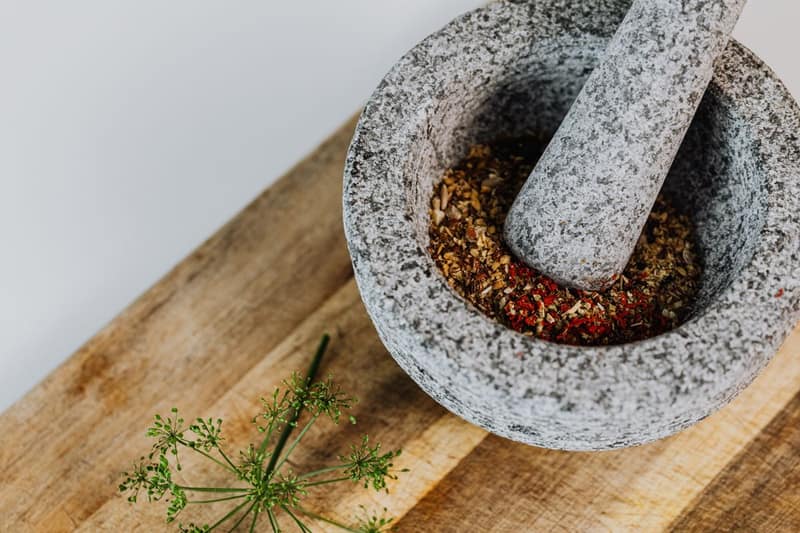
How it looks · Photo: https://kaboompics.com/ on Pexels Step 4
Add the remaining water a spoonful at a time and pulse until the chutney is fine-grained but not silky, and thick enough to drop slowly from a spoon. Scrape into a serving bowl.
Step 5
For the tempering, heat the coconut oil (opens in a new tab) in a small pan or tadka ladle over medium heat until it shimmers. Add the mustard seeds (opens in a new tab); when they crackle and pop (20–30 seconds), add the urad (opens in a new tab) dal and the broken dried chilli and stir until the dal turns light golden (about 30 seconds). Take the pan off the heat, add the curry leaves (opens in a new tab) (they spit) and the asafoetida (opens in a new tab), swirl for 2–3 seconds and pour everything over the chutney.
- 2 min
- medium heat
- Frying pan / skillet (opens in a new tab)
Food safety: Hot oil spits when mustard seeds pop and curry leaves go in; keep your face back and have a lid nearby.
Step 6
Stir the tempering in just before serving and taste for salt. The chutney thickens as it stands; loosen with 1–2 tbsp water if needed.
- 1 min
About this dish
- Origin
- Tamil Nadu and Karnataka, Tamil Nadu, India · Commonly attributedA standard home and hotel chutney across Tamil Nadu and Karnataka. Proportions follow common home recipes; shallot, garlic and ginger vary by family.More food from India
- Dish
- Breakfast · Snack · Condiments, chutneys & relishes · Dips & spreads
- Cooking method
- Blended, Sautéed
- Taste
- spicy (chilli heat), nutty, tangy, savoury
- Diet
- Vegan · Dairy-free · No nut ingredients · Keto-style · Low-carbWorked out from the ingredients. How labels work
All labels
Vegan · Plant-based · Vegetarian (lacto-ovo) · Eggetarian · Lacto-vegetarian · Ovo-vegetarian · Pescatarian · Flexitarian-friendly · Whole-food focused · Dairy-free · Egg-free · No nut ingredients · No added sugar · Alcohol-free · Pork-free · Beef-free · Keto-style · Low-carb - Good for
- Everyday · Budget-friendly
- Cook more with
- Coconut · Dried whole chillies · Roasted gram (pottukadalai) · Shallot · Tamarind · Coconut oil
- Techniques
- Sautéing · Tadka (tempering) · Wet grinding · Emulsification
Allergens
- May contain: Wheatfrom asafoetida
- May contain: Glutenfrom asafoetida
- Contains: Mustardfrom mustard seeds
Based on typical versions of these ingredients and not verified allergen-free. Brands differ and cross-contact happens, so always check labels. For severe allergies, follow your clinician’s advice.
Nutrition
92 kcal per serving
Estimated1 serving ≈ 40 g · recipe makes 6
Where the energy comes from
- Protein 6%
- Carbohydrate 23%
- Fat 72%
| Nutrient | Per serving | Per 100 g |
|---|---|---|
| Energy | 92 kcal | 231 kcal |
| Protein | 1.4 g | 3.6 g |
| Carbohydrate | 5.5 g | 13.9 g |
| Net carbohydrate | 3.4 g | 8.6 g |
| Sugars | 1.7 g | 4.2 g |
| Added sugars | 0 g | 0 g |
| Fibre | 2.1 g | 5.2 g |
| Fat | 7.7 g | 19.1 g |
| Saturated fat | 6.4 g | 16 g |
| Trans fat | — | — |
| Cholesterol | 0 mg | 0 mg |
| Sodium | 199 mg | 497 mg |
| Salt equivalent | 0.5 g | 1.2 g |
Vitamins & minerals per serving
- Potassium
- 113 mg
- Calcium
- 9 mg
- Iron
- 0.7 mg
- Magnesium
- 12 mg
- Vitamin A (RAE)
- 9 µg
- Vitamin C
- 1 mg
- Vitamin D
- 0 µg
- Vitamin B12
- 0 µg
- Folate (DFE)
- 21 µg
How these numbers were made
- Calculated from USDA FoodData Central (SR Legacy) per-100 g values and the listed quantities.
- Optional ingredients are not included: garlic, fresh ginger.
- Not counted (tiny amounts or “to taste”): curry leaves, asafoetida.
- Roasted gram (pottukadalai): Raw mature chickpeas (FDC 173756) used as a stand-in for split, skinned, dry-roasted desi chickpeas; roasting removes some water, so energy and protein are slightly understated.
- “—” means the value isn’t known for enough of the ingredients; it is never zero by default.
- Values are estimates for guidance, not for medical dosing. U.S. Department of Agriculture, Agricultural Research Service. FoodData Central, 2019. fdc.nal.usda.gov.
Good to know
Tips
- For the brightest red, use Kashmiri or byadgi chillies and add one hot chilli for heat.
- Frozen grated coconut works well, but thaw it fully; frozen coconut makes a gritty, stiff chutney.
Common mistakes
- Burning the chillies: blackened chillies turn the chutney bitter and muddy brown.
- Adding all the water at once, which gives a thin, separated chutney.
- Grinding in long continuous runs, which heats the coconut and makes it oily.
Serve with
- Serve with idli, dosa, medu vada, uttapam or pongal, alongside white coconut chutney and sambar.
- Spread inside a plain dosa before folding, Mysore-masala-dosa style.
Food safety
- Fresh coconut chutney is a low-acid, moist food: keep it chilled and eat it within a day. Discard it if it smells sour or fizzy.
Storage
- Best eaten the day it is made. Keeps up to 1 day covered in the fridge; add the tempering again if it loses its crunch.
Variations
- Kempu chutney (Karnataka): Use garlic instead of shallot and a little more tamarind; often served with akki roti and set dosa.
- Without coconut: Use 60 g roasted gram and 2 tomatoes, sautéed, for a coconut-free red chutney (close to kara chutney).
- Hotel-style: Add 1 tbsp fried gram more and grind finer and thinner for a pourable chutney.
Original editorial recipe · FriendsPantry editorial · Not yet independently reviewed · Added · Updated
Goes with
Recipe DNA
How this dish is built
Built from the recipe’s own sections. Each band’s width is its share of the dish by weight. Choose a component to see what it does.
What the dish is built around
Main ingredient
- Coconut, freshly grated, brown skin left off (or frozen grated, thawed to room temperature)90 g
- Roasted gram (pottukadalai)15 g
- Tamarind, seedless; a marble-sized piece, fibres and any seeds removed3 g
Make it milder, swap ingredients for your diet, change the batch size or thickness — the original stays as it is.
Customise in Sauce & DrizzleReviews & corrections
Reviews come from signed-in cooks and appear after a moderator checks them. We never show made-up ratings.
You might also like
Coconut chutney
 South Indian · 12 min · 135 kcal · Vegan
Green coconut chutney
South Indian · 12 min · 82 kcal · VeganKara chutney (Tamil red onion-chilli chutney)
South Indian · 27 min · 69 kcal · VeganSouth Indian tomato chutney
South Indian · 20 min · 77 kcal · Vegan