
Cooking in fat · intermediate
Shallow-frying
Frying food in oil that comes partway up its sides, turning it to cook each side.
What it is
Shallow-frying uses roughly 1–2 cm of oil, enough to reach about a third to half the depth of the food. It suits breaded cutlets, pakoras in a small pan, fritters, falafel and schnitzel.
Why cooks use it: It gives a crust close to deep-fried food while using far less oil and a normal frying pan.
The science
The submerged part cooks as in deep frying, with steam escaping from the food. The top side cooks only by conduction from inside until it is turned, so evenly thick pieces work best.
How heat moves into foodSmoke point of fatsFats and oilsMoisture and texture
Step by step
Pour 1–2 cm of neutral oil into a heavy, deep-sided frying pan.
Heat to about 170–180 °C (a cube of bread browns in about 60 seconds).
Lay food in gently, away from you.
Fry until golden underneath, then turn and fry the second side.
Drain on a wire rack rather than stacked on paper so the base stays crisp.
Let the oil return to temperature between batches.
Heat and timing
- Shallow-frying 160–190 °C · Most foods fry well at 170–180 °C.
Time: 2–5 minutes per side.
How you know it’s right
- Lively bubbles around the food
- Golden crust
- Bubbling slows as the food dries and cooks through
Common mistakes
- Oil too shallow, so food sticks to the pan
- Overcrowding, which drops the oil temperature
- Moving food before the crust sets
Troubleshooting
- Pale and oily
- Raise the oil temperature and fry in smaller batches.
- Brown outside, raw inside
- Lower the heat slightly or flatten the pieces; finish thick items in the oven.
Restaurant DNA
How professionals do it
Many restaurants deep-fry what home cooks shallow-fry, because a fryer holds an exact temperature; for schnitzel-style dishes they shake the pan so oil washes over the top and puffs the crumb.
At home
Use a thermometer and a heavy pan; spoon hot oil over the top of breaded cutlets as they cook.
General professional practice — not any particular restaurant’s recipe.
Food safety
- Never leave hot oil unattended.
- Have a lid or fire blanket ready; never water.
- Lower food in away from your body.
Practise it
Ayam masak merah
 Malaysian · 1 h 10 min · 574 kcal
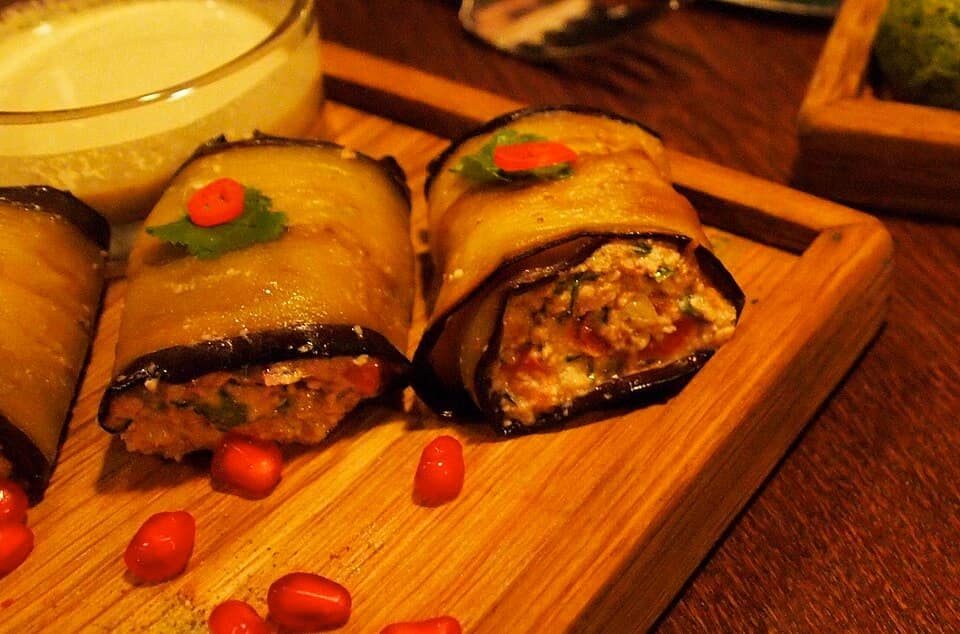
Badrijani nigvzit
 Georgian · 1 h 15 min · 295 kcal · Vegan
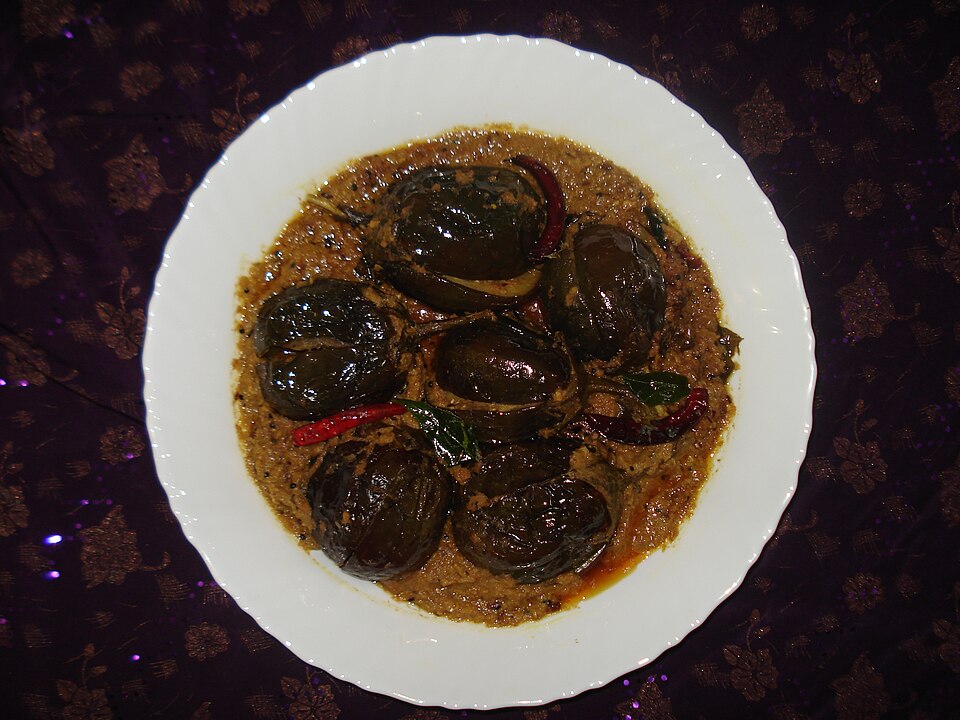
Bagara baingan
 Indian · 55 min · 314 kcal · Vegan
Bara
 Nepalese · 40 min · 247 kcal · Vegetarian
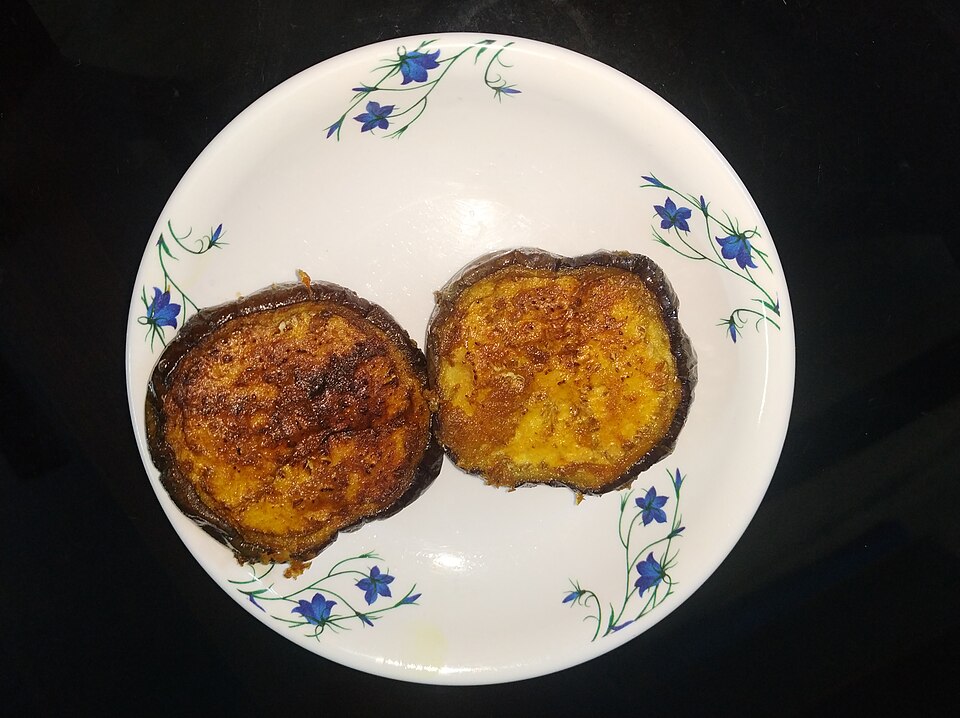
Begun bhaja
 Bangladeshi · 30 min · 107 kcal · Vegan
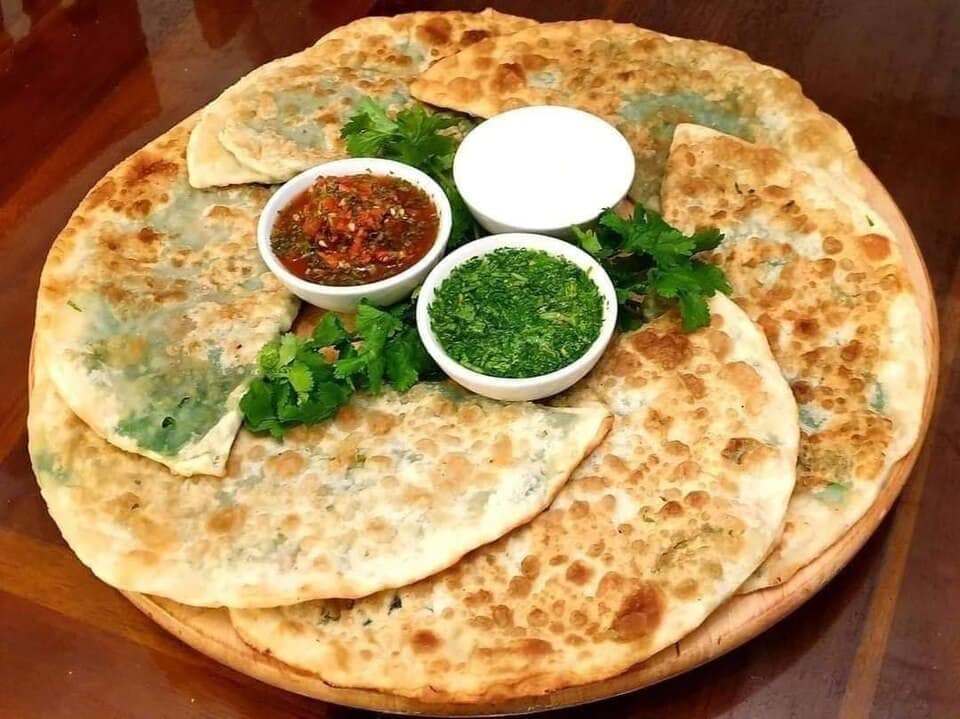
Bolani
 Afghan · 1 h 25 min · 453 kcal · Vegetarian
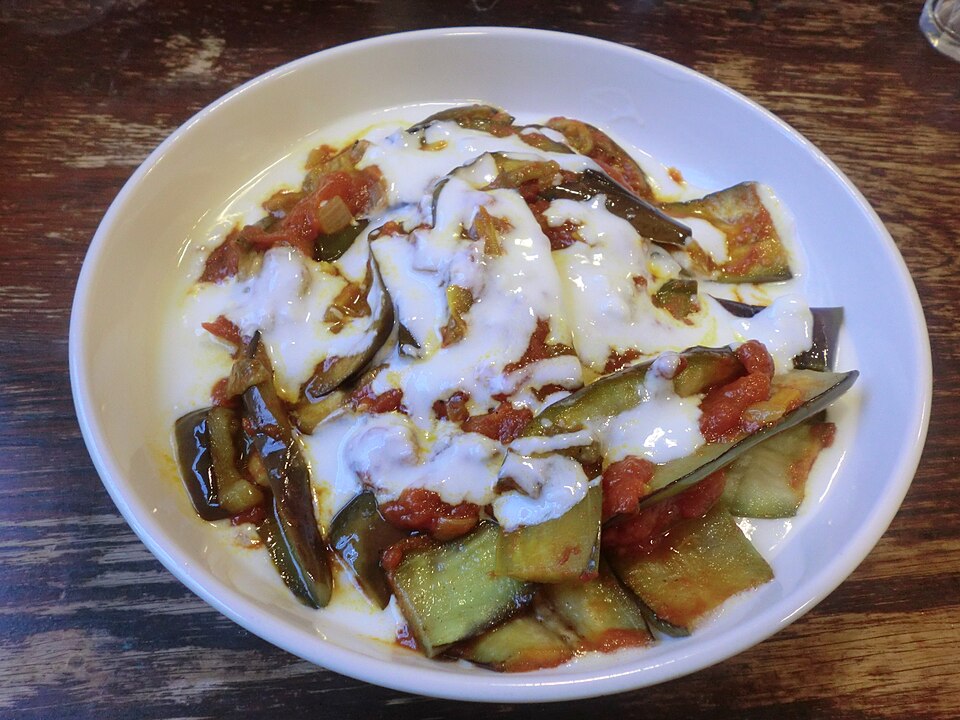
Borani banjan
Afghan · 1 h 5 min · 289 kcal · VegetarianBrik à l'oeuf
 Tunisian · 35 min · 320 kcal
Bun kebab
 Pakistani · 2 h 5 min · 398 kcal · Contains egg
48 more
- Chambo with nsima · Malawian
- Chapli kebab · Pakistani
- Chicken biryani · Indian
- Chilaquiles rojos · Mexican
- Chilli crisp · Chinese
- Corn fritters · New Zealand
- Di san xian (Dongbei eggplant, potato and pepper) · Chinese
- Draniki · Belarusian
- Gromperekichelcher · Luxembourgish
- Gutap · Turkmen
- Haemul pajeon · Korean
- Hong Kong French toast · Hong Kong
- Huevos rotos (broken eggs over fried potatoes) · Spanish
- İmam bayıldı · Turkish
- Jianbing (Chinese breakfast crepe) · Chinese
- Karnıyarık · Turkish
- Kartoffelpuffer · German
- Keftedes (Greek meatballs) · Greek
- Khai jiao (Thai omelette) · Thai
- Khuushuur (Mongolian fried meat pastries) · Mongolian
- Koshari · Egyptian
- Kotlet schabowy · Polish
- Lamprais · Sri Lankan
- Machha besara · Indian
- Masor tenga · Indian
- Milanesa a la napolitana · Argentine
- Mirchi ka salan · Indian
- Mughlai paratha · Bengali
- Mutabbaq samak · Kuwaiti
- Nam prik pao (Thai chilli jam) · Thai
- Njeguški steak · Montenegrin
- Pabellón criollo · Venezuelan
- Perkedel kentang · Indonesian
- Placki ziemniaczane · Polish
- Red red · Ghanaian
- Rellenitos de plátano · Guatemalan
- Sabich · Israeli
- Shami kebab · Pakistani
- Shito · Ghanaian
- Shorshe maach · Bangladeshi
- Silpancho · Bolivian
- Sopa de lima · Mexican
- Sopa de tortilla · Mexican
- Spaghetti alla Nerano · Italian
- Tempe bacem · Indonesian
- Tortilla española · Spanish
- Wiener Schnitzel · Austrian
- XO sauce · Cantonese