
Appam
Vegetarian
അപ്പം · appaṁ
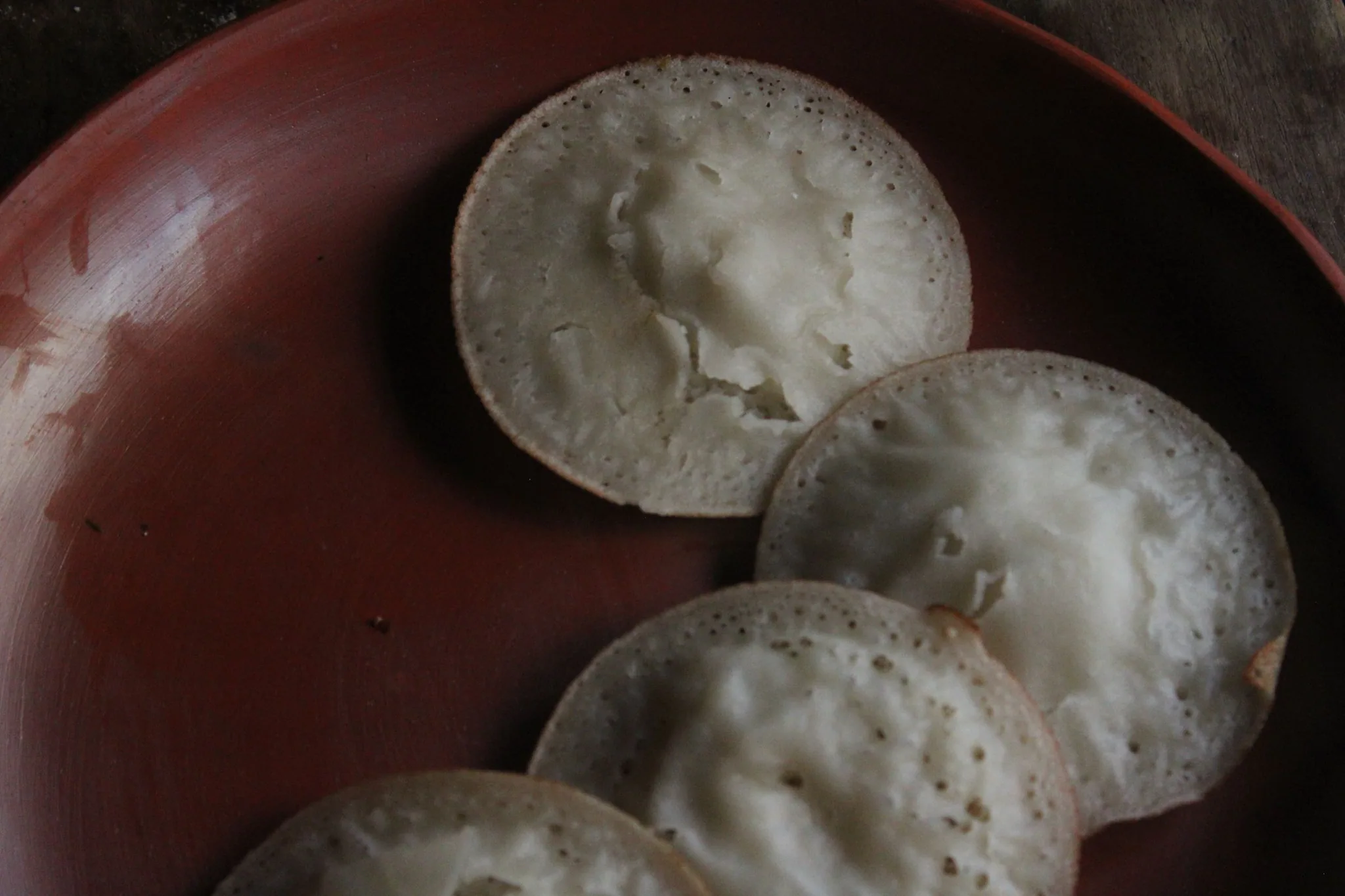
Bowl-shaped pancakes of fermented rice and coconut batter with lacy, crisp edges and a soft, spongy centre. A Kerala breakfast with stew or egg roast.
Appam is a South Indian bread, ready in about 45 minutes and made with long-grain white rice and coconut. It serves 4 and is rated intermediate to cook.
- Prep
- 20 min
- Cook
- 25 min
- Total
- 45 min
- Serves
- 4
- Level
- Intermediate
- Calories
- 358
Plus 5 hours soaking and 8–10 hours fermenting.
Ingredients
To help the batter rise
Method
Step 1
Drain the soaked rice and blend with the coconut (opens in a new tab), the soft cooked rice and enough water to make a very smooth batter like pouring cream.
Step 2
Stir in the yeast and sugar (opens in a new tab), cover and leave in a warm place for 8–10 hours until doubled and bubbly. Stir in the salt.
- 3 min
Step 3
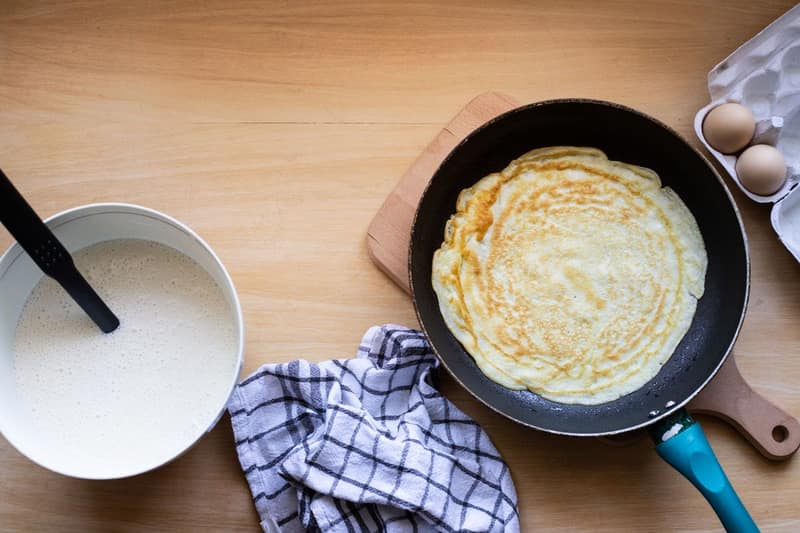
Heat an appachatti (or small deep non-stick pan) and grease it lightly. Pour in a ladle of batter and immediately swirl the pan so a thin layer coats the sides, leaving it thicker in the middle.
- 2 min
- medium heat
- Frying pan / skillet (opens in a new tab)
How it looks · Photo: Mateusz Feliksik on Pexels Step 4
Cover and cook for about 2 minutes until the edges are crisp and golden and the centre is set and spongy. Lift out without flipping. Repeat.
- 22 min
- medium heat
About this dish
- Origin
- Kerala, India · Commonly attributedClosely related to Sri Lankan hoppers (appa).Also popular in Sri LankaMore food from India
- Dish
- Breakfast · Dinner · Breads & flatbreads
- Cooking method
- Fermented, Steamed, Pan-fried
- Taste
- mild, sweet, sour
- Diet
- Vegan · No gluten ingredients · Dairy-free · No nut ingredientsWorked out from the ingredients. How labels work
All labels
Vegan · Plant-based · Vegetarian (lacto-ovo) · Eggetarian · Lacto-vegetarian · Ovo-vegetarian · Pescatarian · Flexitarian-friendly · No gluten ingredients · Dairy-free · Egg-free · No nut ingredients · Alcohol-free · Pork-free · Beef-free - Good for
- Make-ahead
- Cook more with
- Long-grain white rice · Coconut · Dried yeast · Sugar · Coconut oil
- Techniques
- Pan-frying · Steaming · Fermentation
Allergens
None of the 14 major allergens appear in the listed ingredients.
Based on typical versions of these ingredients and not verified allergen-free. Brands differ and cross-contact happens, so always check labels. For severe allergies, follow your clinician’s advice.
Nutrition
358 kcal per serving
Calculated1 serving ≈ 173 g · recipe makes 4
Where the energy comes from
- Protein 6%
- Carbohydrate 68%
- Fat 25%
| Nutrient | Per serving | Per 100 g* |
|---|---|---|
| Energy | 358 kcal | 207 kcal |
| Protein | 5.8 g | 3.3 g |
| Carbohydrate | 61.1 g | 35.2 g |
| Net carbohydrate | 57.8 g | 33.4 g |
| Sugars | 4.8 g | 2.8 g |
| Added sugars | 3.1 g | 1.8 g |
| Fibre | 3.2 g | 1.9 g |
| Fat | 10 g | 5.8 g |
| Saturated fat | 8.5 g | 4.9 g |
| Trans fat | — | — |
| Cholesterol | 0 mg | 0 mg |
| Sodium | 447 mg | 258 mg |
| Salt equivalent | 1.1 g | 0.6 g |
Vitamins & minerals per serving
- Potassium
- 170 mg
- Calcium
- 30 mg
- Iron
- 3.5 mg
- Magnesium
- 27 mg
- Vitamin A (RAE)
- 0 µg
- Vitamin C
- 1 mg
- Vitamin D
- 0 µg
- Vitamin B12
- 0 µg
- Folate (DFE)
- 276 µg
How these numbers were made
- Calculated from USDA FoodData Central (SR Legacy) per-100 g values and the listed quantities.
- *Per 100 g of combined raw ingredients; the cooked dish may weigh more or less.
- “—” means the value isn’t known for enough of the ingredients; it is never zero by default.
- Values are estimates for guidance, not for medical dosing. U.S. Department of Agriculture, Agricultural Research Service. FoodData Central, 2019. fdc.nal.usda.gov.
Good to know
Tips
- The batter should be like pouring cream; thin it with a little water if the appam won't swirl up the sides.
Common mistakes
- Pouring batter into a pan that isn't hot enough — the lacy edges won't form.
Serve with
- Serve with Kerala egg roast, vegetable stew (ishtu) or sweetened coconut milk.
Food safety
- Ferment the batter covered in a clean bowl at warm room temperature (about 25–32 °C); refrigerate once it has risen.
- Discard batter that smells rotten (not just sour) or shows pink, orange or fuzzy mould.
Storage
- Best fresh; batter keeps 2 days refrigerated.
Original editorial recipe · FriendsPantry editorial · Not yet independently reviewed · Added · Updated
Recipe DNA
How this dish is built
Built from the recipe’s own sections. Each band’s width is its share of the dish by weight. Choose a component to see what it does.
What the dish is built around
Main ingredient
- Long-grain white rice, raw rice, soaked 5 hours250 g
- Coconut, freshly grated100 g
Baker’s notes
Customise in Bread & BakeryTimeline and readiness cues
Mix and knead · about 20 min
Weigh everything. Knead until smooth and elastic: a small piece stretches thin enough to see light through (the windowpane test).
First rise (bulk) · about 9 h
Bubbly on top, risen and smelling pleasantly sour.
Rest · about 5 h
Covered so it doesn't dry out; relaxed dough rolls and shapes without springing back.
Bake · about 22 min
Deep golden; bread sounds hollow when tapped underneath, or reads 93–96 °C inside (enriched breads 88–90 °C).
- Start to finish: about 14 h 42 min. Times are a guide — warmth changes everything; follow the cues.
If something goes wrong
Pale crust
Likely causes
- Oven too cool
- Too little sugar or no milk/egg for browning
- Over-fermented (yeast ate the sugars)
What to do
- Check the oven with a thermometer
- Brush with egg wash or milk
- Shorten the fermentation
Burnt bottom
Likely causes
- Tray too close to the heat
- Dark tray absorbs more heat
- Too much sugar in the dough
What to do
- Bake on the middle shelf
- Double up trays or use a light-coloured one
- Lower the temperature 10–15 °C and bake a little longer
Tough or chewy flatbread
Likely causes
- Dough too stiff
- Not rested
- Cooked too slowly on too cool a pan
What to do
- Add water until the dough is soft and slightly tacky
- Rest 20–30 minutes covered so the gluten relaxes
- Cook on a very hot tawa or pan — quickly
Reviews & corrections
Reviews come from signed-in cooks and appear after a moderator checks them. We never show made-up ratings.
You might also like
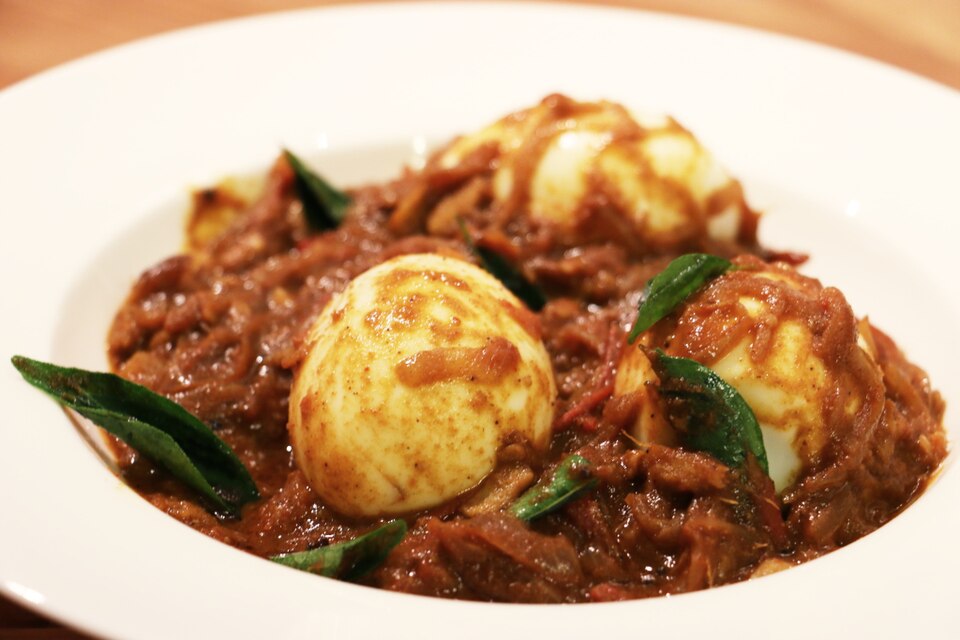
Kerala egg roast
 South Indian · 50 min · 342 kcal · Contains egg
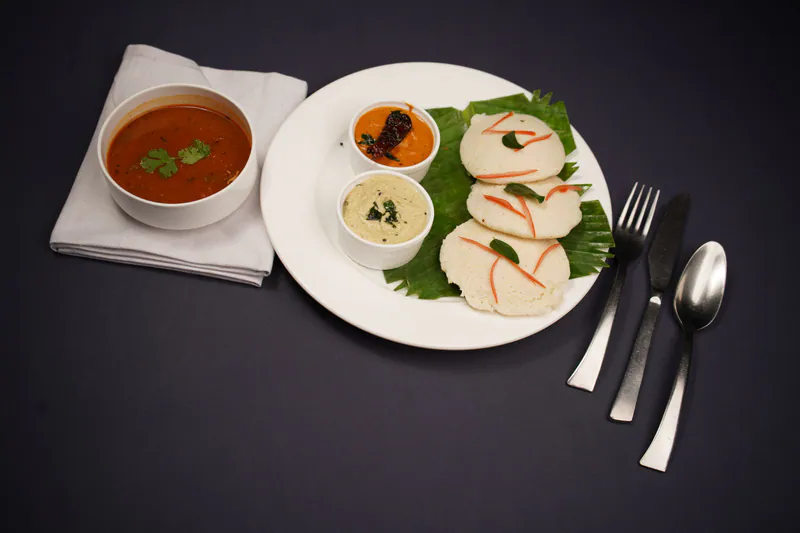
Idli
South Indian · 55 min · 247 kcal · Vegan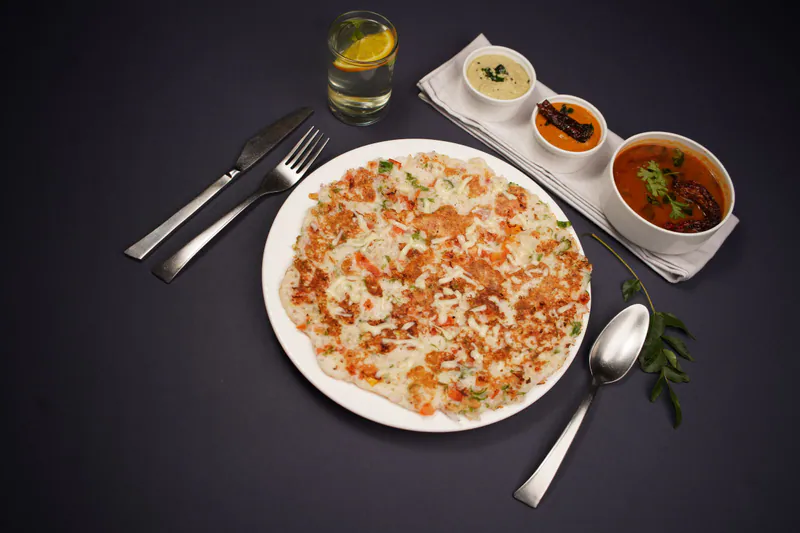
Onion tomato uttapam
South Indian · 50 min · 322 kcal · Vegan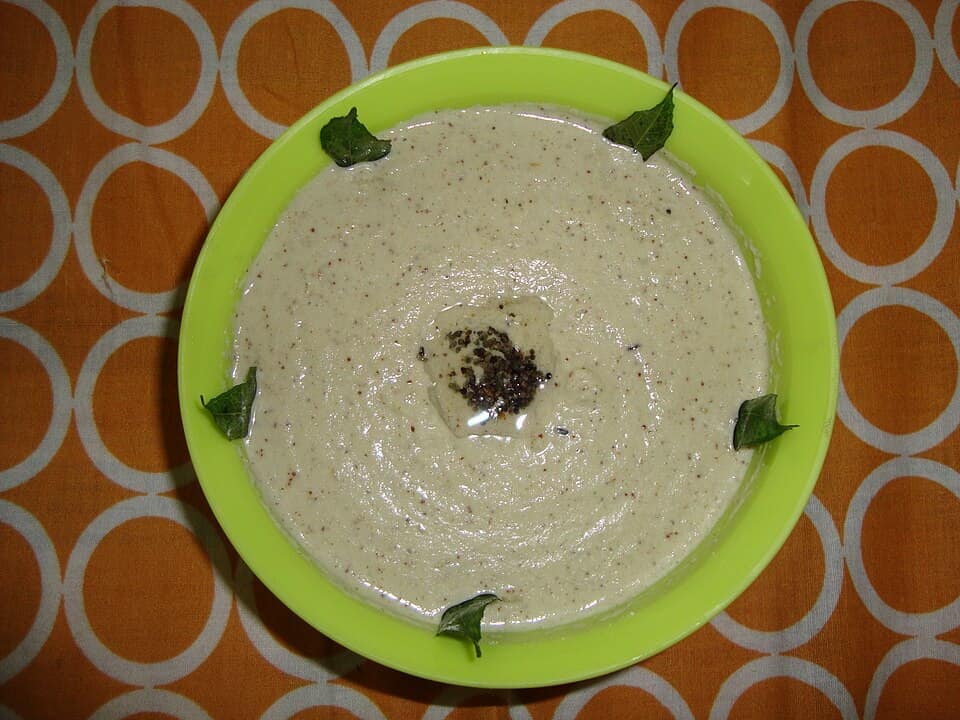
Coconut chutney
South Indian · 12 min · 135 kcal · Vegan