
Japanese curry roux (homemade)
Vegetarian
カレールウ · karē rū
Butter and flour cooked slowly to a nutty, light-brown roux, then seasoned with curry powder, garam masala and a pinch of cayenne and set into blocks. Whisked into simmering stock, it gives Japanese curry its thick, glossy, mild sauce.
Japanese curry roux (homemade) is a Japanese condiment, ready in about 50 minutes and made with butter, all-purpose flour and curry powder. It serves 4 and is rated easy to cook.
No licensed photograph of this dish yet.
- Prep
- 2 min
- Cook
- 18 min
- Rest
- 30 min
- Total
- 50 min
- Serves
- 4
- Level
- Easy
- Calories
- 177
Method
Step 1
Melt the butter (opens in a new tab) in a heavy frying pan over low heat. Add the flour and stir to a smooth paste.
Step 2
Cook, stirring constantly and scraping the edges, for 15–20 minutes until the roux turns the colour of peanut butter (opens in a new tab) and smells nutty, like shortbread. Keep the heat low; if it browns in spots or smells scorched, start again.
Food safety: Hot roux sticks and burns skin badly; do not touch or taste it until cool.
Step 3
Take the pan off the heat and stir in the curry powder (opens in a new tab), garam masala (opens in a new tab) and cayenne for 30 seconds; the residual heat blooms the spices without burning them.
Step 4
Scrape into a small lined container, smooth the top and cool for 30 minutes, then chill until firm. Cut into 4 blocks.
Step 5
To use, take the curry off the boil, dissolve the blocks in a ladle of hot broth, stir back in and simmer gently, stirring, for 5 minutes until thick and glossy.
- 1 min
About this dish
- Origin
- Japan · Well documentedJapanese curry came from British-style curry with flour-thickened sauce in the Meiji era; boxed roux blocks became common from the 1950s. Making the roux at home is the older way and lets you control salt and heat.More food from Japan
- Dish
- Condiments, chutneys & relishes · Sauces
- Cooking method
- Sautéed
- Taste
- aromatic / warmly spiced, buttery, nutty, mild
- Diet
- Vegetarian (lacto-ovo) · No nut ingredients · Low-carbWorked out from the ingredients. How labels work
All labels
Vegetarian (lacto-ovo) · Eggetarian · Lacto-vegetarian · Pescatarian · Flexitarian-friendly · Egg-free · No nut ingredients · No added sugar · Alcohol-free · Pork-free · Beef-free · Low-carb - Good for
- Make-ahead · Freezer-friendly
- Cook more with
- Butter · All-purpose flour · Curry powder · Garam masala · Cayenne / chilli powder
- Techniques
- Sautéing · Simmering · Roux thickening
Allergens
- Contains: Milkfrom butter
- Contains: Wheatfrom all-purpose flour
- Contains: Glutenfrom all-purpose flour
- May contain: Mustardfrom curry powder
- May contain: Celeryfrom curry powder
Based on typical versions of these ingredients and not verified allergen-free. Brands differ and cross-contact happens, so always check labels. For severe allergies, follow your clinician’s advice.
Nutrition
177 kcal per serving
Estimated1 serving ≈ 32 g · recipe makes 4
Where the energy comes from
- Protein 5%
- Carbohydrate 30%
- Fat 65%
| Nutrient | Per serving | Per 100 g |
|---|---|---|
| Energy | 177 kcal | 553 kcal |
| Protein | 2.4 g | 7.5 g |
| Carbohydrate | 13.9 g | 43.3 g |
| Net carbohydrate | 10.4 g | 32.4 g |
| Sugars | 0.2 g | 0.7 g |
| Added sugars | 0 g | 0 g |
| Fibre | 3.5 g | 10.9 g |
| Fat | 13.2 g | 41.1 g |
| Saturated fat | 7.8 g | 24.5 g |
| Trans fat | — | — |
| Cholesterol | 32 mg | 101 mg |
| Sodium | 100 mg | 312 mg |
| Salt equivalent | 0.2 g | 0.8 g |
Vitamins & minerals per serving
- Potassium
- 91 mg
- Calcium
- 36 mg
- Iron
- 1.8 mg
- Magnesium
- 18 mg
- Vitamin A (RAE)
- 108 µg
- Vitamin C
- 0 mg
- Vitamin D
- 0 µg
- Vitamin B12
- 0 µg
- Folate (DFE)
- 44 µg
How these numbers were made
- Calculated from USDA FoodData Central (SR Legacy) per-100 g values and the listed quantities.
- Garam masala: Curry powder (FDC 170924) used as a stand-in; both are ground blends of similar dried spices used in teaspoon amounts.
- “—” means the value isn’t known for enough of the ingredients; it is never zero by default.
- Values are estimates for guidance, not for medical dosing. U.S. Department of Agriculture, Agricultural Research Service. FoodData Central, 2019. fdc.nal.usda.gov.
Good to know
Tips
- Season the finished curry with grated apple, honey, soy sauce, ketchup or Worcestershire sauce — home roux has no salt or sugar, unlike boxed blocks.
Common mistakes
- Adding the roux to a vigorously boiling pot, which makes lumps.
- Rushing the roux over high heat; it burns before it develops flavour.
Serve with
- Japanese curry rice, katsu curry, curry udon, beef curry and curry pan filling.
Food safety
- Contains milk and wheat (gluten).
Storage
- Wrapped blocks keep 1 month in the fridge and 3 months in the freezer; use straight from frozen.
Variations
- Amakuchi (sweet) roux: Leave out the cayenne and add 1 tsp sugar and a little more garam masala for children.
Original editorial recipe · FriendsPantry editorial · Not yet independently reviewed · Added · Updated
About this masala
- Type
- Gravy base
- Texture
- Smooth paste
- One batch makes
- about 128 g
- Keeps
- about 4 weeks
- Store
- Covered, in the fridge
- Recipe
- Traditional
Japan. Makes Japanese curry roux, the ingredient our dish recipes list. All masalas
Used in
Amounts are each dish’s own quantity, for the servings it is written for. “Make enough” opens this recipe scaled for that dish.
- Japanese curry riceMade fresh in the recipe (roux cooked and spiced in step 1) · 94 g for 4 servingsMake enough
Recipe DNA
How this dish is built
Grouped by each ingredient’s role in the dish. Each band’s width is its share of the dish by weight. Choose a component to see what it does.
What the dish is built around
Main ingredient
- Butter, melted over low heat to fry the flour60 g
- All-purpose flour, fry in the butter until light brown55 g
Masalas in this recipe
Make the masala first, then come back to finish the dish.
Dry spice blend
Everyday curry powder (British-style)
This recipe uses 18 g (18 g for 4 blocks (about 32 g, each thickens about 200 ml stock)).
Dry spice blend
Punjabi garam masala
This recipe uses 5 g (5 g for 4 blocks (about 32 g, each thickens about 200 ml stock)).
Also: Bengali garam masala, Kerala (Malabar) garam masala, Mughlai (shahi) garam masala
Reviews & corrections
Reviews come from signed-in cooks and appear after a moderator checks them. We never show made-up ratings.
You might also like
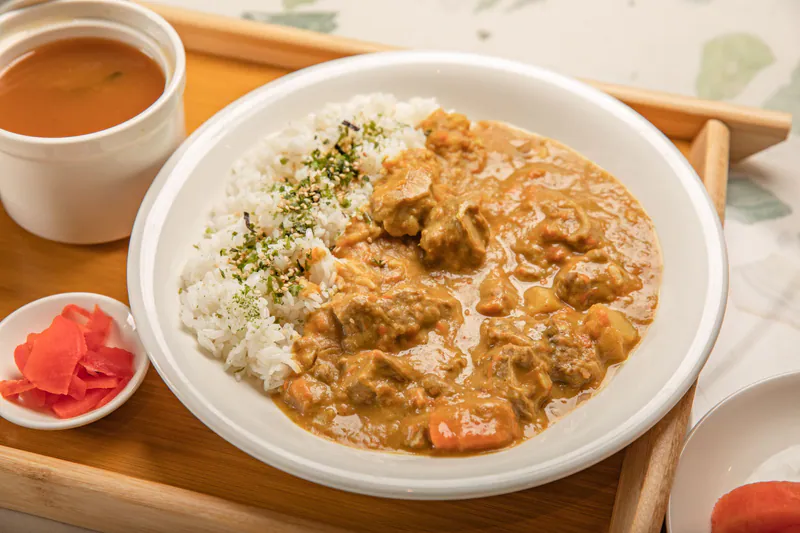
Japanese curry rice
 Japanese · 1 h 5 min · 748 kcal
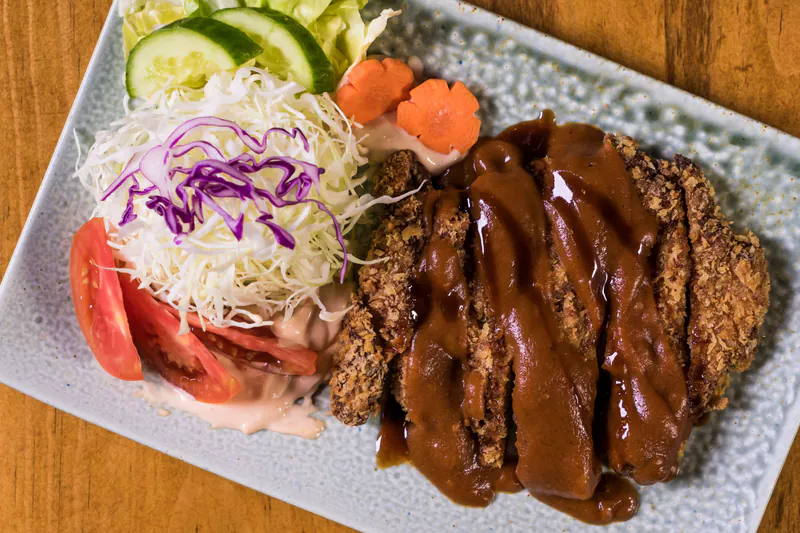
Tonkatsu
Japanese · 35 min · 712 kcal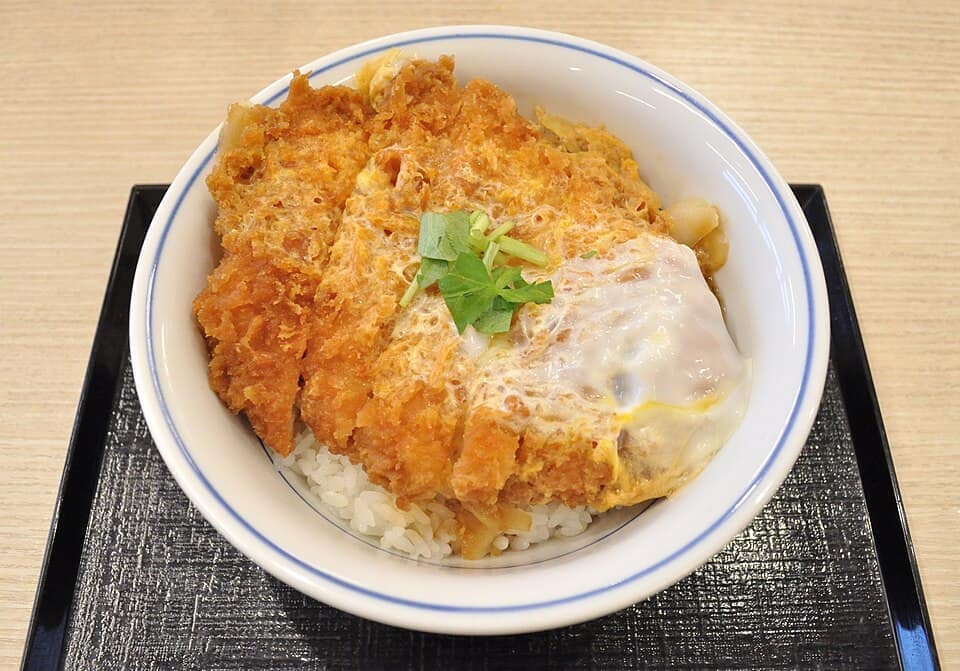
Katsudon
Japanese · 40 min · 1003 kcal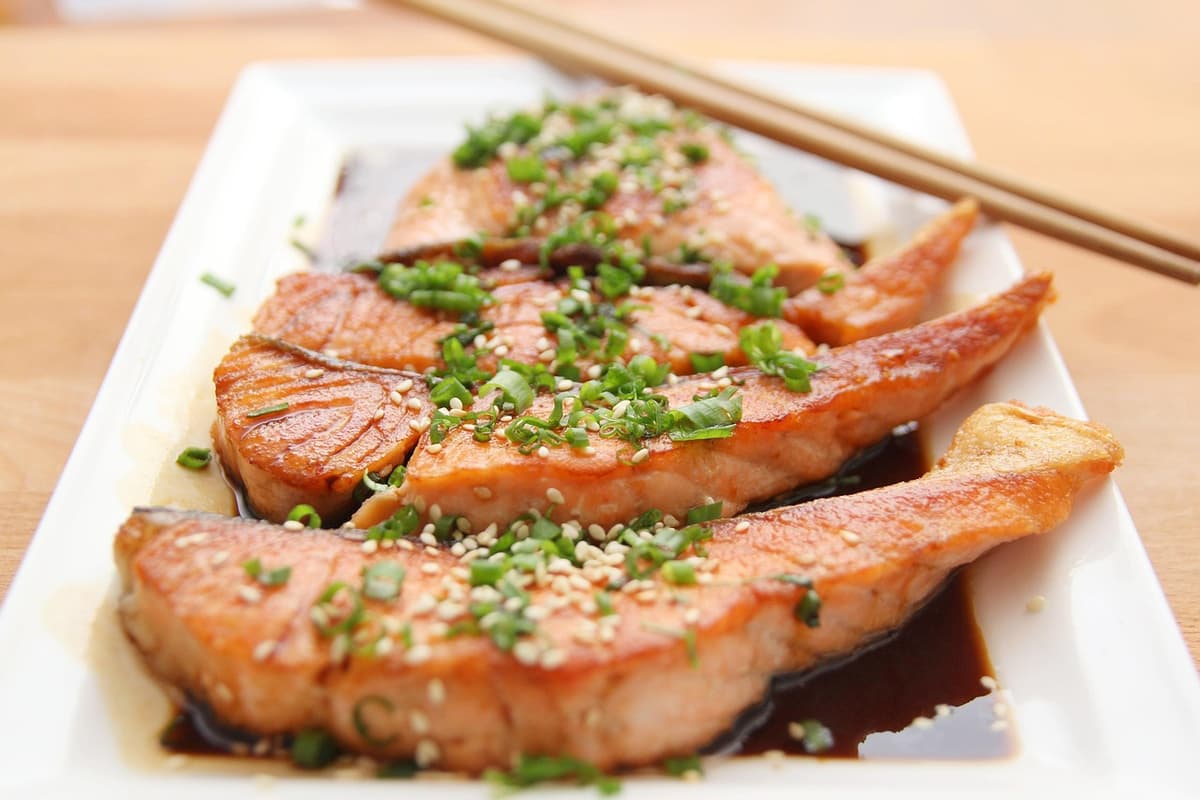
Salmon teriyaki
Japanese · 17 min · 439 kcal