
Shengdana chutney (Maharashtrian dry peanut chutney)
Vegetarian
शेंगदाण्याची चटणी · śeṅgdāṇyācī caṭṇī
Roasted peanuts pulsed with garlic, red chilli powder, cumin and salt into a coarse, crumbly, red-flecked powder. A dry chutney kept in every Maharashtrian kitchen for bhakri, chapati and a spoon of oil or curd.
Shengdana chutney (Maharashtrian dry peanut chutney) is an Indian condiment, ready in about 33 minutes and made with peanuts and garlic. It serves 12 and is rated beginner to cook.
No licensed photograph of this dish yet.
- Prep
- 10 min
- Cook
- 8 min
- Rest
- 15 min
- Total
- 33 min
- Serves
- 12
- Level
- Beginner
- Calories
- 75
Method
Step 1
Dry-roast the peanuts (opens in a new tab) in a heavy pan over medium-low heat, stirring constantly, until the skins crack and blister and the nuts smell toasty and are light golden inside (break one to check), 7–8 minutes. Add the cumin seeds (opens in a new tab) for the last minute.
- 8 min
- medium-low heat
- Frying pan / skillet (opens in a new tab)
Step 2
Tip onto a plate and cool completely, about 15 minutes. Rub the peanuts (opens in a new tab) between your palms or in a cloth and winnow away most of the papery skins.
- 15 min
Step 3
Put the garlic (opens in a new tab), chilli powder, salt and sugar (opens in a new tab) (if using) into a dry grinder jar and pulse to crush the garlic. Add the peanuts (opens in a new tab) and cumin.
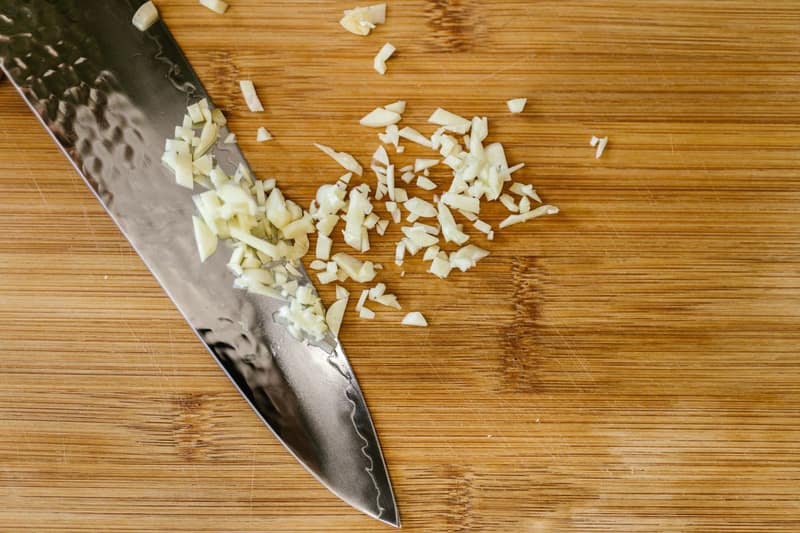
How it looks · Photo: RDNE Stock project on Pexels Step 4
Pulse in 1–2 second bursts, shaking the jar between pulses, until you have a coarse, crumbly powder like breadcrumbs. Stop before it clumps: peanuts (opens in a new tab) turn to butter very quickly.
Step 5
Spread on a plate for a few minutes to let any warmth from grinding escape, then store in a dry, airtight jar.
About this dish
- Origin
- Maharashtra, India · Well documentedA staple dry chutney across Maharashtra, especially in the Deccan and Khandesh, where peanuts are a main crop.More food from India
- Dish
- Breakfast · Lunch · Dinner · Condiments, chutneys & relishes
- Cooking method
- Toasted, Blended
- Taste
- nutty, spicy (chilli heat), garlicky, savoury
- Diet
- Vegan · No gluten ingredients · Dairy-free · Keto-style · Low-carbWithout the optional extras: Whole-food focused, No added sugarWorked out from the ingredients. How labels work
All labels
Vegan · Plant-based · Vegetarian (lacto-ovo) · Eggetarian · Lacto-vegetarian · Ovo-vegetarian · Pescatarian · Flexitarian-friendly · No gluten ingredients · Dairy-free · Egg-free · Alcohol-free · Pork-free · Beef-free · Keto-style · Low-carb · DASH-style - Good for
- Make-ahead · Budget-friendly · Portable / lunchbox
- Cook more with
- Peanuts · Garlic · Cayenne / chilli powder · Cumin seeds
- Techniques
- Toasting · Spice roasting (dry-roasting) · Wet grinding · Dry grinding · Emulsification
Allergens
- Contains: Peanutsfrom peanuts
Based on typical versions of these ingredients and not verified allergen-free. Brands differ and cross-contact happens, so always check labels. For severe allergies, follow your clinician’s advice.
Nutrition
75 kcal per serving
Calculated1 serving ≈ 15 g · recipe makes 12
Where the energy comes from
- Protein 17%
- Carbohydrate 14%
- Fat 69%
| Nutrient | Per serving | Per 100 g |
|---|---|---|
| Energy | 75 kcal | 518 kcal |
| Protein | 3.4 g | 23.4 g |
| Carbohydrate | 2.9 g | 19.8 g |
| Net carbohydrate | 1.6 g | 10.9 g |
| Sugars | 0.7 g | 4.6 g |
| Added sugars | 0 g | 0 g |
| Fibre | 1.3 g | 8.8 g |
| Fat | 6.3 g | 43.3 g |
| Saturated fat | 0.8 g | 5.6 g |
| Trans fat | — | — |
| Cholesterol | 0 mg | 0 mg |
| Sodium | 132 mg | 906 mg |
| Salt equivalent | 0.3 g | 2.3 g |
Vitamins & minerals per serving
- Potassium
- 110 mg
- Calcium
- 16 mg
- Iron
- 0.8 mg
- Magnesium
- 23 mg
- Vitamin A (RAE)
- 14 µg
- Vitamin C
- 1 mg
- Vitamin D
- 0 µg
- Vitamin B12
- 0 µg
- Folate (DFE)
- 31 µg
How these numbers were made
- Calculated from USDA FoodData Central (SR Legacy) per-100 g values and the listed quantities.
- Optional ingredients are not included: sugar.
- “—” means the value isn’t known for enough of the ingredients; it is never zero by default.
- Values are estimates for guidance, not for medical dosing. U.S. Department of Agriculture, Agricultural Research Service. FoodData Central, 2019. fdc.nal.usda.gov.
Good to know
Tips
- Traditionally the garlic is pounded with the peanuts in a khalbatta (mortar); a mortar gives the best texture if you have time.
- To eat, mix a spoonful with a little groundnut oil or curd to make a quick wet chutney.
Common mistakes
- Grinding warm peanuts or running the grinder continuously; it turns into a paste.
- Under-roasting, which leaves a raw, beany taste.
Serve with
- Serve with jowar bhakri, bajra roti, chapati, thalipeeth or varan-bhaat; sprinkle on kanda poha or upma.
- Mix with thick curd for a quick dahi-shengdana chutney with sabudana khichdi (without garlic for fasting days).
Food safety
- Store in a scrupulously clean, completely dry jar and always use a dry spoon; moisture is what spoils dry chutneys and pickles.
- Contains peanuts.
Storage
- Keep in a dry, airtight jar in a cool place for up to 3 weeks, or refrigerate for up to 2 months.
Variations
- Upvasachi shengdana chutney: For fasting days: peanuts, green chilli or chilli powder, cumin, salt and sugar, with no garlic.
- Khandeshi shengdana chutney: Hotter, with more garlic and a little dry coconut, from the Khandesh region of north Maharashtra.
- Shengdana-til chutney: Replace a third of the peanuts with roasted sesame.
Original editorial recipe · FriendsPantry editorial · Not yet independently reviewed · Added · Updated
Goes with
Recipe DNA
How this dish is built
Make it milder, swap ingredients for your diet, change the batch size or thickness — the original stays as it is.
Customise in Sauce & DrizzleReviews & corrections
Reviews come from signed-in cooks and appear after a moderator checks them. We never show made-up ratings.
You might also like
Dry garlic chutney (vada pav chutney)
 Indian · 25 min · 40 kcal · Vegan
Tilachi chutney (Maharashtrian dry sesame chutney)
Indian · 27 min · 62 kcal · VeganJavas chutney (Maharashtrian flaxseed chutney)
Indian · 26 min · 59 kcal · VeganThecha (Maharashtrian green chilli and garlic relish)
Indian · 13 min · 49 kcal · Vegan