
Canh chua cá
Non-vegetarian
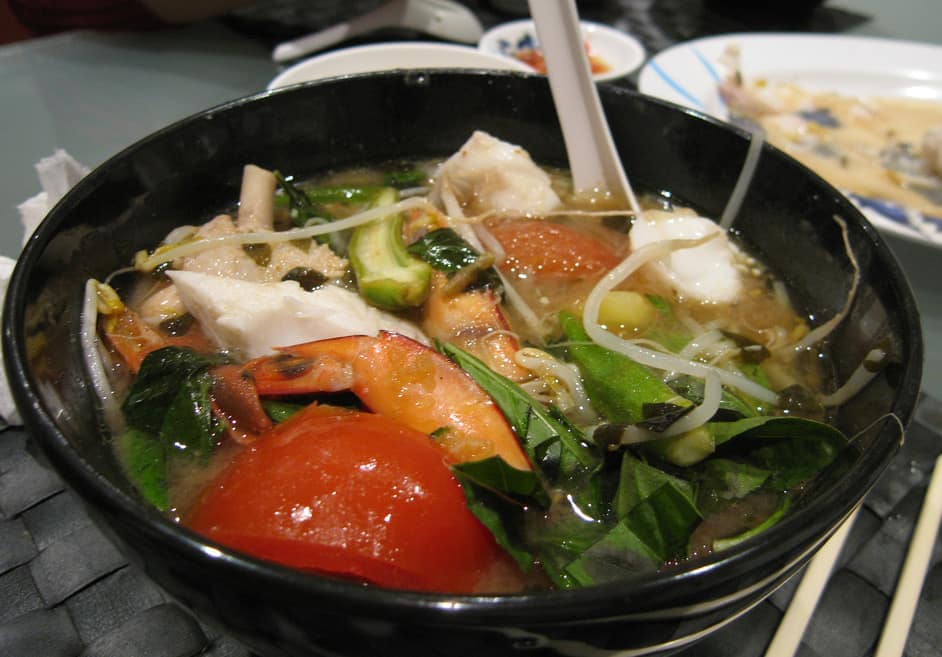
A Mekong Delta sour soup of catfish, pineapple, tomato, okra and bean sprouts in a tamarind broth, finished with fried garlic and fresh herbs.
Canh chua cá is a Vietnamese soup, ready in about 40 minutes and made with catfish, tamarind paste and pineapple. It serves 4 and is rated easy to cook.
- Prep
- 20 min
- Cook
- 20 min
- Total
- 40 min
- Serves
- 4
- Level
- Easy
- Calories
- 305
Method
Step 1
Toss the fish with 1 tablespoon of the fish sauce (opens in a new tab) and set aside while you prepare the vegetables.
- 10 min
Step 2
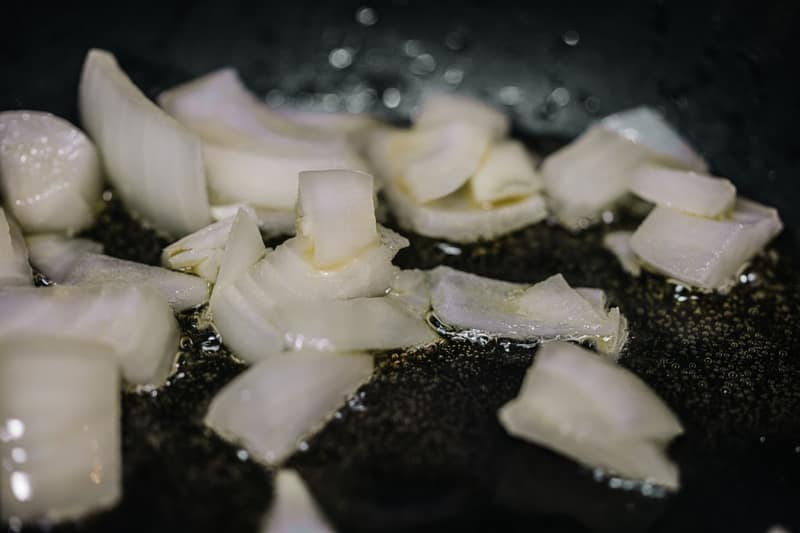
Fry the garlic (opens in a new tab) and shallot (opens in a new tab) gently in the oil until golden and crisp; lift out half the garlic for garnish.
- 4 min
- medium-low heat
- Frying pan / skillet (opens in a new tab)
How it looks · Photo: Magda Ehlers on Pexels Step 3
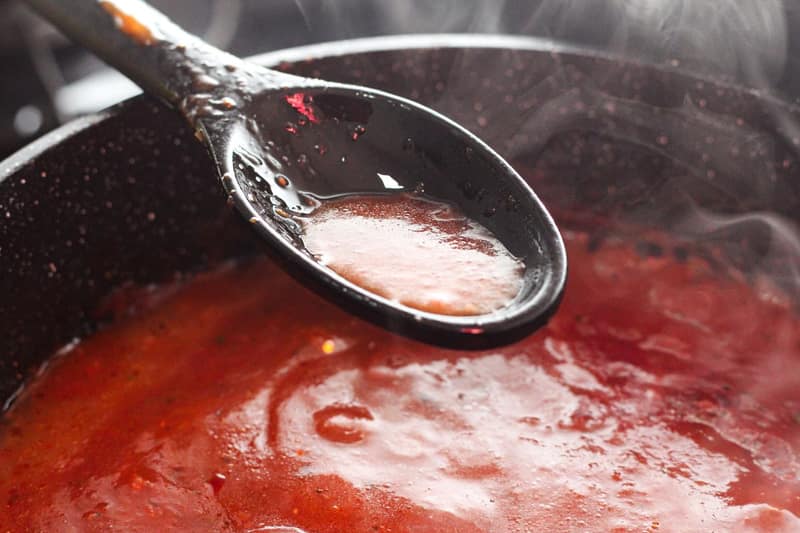
Bring the water to the boil with the tamarind, sugar (opens in a new tab) and salt. Add the pineapple (opens in a new tab) and tomatoes (opens in a new tab) and simmer for 5 minutes.
- 7 min
- medium heat
- Stockpot / large pot (opens in a new tab)
How it looks · Photo: Nanda Mends on Pexels Step 4
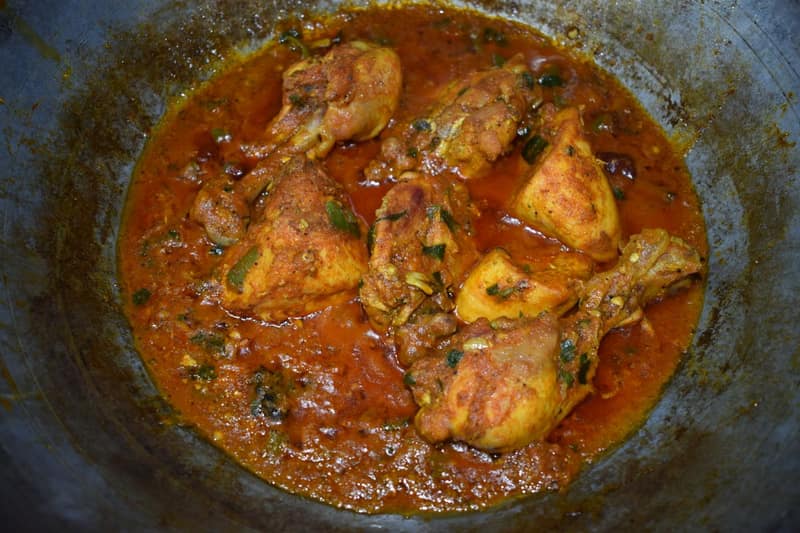
Add the fish and simmer gently until just cooked, then add the okra (opens in a new tab) and celery (opens in a new tab) for 2 minutes. Season with the remaining fish sauce (opens in a new tab).
- 7 min
- medium-low heat
Food safety: Cook fish until it flakes easily and is opaque throughout.
How it looks · Photo: Bachir Mamud on Pexels Step 5
Take the pot off the stove, add the bean sprouts (opens in a new tab) and the shallot (opens in a new tab) oil from step 2, then serve topped with the reserved crisp garlic (opens in a new tab), chilli and herbs.
- 1 min
About this dish
- Origin
- Mekong Delta, Vietnam · Well documentedMore food from Vietnam
- Dish
- Lunch · Dinner · Soups
- Cooking method
- Simmered
- Taste
- sour, sweet & sour, fresh, herby
- Diet
- Pescatarian · No gluten ingredients · Dairy-free · No nut ingredients · High-proteinWorked out from the ingredients. How labels work
All labels
Pescatarian · Non-vegetarian · No gluten ingredients · Dairy-free · Egg-free · No nut ingredients · Alcohol-free · Pork-free · Beef-free · High-protein · Low-fat · Calorie-conscious - Good for
- Everyday · One-pot
- Cook more with
- Catfish · Tamarind paste · Pineapple · Fish sauce · Sugar · Tomato
Allergens
- Contains: Fishfrom catfish, fish sauce
- May contain: Crustaceansfrom fish sauce
- Contains, can be adapted: Celeryfrom celery
Based on typical versions of these ingredients and not verified allergen-free. Brands differ and cross-contact happens, so always check labels. For severe allergies, follow your clinician’s advice.
Nutrition
305 kcal per serving
Estimated1 serving ≈ 715 g · recipe makes 4
Where the energy comes from
- Protein 29%
- Carbohydrate 39%
- Fat 32%
| Nutrient | Per serving | Per 100 g* |
|---|---|---|
| Energy | 305 kcal | 43 kcal |
| Protein | 22.7 g | 3.2 g |
| Carbohydrate | 30.3 g | 4.2 g |
| Net carbohydrate | 26.5 g | 3.7 g |
| Sugars | 20.6 g | 2.9 g |
| Added sugars | 6.3 g | 0.9 g |
| Fibre | 3.8 g | 0.5 g |
| Fat | 11.2 g | 1.6 g |
| Saturated fat | 2 g | 0.3 g |
| Trans fat | 0.1 g | 0 g |
| Cholesterol | 69 mg | 10 mg |
| Sodium | 1480 mg | 207 mg |
| Salt equivalent | 3.7 g | 0.5 g |
Vitamins & minerals per serving
- Potassium
- 876 mg
- Calcium
- 114 mg
- Iron
- 1.7 mg
- Magnesium
- 104 mg
- Vitamin A (RAE)
- 50 µg
- Vitamin C
- 49 mg
- Vitamin D
- 0.3 µg
- Vitamin B12
- 3.7 µg
- Folate (DFE)
- 75 µg
How these numbers were made
- Calculated from USDA FoodData Central (SR Legacy) per-100 g values and the listed quantities.
- *Per 100 g of combined raw ingredients; the cooked dish may weigh more or less.
- Optional ingredients are not included: celery.
- Tamarind paste: Raw tamarind pulp (FDC 167763). Commercial concentrates vary in water content.
- “—” means the value isn’t known for enough of the ingredients; it is never zero by default.
- Values are estimates for guidance, not for medical dosing. U.S. Department of Agriculture, Agricultural Research Service. FoodData Central, 2019. fdc.nal.usda.gov.
Good to know
Tips
- Balance is everything — taste and adjust sour, sweet and salty at the end.
Common mistakes
- Stirring vigorously after the fish goes in breaks it into pieces.
Serve with
- Serve with rice and caramel-braised fish or pork (cá kho / thịt kho) — a classic southern pairing.
Storage
- Best eaten on the day.
Variations
- Canh chua tôm: Use prawns instead of fish.
Original editorial recipe · FriendsPantry editorial · Not yet independently reviewed · Added · Updated
Recipe DNA
How this dish is built
Grouped by each ingredient’s role in the dish. Each band’s width is its share of the dish by weight. Choose a component to see what it does.
What the dish is built around
Main ingredient
- Catfish, steaks or thick fillet pieces500 g
- Pineapple, cut into bite-size pieces200 g
- Tomato, cut into wedges2 piece · 240 g
- Okra, sliced on the diagonal100 g
- Bean sprouts, rinsed, straggly roots picked off100 g
- Fresh red chilli, sliced2 piece · 12 g
Reviews & corrections
Reviews come from signed-in cooks and appear after a moderator checks them. We never show made-up ratings.
You might also like
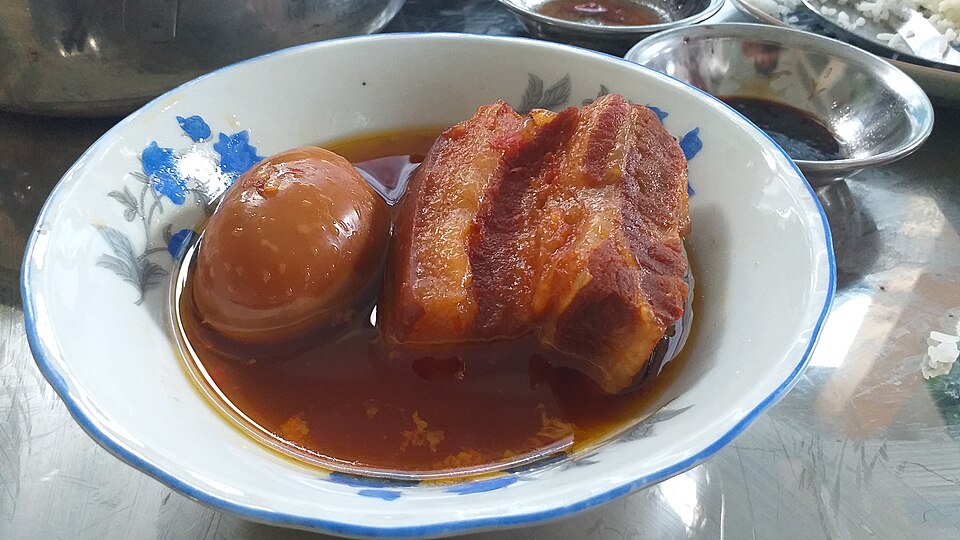
Thịt kho trứng
 Vietnamese · 2 h · 728 kcal
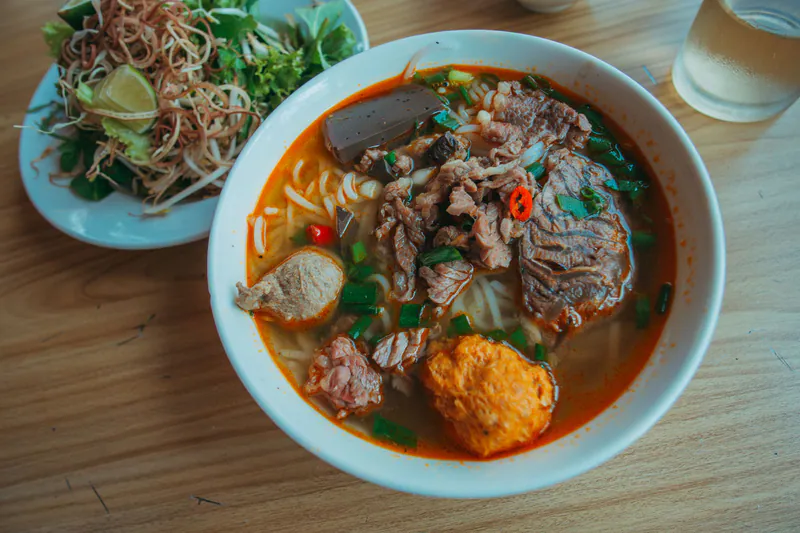
Bún bò Huế
Vietnamese · 3 h · 669 kcal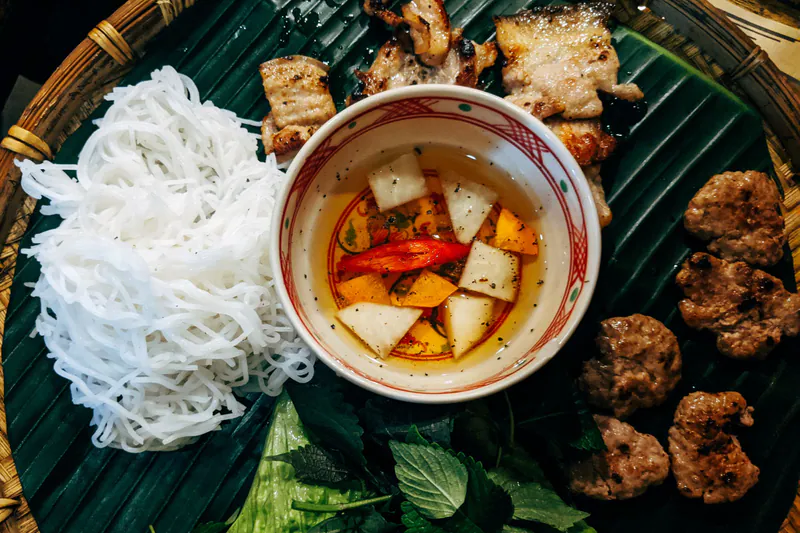
Bún chả
Vietnamese · 1 h 50 min · 922 kcal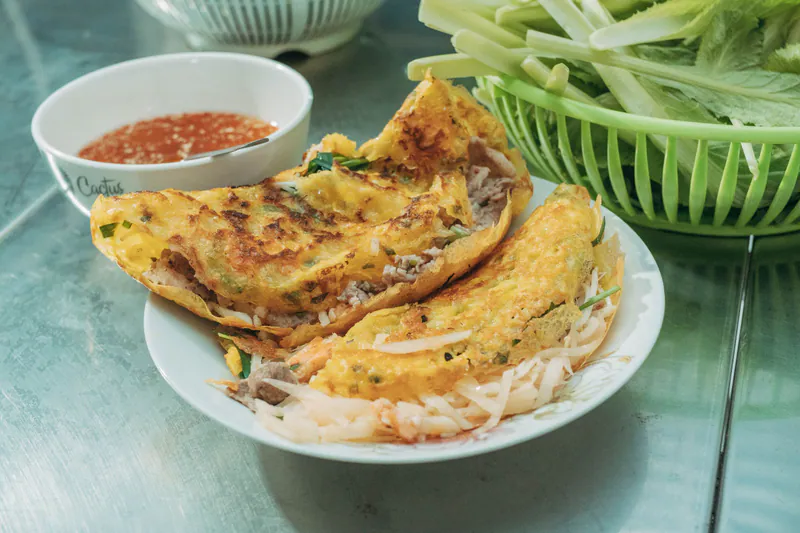
Bánh xèo
Vietnamese · 1 h 25 min · 748 kcal