
Akuri (Parsi scrambled eggs)
Contains egg (no meat or fish)
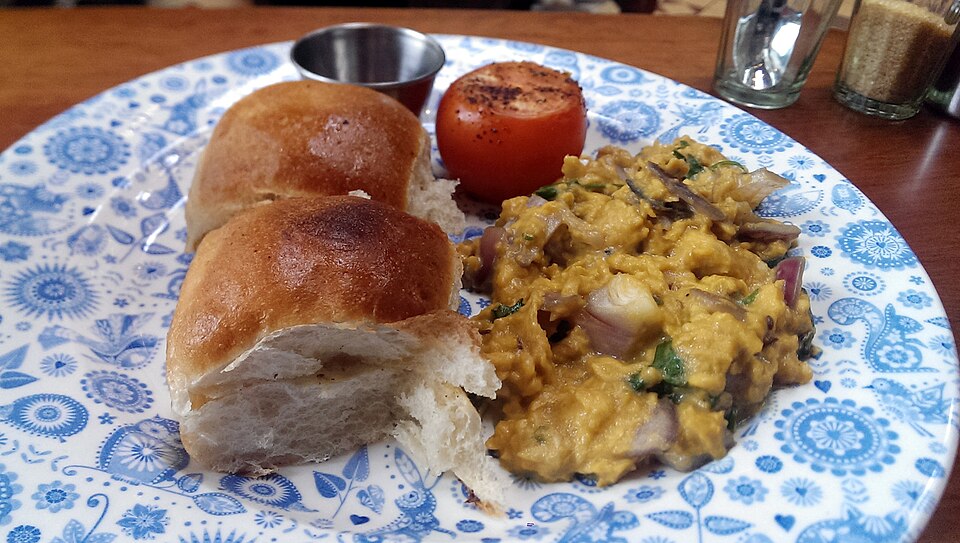
The Parsi breakfast scramble: eggs cooked slowly with onion, tomato, green chilli, ginger and coriander until soft and almost runny, richer and looser than bhurji.
Akuri (Parsi scrambled eggs) is an Indian egg dish, ready in about 22 minutes and made with egg and coriander leaves. It serves 3 and is rated easy to cook.
- Prep
- 10 min
- Cook
- 12 min
- Total
- 22 min
- Serves
- 3
- Level
- Easy
- Calories
- 248
Method
Step 1
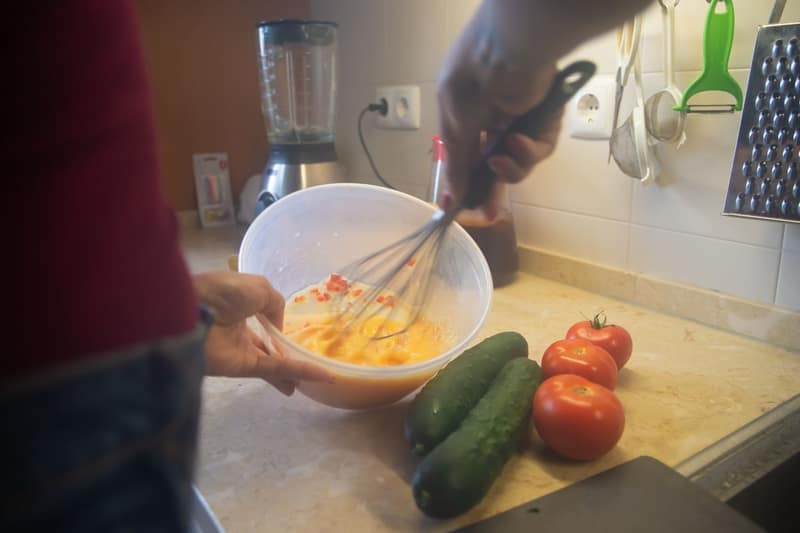
Beat the eggs (opens in a new tab) with the milk (opens in a new tab) and a pinch of salt.
How it looks · Photo: Kampus Production on Pexels Step 2
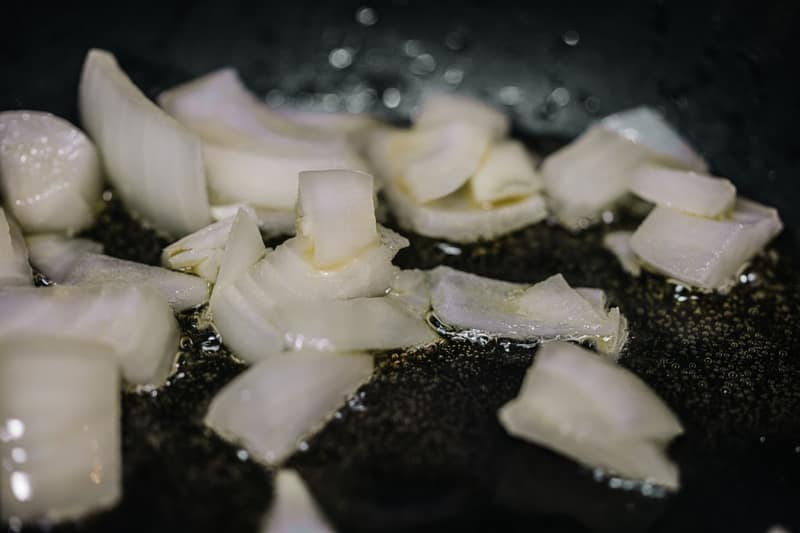
Melt the ghee (opens in a new tab) over medium-low heat and cook the onion (opens in a new tab) for 6 minutes until soft and translucent, not browned. Add the ginger, chilli, tomato (opens in a new tab), turmeric (opens in a new tab) and cayenne and cook 2 minutes.
- 8 min
- medium-low heat
- Frying pan / skillet (opens in a new tab)
How it looks · Photo: Magda Ehlers on Pexels Step 3
Turn the heat to low, add the eggs (opens in a new tab) and most of the coriander and stir gently and constantly for 2–3 minutes. Take off the heat while still soft and slightly runny — it keeps cooking on the plate.
- 3 min
- low heat
- Spatula (opens in a new tab)
About this dish
- Origin
- Parsi community of Mumbai and Gujarat, India · Commonly attributedMore food from India
- Dish
- Breakfast · Brunch · Egg dishes
- Cooking method
- Sautéed
- Taste
- creamy, spicy (chilli heat), fresh
- Diet
- Vegetarian (lacto-ovo) · No gluten ingredients · No nut ingredients · Keto-style · Low-carb · High-proteinWorked out from the ingredients. How labels work
All labels
Vegetarian (lacto-ovo) · Eggetarian · Pescatarian · Flexitarian-friendly · Whole-food focused · No gluten ingredients · No nut ingredients · No added sugar · Alcohol-free · Pork-free · Beef-free · Keto-style · Low-carb · High-protein - Good for
- Everyday
- Cook more with
- Egg · Coriander leaves · Ghee · Onion · Fresh ginger · Green chilli
- Techniques
- Sautéing
Allergens
- Contains: Milkfrom milk, ghee
- Contains: Eggsfrom egg
Based on typical versions of these ingredients and not verified allergen-free. Brands differ and cross-contact happens, so always check labels. For severe allergies, follow your clinician’s advice.
Nutrition
248 kcal per serving
Estimated1 serving ≈ 196 g · recipe makes 3
Where the energy comes from
- Protein 22%
- Carbohydrate 11%
- Fat 67%
| Nutrient | Per serving | Per 100 g* |
|---|---|---|
| Energy | 248 kcal | 127 kcal |
| Protein | 13.6 g | 6.9 g |
| Carbohydrate | 6.6 g | 3.4 g |
| Net carbohydrate | 5.2 g | 2.6 g |
| Sugars | 3.2 g | 1.7 g |
| Added sugars | 0 g | 0 g |
| Fibre | 1.4 g | 0.7 g |
| Fat | 18.6 g | 9.5 g |
| Saturated fat | 8.7 g | 4.5 g |
| Trans fat | 0 g | 0 g |
| Cholesterol | 395 mg | 202 mg |
| Sodium | — | — |
| Salt equivalent | — | — |
Vitamins & minerals per serving
- Potassium
- 335 mg
- Calcium
- 73 mg
- Iron
- 2.2 mg
- Magnesium
- 23 mg
- Vitamin A (RAE)
- 271 µg
- Vitamin C
- 19 mg
- Vitamin D
- 2 µg
- Vitamin B12
- 0.9 µg
- Folate (DFE)
- 64 µg
How these numbers were made
- Calculated from USDA FoodData Central (SR Legacy) per-100 g values and the listed quantities.
- *Per 100 g of combined raw ingredients; the cooked dish may weigh more or less.
- Optional ingredients are not included: milk, cayenne / chilli powder.
- Not counted (tiny amounts or “to taste”): salt — so sodium is shown as unknown.
- “—” means the value isn’t known for enough of the ingredients; it is never zero by default.
- Values are estimates for guidance, not for medical dosing. U.S. Department of Agriculture, Agricultural Research Service. FoodData Central, 2019. fdc.nal.usda.gov.
Good to know
Serve with
- On buttered toast or with soft pav, topped with the remaining coriander.
Food safety
- Runny or lightly cooked eggs: the UK Food Standards Agency says hen eggs with the British Lion mark or from the Laid in Britain scheme can be eaten lightly cooked by everyone, including young children, pregnant people and older adults (but not people who are severely immunocompromised). Otherwise — and following USDA advice in the US — cook eggs until white and yolk are firm for vulnerable groups, or use pasteurised eggs. Duck, goose and quail eggs should always be cooked through.
Storage
- Best eaten immediately.
Original editorial recipe · FriendsPantry editorial · Not yet independently reviewed · Added · Updated
Recipe DNA
How this dish is built
Grouped by each ingredient’s role in the dish. Each band’s width is its share of the dish by weight. Choose a component to see what it does.
Reviews & corrections
Reviews come from signed-in cooks and appear after a moderator checks them. We never show made-up ratings.
You might also like
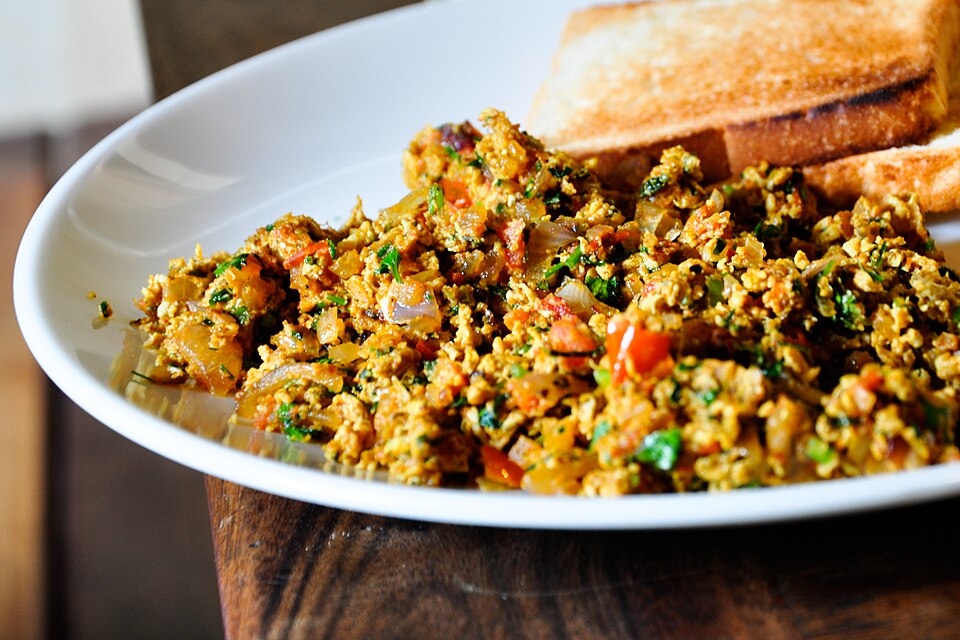
Anda bhurji (Indian spiced scrambled eggs)
 Indian · 22 min · 254 kcal · Contains egg
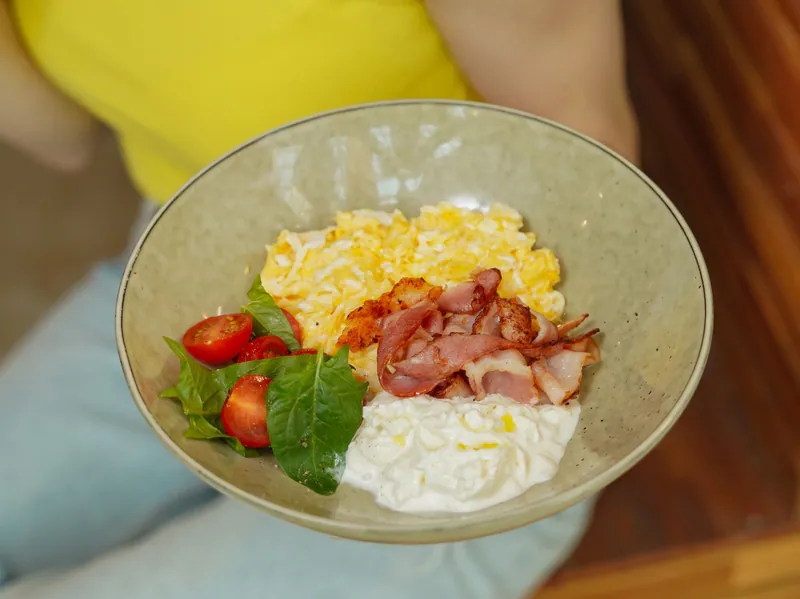
Creamy Scrambled Eggs
International · 7 min · 204 kcal · Contains egg
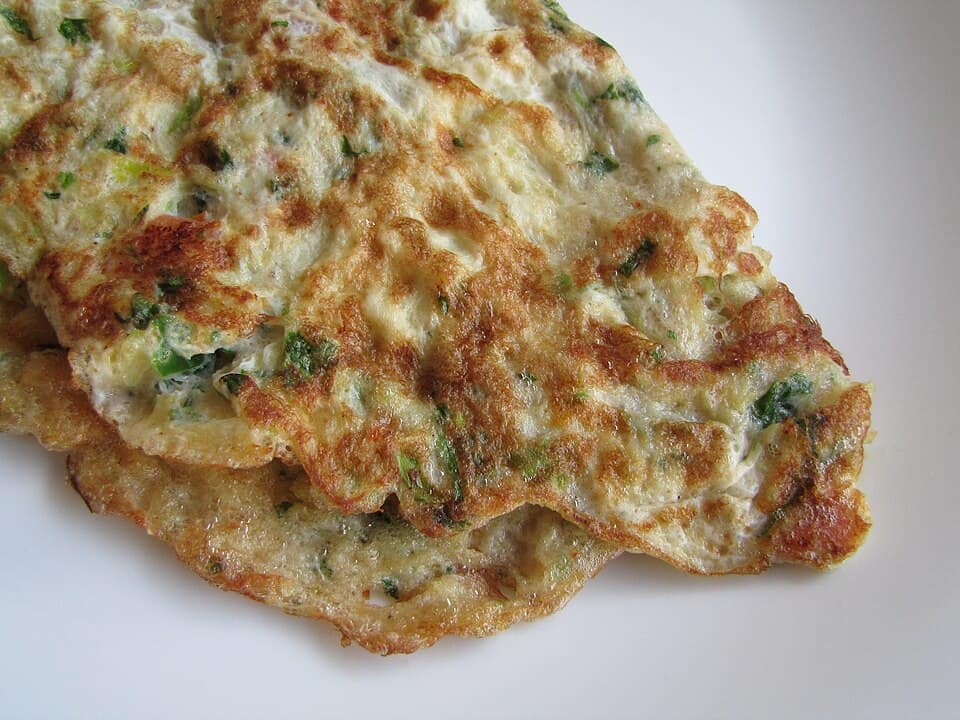
Masala omelette
Indian · 14 min · 222 kcal · Contains egg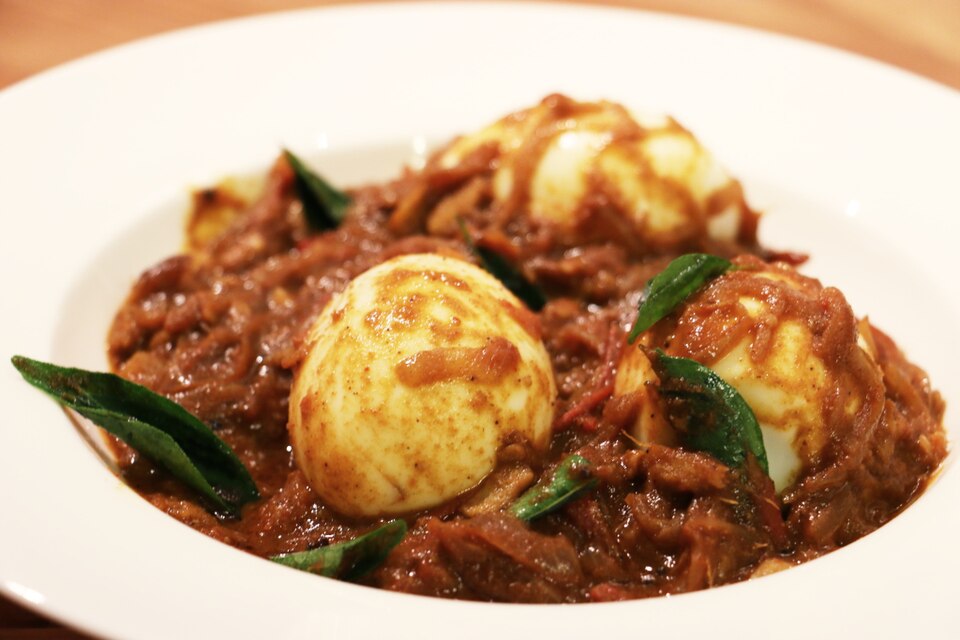
Kerala egg roast
South Indian · 50 min · 342 kcal · Contains egg