
Spaghetti carbonara
Non-vegetarian
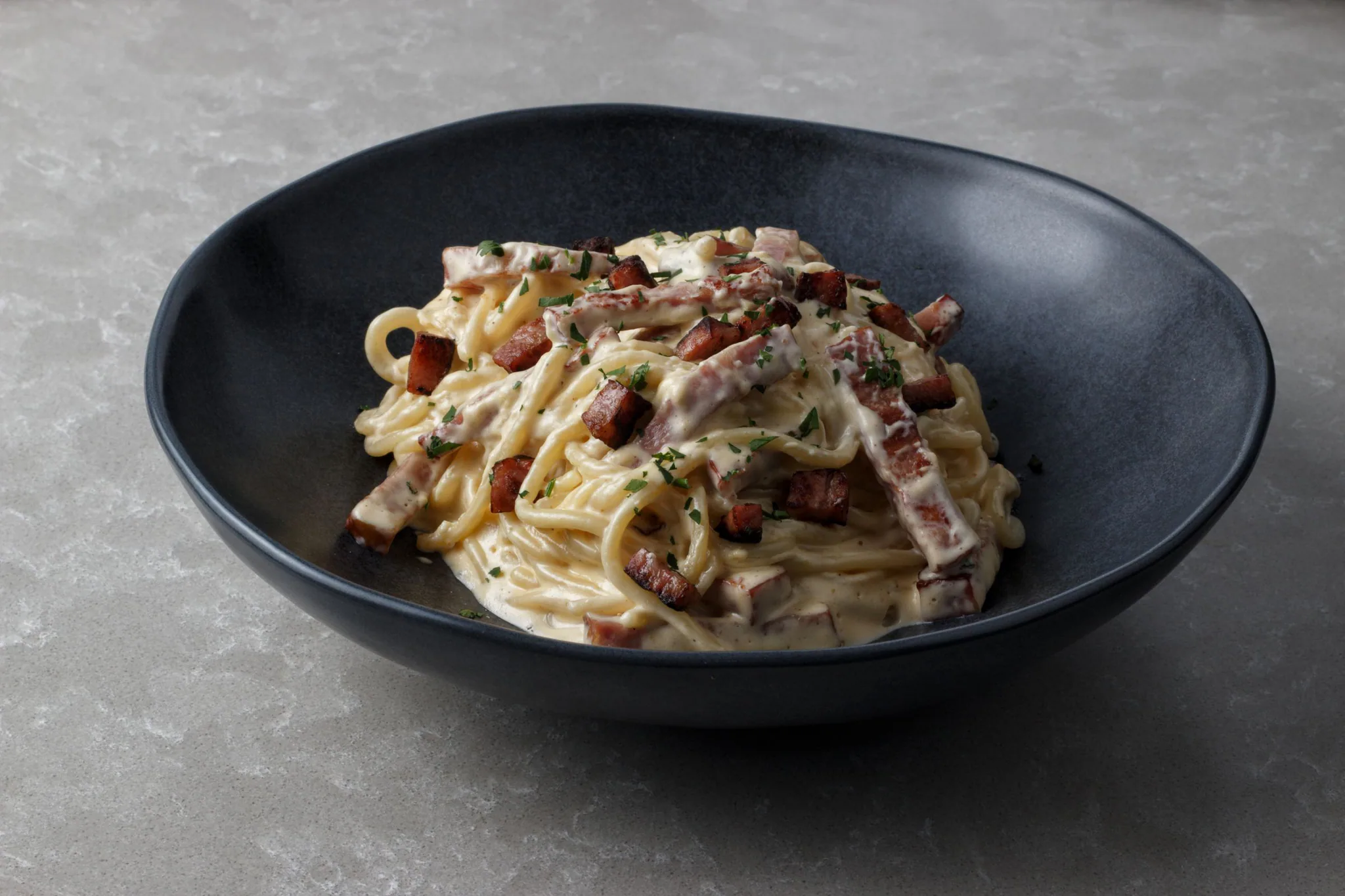
Spaghetti alla carbonara
Roman pasta coated in a glossy sauce of egg yolks, pecorino and black pepper, with crisp nuggets of cured pork cheek. No cream — the silkiness comes from egg, cheese and starchy pasta water.
Spaghetti carbonara is an Italian pasta dish from Italy, ready in about 25 minutes and made with dried pasta, guanciale (cured pork cheek) and egg yolk. It serves 4 and is rated intermediate to cook.
- Prep
- 10 min
- Cook
- 15 min
- Total
- 25 min
- Serves
- 4
- Level
- Intermediate
- Calories
- 750
Ingredients
For the cooking water
Method
Step 1
Bring a large pot of water to the boil and salt it. Meanwhile whisk (opens in a new tab) the yolks, whole egg (opens in a new tab), most of the pecorino (opens in a new tab) and the pepper (opens in a new tab) into a thick paste.
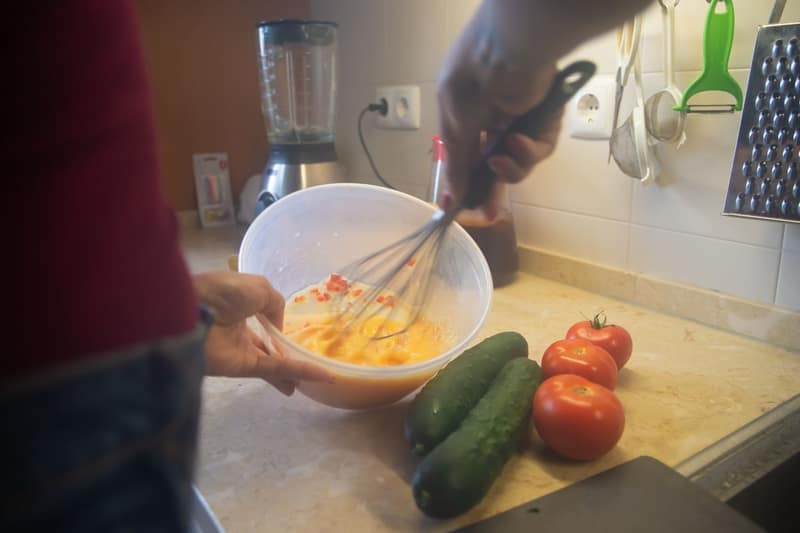
How it looks · Photo: Kampus Production on Pexels Step 2
Put the guanciale (opens in a new tab) in a cold, wide frying pan and cook over medium heat until the fat renders and the edges turn golden and crisp. Turn off the heat.
- 8 min
- medium heat
- Frying pan / skillet (opens in a new tab)
Step 3
Cook the pasta (opens in a new tab) until just al dente. Scoop out a mug of the starchy cooking water before draining.
- 10 min
- high heat
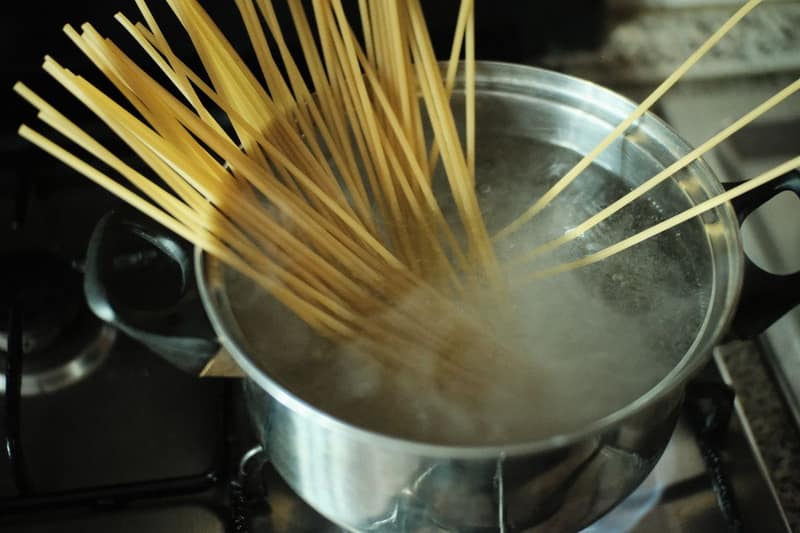
How it looks · Photo: Gianpiero Ferraro on Pexels Step 4
Toss the drained pasta (opens in a new tab) in the pan with the pork and its fat. Let it cool for a minute off the heat, then add the egg (opens in a new tab) mixture and a splash of pasta water, tossing constantly until a creamy, clinging sauce forms. Add more water if it tightens.
- 2 min
Food safety: The eggs are only gently cooked by residual heat; use very fresh eggs, or pasteurised ones for anyone vulnerable.
Step 5
Serve at once with the remaining pecorino (opens in a new tab) and more pepper (opens in a new tab).

How it looks · Photo: Willians Huerta on Pexels
About this dish
- Origin
- Lazio (Rome), Italy · Commonly attributedFirmly associated with Rome, though the dish's exact origin is debated and it only appears in print in the mid-20th century.Also popular in United Kingdom, United StatesMore food from Italy
- Dish
- Lunch · Dinner · Pasta · Main courses
- Cooking method
- Boiled, Pan-fried
- Taste
- rich, peppery, salty, umami
- Diet
- No nut ingredients · High-proteinWorked out from the ingredients. How labels work
All labels
Non-vegetarian · Flexitarian-friendly · No nut ingredients · No added sugar · Alcohol-free · Beef-free · High-protein - Good for
- Everyday
- Cook more with
- Dried pasta · Guanciale (cured pork cheek) · Egg yolk · Egg · Pecorino Romano
- Techniques
- Pan-frying · Boiling
Allergens
- Contains: Milkfrom pecorino romano
- Contains: Eggsfrom dried pasta, egg yolk, egg
- Contains: Wheatfrom dried pasta
- Contains: Glutenfrom dried pasta
Based on typical versions of these ingredients and not verified allergen-free. Brands differ and cross-contact happens, so always check labels. For severe allergies, follow your clinician’s advice.
Nutrition
750 kcal per serving
Estimated1 serving ≈ 184 g · recipe makes 4
Where the energy comes from
- Protein 13%
- Carbohydrate 41%
- Fat 45%
| Nutrient | Per serving | Per 100 g* |
|---|---|---|
| Energy | 750 kcal | 408 kcal |
| Protein | 24.6 g | 13.4 g |
| Carbohydrate | 76.5 g | 41.7 g |
| Net carbohydrate | 73.1 g | 39.8 g |
| Sugars | 2.9 g | 1.6 g |
| Added sugars | 0 g | 0 g |
| Fibre | 3.4 g | 1.9 g |
| Fat | 37.4 g | 20.4 g |
| Saturated fat | 14.3 g | 7.8 g |
| Trans fat | — | — |
| Cholesterol | 280 mg | 153 mg |
| Sodium | 547 mg | 298 mg |
| Salt equivalent | 1.4 g | 0.7 g |
Vitamins & minerals per serving
- Potassium
- 339 mg
- Calcium
- 215 mg
- Iron
- 4.3 mg
- Magnesium
- 64 mg
- Vitamin A (RAE)
- 101 µg
- Vitamin C
- 0 mg
- Vitamin D
- —
- Vitamin B12
- 0.9 µg
- Folate (DFE)
- 423 µg
How these numbers were made
- Calculated from USDA FoodData Central (SR Legacy) per-100 g values and the listed quantities.
- *Per 100 g of combined raw ingredients; the cooked dish may weigh more or less.
- Guanciale (cured pork cheek): Raw pork jowl used as a stand-in; guanciale is the same cut salt-cured and dried, so it is somewhat saltier and more concentrated.
- “—” means the value isn’t known for enough of the ingredients; it is never zero by default.
- Values are estimates for guidance, not for medical dosing. U.S. Department of Agriculture, Agricultural Research Service. FoodData Central, 2019. fdc.nal.usda.gov.
Good to know
Tips
- Mixing the sauce off the heat is the difference between silky and scrambled.
- Keep the pan warm, not hot — around the temperature of a hot bath.
Common mistakes
- Adding the eggs over direct heat, which scrambles them.
- Adding cream or garlic — common outside Italy but not part of the Roman dish.
Serve with
- Follow with a simple green salad.
Storage
- Best eaten immediately; the sauce turns grainy when reheated.
Variations
- Pancetta carbonara: Pancetta or good streaky bacon replaces guanciale where it is hard to find.
Original editorial recipe · FriendsPantry editorial · Not yet independently reviewed · Added · Updated
Recipe DNA
How this dish is built
Built from the recipe’s own sections. Each band’s width is its share of the dish by weight. Choose a component to see what it does.
What the dish is built around
Main ingredient
- Dried pasta, spaghetti or rigatoni400 g
- Guanciale (cured pork cheek), rind removed, cut into thick batons150 g
- Egg yolk4 piece · 68 g
- Egg1 piece · 50 g
- Pecorino Romano, finely grated60 g
Reviews & corrections
Reviews come from signed-in cooks and appear after a moderator checks them. We never show made-up ratings.
You might also like
Cacio e pepe
 Italian · 20 min · 529 kcal · Vegetarian
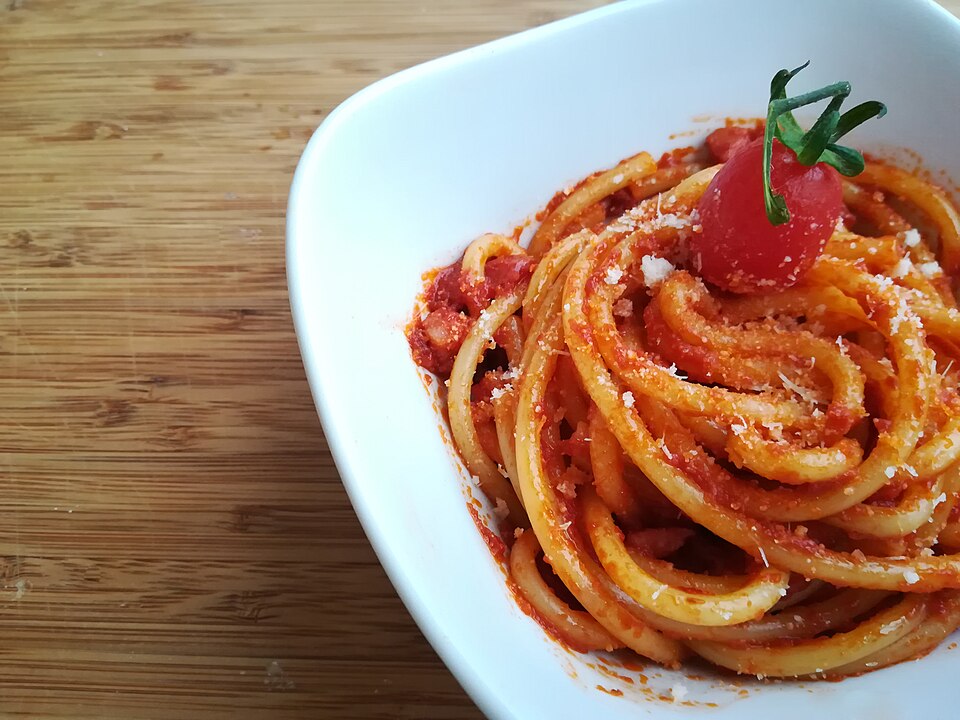
Bucatini all'amatriciana
Italian · 35 min · 691 kcal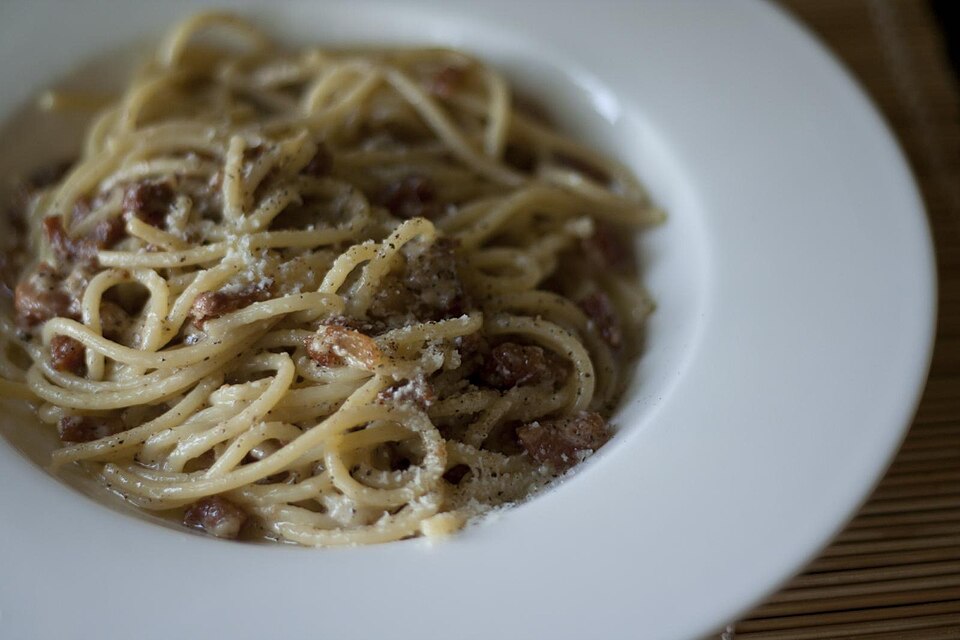
Pasta alla gricia
Italian · 25 min · 696 kcal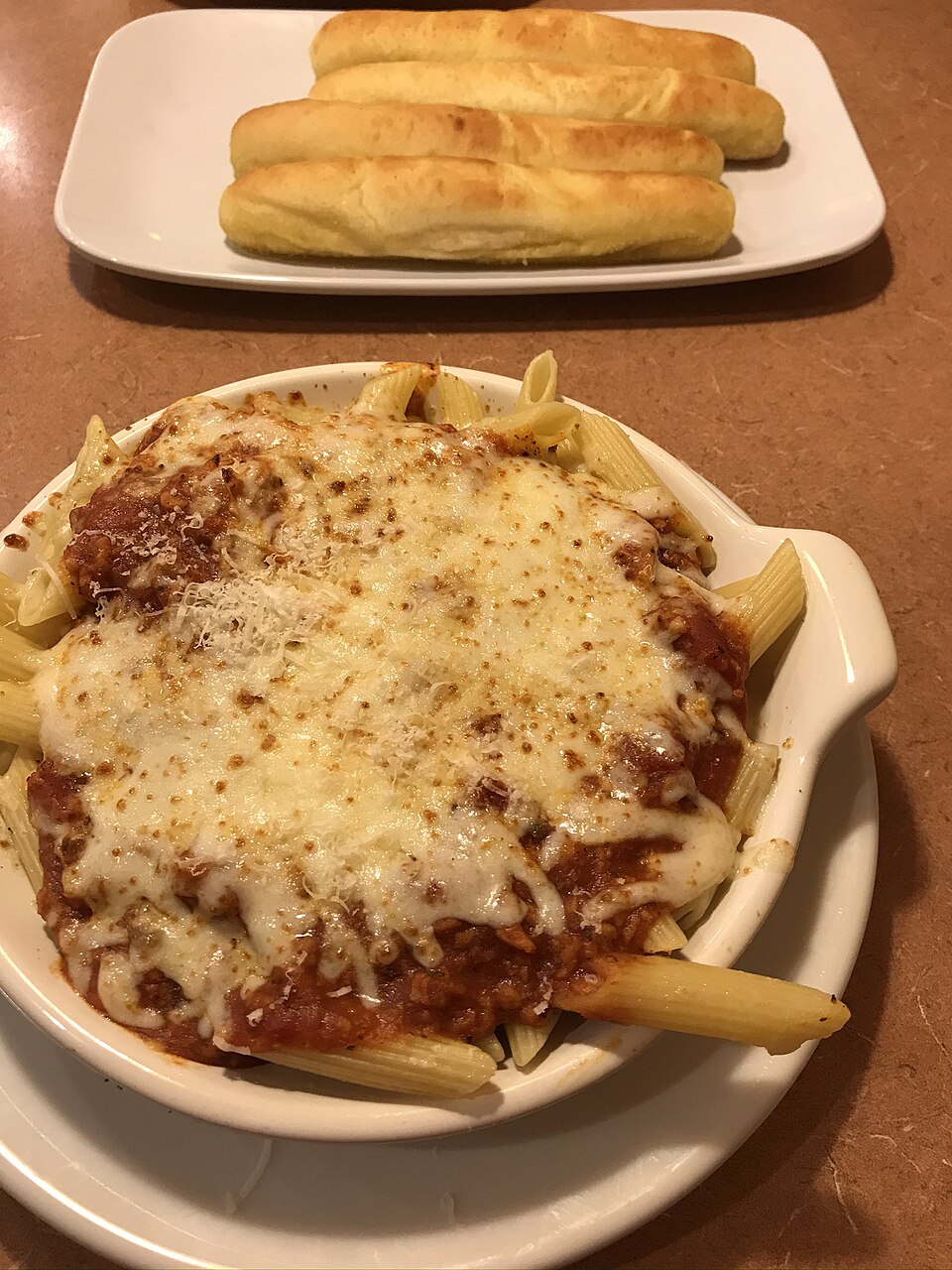
Baked ziti
 American · 1 h 30 min · 487 kcal