
Rojak buah
Non-vegetarian
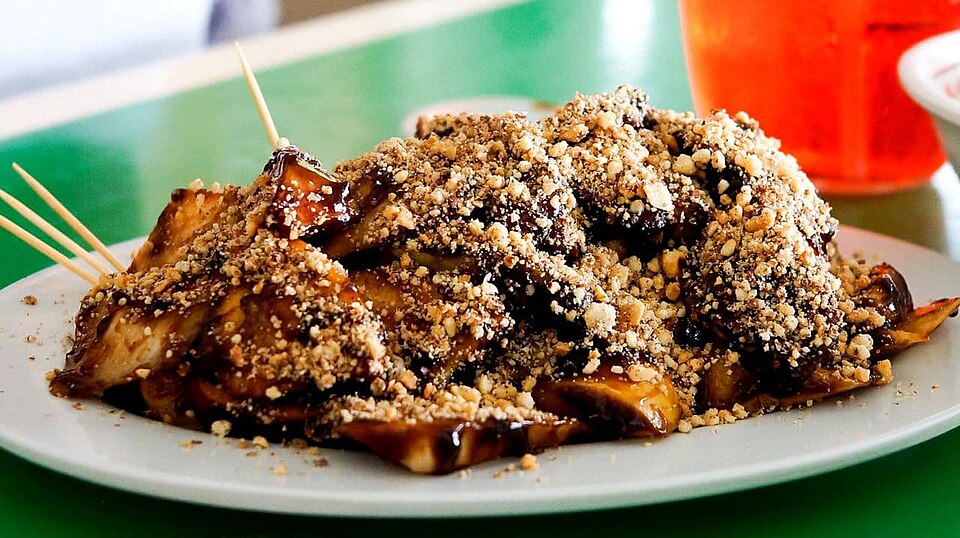
Chunks of pineapple, green mango, jicama, cucumber and blanched bean sprouts coated in a sticky, sweet-sour-funky dressing of shrimp paste, tamarind and palm sugar, showered with crushed peanuts.
Rojak buah is a Malaysian salad, ready in about 25 minutes and made with pineapple, jicama and shrimp paste. It serves 4 and is rated easy to cook.
- Prep
- 20 min
- Cook
- 5 min
- Total
- 25 min
- Serves
- 4
- Level
- Easy
- Calories
- 193
Ingredients
For the dressing
Method
Step 1
Toast the shrimp paste (opens in a new tab) in a dry pan or wrapped in foil until fragrant and crumbly. Pound with the chillies to a paste.
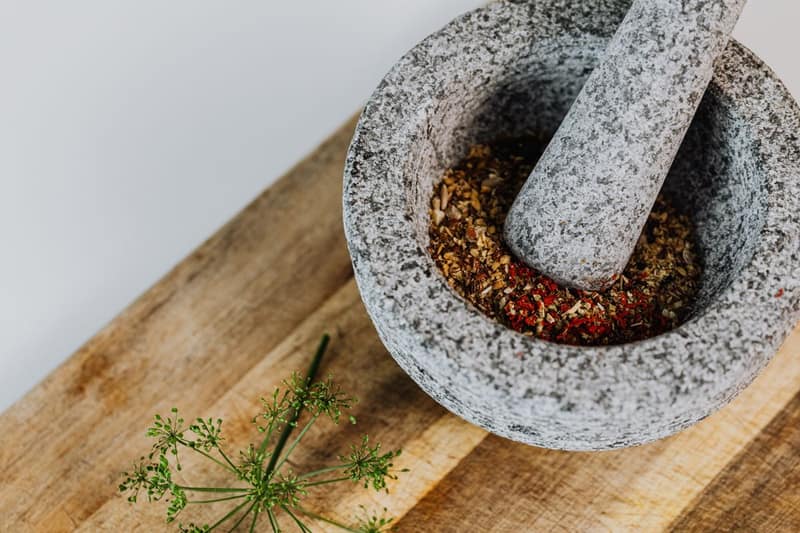
How it looks · Photo: https://kaboompics.com/ on Pexels Step 2
Work in the tamarind, palm sugar (opens in a new tab), lime juice (opens in a new tab) and water until you have a thick, glossy, syrupy dressing.
- 4 min
Step 3
Just before serving, toss the pineapple (opens in a new tab), mango (opens in a new tab), jicama (opens in a new tab), cucumber (opens in a new tab), bean sprouts (opens in a new tab) and tofu in the dressing until well coated.
- 3 min
About this dish
- Origin
- Not attributed to one place · Origin disputedFruit rojak is a shared street food of Malaysia and Singapore, closely related to Indonesian rujak; no single origin is established.Also popular in Malaysia, Singapore, Indonesia
- Dish
- Snack · Lunch · Salads · Street food
- Cooking method
- Raw, Blanched
- Taste
- sweet & sour, umami, fruity, spicy (chilli heat)
- Diet
- Pescatarian · No gluten ingredients · Dairy-free · High-fibreWorked out from the ingredients. How labels work
All labels
Pescatarian · Non-vegetarian · Flexitarian-friendly · No gluten ingredients · Dairy-free · Egg-free · Alcohol-free · Pork-free · Beef-free · High-fibre · Low-fat · Low-sodium · DASH-style · Carb-conscious - Good for
- Street food
- Cook more with
- Pineapple · Jicama · Shrimp paste · Mango · Cucumber · Bean sprouts
Allergens
- Contains: Crustaceansfrom shrimp paste
- Contains: Peanutsfrom roasted peanuts
- Contains, can be adapted: Soyfrom fried tofu pouches (aburaage)
- Contains, can be adapted: Sesamefrom sesame seeds
Based on typical versions of these ingredients and not verified allergen-free. Brands differ and cross-contact happens, so always check labels. For severe allergies, follow your clinician’s advice.
Nutrition
193 kcal per serving
Estimated1 serving ≈ 287 g · recipe makes 4
Where the energy comes from
- Protein 9%
- Carbohydrate 67%
- Fat 23%
| Nutrient | Per serving | Per 100 g* |
|---|---|---|
| Energy | 193 kcal | 67 kcal |
| Protein | 5 g | 1.7 g |
| Carbohydrate | 35.6 g | 12.4 g |
| Net carbohydrate | 29.7 g | 10.3 g |
| Sugars | 24.7 g | 8.6 g |
| Added sugars | 7.3 g | 2.5 g |
| Fibre | 5.9 g | 2.1 g |
| Fat | 5.4 g | 1.9 g |
| Saturated fat | 0.9 g | 0.3 g |
| Trans fat | 0 g | 0 g |
| Cholesterol | 0 mg | 0 mg |
| Sodium | 128 mg | 45 mg |
| Salt equivalent | 0.3 g | 0.1 g |
Vitamins & minerals per serving
- Potassium
- 481 mg
- Calcium
- 51 mg
- Iron
- 1.3 mg
- Magnesium
- 58 mg
- Vitamin A (RAE)
- 35 µg
- Vitamin C
- 63 mg
- Vitamin D
- 0 µg
- Vitamin B12
- 0 µg
- Folate (DFE)
- 69 µg
How these numbers were made
- Calculated from USDA FoodData Central (SR Legacy) per-100 g values and the listed quantities.
- *Per 100 g of combined raw ingredients; the cooked dish may weigh more or less.
- Optional ingredients are not included: fried tofu pouches (aburaage), sesame seeds.
- Shrimp paste: Fish sauce (FDC 174531) at 1.5× as a stand-in salted fermented seafood condiment; protein is understated.
- Tamarind paste: Raw tamarind pulp (FDC 167763). Commercial concentrates vary in water content.
- Jaggery / palm sugar: Brown sugar (FDC 168833) used as a stand-in for unrefined cane jaggery and palm sugar.
- “—” means the value isn’t known for enough of the ingredients; it is never zero by default.
- Values are estimates for guidance, not for medical dosing. U.S. Department of Agriculture, Agricultural Research Service. FoodData Central, 2019. fdc.nal.usda.gov.
Good to know
Tips
- Toast shrimp paste with the window open — the smell is strong, but it mellows into savouriness.
Common mistakes
- Tossing the fruit in the dressing long before serving — the fruit weeps and the dressing turns thin.
Serve with
- As an afternoon snack, eaten with cocktail sticks.
Storage
- Dressing keeps 1 week in the fridge; toss with fruit only when serving.
Original editorial recipe · FriendsPantry editorial · Not yet independently reviewed · Added · Updated
Recipe DNA
How this dish is built
Built from the recipe’s own sections. Each band’s width is its share of the dish by weight. Choose a component to see what it does.
What the dish is built around
Main ingredient
- Pineapple, cut into bite-size chunks200 g
- Mango, green (unripe), peeled and cut into chunks1 piece · 200 g
- Jicama, peeled and cut into chunks200 g
- Cucumber, cut into chunks1 piece · 300 g
- Bean sprouts, blanched 30 seconds and drained100 g
- Fried tofu pouches (aburaage), toasted and cut into pieces (optional)4 piece · 80 g
- Roasted peanuts, coarsely crushed40 g
Reviews & corrections
Reviews come from signed-in cooks and appear after a moderator checks them. We never show made-up ratings.
You might also like
Urap sayur
 Indonesian · 40 min · 211 kcal
Nasi lemak
 Malaysian · 1 h 25 min · 963 kcal
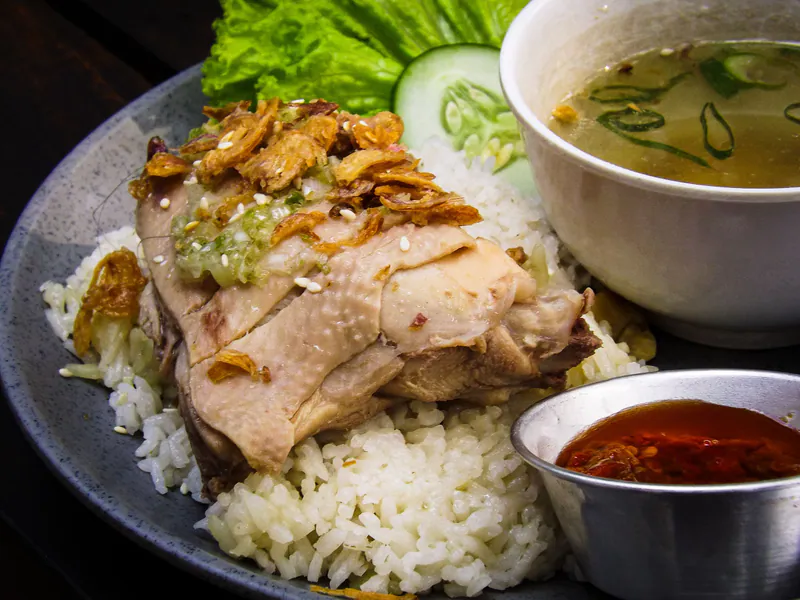
Hainanese chicken rice
 Singaporean · 1 h 35 min · 803 kcal
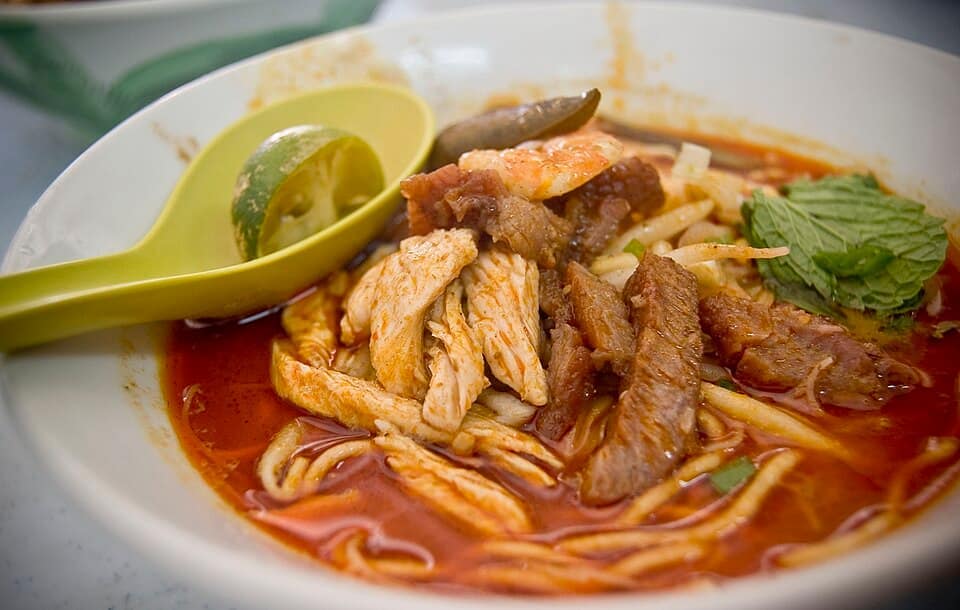
Curry laksa
Malaysian · 1 h 5 min · 950 kcal