
Indian techniques · intermediate
Wet grinding
Also: pisai, araippu (Tamil), sil-batta grinding
Grinding soaked grains, pulses, coconut or spices with water into a smooth paste or batter.
What it is
Wet grinding turns soaked rice and urad dal into idli and dosa batter, fresh coconut and spices into the masala pastes of south Indian, Goan and coastal cooking, and onions, ginger, garlic, chillies or cashews into curry pastes. It was traditionally done on a grinding stone (sil-batta, ammikal, attukal) and today in stone wet grinders or blenders.
Why cooks use it: Water lets solids break down into fine, smooth pastes and aerated batters. For idli and dosa batter, properly ground and aerated urad dal gives soft, spongy idlis and crisp dosas.
The science
Soaking hydrates starches and proteins so they shear easily. Urad dal contains mucilage-like substances and proteins that trap air when ground well, which supports the rise during fermentation. Grinding generates heat, which can dull flavours and in batters can encourage early, unwanted fermentation or spoilage, so keeping it cool matters.
Starch gelatinisationEmulsionsMoisture and textureAroma compounds and flavourYeast fermentationLactic acid fermentationChanging texture: tenderising and crisping
Step by step
Soak grains or pulses as required (urad dal and rice about 4–6 hours, separately).
Drain and grind in batches, adding cold water a little at a time.
Grind urad dal until light, fluffy and smooth (it should increase in volume); grind rice slightly coarse, like fine semolina, for idli.
For masala pastes, add the hardest spices first, then coconut, then soft aromatics.
Stop the machine to scrape down and check temperature; let it rest if it gets warm.
Combine batters and mix with clean hands, then proceed to fermentation or cooking.
Heat and timing
Time: Urad dal 15–30 minutes in a stone grinder, a few minutes in a blender; masala pastes 1–3 minutes.
How you know it’s right
- Urad batter fluffy, glossy, and a drop floats in water
- Coconut paste smooth with no visible shreds (or coarse if the recipe asks)
- Batter thick enough to coat the hand
Common mistakes
- Adding too much water at once, making a thin batter
- Overheating the blender
- Grinding urad and rice together in a small blender (texture suffers)
Troubleshooting
- Batter too thin
- Add a little rice flour or semolina; next time add water gradually.
- Blender overheating
- Grind in smaller batches, use ice-cold water, and pause between runs.
- Gritty paste
- Grind longer, soak longer, or use a smaller jar so the blades catch the food.
Restaurant DNA
How professionals do it
South Indian restaurants grind batter daily in large stone wet grinders, which grind slowly with less heat and give a fluffier urad batter than high-speed blenders.
At home
A tabletop stone wet grinder is worth it if you make idli and dosa often; otherwise a powerful blender with ice-cold water, in batches, works.
General professional practice — not any particular restaurant’s recipe.
Food safety
- Unplug grinders before scraping down.
- Use clean equipment for batters that will ferment.
Practise it
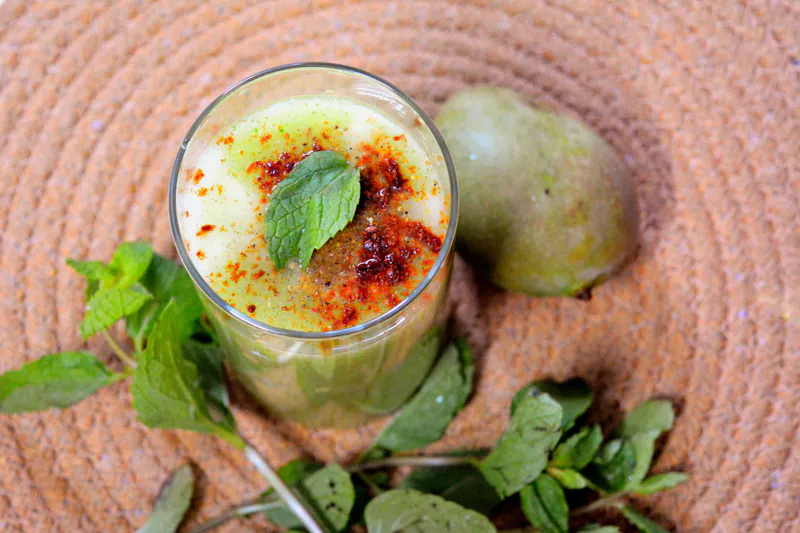
Aam panna
 Indian · 45 min · 96 kcal · Vegan
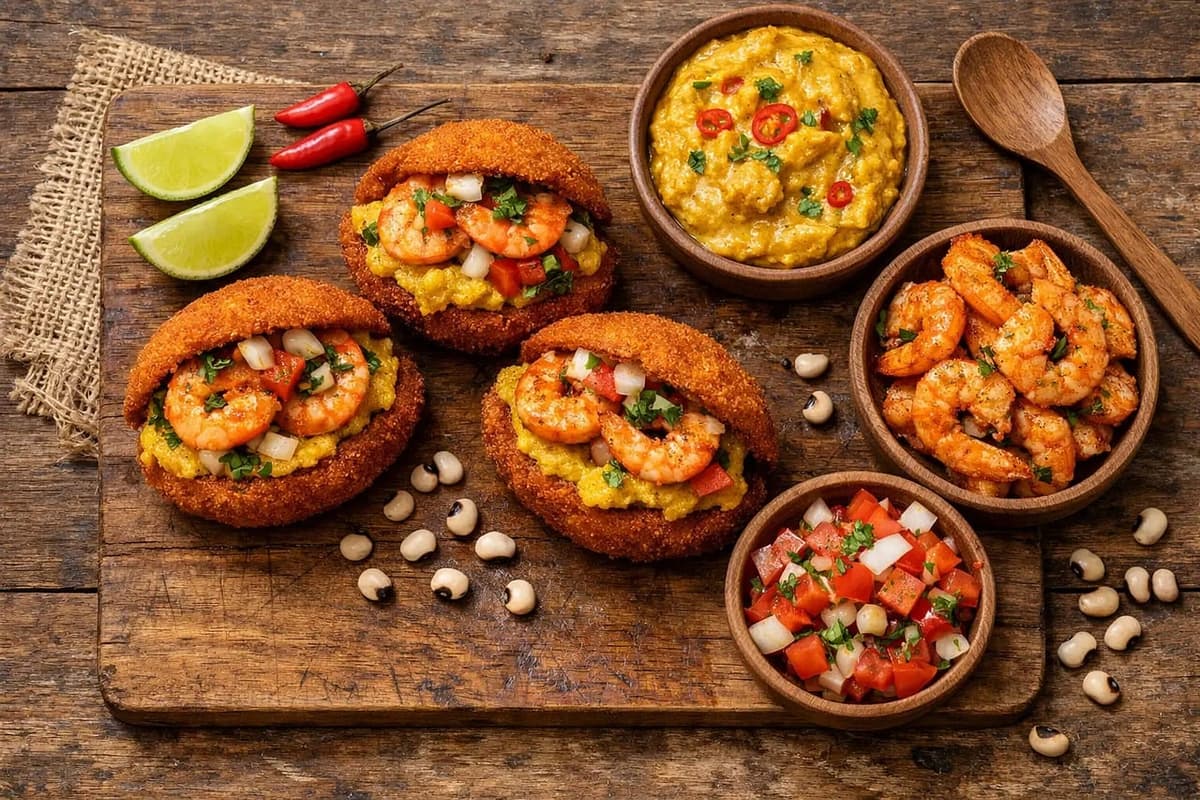
Acarajé
 Brazilian · 1 h 20 min · 534 kcal
Agua de melón
 Mexican · 10 min · 73 kcal · Vegan
Agua de pepino con limón
Mexican · 10 min · 63 kcal · Vegan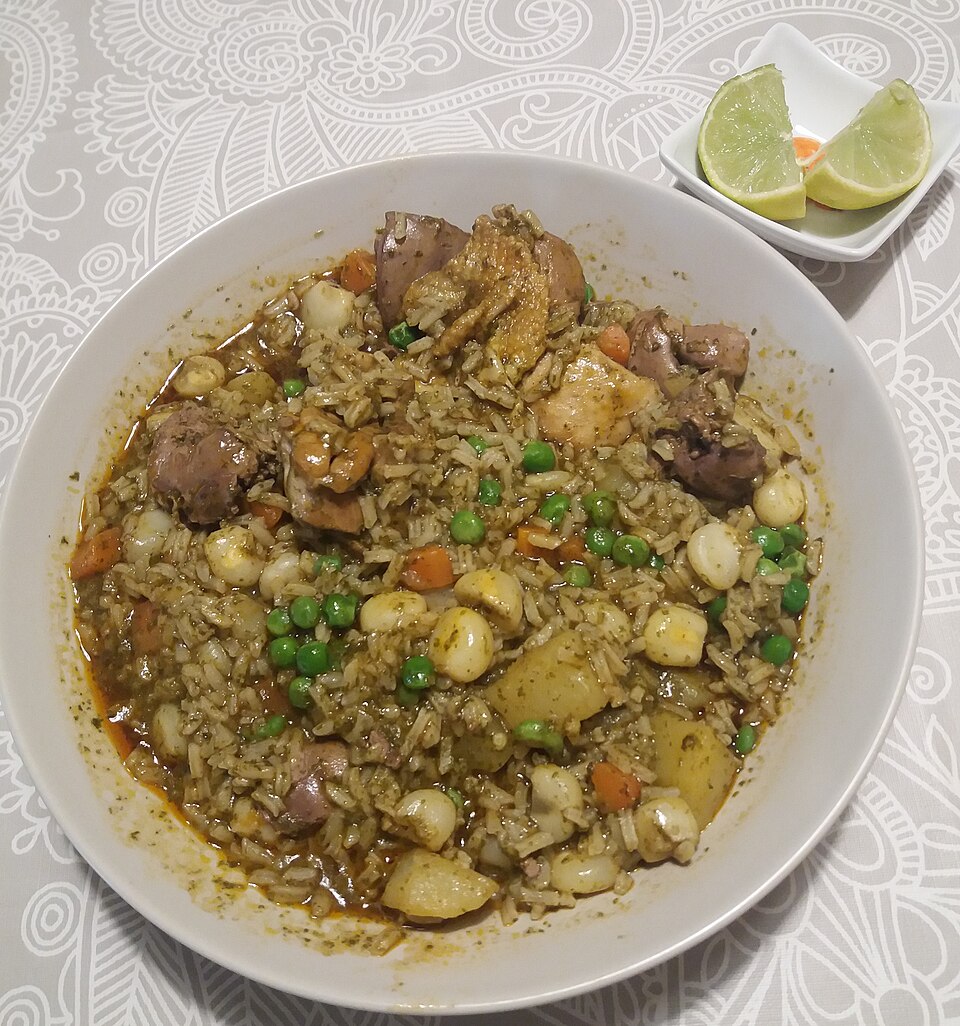
Aguadito de pollo
 Peruvian · 1 h 5 min · 408 kcal
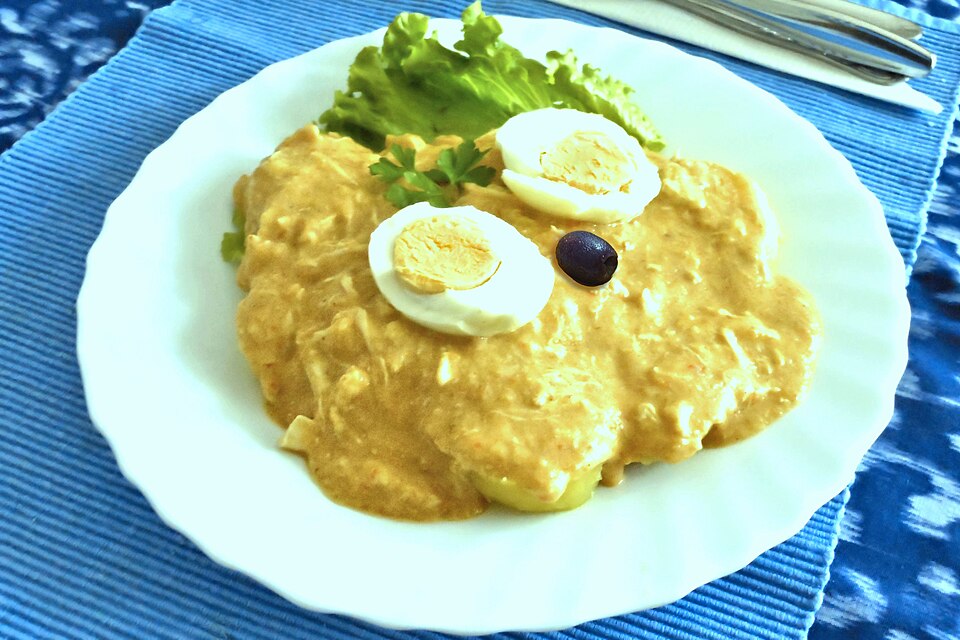
Ají de gallina
Peruvian · 1 h 5 min · 553 kcalAjí verde (Peruvian green sauce)
Peruvian · 10 min · 108 kcal · Contains egg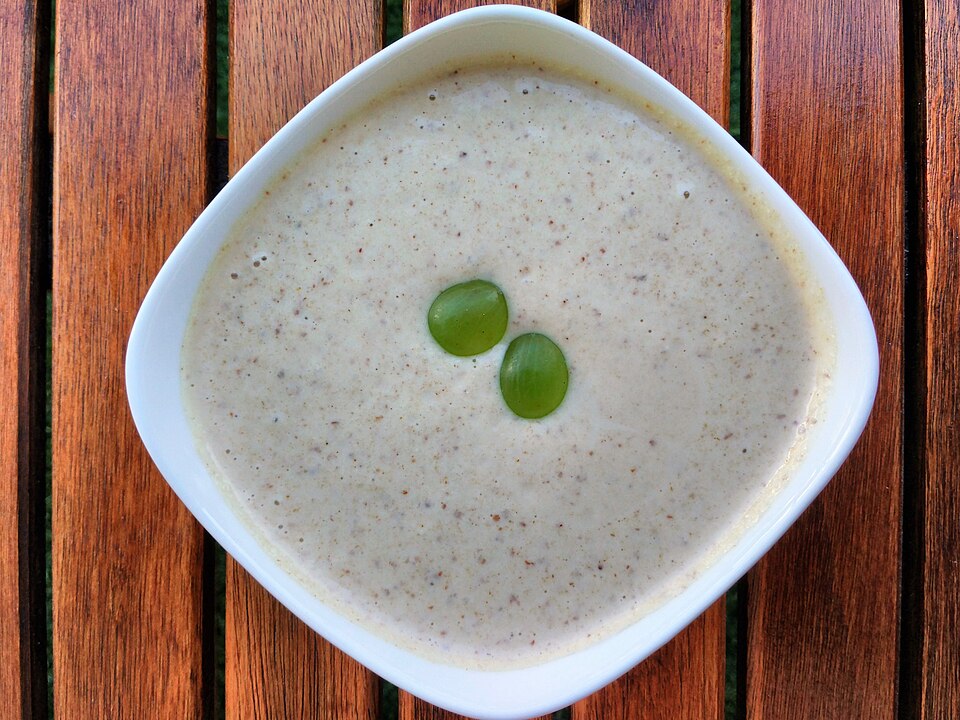
Ajo blanco
 Spanish · 2 h 15 min · 500 kcal · Vegan
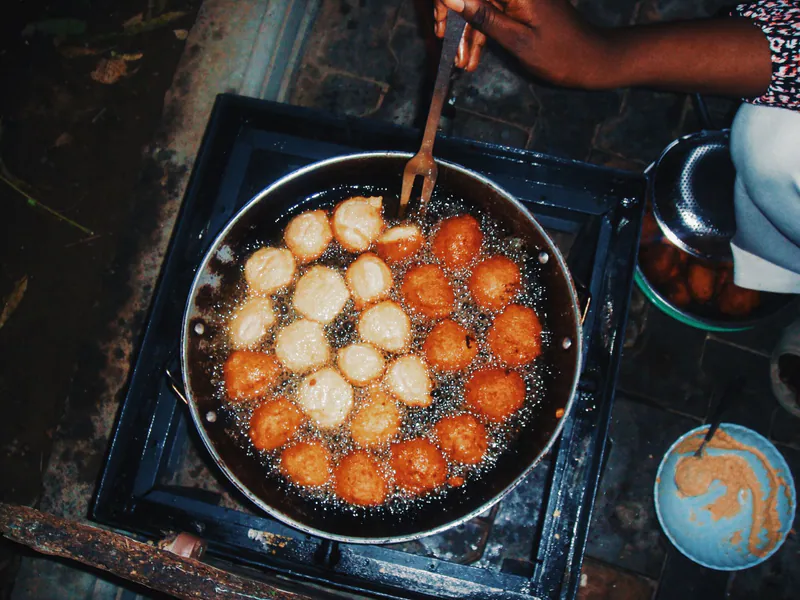
Akara
 Nigerian · 55 min · 338 kcal · Vegan
215 more
- Allam pachadi (Andhra ginger chutney) · South Indian
- Amba (Iraqi mango pickle sauce) · Iraqi
- Amla chutney (Indian gooseberry chutney) · Indian
- Anardana chutney (dried pomegranate seed chutney) · Punjabi
- Andhra tomato pachadi · South Indian
- Apple cinnamon oat breakfast smoothie · International
- Avocado hummus · International
- Badam milk · Indian
- Badam shorba · Indian
- Banana cocoa whey protein shake · International
- Banana milkshake · International
- Bara · Nepalese
- Beerakaya pachadi (ridge gourd chutney) · South Indian
- Beetroot hummus · International
- Berry Smoothie Bowl · International
- Bessara (Egyptian green fava bean and herb dip) · Egyptian
- Bhang ki chutney (Kumaoni hemp seed chutney) · Indian
- Bigilla · Maltese
- Birria de res · Mexican
- Bissara · Moroccan
- Blended iced coffee (frappé-style) · International
- Bolo de fubá (Brazilian cornmeal cake) · Brazilian
- Borhani · Bangladeshi
- Broccoli cheddar soup · American
- Bumbu dasar merah (Indonesian red spice base) · Indonesian
- Bumbu kacang (peanut satay sauce) · Indonesian
- Butter chicken · Punjabi
- Cachapas · Venezuelan
- Caldo de feijão · Brazilian
- Caldo verde · Portuguese
- Caribbean Scotch bonnet pepper sauce · Caribbean
- Carrot and ginger soup · International
- Chicken rice chilli sauce · Singaporean
- Chilaquiles rojos · Mexican
- Chiles en nogada · Mexican
- Chinese plum sauce · Cantonese
- Chipotle salsa (salsa de chipotle) · Mexican
- Chocolate Avocado Mousse · International
- Chocolate Banana Nice Cream · International
- Chocolate malted milkshake · American
- Chocolate milkshake · American
- Chuchitos · Guatemalan
- Chutney-e gashneez (Afghan green chutney) · Afghan
- Coconut chutney · South Indian
- Coffee milkshake · American
- Cream of mushroom soup · International
- Creamy Tomato Soup · International
- Dahi baray · Pakistani
- Dairy-free berry oat smoothie · International
- Dal shorba · Indian
- Dhonepata bata (Bengali coriander paste) · Bengali
- Doogh · Iranian
- Efo riro · Nigerian
- Enchiladas rojas · Mexican
- Enchiladas verdes · Mexican
- Fermented Louisiana-style hot sauce · Southern US
- Fresh pineapple juice · International
- Fresh pomegranate juice · Middle Eastern
- Fura da nono · Nigerien
- Gazpacho · Spanish
- Ginger-garlic paste · Indian
- Gnamakoudji (Ivorian ginger juice) · Ivorian
- Goan fish curry · Goan
- Goan green chutney (coconut-coriander chutney) · Goan
- Goan vindaloo paste · Goan
- Gol gappay · Pakistani
- Golbheda ko achar · Nepalese
- Gongura pachadi (Andhra sorrel-leaf chutney) · South Indian
- Greek Yogurt Berry Smoothie · International
- Green chutney (coriander-mint) · Indian
- Green coconut chutney · South Indian
- Green goddess dressing · American
- Green spinach and banana smoothie · International
- Groundnut soup (nkatenkwan) · Ghanaian
- Guasacaca · Venezuelan
- Gujarati lili chutney (coriander-peanut chutney) · Gujarati
- Gur gur cha (Ladakhi butter tea) · Indian
- Habichuelas con dulce · Dominican
- Hari mirch chutney (green chilli chutney) · Indian
- Harissa · Tunisian
- Hariyali green masala · Indian
- Homemade brown sauce · British
- Homemade tomato ketchup · American
- Hong Kong-style mango pudding · Cantonese
- Horchata de arroz · Mexican
- Huevos rancheros · Mexican
- Hummus · Levantine
- Indo-Chinese schezwan sauce · Indian
- Jaljeera · Indian
- Jamaican jerk paste (wet jerk) · Jamaican
- Javas chutney (Maharashtrian flaxseed chutney) · Indian
- Jollof rice · West African
- Kairi pudina chutney (raw mango-mint chutney) · Indian
- Kak'ik · Guatemalan
- Kara chutney (Tamil red onion-chilli chutney) · South Indian
- Kartoffelsuppe · German
- Karuveppilai thogayal (curry leaf chutney) · South Indian
- Kasundi (Bengali mustard sauce) · Bengali
- Khajur ambli chutney (Gujarati date-tamarind chutney) · Gujarati
- Kharoli (Assamese fermented mustard paste) · Indian
- Kobbari pachadi (Andhra coconut chutney) · South Indian
- Koki · Cameroonian
- Kolhapuri chicken curry · Indian
- Kothamalli thogayal (coriander chutney) · South Indian
- Kuli-kuli · Beninese
- Kūmara soup · New Zealand
- Leek and potato soup · British
- Light soup · Ghanaian
- Limonada suíça (Brazilian lemonade) · Brazilian
- Limonana · Israeli
- Llapingachos · Ecuadorian
- Makhani gravy · Punjabi
- Malai kofta · Indian
- Mango lassi · Punjabi
- Masala chaas · Gujarati
- Masala dosa · South Indian
- Mercimek çorbası · Turkish
- Mint-yoghurt chutney · Punjabi
- Misal pav · Indian
- Moi moi · Nigerian
- Mojo picón (Canarian red mojo) · Spanish
- Mole poblano · Mexican
- Muhammara · Syrian
- Mulligatawny soup · Indian
- Mysore rasam · South Indian
- Nam jim kai (Thai sweet chilli sauce) · Thai
- Nam prik pao (Thai chilli jam) · Thai
- Namkeen lassi · Pakistani
- Olya naralachi chutney (Maharashtrian fresh coconut chutney) · Indian
- Palak paneer · Punjabi
- Palak paratha · Punjabi
- Palak shorba · Indian
- Papa a la huancaína · Peruvian
- Pastel de choclo · Chilean
- Peanut Butter Banana Oat Smoothie · International
- Peanut chutney (palli pachadi) · South Indian
- Pepián de pollo · Guatemalan
- Peri-peri sauce · Mozambican
- Pesarattu (green moong dosa) · South Indian
- Pesto Pasta with Peas · International
- Pili-pili sauce · Congolese
- Plant protein berry shake · International
- Po cha (Tibetan butter tea) · Nepalese
- Pottukadalai chutney (roasted gram chutney) · South Indian
- Pozole rojo · Mexican
- Pudina raita (mint raita) · Indian
- Pudina thogayal (Tamil mint chutney) · South Indian
- Raspberry coulis (berry coulis) · French
- Recado rojo (Yucatecan achiote paste) · Mexican
- Recheado masala (Goan red chilli paste) · Goan
- Red coconut chutney · South Indian
- Red zhug (zhug adom) · Yemeni
- Rempah for rendang · Malaysian
- Roasted cauliflower soup · International
- Roasted garlic hummus · International
- Roasted Pumpkin Soup · International
- Roasted red pepper and tomato soup · International
- Roasted red pepper hummus · International
- Romesco sauce · Spanish
- Salmorejo · Spanish
- Salsa de aguacate (taquería avocado salsa) · Mexican
- Salsa huancaína · Peruvian
- Salsa macha · Mexican
- Salsa roja asada · Mexican
- Salsa taquera (chile de árbol salsa) · Mexican
- Salsa verde (tomatillo salsa) · Mexican
- Santorini fava (yellow split pea purée) · Greek
- Satsivi · Georgian
- Shahi paneer · Indian
- Shengdana chutney (Maharashtrian dry peanut chutney) · Indian
- Shorbet ads (Egyptian lentil soup) · Egyptian
- Sierra Leonean ginger beer · Sierra Leonean
- Silken Tofu Mango Smoothie · International
- Sinh tố bơ (Vietnamese avocado smoothie) · Vietnamese
- Sopa de fideo · Mexican
- Sopa de maní · Bolivian
- Sopa de tortilla · Mexican
- Soup joumou · Haitian
- South Indian tomato chutney · South Indian
- Spinach pkhali · Georgian
- Strawberry banana smoothie · International
- Strawberry lemonade · American
- Strawberry milkshake · American
- Suco de maracujá · Brazilian
- Svíčková na smetaně · Czech
- Sweet corn soup (Indo-Chinese) · Indian
- Sweet lassi · Punjabi
- Sweetcorn and egg soup · Cantonese
- Tamatar shorba · Indian
- Tambda rassa · Indian
- Tapenade (Provençal olive, caper and anchovy spread) · French
- Taramasalata · Greek
- Thandai · Indian
- Three-Ingredient Banana Pancakes · International
- Tilachi chutney (Maharashtrian dry sesame chutney) · Indian
- Tirokafteri (spicy whipped feta) · Greek
- Tofu and chickpea saag · Indian
- Tomato saar · Indian
- Toum · Lebanese
- Trinidad green seasoning · Trinidadian
- Tropical mango and pineapple smoothie · International
- Turkish walnut tarator · Turkish
- Vanilla milkshake · American
- Vatapá · Brazilian
- Vengaya chutney (raw onion chutney) · South Indian
- Vichyssoise · French
- Vietnamese coconut coffee (cà phê cốt dừa) · Vietnamese
- Virgin piña colada · Puerto Rican
- Vitello tonnato · Italian
- Watermelon juice · International
- Watermelon Mint Cooler · International
- Wholegrain mustard · French
- Xacuti masala · Goan
- Zhug · Yemeni
- Zoom-koom · Burkinabè