Ingredients and chemistry · beginner
Moisture and texture
Where water is, and how much, decides whether food is crisp or soggy, tender or tough.
What happens
Most foods are largely water, held inside cells, bound to starch and protein, or sitting on the surface. Crispness comes from a dry, brittle structure, usually starch or protein that has lost most of its water. Moisture moves from wetter areas to drier ones, so a crisp crust or coating softens as water from the moist inside or from steam reaches it. Surface water must evaporate before browning can begin. Salt and sugar draw water out of cells by osmosis. Cooling cooked starch pushes water out of the starch structure, part of why bread and rice firm up.
Why it matters in the kitchen
Many texture problems, such as soggy pakoras, limp chips, steamed instead of seared meat and watery raita, come down to managing water.
Temperatures and conditions
- Surface water evaporating, no crisping 100–100 °C
- Crisping and browning once surface is dry 140–190 °C
- Bread and rice firm fastest 0–5 °C · Starch retrogradation is fastest at fridge temperatures.
In practice
- Pakoras going soft if piled while hot.
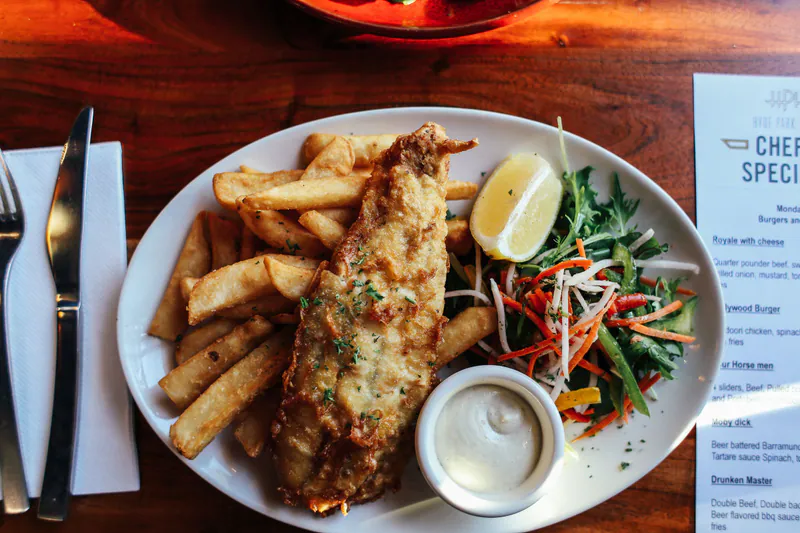
- Double-fried chips, where the first fry cooks and the second crisps.
- Salted grated cucumber squeezed before making raita.
- Pressed tofu or paneer browning better than wet blocks.
- Rice flour or cornflour in batters for extra crispness.
Myths and facts
Myth: Draining fried food on kitchen paper keeps it crisp.
Fact: Paper absorbs surface oil, but food lying flat on it traps steam underneath and softens. A wire rack over a tray keeps both sides crisp; a brief blot on paper first is fine.
Myth: Salting brinjal is needed to remove bitterness.
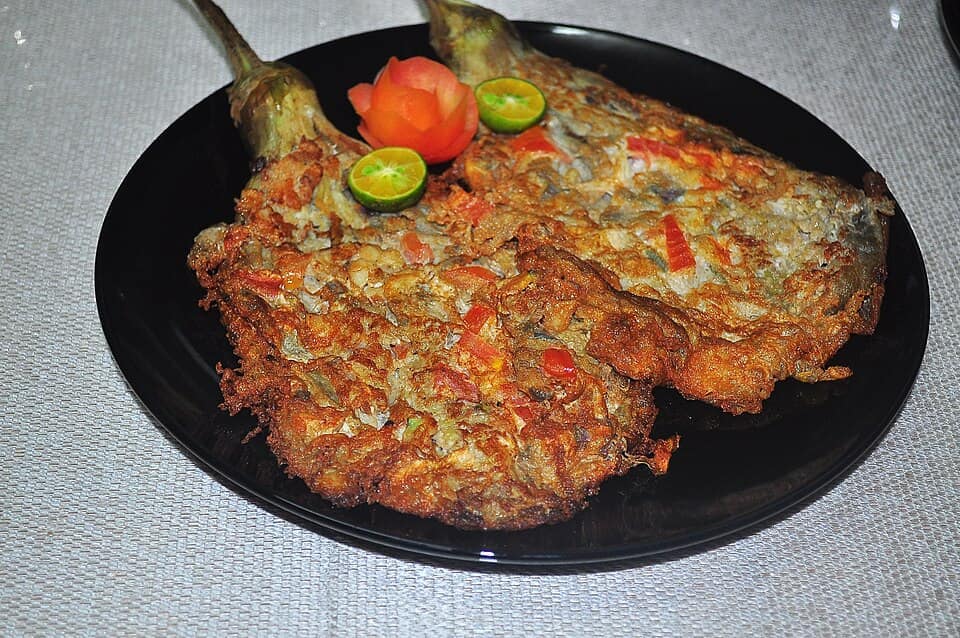
Fact: Modern brinjal varieties are rarely bitter. Salting is still useful to draw out water so slices absorb less oil and brown better.
Myth: Reheating in the microwave makes food soggy because of the microwave itself.
Fact: Microwaves heat water inside food, and the steam that escapes softens crusts. Reheating crisp food in a hot oven, air fryer or dry pan drives the water off instead.
Use it to cook better
- Pat food dry before frying, searing or roasting.
- Salt watery vegetables such as cucumber, courgette or cabbage and squeeze them before using in raita or fillings.
- Add rice flour or cornflour to pakora and fritter batters for a crisper, longer-lasting crust.
- Cool fried and baked foods on a wire rack, not a plate.
- Leave the lid off or ajar for anything that should stay crisp while cooking or resting.
Try it at home
Rack versus plate
You need: A batch of pakoras or chips, A wire rack, A plate lined with kitchen paper
- Divide the hot fried food between the rack and the paper-lined plate, in a single layer.
- After 10 minutes, compare the undersides by touch and taste.
What you’ll see: The pieces on the rack stay crisp all round; those on the paper are soft underneath where steam was trapped.
Frying oil is very hot: keep children away and handle with a spider or slotted spoon.
Going deeper
Food scientists describe water by its 'water activity' (aw), how freely available it is, rather than just how much there is. Crisp snacks need very low water activity; once they absorb moisture from humid air past a certain point, they suddenly go from crisp to stale-soft. Rice flour and cornflour make crisper coatings than wheat flour partly because they form no gluten, which would otherwise make a chewier, more bread-like crust.
Ingredients it affects most
Techniques that rely on it
Worth double-checking
- Whether particular brinjal varieties are bitter varies by region and age of the fruit.
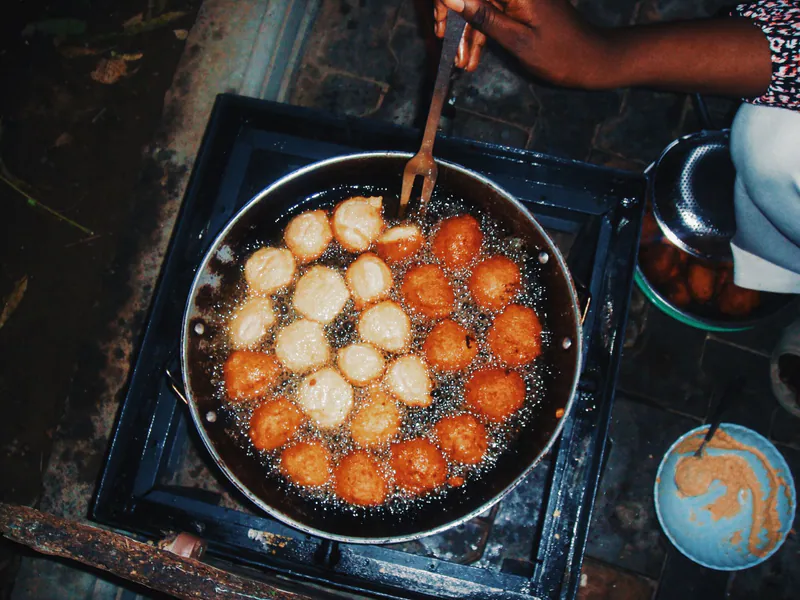
 Nigerian · 55 min · 338 kcal ·
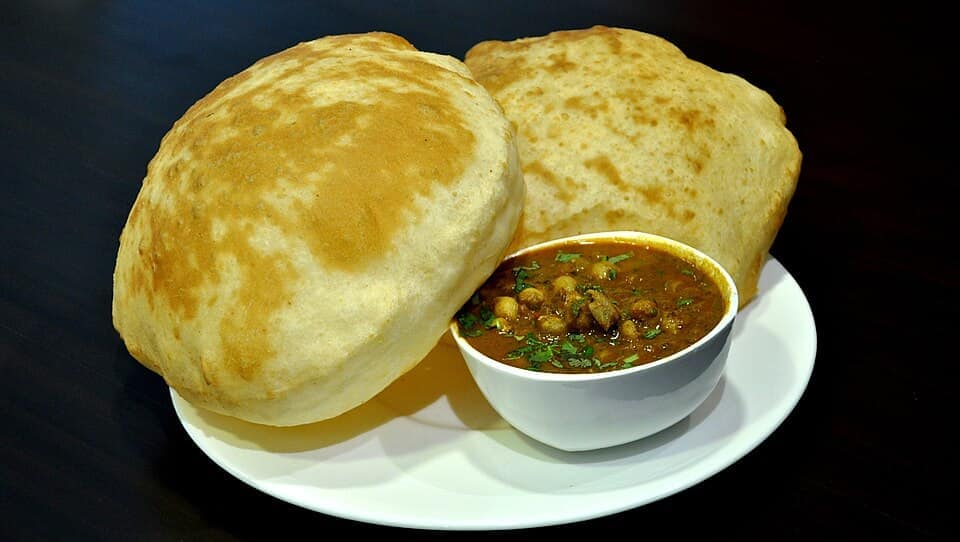
 Punjabi · 3 h 35 min · 727 kcal ·
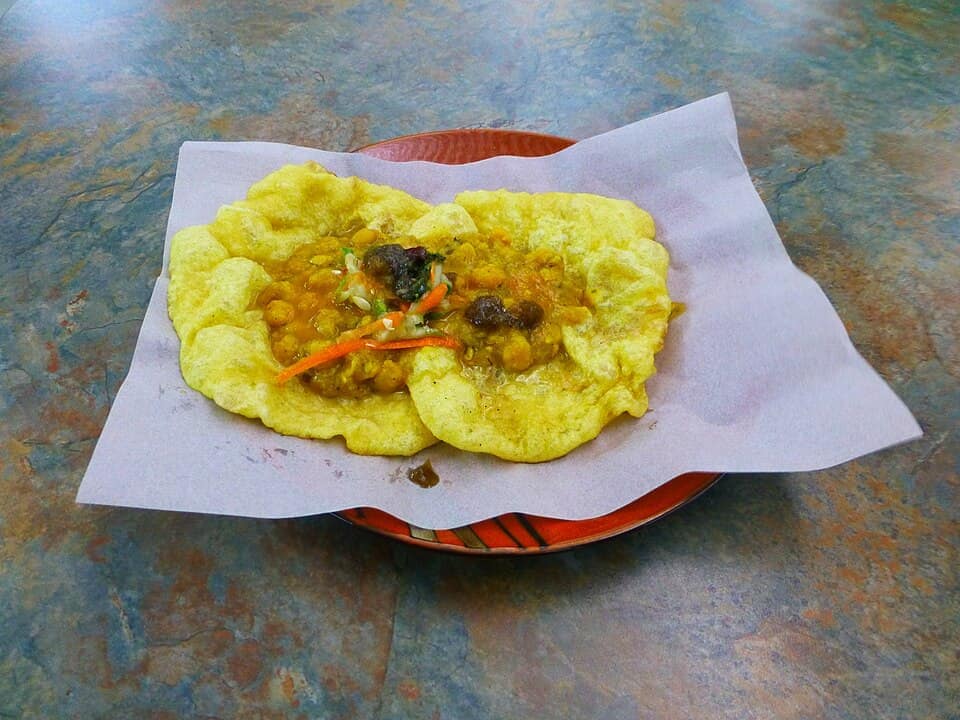
 Trinidadian · 2 h 35 min · 641 kcal ·
 British · 1 h 5 min · 1017 kcal
 Ghanaian · 45 min · 357 kcal ·
 Peruvian · 50 min · 447 kcal
 Filipino · 35 min · 338 kcal ·