
Fermentation and preservation · intermediate
Yeast fermentation
Yeast eats sugars and gives off carbon dioxide and alcohol, which raise bread and build flavour.
What happens
Baker's yeast (Saccharomyces cerevisiae) is a single-celled fungus. In dough it feeds on simple sugars, some present in flour and most released from starch by the flour's own enzymes, and produces carbon dioxide, alcohol and many flavour compounds. The gas is trapped by the gluten network and inflates the dough. Yeast works fastest at warm temperatures, roughly 24–35 °C, slows a lot in the fridge and dies at about 55–60 °C. In the oven, gas expands and the remaining yeast works briefly faster before dying, giving 'oven spring'. Wild yeasts, often together with lactic acid bacteria, ferment sourdough, appam, idli and dosa batters, toddy and bhatura doughs made with fermented batter.
Why it matters in the kitchen
Temperature and time are the main controls of how fast dough rises and how it tastes. A slow, cool rise gives more flavour; water that is too hot kills the yeast.
Temperatures and conditions
- Fridge: very slow fermentation (cold retard) 2–5 °C
- Comfortable rising temperature 24–35 °C
- Water for activating active dry yeast 38–43 °C · Follow the packet: instant yeast can go straight into the flour.
- Yeast dies 55–60 °C
In practice
- Pav, naan, pizza and sandwich bread.
- Sourdough bread raised by a starter of wild yeasts and bacteria.
- Appam and some bhatura doughs, sometimes leavened with toddy or yeast.
- Idli and dosa batters, which rise through a mix of wild yeasts and lactic acid bacteria.
Myths and facts
Myth: Salt kills yeast on contact, so they must never touch.
Fact: Normal bread amounts of salt slow yeast slightly but don't kill it during mixing. Only heavy salt for a long time causes damage.
Myth: Yeast needs added sugar to work.
Fact: Flour enzymes break starch into sugars that yeast can use. Many breads contain no added sugar. Large amounts of sugar actually slow yeast by drawing water away.
Myth: A dough that has doubled quickly is better.
Fact: A fast, warm rise gives less flavour. Slow, cool fermentation, even overnight in the fridge, develops more complex taste.
Use it to cook better
- Check water temperature with a thermometer or the back of your wrist: comfortably warm, not hot.
- For better flavour, let dough rise slowly in the fridge overnight, then bring it back to room temperature to shape.
- In hot Indian summers, use cooler water and less yeast; in winter, find a warm spot such as an oven with only its light on.
- Judge proofing by the poke test: a gently floured finger dent should spring back slowly, not instantly or not at all.
- Swap yeast types by weight: roughly 1 part instant equals about 1.25 parts active dry or about 3 parts fresh.
Try it at home
Balloon yeast test
You need: 3 small bottles, 3 balloons, 3 tsp active dry yeast, 3 tsp sugar, Cold, warm (about 40 °C) and very hot (about 70 °C) water
- Put 1 tsp yeast and 1 tsp sugar into each bottle.
- Add 100 ml cold water to one, 100 ml warm to another and 100 ml very hot to the third; swirl.
- Stretch a balloon over each neck and wait 20–30 minutes.
What you’ll see: The warm bottle's balloon inflates most; the cold one slowly; the very hot one hardly at all, because heat has killed the yeast.
Handle hot water carefully; let adults pour it.
Going deeper
Without oxygen, yeast converts glucose to ethanol and carbon dioxide; flavour comes from by-products such as esters and higher alcohols, plus enzymatic changes in the flour. In sourdough and idli batter, lactic acid bacteria also produce lactic and acetic acids, lowering pH, which adds sourness and helps keep unwanted microbes in check. Idli batter rise is attributed to both bacteria (notably Leuconostoc species) and yeasts, and its balance changes with temperature and season.
Ingredients it affects most
Techniques that rely on it
Worth double-checking
- Yeast conversion ratios between fresh, active dry and instant vary by brand; check packet guidance.
- The microbes responsible for idli rise vary between studies and regions.
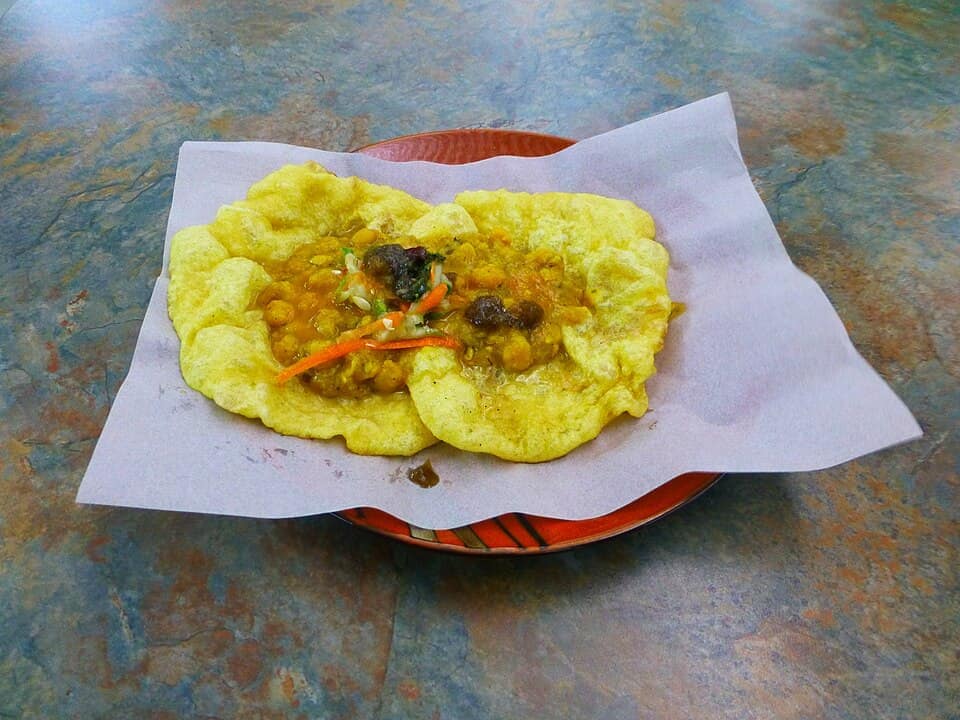
 Trinidadian · 2 h 35 min · 641 kcal ·
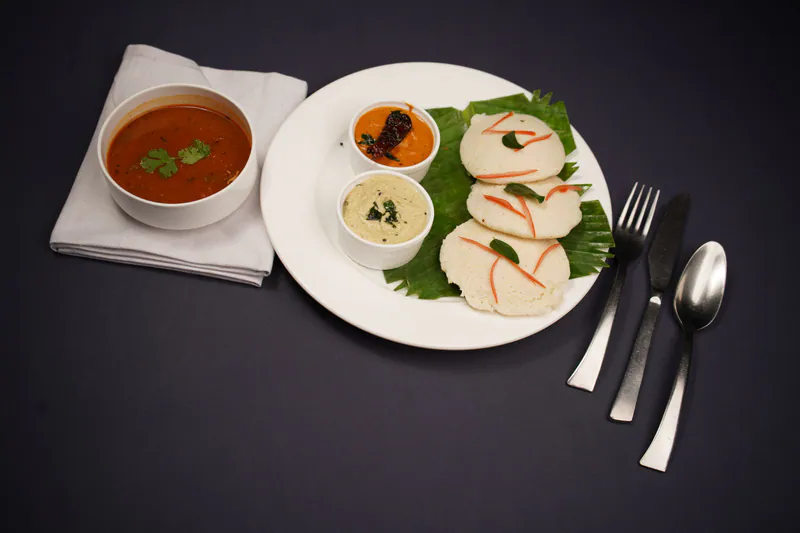
 South Indian · 55 min · 247 kcal ·
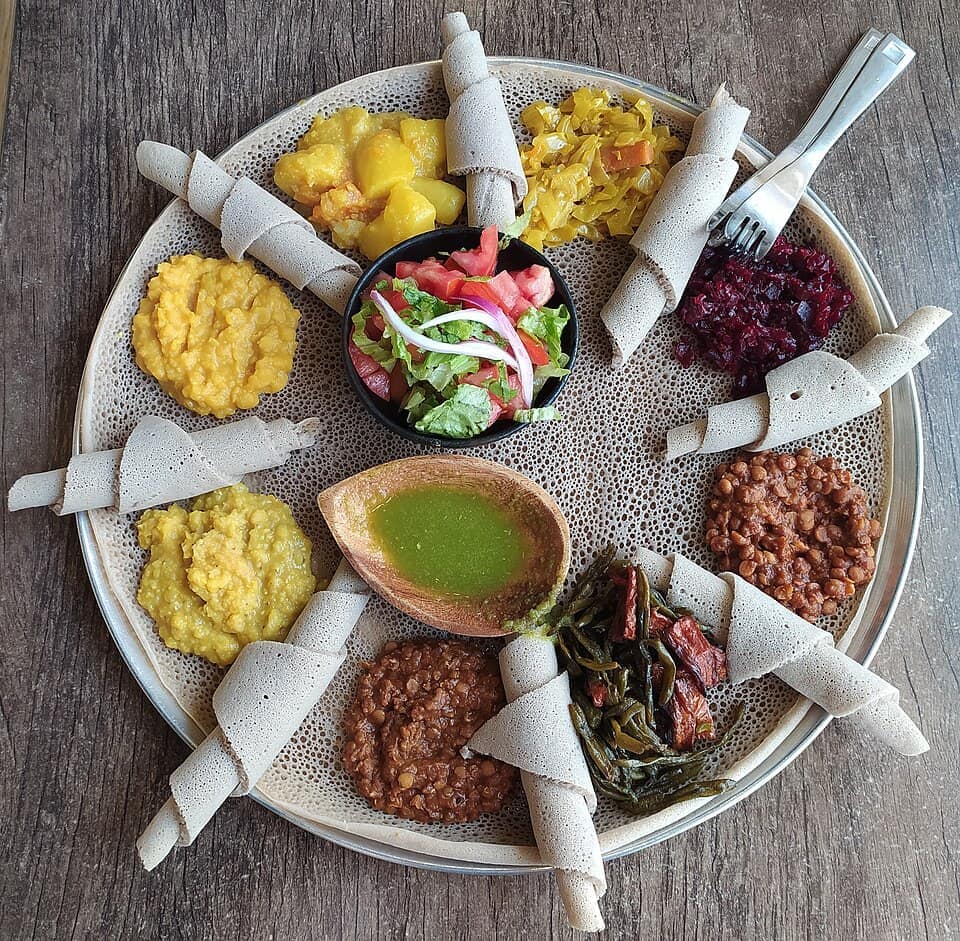
 Ethiopian · 48 h 55 min · 165 kcal ·
 Georgian · 2 h · 957 kcal ·

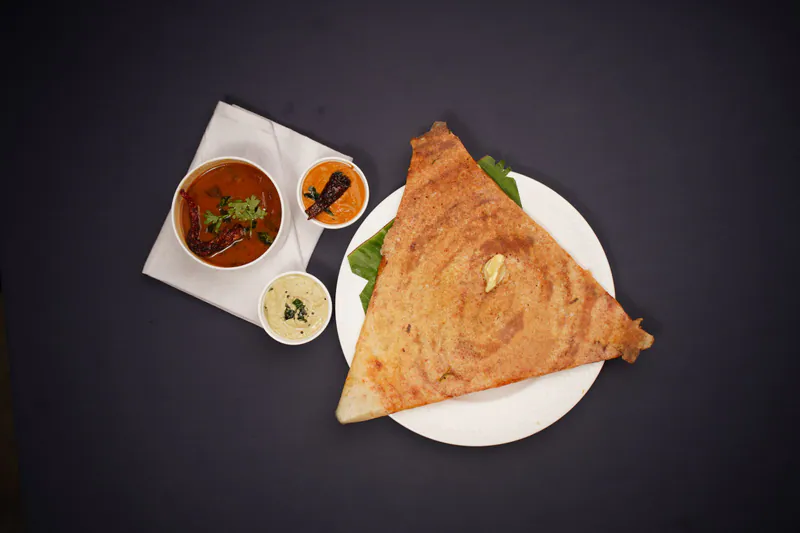

 Italian · 3 h 27 min · 756 kcal ·