
Ingredients and chemistry · intermediate
Aroma compounds and flavour
Most of what we call flavour is smell: small volatile molecules that are released, transformed or lost depending on how we cook.
What happens
The tongue senses sweet, sour, salty, bitter and umami (and the mouth senses heat, cooling and astringency), but most of what we recognise as the flavour of cumin, cardamom or roast meat comes from aroma molecules reaching the nose, both by sniffing and from inside the mouth while chewing. These molecules are small and volatile, so they evaporate easily, and many dissolve better in fat or alcohol than in water. Grinding and cutting release them; heat both creates new ones (Maillard, caramelisation, roasting) and drives existing ones away. Some aromas only form when cells are damaged: crushing garlic lets an enzyme turn alliin into sharp allicin, and cutting onions releases the compound that makes you cry.
Why it matters in the kitchen
It explains why whole spices are bloomed in fat, why fresh herbs go in at the end, why freshly ground spices taste stronger, and why food tastes bland when you have a cold.
Temperatures and conditions
- Delicate herbal aromas fade quickly 60–100 °C · Add fresh coriander, mint and basil at the end.
- Blooming whole spices in fat 160–190 °C · Seconds to a minute; they should sizzle and darken slightly, not blacken.
- Dry-roasting spices 120–180 °C · Medium heat, constant movement, until fragrant.
In practice
- Tadka of cumin, mustard seeds, curry leaves and hing poured over dal at the end.
- Freshly ground garam masala added at the end of cooking to keep its top notes.
- Saffron steeped in warm milk before adding to biryani.
- Crushed garlic tasting sharper than whole or sliced garlic; long-cooked garlic tasting sweet and mild.
Myths and facts
Myth: The tongue has zones for sweet, salty, sour and bitter (the tongue map).
Fact: All taste areas of the tongue can sense all basic tastes. The map came from a misreading of early 1900s research and has been disproved.
Myth: Dried herbs are just weaker fresh herbs.
Fact: Drying changes the aroma, not only the strength. Dried mint, kasuri methi and oregano have different, often deeper, notes and suit long cooking; fresh herbs are brighter and suit finishing.
Myth: Toasting spices always improves them.
Fact: Toasting adds roasted notes but drives off some of the fresh, top-note aromas. Many recipes use both: some spices roasted, some added raw or late.
Use it to cook better
- Grind whole spices shortly before using them, and store ground spices sealed and away from heat.
- Bloom whole spices in hot fat to carry their fat-soluble aromas through the dish.
- Add delicate herbs and finishing spices like garam masala or kasuri methi near the end.
- Crush, chop or grate garlic and ginger to control how sharp they are: finer means stronger.
- For mustard paste, grind with cold water and let it stand about 10 minutes for full heat; add vinegar or salt early, or use hot water, if you want it milder.
Try it at home
Hold your nose
You need: A few jelly beans or small sweets of different flavours, or cubes of apple and pear, A blindfold
- With eyes covered, pinch your nose shut and chew one piece. Try to name the flavour.
- Keep chewing and let go of your nose.
- Repeat with another piece.
What you’ll see: With the nose blocked you taste mainly sweet and sour; the specific flavour appears suddenly when you release your nose, because aroma reaches the nose from inside the mouth.
Going deeper
Many pungent aromas are 'two-part': an enzyme and its target sit in separate parts of the cell until cutting brings them together. In mustard, the enzyme myrosinase acts on glucosinolates to form sharp isothiocyanates; heat destroys myrosinase, which is why seeds fried whole in a tadka taste nutty, not hot. Garlic's alliinase works the same way and is also destroyed by heat. Aroma molecules have very different boiling points and solubilities, so fat-based, water-based and alcohol-based extractions of the same spice smell different.
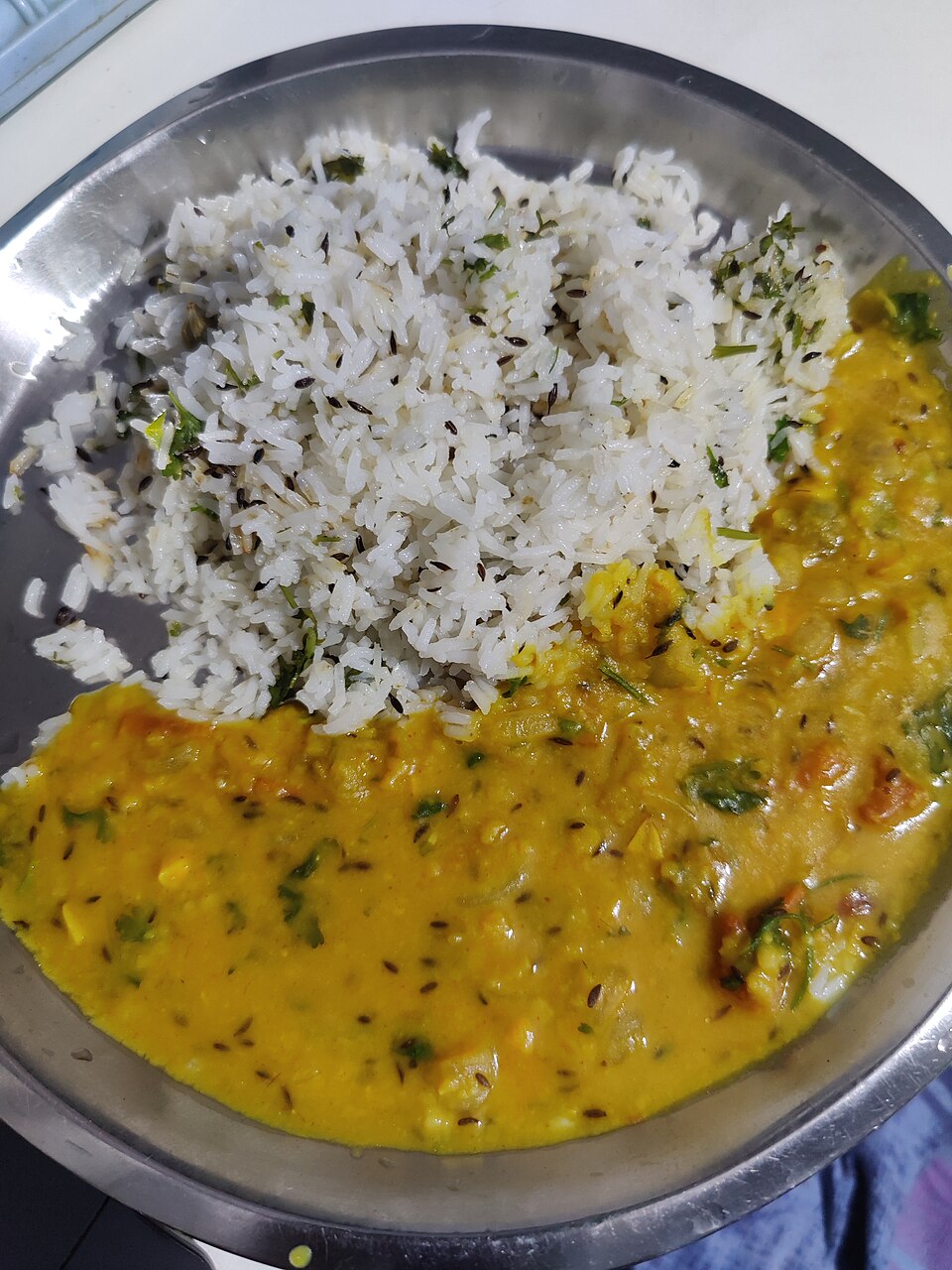
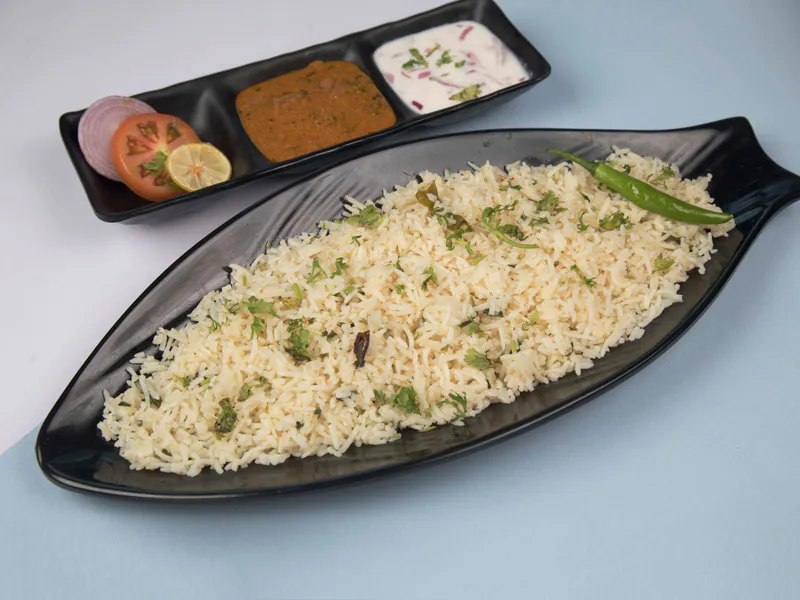
 Pakistani · 50 min · 568 kcal ·
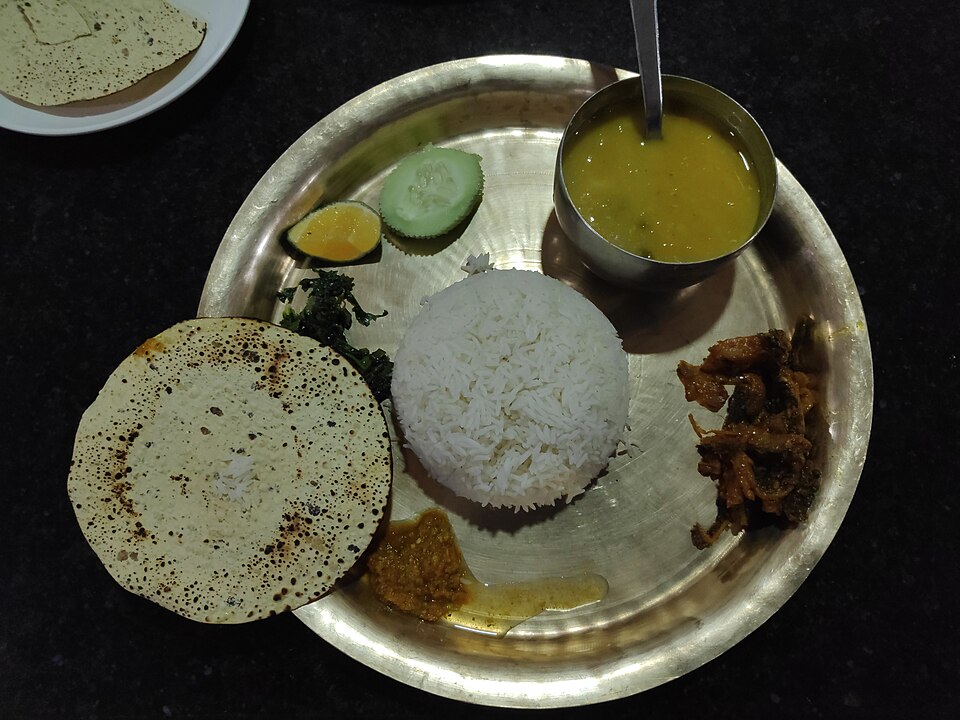
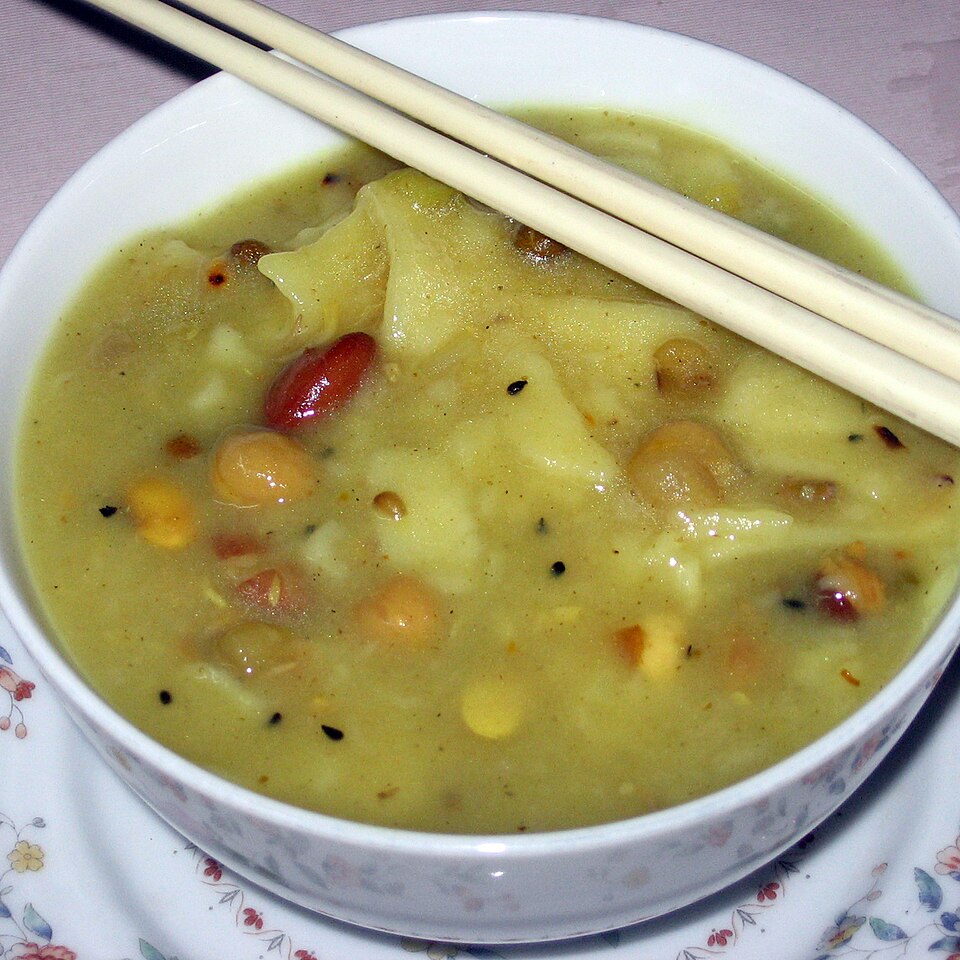
 Nepalese · 55 min · 631 kcal ·
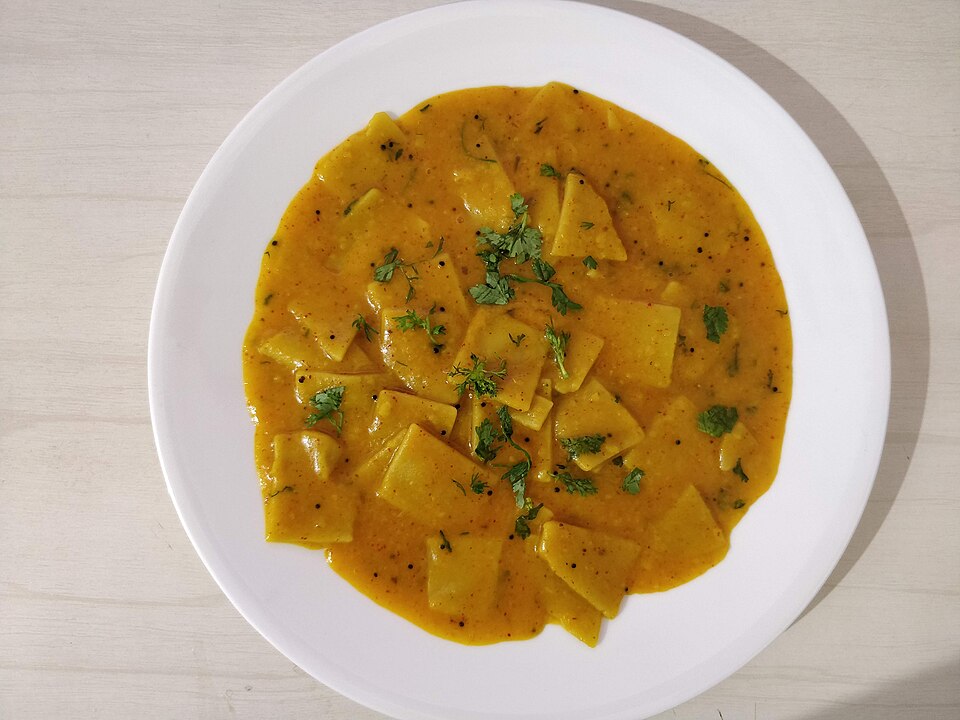
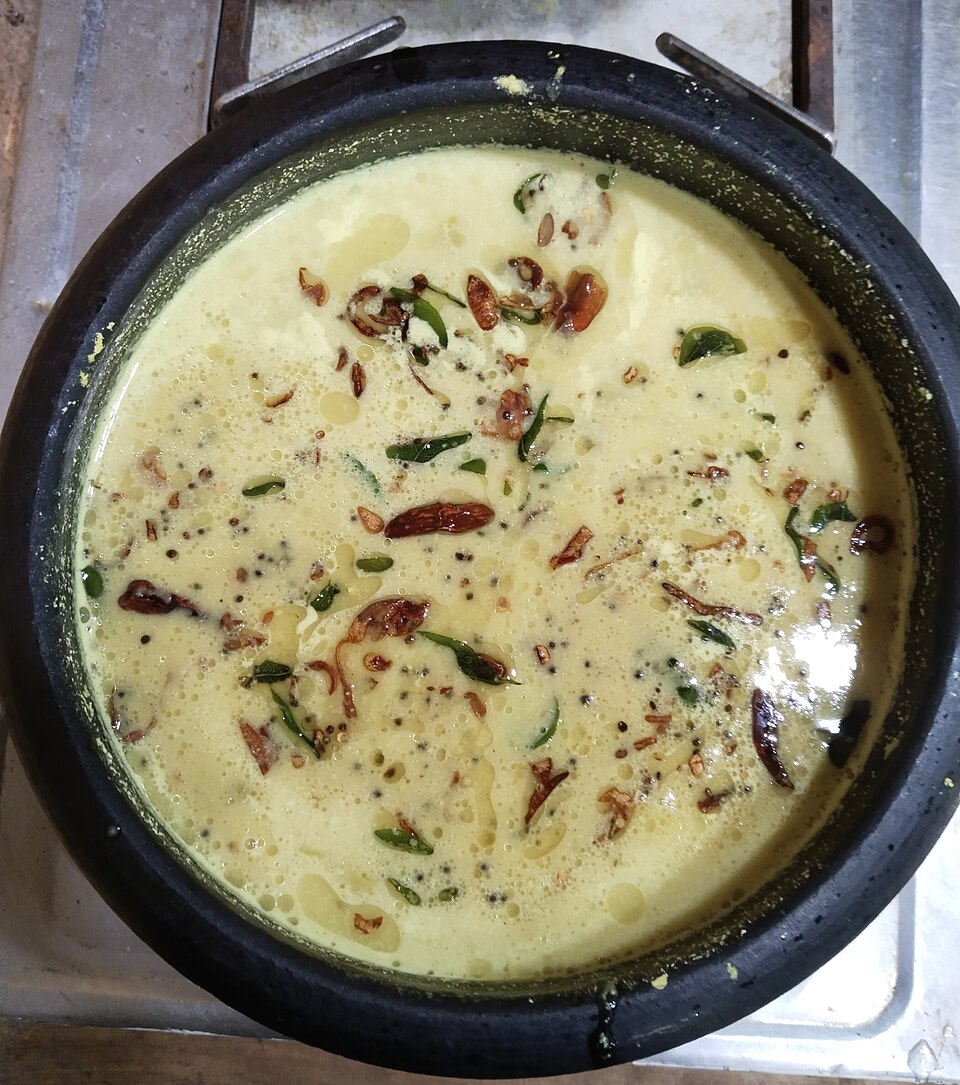
 Gujarati · 1 h 10 min · 368 kcal ·
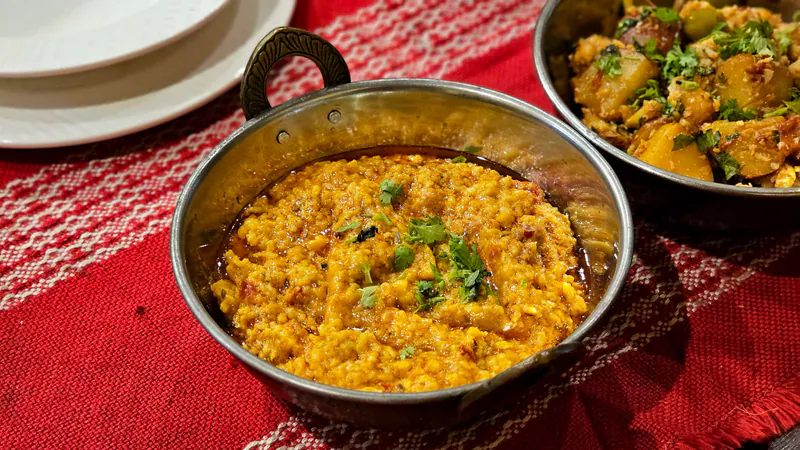
 Sri Lankan · 35 min · 362 kcal ·
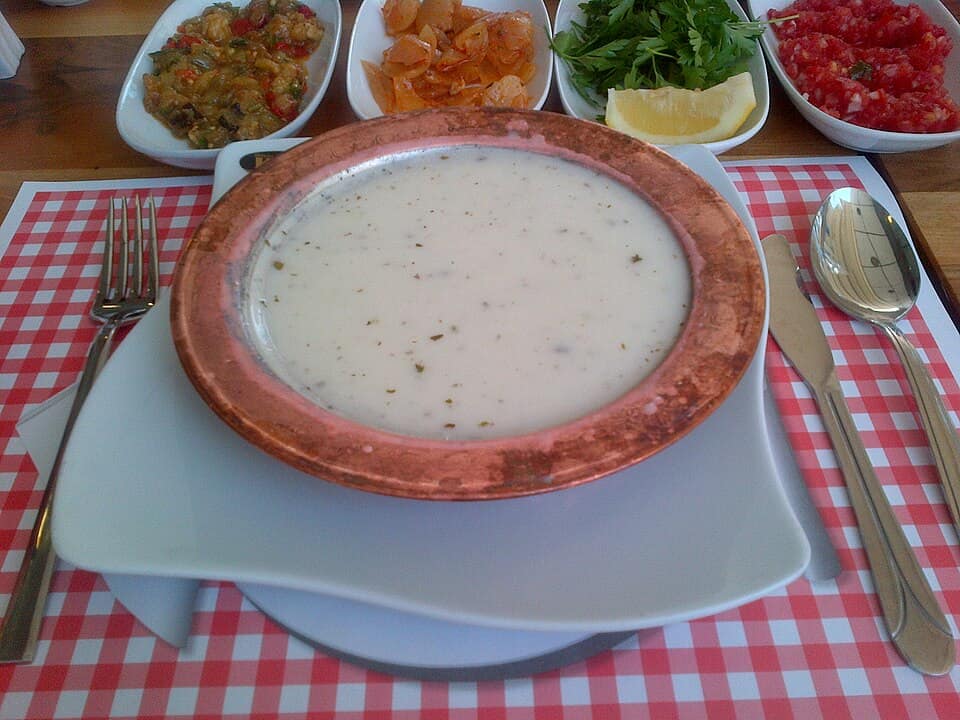
 Turkish · 40 min · 328 kcal