
Sauces and finishing · intermediate
Stock making
Also: broth, fond, yakhni
Extracting flavour and gelatin from bones, meat, vegetables or fish by long, gentle simmering in water.
What it is
Stocks are flavoured liquids made by simmering bones, trimmings, vegetables and aromatics. White stocks use raw bones; brown stocks use roasted bones and vegetables. Yakhni in Indian and Kashmiri cooking is a spiced meat stock used for pulao and gravies; dashi is a quick Japanese stock of kombu and bonito.
Why cooks use it: Stock gives sauces, soups, pulaos and gravies depth and body that water cannot.
The science
Collagen in bones and connective tissue dissolves as gelatin over hours, giving body. Starting in cold water lets soluble proteins coagulate slowly and rise as scum that can be skimmed. Boiling hard emulsifies fat and fine particles into the liquid, making it cloudy and greasy.
How proteins set when cookedEvaporation and reductionFood-safety temperatures
Step by step
Rinse bones; roast them first at about 200–220 °C for brown stock.
Cover with cold water by a few centimetres and bring slowly to a simmer.
Skim off the grey scum that rises during the first 20–30 minutes.
Add vegetables and aromatics (onion, carrot, celery, bay, peppercorns; or whole Indian spices for yakhni).
Simmer gently, uncovered or partly covered: fish 20–30 minutes, vegetable 45–60 minutes, chicken 2–4 hours, beef or veal 6–8 hours.
Strain through a fine sieve, cool quickly and lift off the fat once chilled.
Heat and timing
- Stock making 85–95 °C · A bare simmer, never a rolling boil.
Time: 20 minutes (fish) to 8 hours (beef/veal).
How you know it’s right
- Clear, golden liquid
- Chilled stock sets to a jelly (good gelatin content)
- Only occasional bubbles
Common mistakes
- Boiling hard (cloudy, greasy stock)
- Salting stock that will be reduced
- Simmering fish bones too long (bitter, chalky)
- Leaving a pot of stock to cool on the stove overnight
Troubleshooting
- Cloudy stock
- Simmer more gently and skim; clarify with egg whites if clarity matters.
- Thin, watery stock
- Use more bones (especially joints, wings or feet) and less water; reduce after straining.
Restaurant DNA
How professionals do it
Restaurant kitchens make stock in large steam-jacketed kettles or stockpots daily or weekly, cool it in ice baths or blast chillers, and reduce part of it to concentrated glace.
At home
Save and freeze chicken carcasses and vegetable trimmings until you have enough; a pressure cooker makes good stock in about an hour.
General professional practice — not any particular restaurant’s recipe.
Food safety
- Cool stock quickly: divide into shallow containers or use an ice bath so it passes through the 5–60 °C danger zone fast; refrigerate within 2 hours.
- Refrigerated stock keeps 3–4 days; boil before reuse; freeze for longer.
Practise it
Bessara (Egyptian green fava bean and herb dip)
 Egyptian · 1 h 15 min · 225 kcal · Vegan
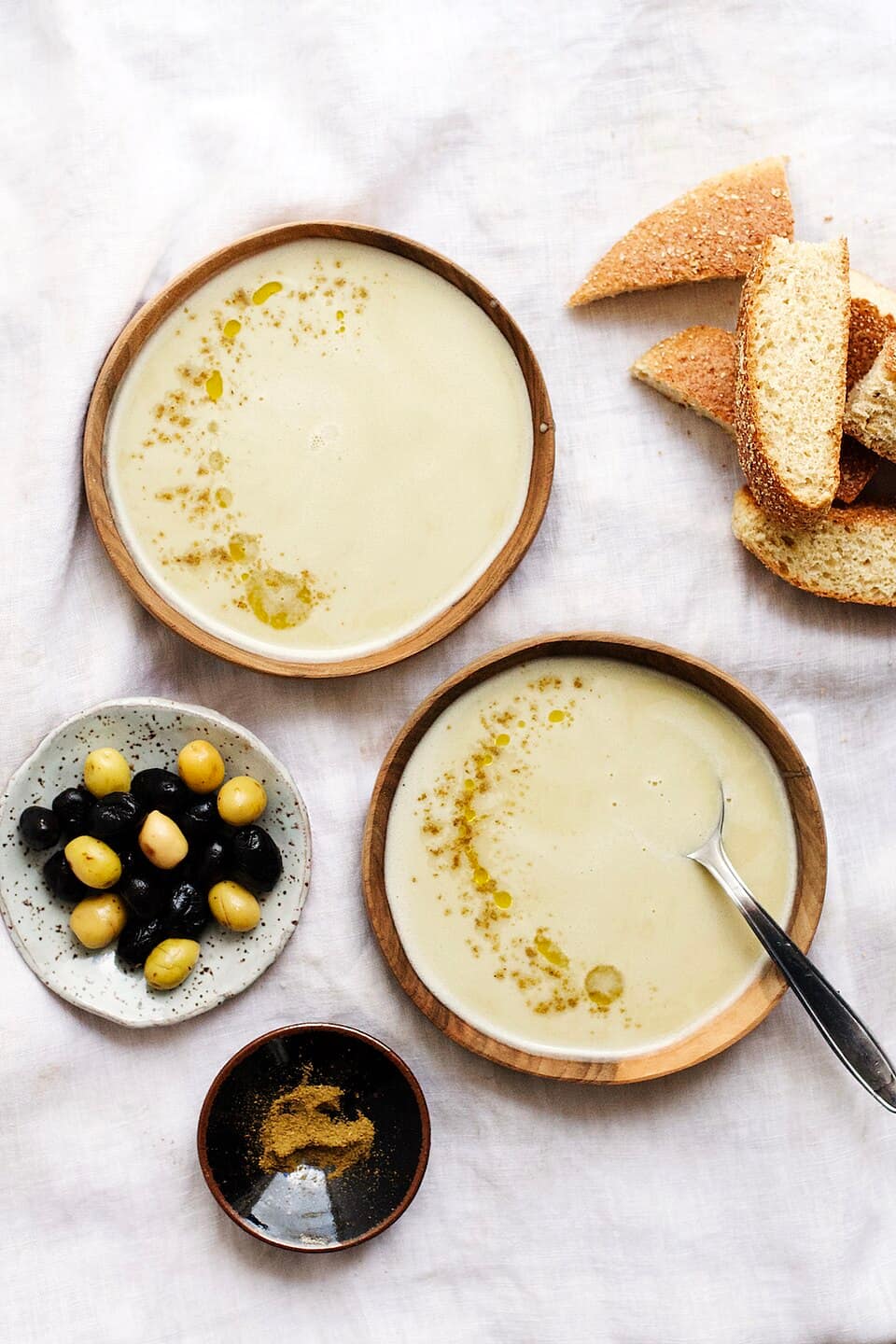
Bissara
 Moroccan · 1 h · 385 kcal · Vegan
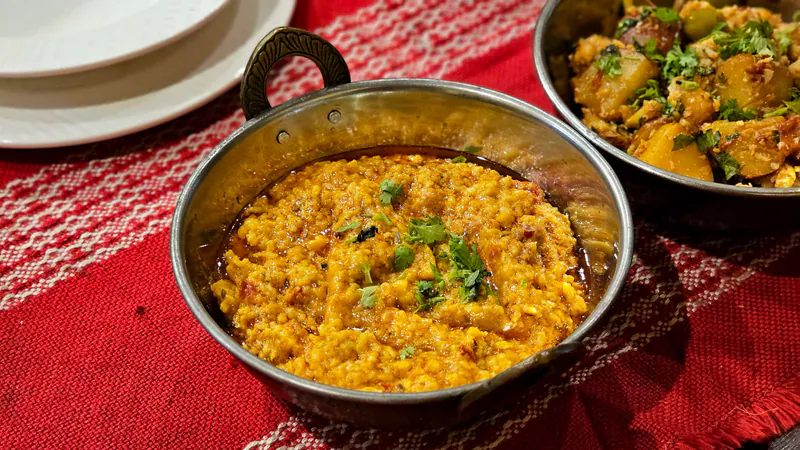
Dal tadka with red lentils
 Indian · 40 min · 268 kcal · Vegetarian
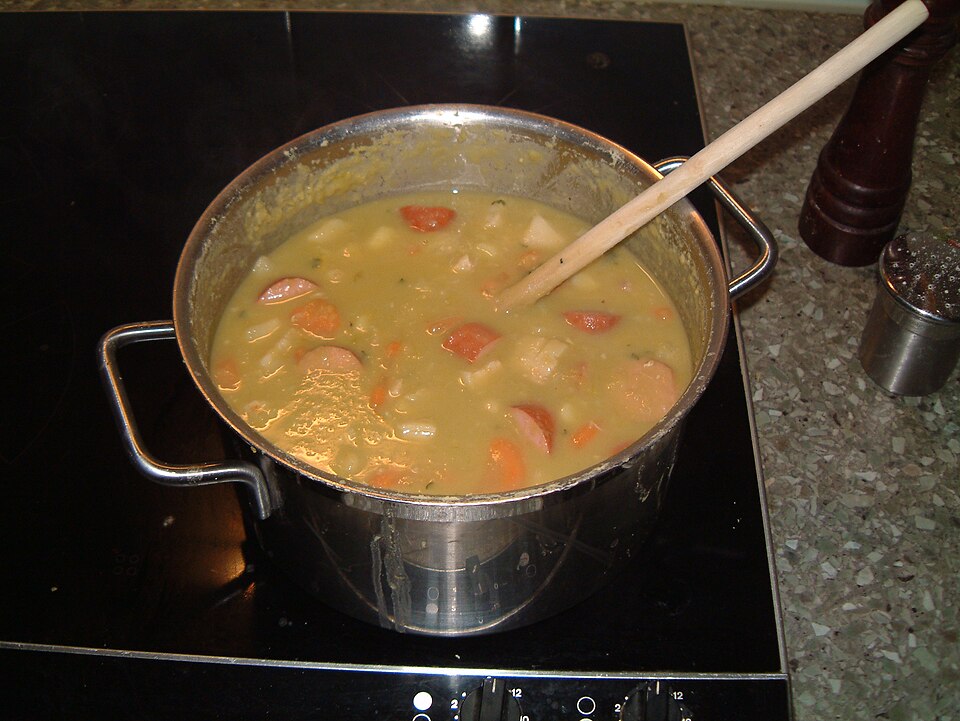
Erwtensoep
 Dutch · 2 h 50 min · 740 kcal
Espagnole sauce
 French · 2 h 20 min · 91 kcal
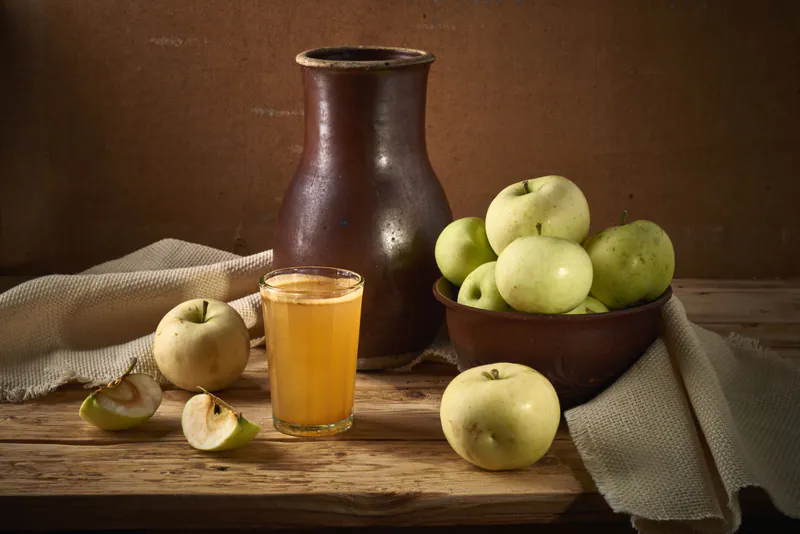
Fresh pressed apple juice
International · 10 min · 112 kcal · Vegan
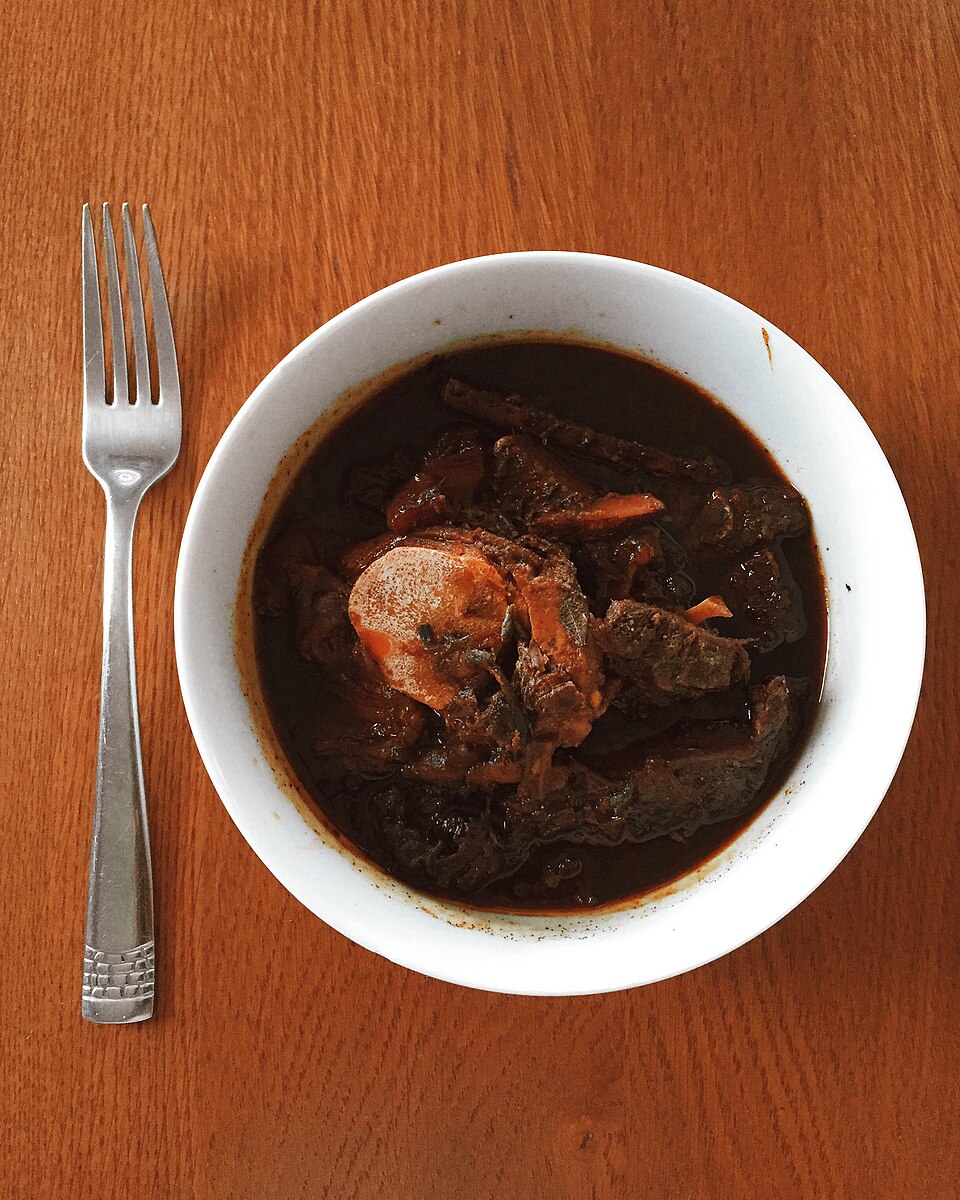
Guyanese pepperpot
 Guyanese · 3 h 15 min · 294 kcal
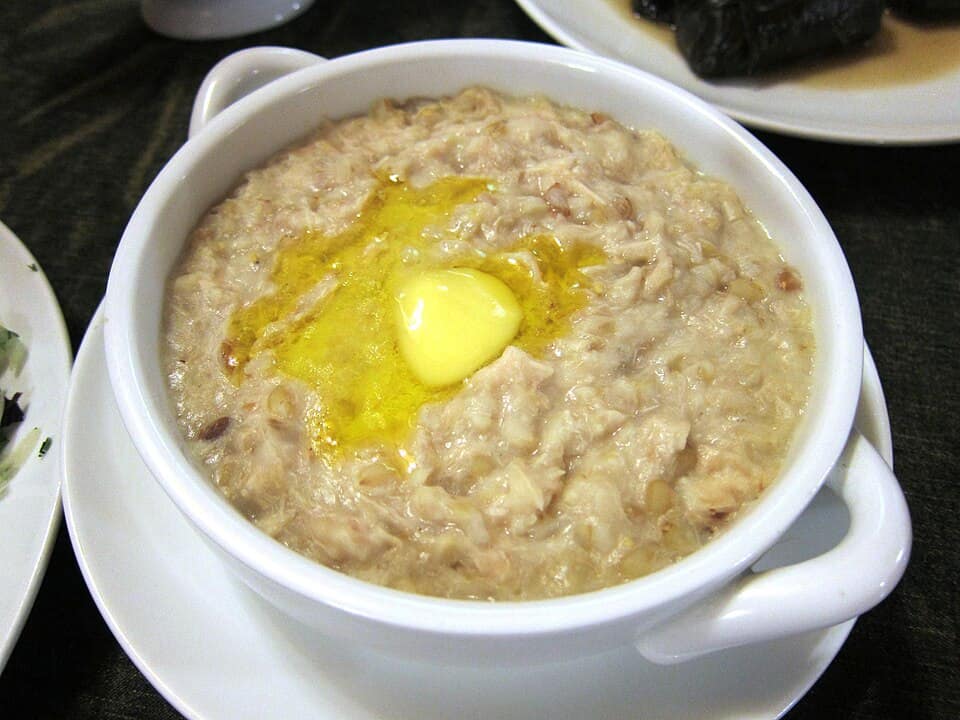
Harees
Gulf Arab · 3 h 10 min · 423 kcal
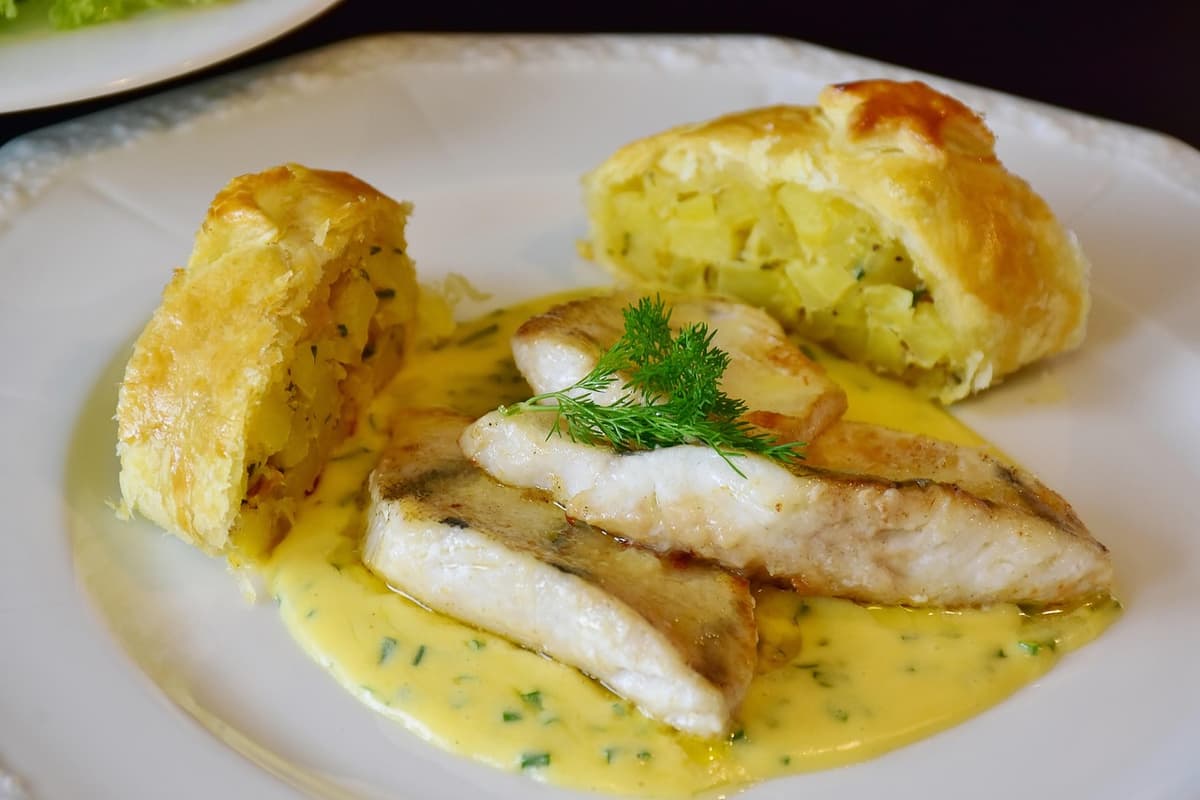
Hollandaise sauce
French · 15 min · 237 kcal · Contains egg
16 more
- Kashmiri mutton yakhni · Indian
- Kitsune udon · Japanese
- Mercimek çorbası · Turkish
- Murgh shorba · Indian
- Pozole rojo · Mexican
- Rosół · Polish
- Samgyetang · Korean
- Seswaa · Botswanan
- Sholeh zard · Iranian
- Shorbet ads (Egyptian lentil soup) · Egyptian
- Shurpa · Uzbek
- Sopa de maní · Bolivian
- Tafelspitz · Austrian
- Tarte au citron (French lemon tart) · French
- Ushiojiru (clear clam soup) · Japanese
- West Lake beef soup · Cantonese