
Töltött káposzta
Non-vegetarian
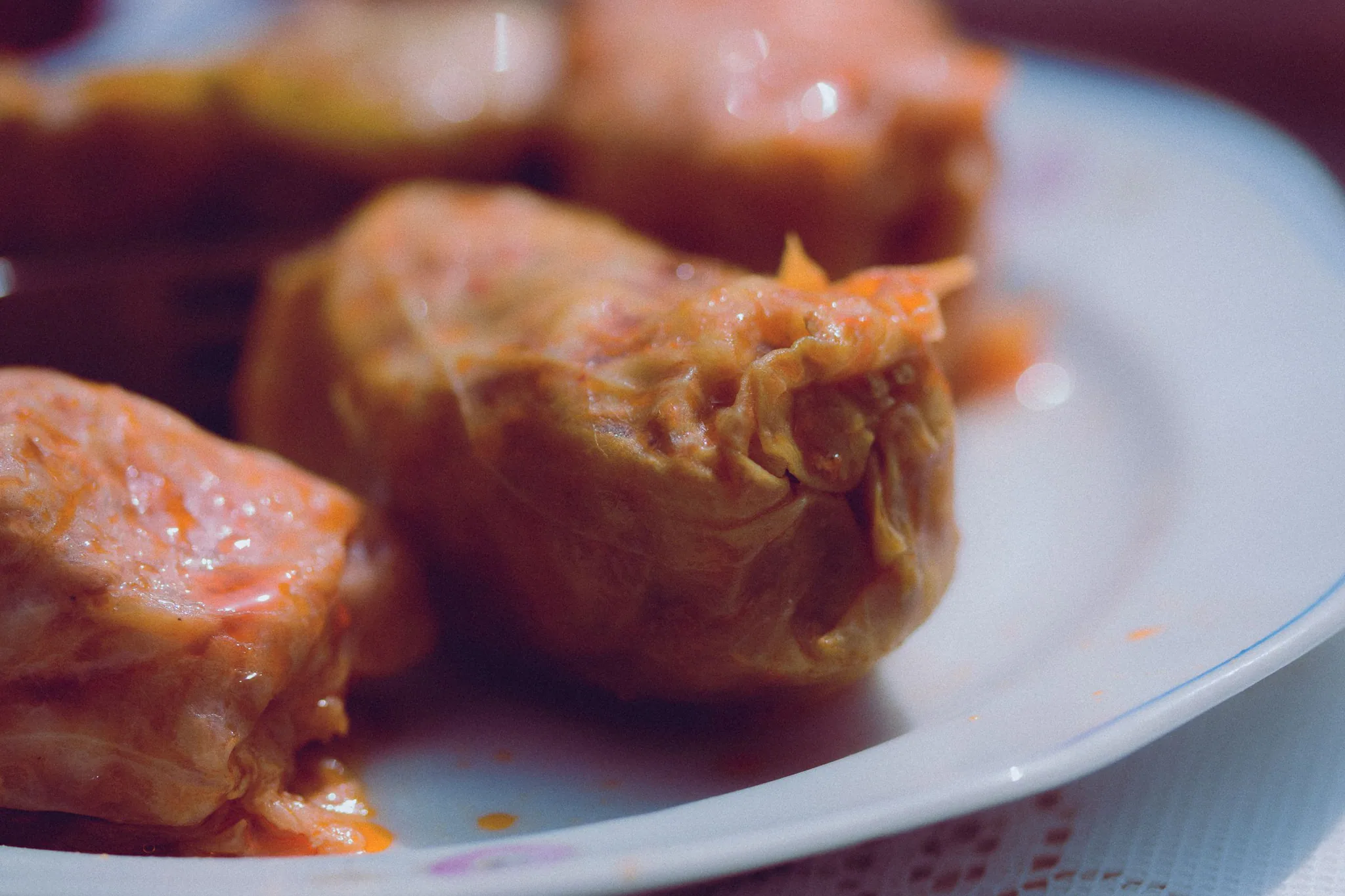
Cabbage leaves wrapped round paprika-seasoned pork and rice, slow-cooked on a bed of sauerkraut with smoked sausage and finished with sour cream. Hungarian Christmas and wedding food.
Töltött káposzta is a Hungarian main course from Hungary, ready in about 3 hours and made with cabbage, ground pork and sauerkraut. It serves 6 and is rated intermediate to cook.
- Prep
- 40 min
- Cook
- 2 h 20 min
- Total
- 3 h
- Serves
- 6
- Level
- Intermediate
- Calories
- 601
Method
Step 1
Cut out the cabbage (opens in a new tab) core and simmer the whole head in a large pot of water, peeling off leaves with tongs as they soften. Shave down the thick central rib of each leaf.
- 15 min
- medium heat
- Stockpot / large pot (opens in a new tab)
Step 2
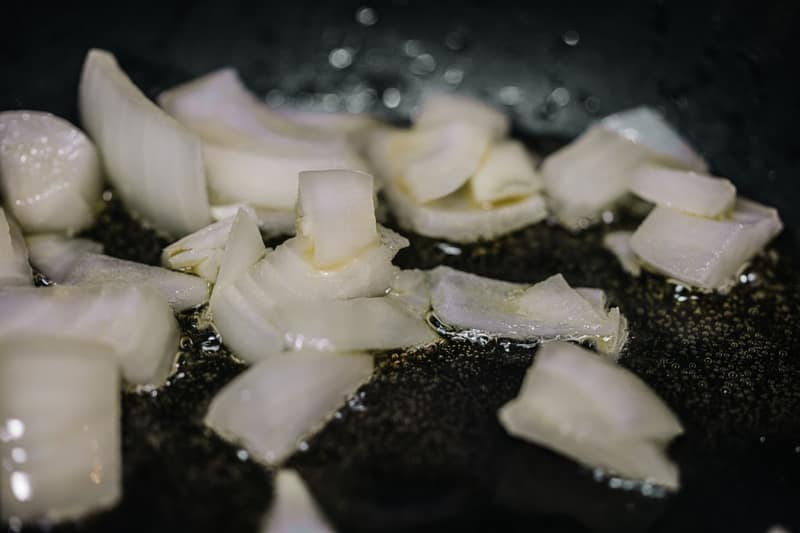
Soften the onion (opens in a new tab) in the lard (opens in a new tab) and cool slightly. Mix with the pork, rice, egg (opens in a new tab), paprika (opens in a new tab), garlic (opens in a new tab), salt and pepper (opens in a new tab).
- 10 min
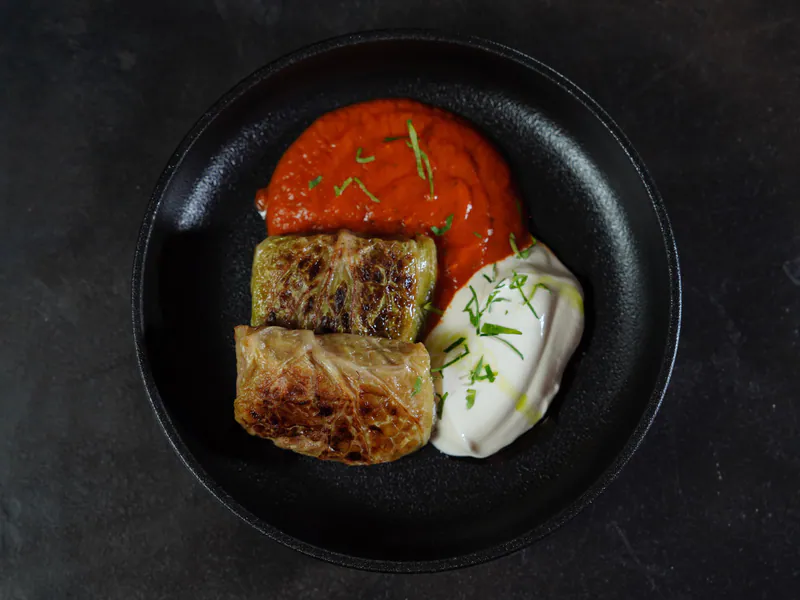
How it looks · Photo: Magda Ehlers on Pexels Step 3
Put a heaped spoonful of filling at the base of each leaf, fold in the sides and roll up tightly, tucking in the end.
- 15 min
Step 4
Spread half the sauerkraut (opens in a new tab) in a heavy pot, arrange the rolls and sausage on top, cover with the rest of the sauerkraut and chopped leftover cabbage (opens in a new tab), add the bay leaves (opens in a new tab) and pour in water to just cover.
Step 5
Cover and simmer very gently until the rice is fully cooked and the cabbage (opens in a new tab) tender.
- 120 min
- low heat
Food safety: The pork filling must be cooked through (71 °C).
Step 6
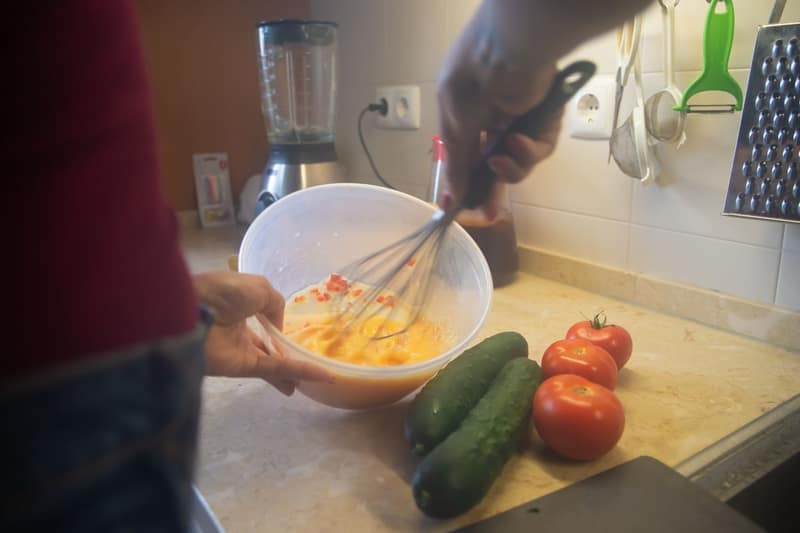
Whisk the sour cream (opens in a new tab) with the flour and a ladle of the hot liquid, stir it gently into the pot and simmer 5 minutes more. Serve with extra sour cream and bread.
- 5 min
- low heat
How it looks · Photo: Kampus Production on Pexels
About this dish
- Origin
- Hungary · Commonly attributedStuffed cabbage is eaten across Central and Eastern Europe and the Balkans; this paprika-and-sauerkraut version is Hungarian.More food from Hungary
- Dish
- Dinner · Lunch · Main courses
- Cooking method
- Boiled, Braised, Slow-cooked
- Taste
- sour, savoury, smoky, creamy
- Diet
- No nut ingredients · High-proteinWorked out from the ingredients. How labels work
All labels
Non-vegetarian · No nut ingredients · No added sugar · Alcohol-free · High-protein · Carb-conscious - Good for
- Festive & celebration · Make-ahead · Freezer-friendly · Batch cooking
- Cook more with
- Cabbage · Ground pork · Sauerkraut · Long-grain white rice · Onion · Lard
Allergens
- Contains: Milkfrom sour cream
- Contains: Eggsfrom egg
- Contains: Wheatfrom all-purpose flour
- Contains: Glutenfrom all-purpose flour
- May contain: Mustardfrom kielbasa (smoked polish sausage)
- May contain: Sulphitesfrom kielbasa (smoked polish sausage)
Based on typical versions of these ingredients and not verified allergen-free. Brands differ and cross-contact happens, so always check labels. For severe allergies, follow your clinician’s advice.
Nutrition
601 kcal per serving
Calculated1 serving ≈ 601 g · recipe makes 6
Where the energy comes from
- Protein 18%
- Carbohydrate 22%
- Fat 60%
| Nutrient | Per serving | Per 100 g* |
|---|---|---|
| Energy | 601 kcal | 100 kcal |
| Protein | 27.5 g | 4.6 g |
| Carbohydrate | 32.8 g | 5.5 g |
| Net carbohydrate | 24.9 g | 4.1 g |
| Sugars | — | — |
| Added sugars | 0 g | 0 g |
| Fibre | 7.9 g | 1.3 g |
| Fat | 40.5 g | 6.7 g |
| Saturated fat | 15.7 g | 2.6 g |
| Trans fat | — | — |
| Cholesterol | 149 mg | 25 mg |
| Sodium | 1346 mg | 224 mg |
| Salt equivalent | 3.4 g | 0.6 g |
Vitamins & minerals per serving
- Potassium
- 923 mg
- Calcium
- 175 mg
- Iron
- 4.8 mg
- Magnesium
- 71 mg
- Vitamin A (RAE)
- 107 µg
- Vitamin C
- 72 mg
- Vitamin D
- —
- Vitamin B12
- 1.3 µg
- Folate (DFE)
- 174 µg
How these numbers were made
- Calculated from USDA FoodData Central (SR Legacy) per-100 g values and the listed quantities.
- *Per 100 g of combined raw ingredients; the cooked dish may weigh more or less.
- “—” means the value isn’t known for enough of the ingredients; it is never zero by default.
- Values are estimates for guidance, not for medical dosing. U.S. Department of Agriculture, Agricultural Research Service. FoodData Central, 2019. fdc.nal.usda.gov.
Good to know
Tips
- Like most cabbage dishes, it is best reheated the next day — or the day after.
Storage
- Keeps 4 days in the fridge; freezes well.
Reheating
- Reheat slowly, covered, adding water if needed.
Variations
- Sarmale (Romania): Romania's smaller cabbage rolls, served with mămăligă.
- Gołąbki (Poland): Polish cabbage rolls usually baked in tomato sauce.
Original editorial recipe · FriendsPantry editorial · Not yet independently reviewed · Added · Updated
Recipe DNA
How this dish is built
Grouped by each ingredient’s role in the dish. Each band’s width is its share of the dish by weight. Choose a component to see what it does.
What the dish is built around
Main ingredient
- Cabbage, whole head, about 900 g1 piece · 900 g
- Ground pork600 g
- Long-grain white rice, rinsed100 g
- Egg1 piece · 50 g
- Sauerkraut600 g
- Kielbasa (smoked Polish sausage), thickly sliced200 g
- Sour cream200 g
- All-purpose flour1 tbsp · 7.8 g
Reviews & corrections
Reviews come from signed-in cooks and appear after a moderator checks them. We never show made-up ratings.
You might also like
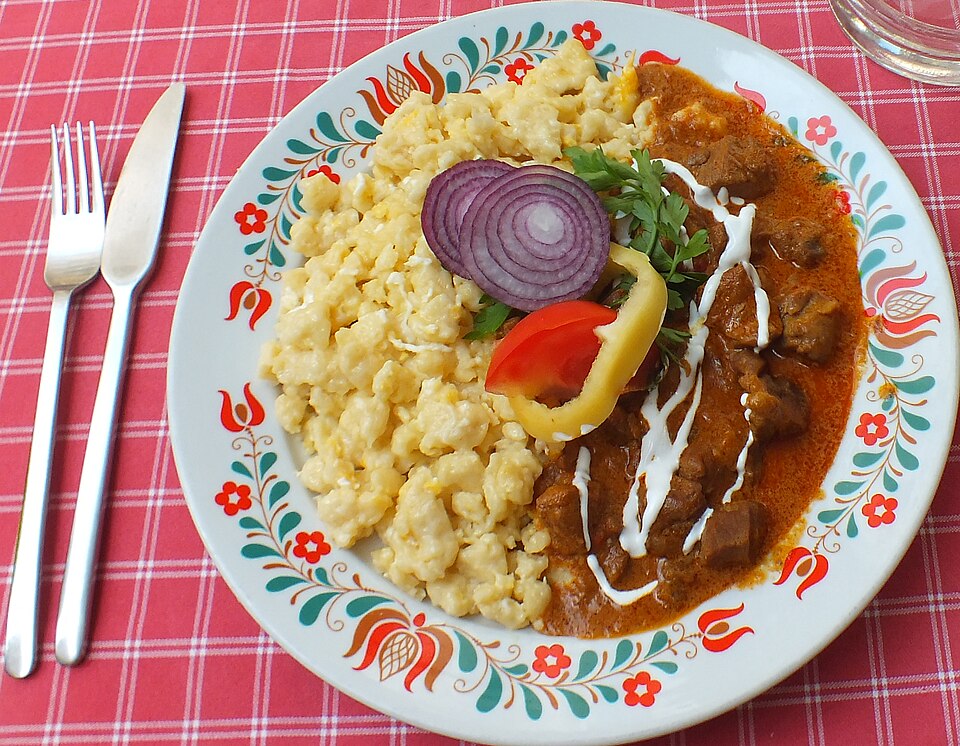
Sertéspörkölt
 Hungarian · 2 h 5 min · 572 kcal
Sarmale
 Romanian · 4 h · 453 kcal
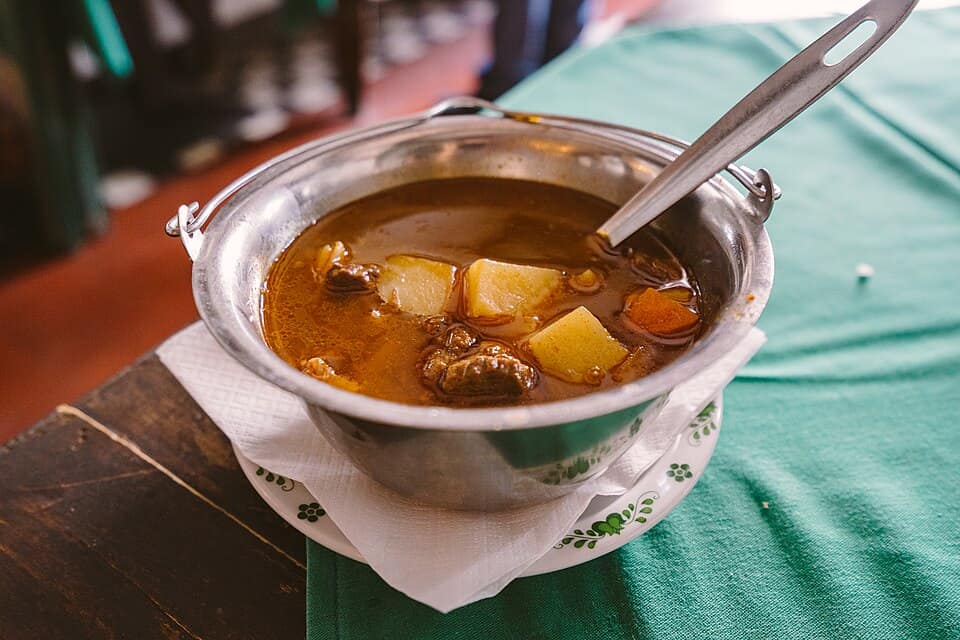
Gulyásleves (Hungarian goulash soup)
Hungarian · 2 h 20 min · 309 kcal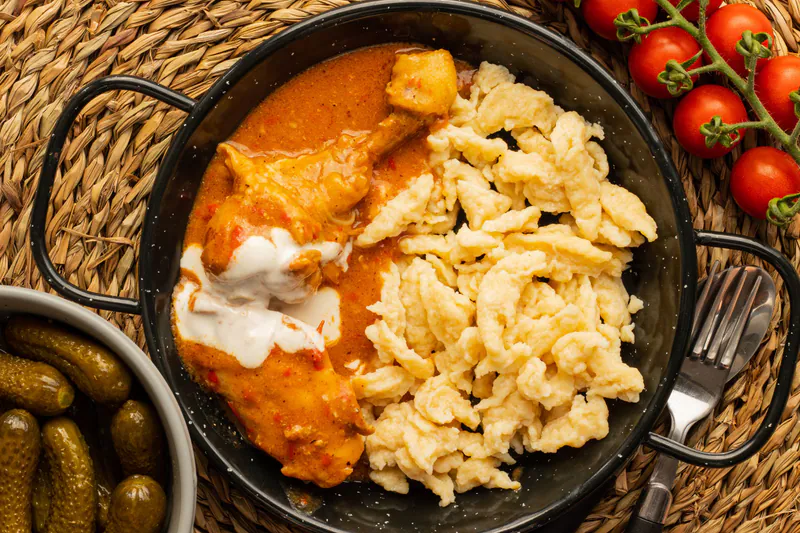
Chicken paprikash
Hungarian · 1 h 10 min · 512 kcal