
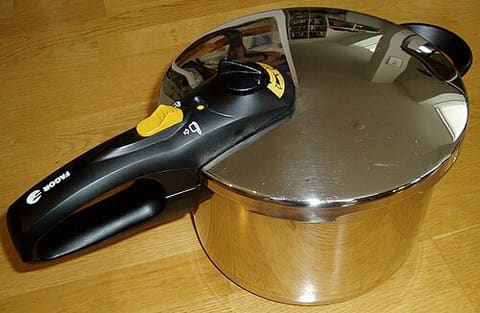
Kitchen equipment · Pressure cooker
Pressure cooker
A sealed pot that traps steam to raise the boiling point, cooking beans, rice and stews much faster.
Useful to have · Used on the stovetop · 39 recipes
Photo: Unknown author, via Wikimedia Commons (CC-BY-SA-3.0)
What it is
A pot with a locking lid, a gasket and a pressure valve. As the liquid boils, trapped steam raises the pressure and the temperature inside above normal boiling, so food cooks in a fraction of the time. Stovetop models (common in Indian kitchens, where whistles mark pressure) sit on the hob; electric multicookers have built-in heating and timers.
What it’s for: Rapid moist cooking of tough or dense foods like dried beans, lentils, rice and meat.
How to use it
- Add food and at least the minimum liquid the maker specifies; never overfill (about two-thirds, half for beans and grains).
- Close and lock the lid and check the valve is clean.
- Bring to pressure over high heat or set the programme, then lower the heat to maintain it.
- After cooking, release pressure naturally or with the quick-release valve as the recipe says; never force the lid open.
Good to know
- Tasks
- cooking dal and dried beans, cooking rice, making stews and curries, making stock, steaming potatoes
- Cooking methods
- Pressure-cooked, Steamed, Boiled, Stewed, Braised, Slow-cooked
- Materials
- aluminium, stainless steel, rubber gasket
- Care and cleaning
- Remove and wash the gasket and clear the valve after each use. Replace worn gaskets. Do not soak or immerse electric bases.
- Limitations
- You cannot check or adjust food mid-cook; little browning without a sauté step.
Safety
- Open only after all pressure has been released.
- Foaming foods (beans, lentils) can clog the valve; do not overfill.
- Keep the face and hands away from the valve during release.
If you don’t have one
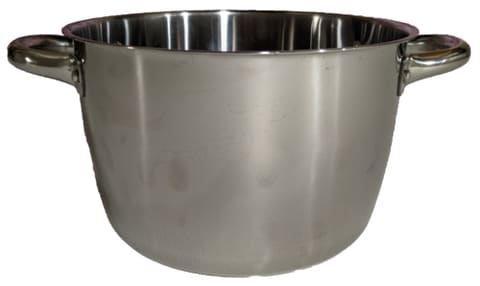
- Saucepan — Cook beans, dal and rice conventionally; takes much longer and soaked beans help.
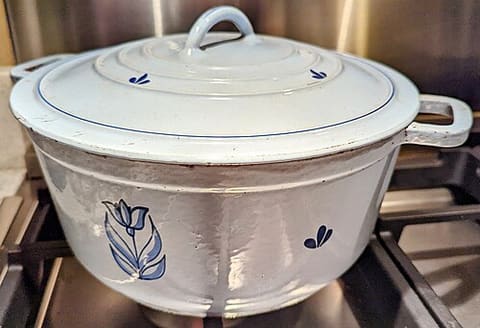
- Dutch oven / casserole pot — For stews and braises, simmered for hours.
Equipment guide
How it works: A sealed pot traps steam so pressure rises to about 0.7–1 bar above atmospheric. Water boils at higher temperatures under pressure, around 115–120 °C, so food cooks much faster: tough meat, dried beans and lentils soften in a fraction of the time. A valve controls the pressure, and in many Indian cookers a weighted whistle releases steam audibly.
| Material | Good | Watch out |
|---|---|---|
| Stainless steel | Non-reactive, induction-friendly, durable. | Heavier; thin bases can scorch dal. |
| Aluminium | Light and heats quickly; common in Indian kitchens. | Reacts with acidic food; not induction-compatible unless it has a steel base. |
| Hard-anodised aluminium | Harder, non-reactive surface. | Not usually induction-compatible. |
- Stovetop whistle cooker
- Weighted valve; counted by whistles.
- Stovetop spring-valve cooker
- Quieter; pressure shown by an indicator.
- Electric pressure cooker (multicooker)
- Programmable; typically runs at slightly lower pressure than stovetop models.
Buying guidance
Starting out: A 3–5 litre stainless stovetop cooker, or an electric multicooker of similar size.
Keen cook: Add a smaller 2–3 litre cooker for dal and a larger one for meat and stock.
- Capacity: 3 litres for 2–3 people, 5–6 litres for families
- Operating pressure stated (stovetop about 1 bar / 15 psi; electric often less)
- Safety valve and replaceable gasket
- Thick, induction-compatible base
- Separator containers for cooking rice and dal together
No brands or prices — check current reviews before buying.
Techniques:SteamingPressure cookingSlow-cooked gravyStock makingBatch cooking
Related tools
Recipes that use it
Aloo tama
 Nepalese · 1 h 15 min · 223 kcal · Vegan
Bassaru
 South Indian · 55 min · 177 kcal · Vegan
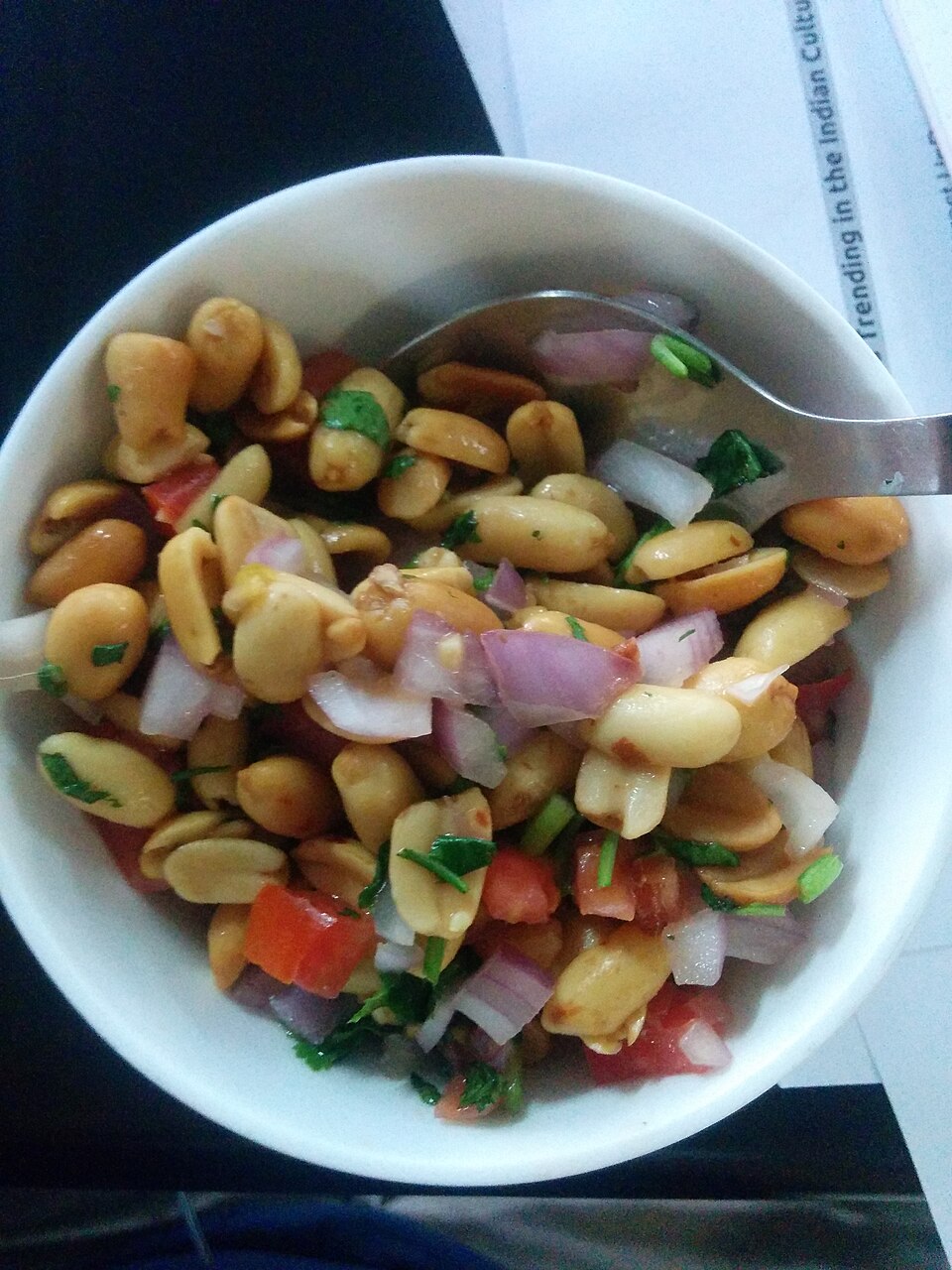
Boiled peanut chaat
Indian · 40 min · 230 kcal · VeganBulalo
 Filipino · 3 h 35 min · 260 kcal
Caldo de feijão
 Brazilian · 1 h 10 min · 258 kcal
Caldo de res
 Mexican · 2 h 50 min · 315 kcal
Chana madra
Indian · 1 h 10 min · 348 kcal · VegetarianChana samosa (Chhattisgarh street-style)
Indian · 2 h 30 min · 641 kcal · Vegetarian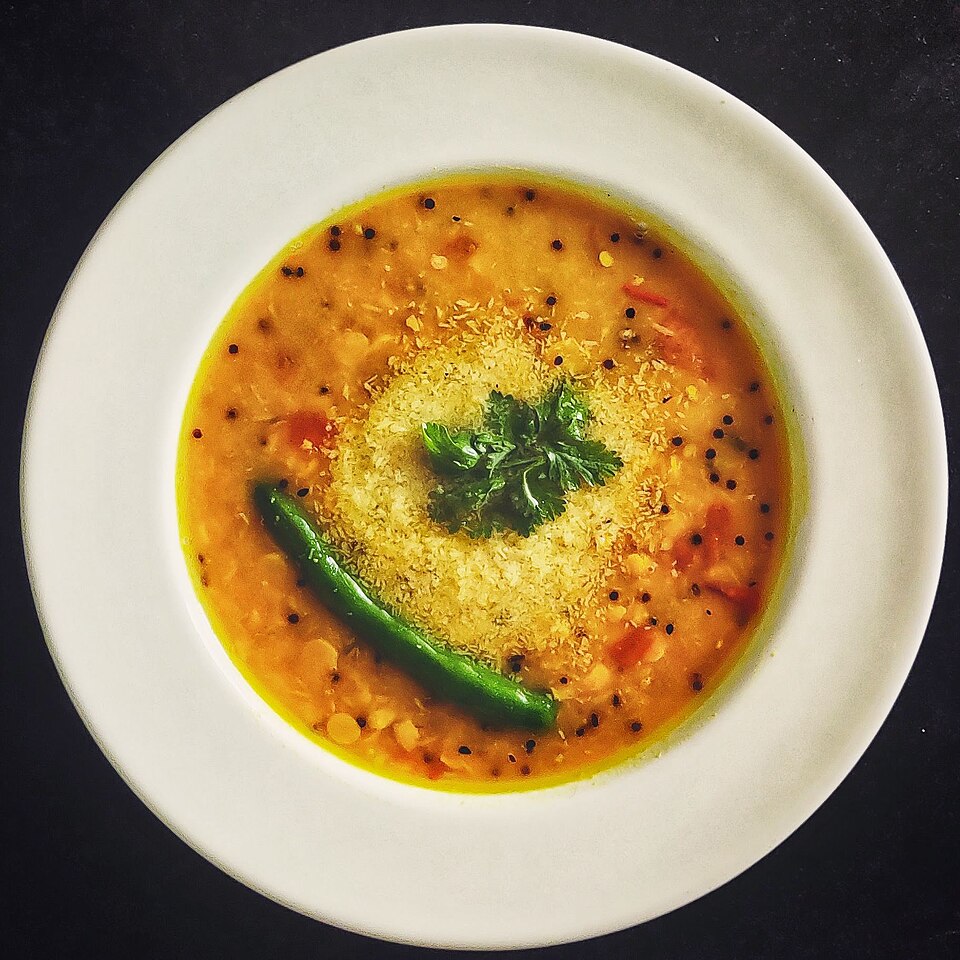
Cholar dal
Bengali · 50 min · 319 kcal · Vegetarian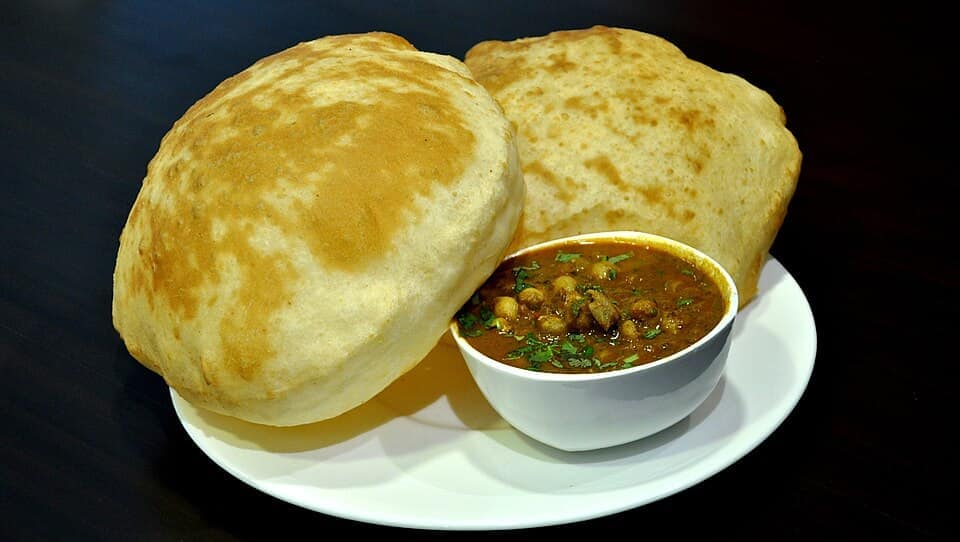
Chole bhature
Punjabi · 3 h 35 min · 727 kcal · Vegetarian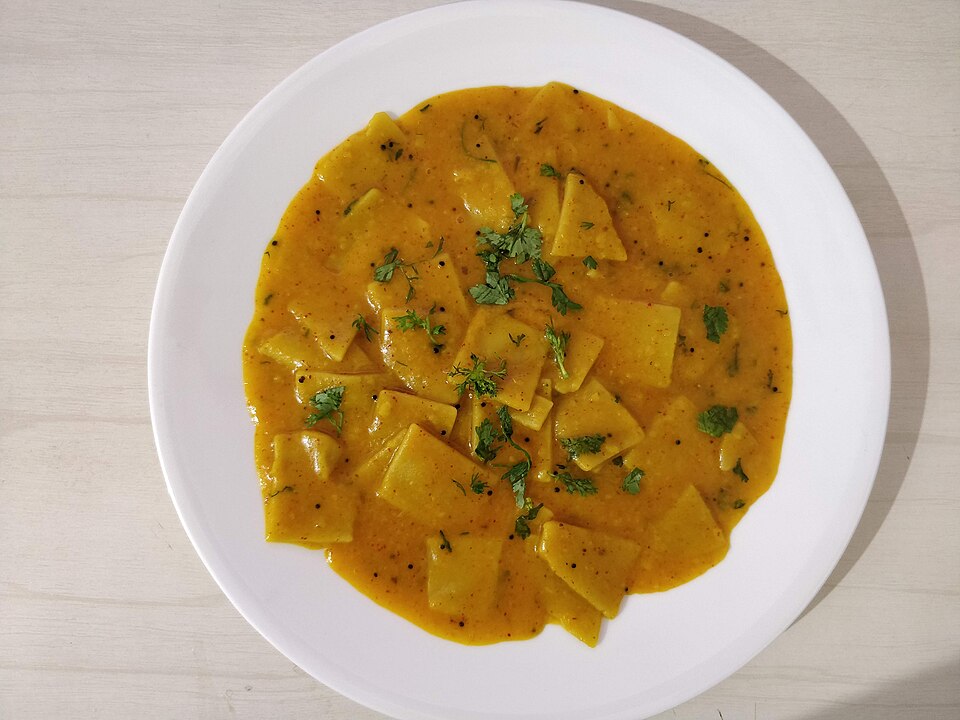
Dal dhokli
Gujarati · 1 h 10 min · 368 kcal · Vegetarian
Dal makhani
Punjabi · 2 h · 390 kcal · Vegetarian
27 more
- Dalma · Indian
- Düğün çorbası · Turkish
- Erissery · South Indian
- Feijão carioca · Brazilian
- Ghugni (Jharkhand-style) · Indian
- Gujarati dal · Gujarati
- Harees · Gulf Arab
- Hyderabadi dalcha · Indian
- Hyderabadi marag · Indian
- Kadala curry · South Indian
- Kala chana salad · Indian
- Kondakadalai sundal · South Indian
- Kukhura ko masu · Nepalese
- Kwati · Nepalese
- Lemon rasam · South Indian
- Moong dal khichdi · Indian
- Mysore rasam · South Indian
- Osaman · Gujarati
- Pandhra rassa · Indian
- Pappu charu · South Indian
- Pineapple rasam · South Indian
- Puran poli · Indian
- Sambar · South Indian
- Seolleongtang · Korean
- Sop buntut · Indonesian
- Sup kambing · Malaysian
- Tambda rassa · Indian