
Seolleongtang
Non-vegetarian
설렁탕 · Seolleongtang
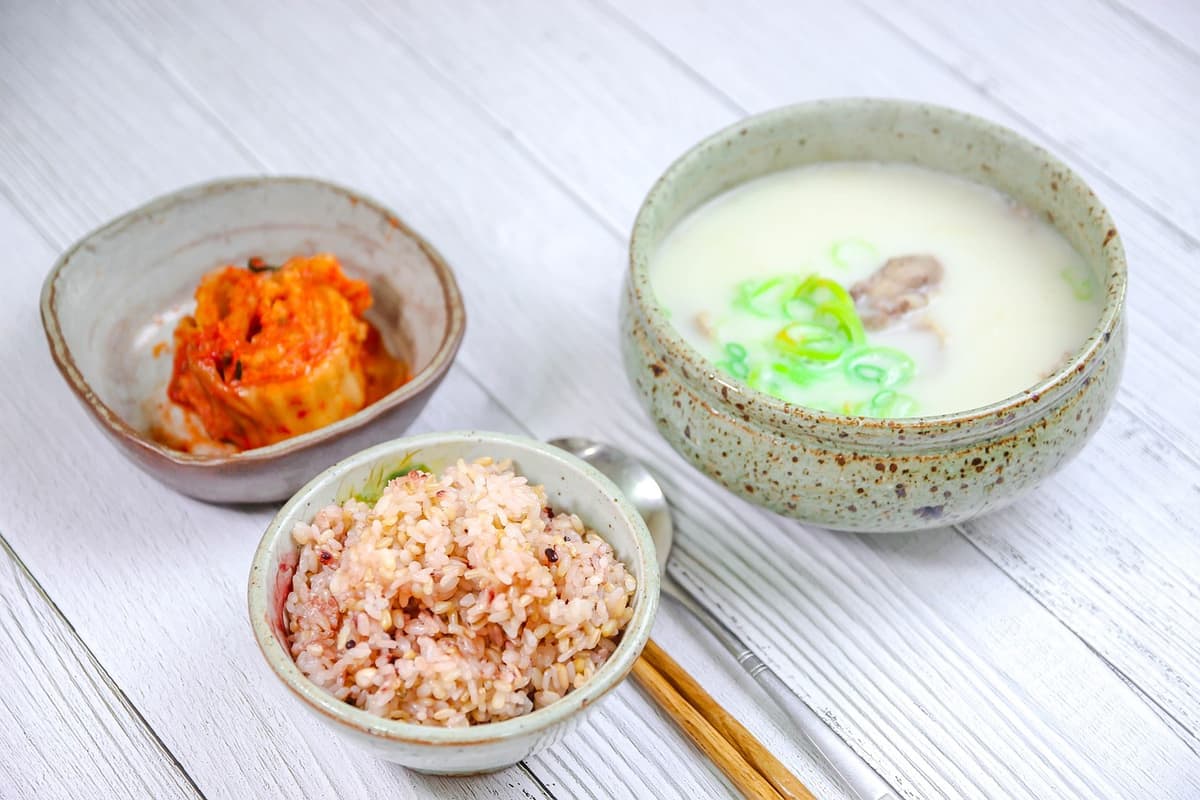
A Seoul classic: beef bones and brisket simmered for hours into a milky-white, deeply savoury broth, served unseasoned so each diner adds salt, pepper and spring onion at the table.
Seolleongtang is a Korean soup from South Korea, ready in about 6 hours 20 minutes and made with beef shank (bone-in, cross-cut), beef chuck and spring onion. It serves 6 and is rated intermediate to cook.
- Prep
- 20 min
- Cook
- 6 h
- Total
- 6 h 20 min
- Serves
- 6
- Level
- Intermediate
- Calories
- 232
Plus 1–2 hours soaking the bones; a pressure cooker cuts cooking to about 2 hours.
Method
Step 1
Soak the bones and brisket in cold water for 1–2 hours to draw out blood, changing the water once. Blanch in fresh boiling water for 10 minutes, then drain and scrub off the scum and rinse the pot.
- 15 min
- high heat
- Stockpot / large pot (opens in a new tab)
Food safety: Wash hands and surfaces after handling raw beef.
Step 2
Return the bones and brisket to the pot with the 4 litres of water and boil hard, covered, topping up with boiling water as needed. After 1½ hours lift out the brisket and keep it chilled.
- 90 min
- high heat
Step 3
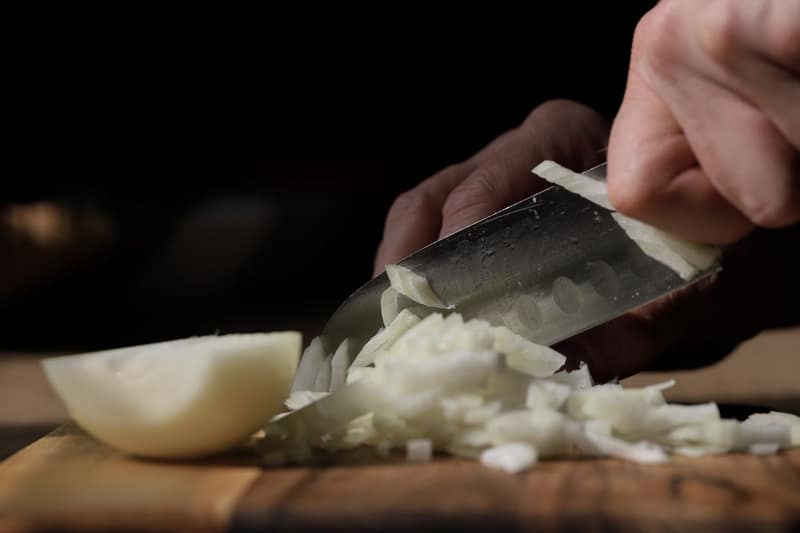
Add the onion (opens in a new tab), garlic (opens in a new tab) and ginger and keep boiling the bones vigorously for another 3–4 hours until the broth turns milky white (or cook at high pressure for 2 hours). Strain and skim off the fat.
- 240 min
- medium-high heat
- Pressure cooker (opens in a new tab)
A rolling boil, not a gentle simmer, emulsifies the collagen and fat into the white broth.
Step 4
Slice the brisket thinly and pick the meat from the shanks. Reheat the broth to boiling, add the meat and serve in deep bowls with salt, pepper (opens in a new tab) and spring onion (opens in a new tab) on the table for each diner to season.
- 15 min
How it looks · Photo: Christina & Peter on Pexels
About this dish
- Origin
- Seoul, South Korea · Well documentedMore food from South Korea
- Dish
- Breakfast · Lunch · Dinner · Soups · Main courses
- Cooking method
- Boiled, Simmered, Pressure-cooked
- Taste
- umami, rich, mild
- Diet
- No gluten ingredients · Dairy-free · No nut ingredients · Low-carb · High-proteinWithout the optional extras: Whole-food focused, Paleo-styleWorked out from the ingredients. How labels work
All labels
Non-vegetarian · No gluten ingredients · Dairy-free · Egg-free · No nut ingredients · No added sugar · Alcohol-free · Pork-free · Low-carb · High-protein · Low-fat · Low-sodium · Calorie-conscious - Good for
- Batch cooking · Freezer-friendly · Make-ahead
- Cook more with
- Beef shank (bone-in, cross-cut) · Beef chuck · Spring onion · Onion · Garlic · Fresh ginger
- Techniques
- Boiling · Simmering · Blanching · Pressure cooking
Allergens
- Contains, can be adapted: Fishfrom kimchi
- Contains, can be adapted: Crustaceansfrom kimchi
Based on typical versions of these ingredients and not verified allergen-free. Brands differ and cross-contact happens, so always check labels. For severe allergies, follow your clinician’s advice.
Nutrition
232 kcal per serving
Calculated1 serving ≈ 870 g · recipe makes 6
Where the energy comes from
- Protein 65%
- Carbohydrate 8%
- Fat 28%
| Nutrient | Per serving | Per 100 g* |
|---|---|---|
| Energy | 232 kcal | 27 kcal |
| Protein | 37 g | 4.2 g |
| Carbohydrate | 4.5 g | 0.5 g |
| Net carbohydrate | 3.7 g | 0.4 g |
| Sugars | — | — |
| Added sugars | 0 g | 0 g |
| Fibre | 0.8 g | 0.1 g |
| Fat | 7 g | 0.8 g |
| Saturated fat | 2.6 g | 0.3 g |
| Trans fat | — | — |
| Cholesterol | 86 mg | 10 mg |
| Sodium | 913 mg | 105 mg |
| Salt equivalent | 2.3 g | 0.3 g |
Vitamins & minerals per serving
- Potassium
- 712 mg
- Calcium
- 115 mg
- Iron
- 4 mg
- Magnesium
- 49 mg
- Vitamin A (RAE)
- 7 µg
- Vitamin C
- 5 mg
- Vitamin D
- —
- Vitamin B12
- 4.7 µg
- Folate (DFE)
- 19 µg
How these numbers were made
- Calculated from USDA FoodData Central (SR Legacy) per-100 g values and the listed quantities.
- *Per 100 g of combined raw ingredients; the cooked dish may weigh more or less.
- Optional ingredients are not included: short-grain rice, kimchi.
- “—” means the value isn’t known for enough of the ingredients; it is never zero by default.
- Values are estimates for guidance, not for medical dosing. U.S. Department of Agriculture, Agricultural Research Service. FoodData Central, 2019. fdc.nal.usda.gov.
Good to know
Tips
- Chill the broth overnight and lift off the solid fat for a cleaner bowl.
Common mistakes
- Simmering gently as for a clear stock — the broth stays clear; seolleongtang needs a hard boil to turn milky.
Serve with
- Serve with rice (added to the soup or on the side) and radish kimchi; some add thin wheat noodles.
Food safety
- Cool the broth quickly (divide it and stand in cold water), refrigerate within 2 hours and reheat to a full boil.
Storage
- Broth keeps 4 days chilled or 3 months frozen.
Reheating
- Bring to a full boil before serving.
Original editorial recipe · FriendsPantry editorial · Not yet independently reviewed · Added · Updated
Recipe DNA
How this dish is built
Grouped by each ingredient’s role in the dish. Each band’s width is its share of the dish by weight. Choose a component to see what it does.
What the dish is built around
Main ingredient
- Beef shank (bone-in, cross-cut), bone-in, plus any marrow or knuckle bones you can get1500 g
- Beef chuck, brisket in one piece500 g
- Spring onion, finely sliced4 piece · 60 g
- Short-grain rice, cooked, to serve (optional)300 g
- Kimchi (optional)200 g
Reviews & corrections
Reviews come from signed-in cooks and appear after a moderator checks them. We never show made-up ratings.
You might also like
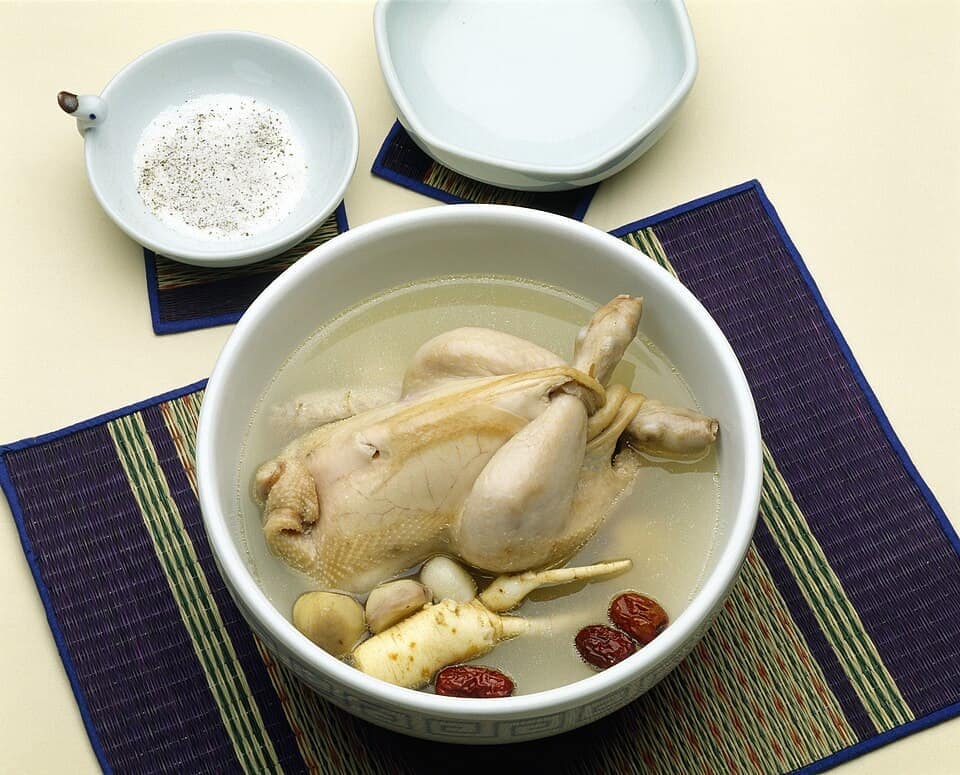
Samgyetang
 Korean · 2 h · 905 kcal
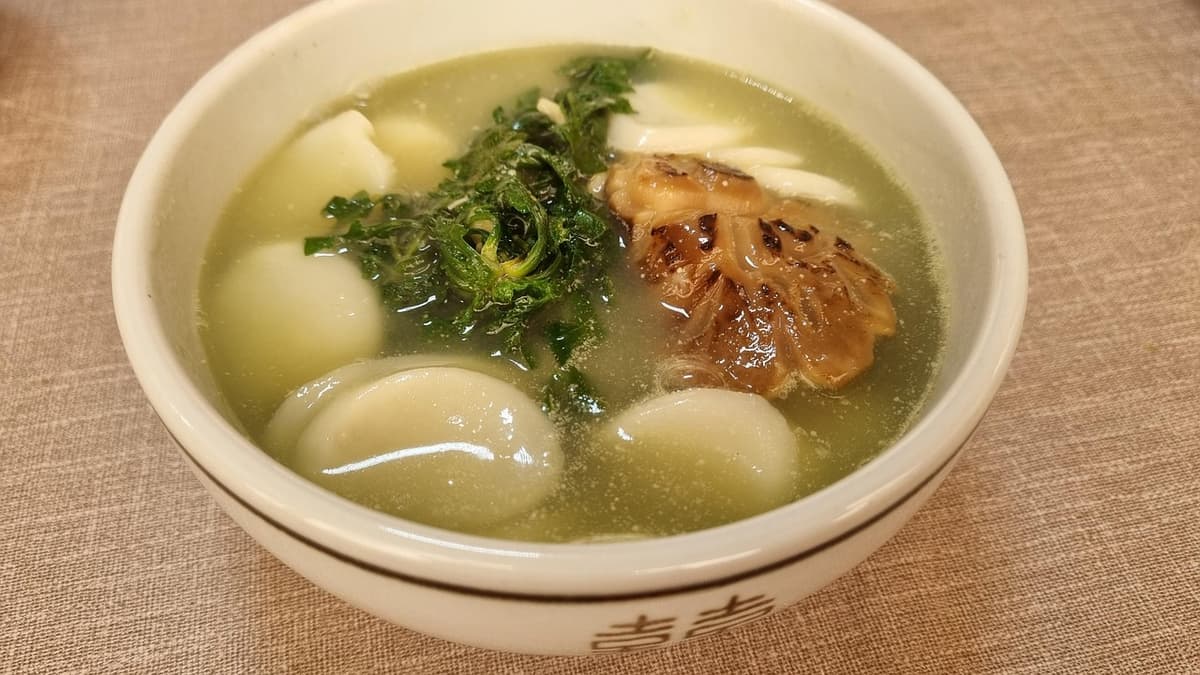
Tteokguk (rice cake soup)
Korean · 1 h · 522 kcal
Sundubu jjigae
Korean · 30 min · 508 kcal
Kimchi jjigae
Korean · 40 min · 426 kcal