
Canja de galinha
Non-vegetarian
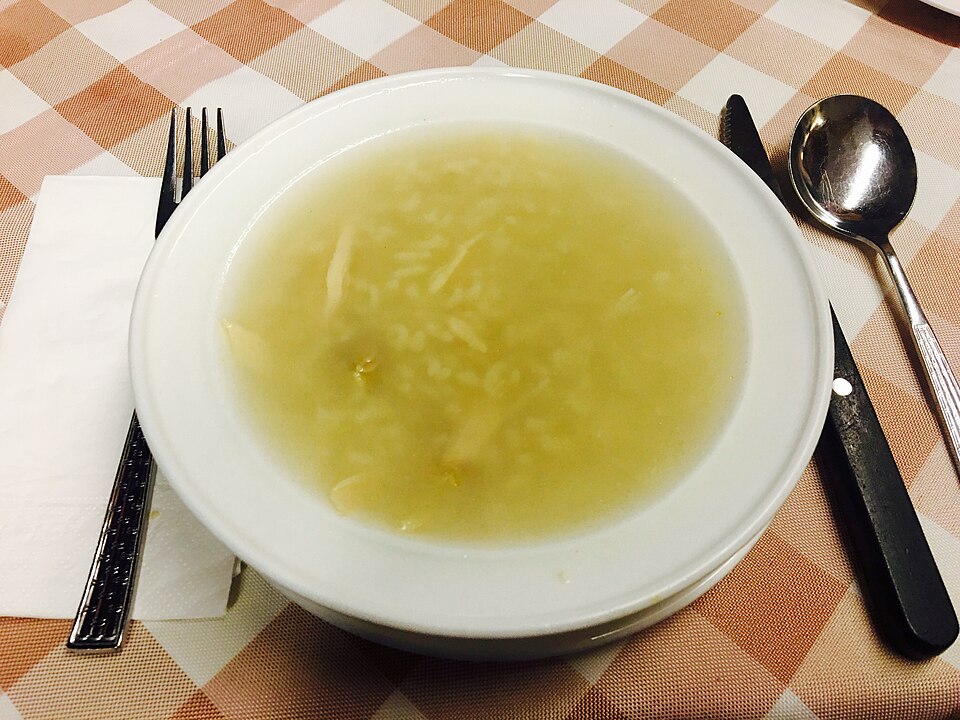
Portugal's comforting chicken and rice soup: a clear, lemony broth with tender shredded chicken, soft rice and fresh mint — the classic food for convalescents.
Canja de galinha is a Portuguese soup from Portugal, ready in about 1 hour 25 minutes and made with chicken pieces, skin-on, long-grain white rice and mint. It serves 6 and is rated beginner to cook.
- Prep
- 10 min
- Cook
- 1 h 15 min
- Total
- 1 h 25 min
- Serves
- 6
- Level
- Beginner
- Calories
- 315
Method
Step 1
Put the chicken, water, onion (opens in a new tab), carrot (opens in a new tab), bay and salt in a pot. Bring slowly to the boil, skim, then simmer gently until the chicken is very tender.
- 50 min
- low heat
- Stockpot / large pot (opens in a new tab)
Food safety: Wash hands and surfaces after handling raw chicken.
Step 2
Lift out the chicken and discard the onion (opens in a new tab), carrot (opens in a new tab) and bay. Shred the meat, discarding skin and bones.
- 10 min
Step 3
Bring the broth back to the boil, add the rice and simmer until very soft, about 15 minutes. Return the chicken and heat through.
- 15 min
- medium-low heat
Food safety: Reheat the chicken until piping hot.
Step 4
Stir in the lemon juice (opens in a new tab) and pepper (opens in a new tab), taste for salt and serve with mint (opens in a new tab) leaves in each bowl.
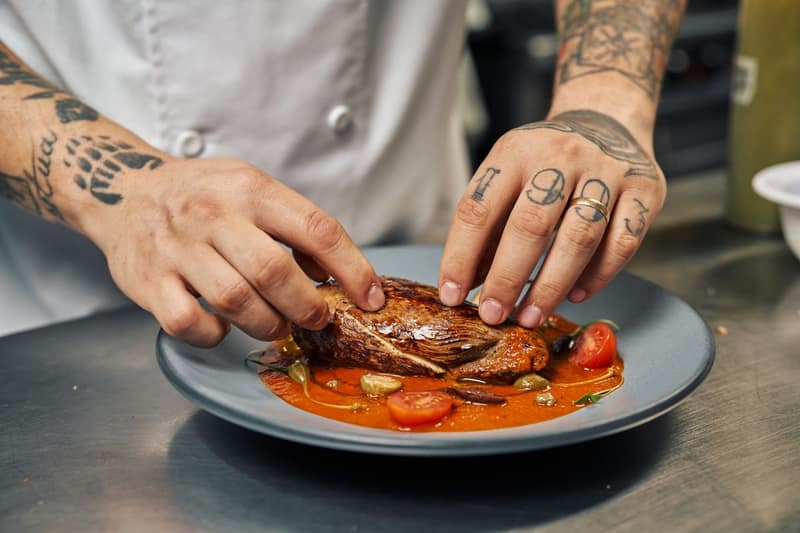
How it looks · Photo: Willians Huerta on Pexels
About this dish
- Origin
- Portugal · Commonly attributedEaten throughout the Portuguese-speaking world. The name is often linked to the rice gruels (kanji) Portuguese sailors met in India, but that link is not certain.Also popular in Brazil, Cabo VerdeMore food from Portugal
- Dish
- Lunch · Dinner · Soups
- Cooking method
- Simmered, Poached, Boiled
- Taste
- mild, savoury, fresh, citrusy
- Diet
- No gluten ingredients · Dairy-free · No nut ingredients · Low-carb · High-proteinWorked out from the ingredients. How labels work
All labels
Non-vegetarian · No gluten ingredients · Dairy-free · Egg-free · No nut ingredients · No added sugar · Alcohol-free · Pork-free · Beef-free · Low-carb · High-protein · Calorie-conscious - Good for
- One-pot · Budget-friendly · Child-friendly · Freezer-friendly
- Cook more with
- Chicken pieces, skin-on · Long-grain white rice · Mint · Onion · Bay leaves · Lemon juice
Allergens
None of the 14 major allergens appear in the listed ingredients.
Based on typical versions of these ingredients and not verified allergen-free. Brands differ and cross-contact happens, so always check labels. For severe allergies, follow your clinician’s advice.
Nutrition
315 kcal per serving
Calculated1 serving ≈ 487 g · recipe makes 6
Where the energy comes from
- Protein 28%
- Carbohydrate 23%
- Fat 48%
| Nutrient | Per serving | Per 100 g* |
|---|---|---|
| Energy | 315 kcal | 65 kcal |
| Protein | 21.8 g | 4.5 g |
| Carbohydrate | 18.1 g | 3.7 g |
| Net carbohydrate | 17.5 g | 3.6 g |
| Sugars | 0.9 g | 0.2 g |
| Added sugars | 0 g | 0 g |
| Fibre | 0.6 g | 0.1 g |
| Fat | 16.5 g | 3.4 g |
| Saturated fat | 4.7 g | 1 g |
| Trans fat | 0.1 g | 0 g |
| Cholesterol | 81 mg | 17 mg |
| Sodium | 861 mg | 177 mg |
| Salt equivalent | 2.2 g | 0.4 g |
Vitamins & minerals per serving
- Potassium
- 261 mg
- Calcium
- 56 mg
- Iron
- 1.9 mg
- Magnesium
- 36 mg
- Vitamin A (RAE)
- 45 µg
- Vitamin C
- 5 mg
- Vitamin D
- 0.2 µg
- Vitamin B12
- 0.3 µg
- Folate (DFE)
- 89 µg
How these numbers were made
- Calculated from USDA FoodData Central (SR Legacy) per-100 g values and the listed quantities.
- *Per 100 g of combined raw ingredients; the cooked dish may weigh more or less.
- Optional ingredients are not included: carrot, black pepper.
- “—” means the value isn’t known for enough of the ingredients; it is never zero by default.
- Values are estimates for guidance, not for medical dosing. U.S. Department of Agriculture, Agricultural Research Service. FoodData Central, 2019. fdc.nal.usda.gov.
Good to know
Tips
- Some cooks also cook the chicken giblets in the broth for extra depth.
Common mistakes
- Adding the mint to the pot to simmer — it turns dark and loses its freshness; put the leaves in the bowls.
Serve with
- A light starter before a Portuguese Sunday lunch, or a meal in itself when someone is unwell.
Storage
- Keeps 3 days chilled; freezes well.
Reheating
- The rice keeps absorbing broth — add water when reheating.
Variations
- Brazilian canja (Brazil): Often thicker, with diced carrot, potato and parsley or spring onion.
- Cabo Verdean canja (Cabo Verde): Made with rice and often a little more richness for festive occasions.
Original editorial recipe · FriendsPantry editorial · Not yet independently reviewed · Added · Updated
Recipe DNA
How this dish is built
Grouped by each ingredient’s role in the dish. Each band’s width is its share of the dish by weight. Choose a component to see what it does.
What the dish is built around
Main ingredient
- Chicken pieces, skin-on, legs or a small boiling fowl, jointed1000 g
- Carrot, halved (optional)1 piece · 60 g
- Long-grain white rice, medium-grain, rinsed120 g
Reviews & corrections
Reviews come from signed-in cooks and appear after a moderator checks them. We never show made-up ratings.
You might also like
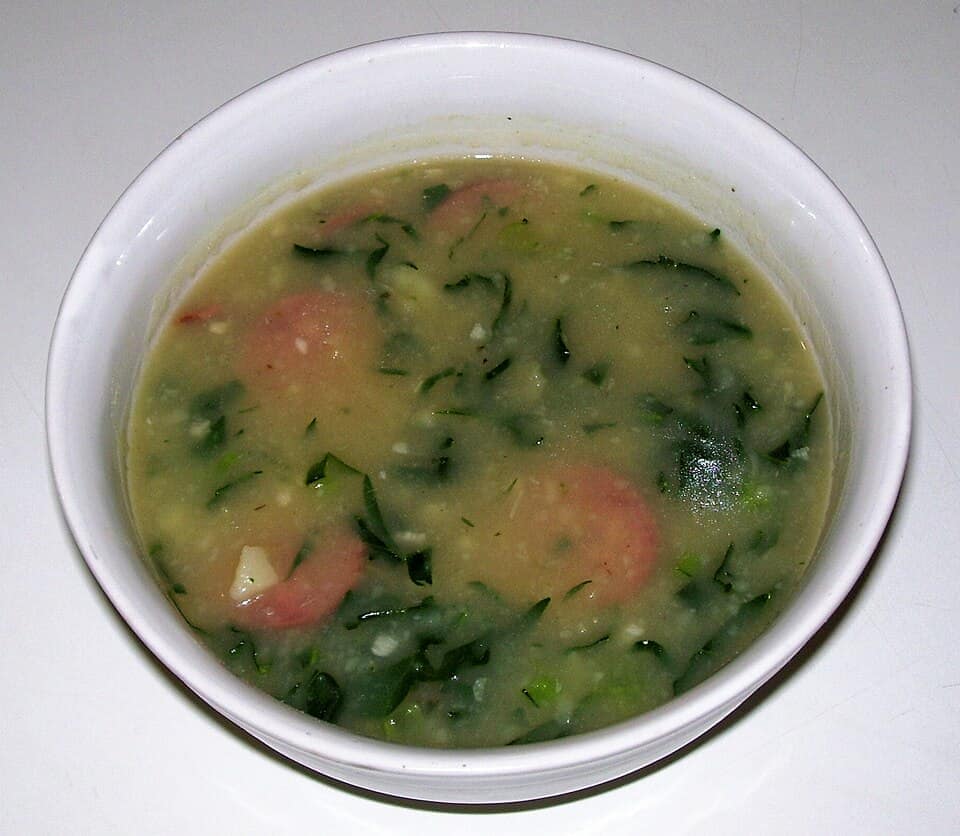
Caldo verde
 Portuguese · 50 min · 220 kcal
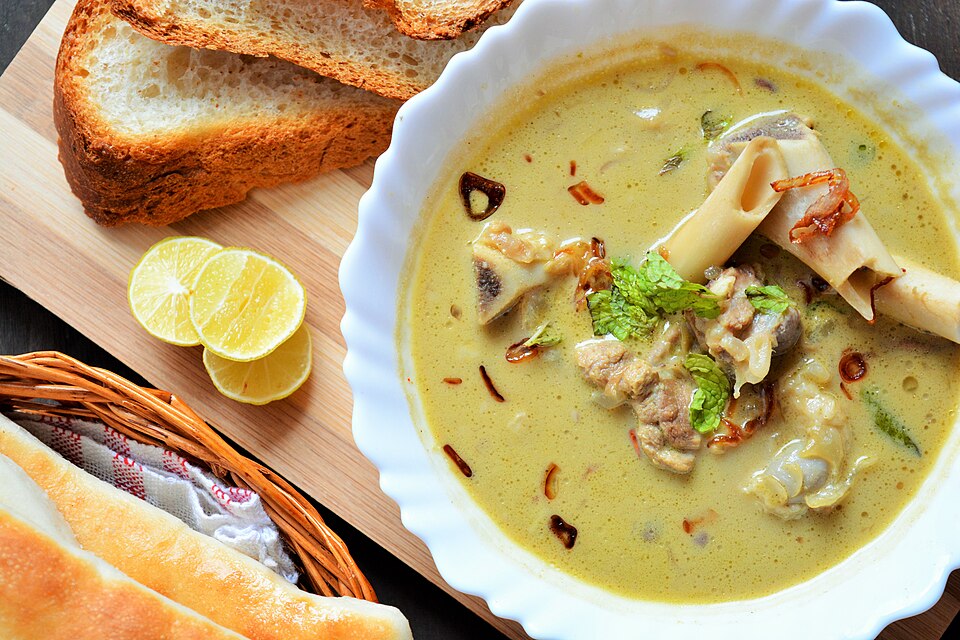
Hyderabadi marag
 Indian · 1 h 25 min · 213 kcal
Chicken biryani
Indian · 2 h 55 min · 681 kcal
Açorda alentejana
Portuguese · 20 min · 365 kcal · Contains egg