
Thenthuk
Vegetarian
འཐེན་ཐུག · then thuk
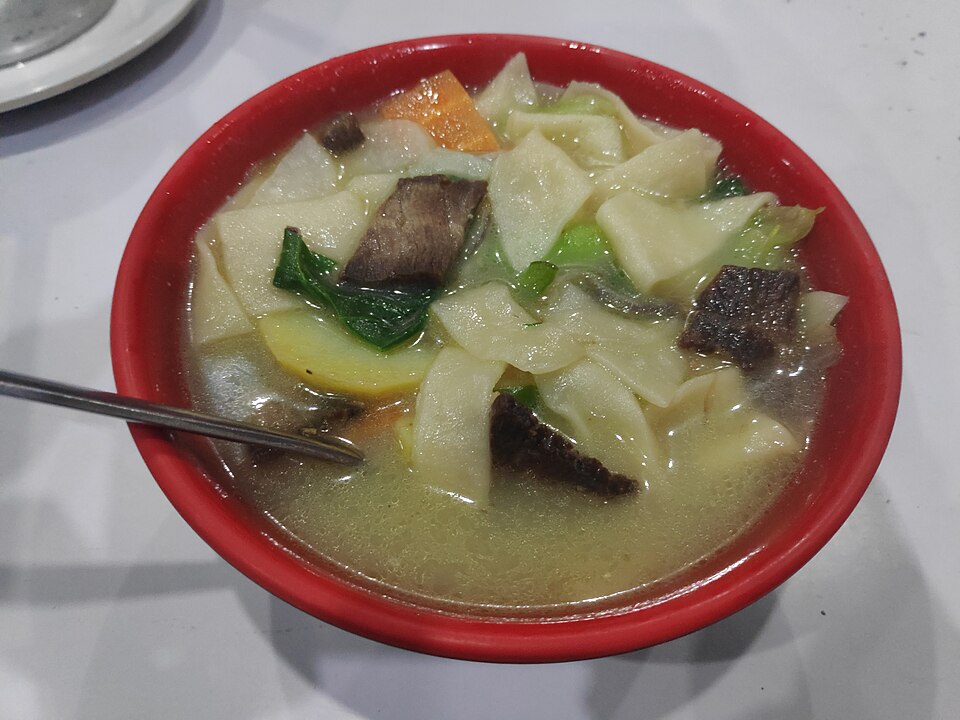
A Tibetan-style soup of hand-pulled flat noodle pieces torn straight into a gingery broth with radish, spinach and tomato. A staple across Ladakh and the Himalaya.
Thenthuk is an Indian soup, ready in about 1 hour 15 minutes and made with all-purpose flour, onion and garlic. It serves 4 and is rated intermediate to cook.
- Prep
- 15 min
- Cook
- 30 min
- Rest
- 30 min
- Total
- 1 h 15 min
- Serves
- 4
- Level
- Intermediate
- Calories
- 340
Method
Step 1
Mix the flour and salt with enough water to make a firm, smooth dough. Knead for 5 minutes, divide into 4 logs, brush with a little oil and rest, covered, for 30 minutes.
- 8 min

How it looks · Photo: Klaus Nielsen on Pexels Step 2
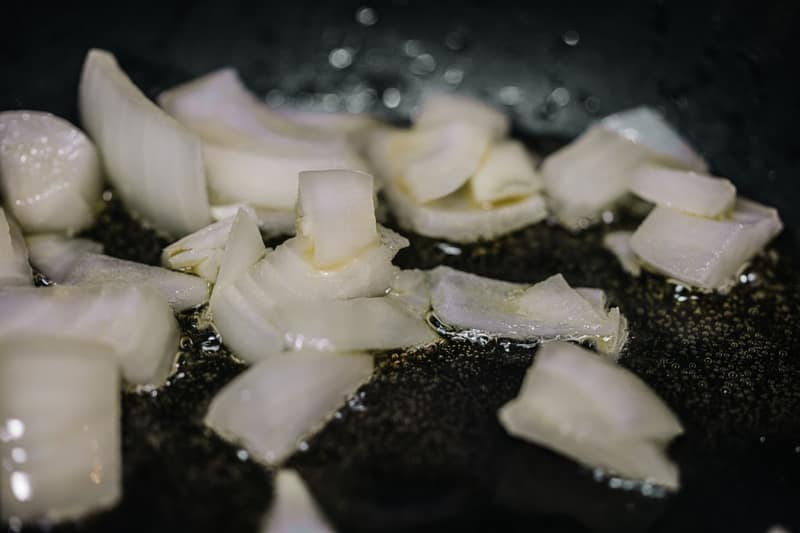
Heat the oil in a large pot and fry the onion (opens in a new tab) until soft, then the garlic (opens in a new tab) and ginger. Add the tomatoes (opens in a new tab) and cook until they break down.
- 8 min
- medium heat
- Stockpot / large pot (opens in a new tab)
How it looks · Photo: Magda Ehlers on Pexels Step 3
Add the radish, stock and soy sauce (opens in a new tab) and bring to a steady boil.
- 6 min
- medium-high heat
Step 4
Flatten each dough log into a long strip about 3 cm wide. Pull the strip thin and tear off thumb-sized pieces directly into the boiling soup. Cook until the pieces float and are tender.
- 8 min
- medium-high heat
Work quickly so the first and last pieces cook evenly.
Step 5
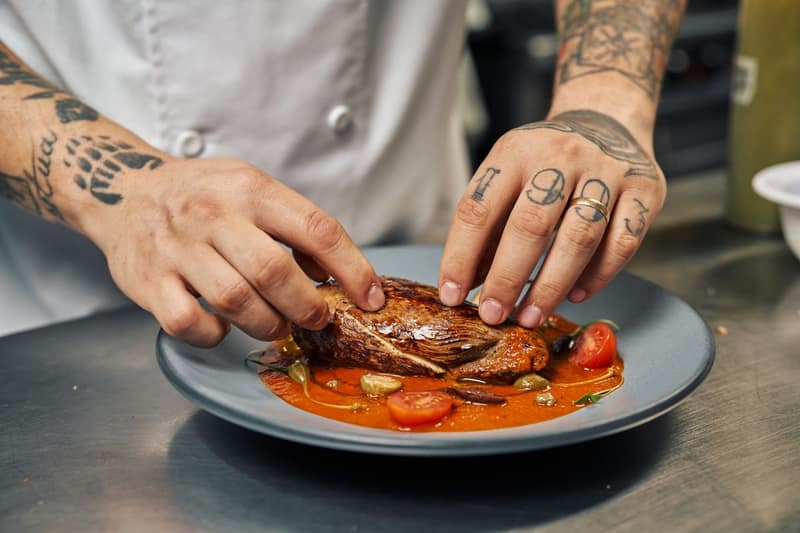
Add the spinach (opens in a new tab) and spring onion (opens in a new tab) for a minute and serve with chilli flakes (opens in a new tab).
- 1 min
How it looks · Photo: Willians Huerta on Pexels
About this dish
- Origin
- Tibetan Plateau; widely eaten in Ladakh and Sikkim · Commonly attributedA Tibetan dish, everyday food in Ladakh, Sikkim, Himachal's Tibetan settlements and Nepal.Also popular in India, Nepal, China, Bhutan
- Dish
- Lunch · Dinner · Soups · Noodles · Main courses
- Cooking method
- Simmered, Boiled
- Taste
- savoury, garlicky, mild, umami
- Diet
- Vegan · Dairy-free · No nut ingredientsWorked out from the ingredients. How labels work
All labels
Vegan · Plant-based · Vegetarian (lacto-ovo) · Eggetarian · Lacto-vegetarian · Ovo-vegetarian · Pescatarian · Flexitarian-friendly · Dairy-free · Egg-free · No nut ingredients · No added sugar · Alcohol-free · Pork-free · Beef-free · Low-fat - Good for
- One-pot · Budget-friendly
- Cook more with
- All-purpose flour · Onion · Garlic · Fresh ginger · Tomato · Daikon
Allergens
- Contains: Wheatfrom all-purpose flour, soy sauce
- Contains: Glutenfrom all-purpose flour, vegetable stock, soy sauce
- Contains: Soyfrom soy sauce
- May contain: Celeryfrom vegetable stock
Based on typical versions of these ingredients and not verified allergen-free. Brands differ and cross-contact happens, so always check labels. For severe allergies, follow your clinician’s advice.
Nutrition
340 kcal per serving
Calculated1 serving ≈ 649 g · recipe makes 4
Where the energy comes from
- Protein 12%
- Carbohydrate 72%
- Fat 17%
| Nutrient | Per serving | Per 100 g* |
|---|---|---|
| Energy | 340 kcal | 52 kcal |
| Protein | 10 g | 1.5 g |
| Carbohydrate | 61.4 g | 9.5 g |
| Net carbohydrate | 56.9 g | 8.8 g |
| Sugars | 6.3 g | 1 g |
| Added sugars | 0 g | 0 g |
| Fibre | 4.5 g | 0.7 g |
| Fat | 6.4 g | 1 g |
| Saturated fat | 0.7 g | 0.1 g |
| Trans fat | — | — |
| Cholesterol | 0 mg | 0 mg |
| Sodium | 1451 mg | 224 mg |
| Salt equivalent | 3.6 g | 0.6 g |
Vitamins & minerals per serving
- Potassium
- 638 mg
- Calcium
- 90 mg
- Iron
- 4.6 mg
- Magnesium
- 63 mg
- Vitamin A (RAE)
- 215 µg
- Vitamin C
- 31 mg
- Vitamin D
- 0 µg
- Vitamin B12
- 0 µg
- Folate (DFE)
- 271 µg
How these numbers were made
- Calculated from USDA FoodData Central (SR Legacy) per-100 g values and the listed quantities.
- *Per 100 g of combined raw ingredients; the cooked dish may weigh more or less.
- Optional ingredients are not included: red chilli flakes.
- “—” means the value isn’t known for enough of the ingredients; it is never zero by default.
- Values are estimates for guidance, not for medical dosing. U.S. Department of Agriculture, Agricultural Research Service. FoodData Central, 2019. fdc.nal.usda.gov.
Good to know
Tips
- Oil the dough logs before resting so they stretch thin without tearing.
Common mistakes
- Tearing the noodles thick — they stay doughy in the middle.
Serve with
- Eat steaming hot with a spoon of chilli sauce or sepen.
Storage
- Best eaten fresh; the noodles soak up broth on standing.
Reheating
- Add hot water or stock when reheating.
Variations
- Meat thenthuk: Simmer thin slices of mutton or beef in the broth before adding the noodles.
Original editorial recipe · FriendsPantry editorial · Not yet independently reviewed · Added · Updated
Recipe DNA
How this dish is built
Built from the recipe’s own sections. Each band’s width is its share of the dish by weight. Choose a component to see what it does.
The spice and seasoning backbone
Spices, masalas & pastes
- Red chilli flakes (optional)0.5 tsp · 0.9 g
Reviews & corrections
Reviews come from signed-in cooks and appear after a moderator checks them. We never show made-up ratings.
You might also like
Ladakhi thukpa
 Indian · 1 h 35 min · 381 kcal
Skyu
Indian · 1 h 20 min · 298 kcal · Vegan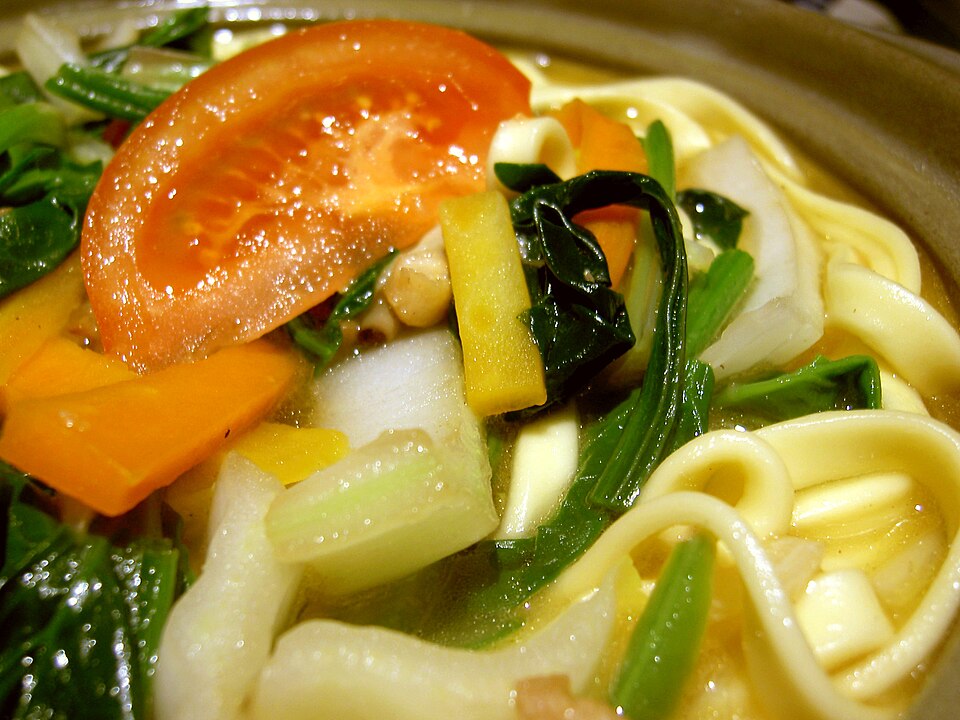
Chicken thukpa
 Nepalese · 45 min · 599 kcal
Gya thuk
Indian · 45 min · 521 kcal