
Samgyetang
Non-vegetarian
삼계탕 · samgyetang
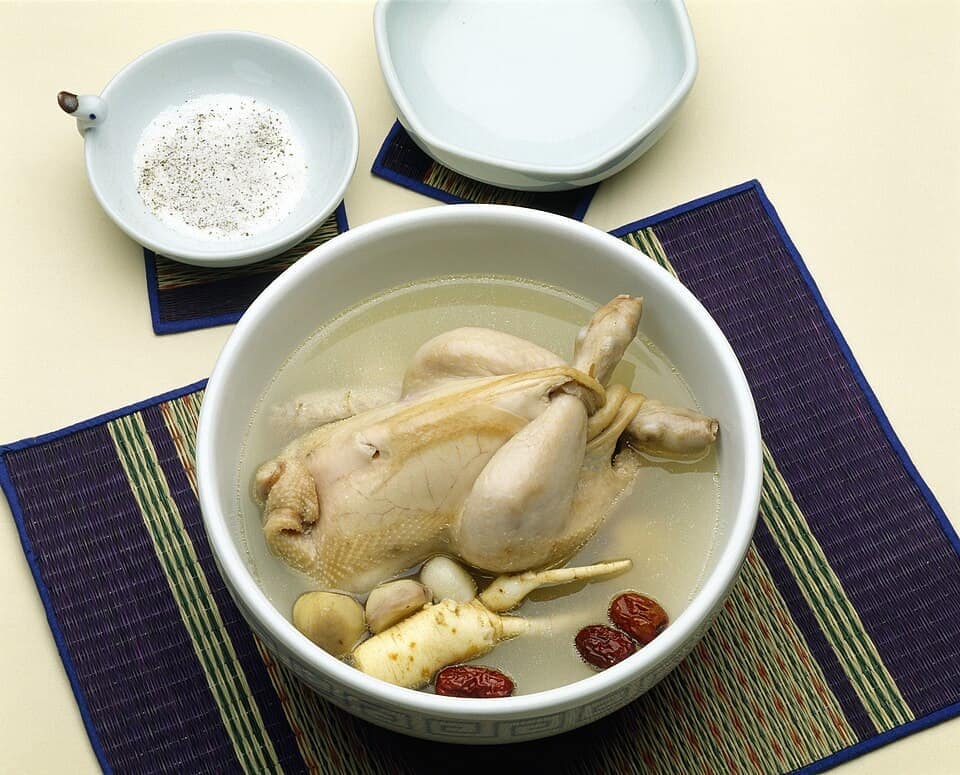
Small whole chickens stuffed with sticky rice, garlic and jujubes and simmered into a gentle, milky broth, traditionally with ginseng — eaten to beat summer heat.
Samgyetang is a Korean soup from South Korea, ready in about 2 hours and made with chicken pieces, skin-on and glutinous rice. It serves 2 and is rated intermediate to cook.
- Prep
- 20 min
- Cook
- 1 h 10 min
- Rest
- 30 min
- Total
- 2 h
- Serves
- 2
- Level
- Intermediate
- Calories
- 905
Method
Step 2
Rinse the chickens inside and out, removing excess fat around the cavity. Stuff each with rice, a few garlic cloves (opens in a new tab) and a jujube, then cross the legs and tie or tuck them to close the cavity.
- 10 min
Food safety: Wash hands, boards and sink thoroughly after handling raw chicken.
Step 3
Put the chickens in a pot with the remaining garlic (opens in a new tab) and jujubes, the ginseng, ginger and water. Bring to the boil, skim off the foam, then cover and simmer gently.
- 60 min
- low heat
- Stockpot / large pot (opens in a new tab)
Step 4
Check that the meat comes away from the bone easily and the rice inside is soft, then simmer 10 minutes more if needed.
- 10 min
Food safety: Chicken should reach 74 °C in the thickest part, and the stuffing must be hot throughout.
Step 5
Serve each chicken in a large bowl with plenty of broth, sprinkled with spring onion (opens in a new tab), with salt and pepper (opens in a new tab) on the side.

How it looks · Photo: Willians Huerta on Pexels
About this dish
- Origin
- South Korea · Well documentedMore food from South Korea
- Dish
- Lunch · Dinner · Soups · Main courses
- Cooking method
- Simmered, Boiled
- Taste
- mild, savoury, garlicky, earthy
- Diet
- No gluten ingredients · Dairy-free · No nut ingredients · High-proteinWorked out from the ingredients. How labels work
All labels
Non-vegetarian · No gluten ingredients · Dairy-free · Egg-free · No nut ingredients · No added sugar · Alcohol-free · Pork-free · Beef-free · High-protein · Low-sodium - Good for
- One-pot
- Cook more with
- Chicken pieces, skin-on · Glutinous rice · Garlic · Dried jujubes · Fresh ginger · Spring onion
- Techniques
- Boiling · Simmering · Stock making
Allergens
None of the 14 major allergens appear in the listed ingredients.
Based on typical versions of these ingredients and not verified allergen-free. Brands differ and cross-contact happens, so always check labels. For severe allergies, follow your clinician’s advice.
Nutrition
905 kcal per serving
Calculated1 serving ≈ 1415 g · recipe makes 2
Where the energy comes from
- Protein 29%
- Carbohydrate 21%
- Fat 50%
| Nutrient | Per serving | Per 100 g* |
|---|---|---|
| Energy | 905 kcal | 64 kcal |
| Protein | 65 g | 4.6 g |
| Carbohydrate | 46.4 g | 3.3 g |
| Net carbohydrate | 43.8 g | 3.1 g |
| Sugars | 0.6 g | 0 g |
| Added sugars | 0 g | 0 g |
| Fibre | 2.6 g | 0.2 g |
| Fat | 49.4 g | 3.5 g |
| Saturated fat | 14.1 g | 1 g |
| Trans fat | 0.3 g | 0 g |
| Cholesterol | 244 mg | 17 mg |
| Sodium | 1422 mg | 101 mg |
| Salt equivalent | 3.6 g | 0.3 g |
Vitamins & minerals per serving
- Potassium
- 803 mg
- Calcium
- 188 mg
- Iron
- 4.6 mg
- Magnesium
- 105 mg
- Vitamin A (RAE)
- 141 µg
- Vitamin C
- 31 mg
- Vitamin D
- 0.7 µg
- Vitamin B12
- 1 µg
- Folate (DFE)
- 33 µg
How these numbers were made
- Calculated from USDA FoodData Central (SR Legacy) per-100 g values and the listed quantities.
- *Per 100 g of combined raw ingredients; the cooked dish may weigh more or less.
- Optional ingredients are not included: ginseng root.
- “—” means the value isn’t known for enough of the ingredients; it is never zero by default.
- Values are estimates for guidance, not for medical dosing. U.S. Department of Agriculture, Agricultural Research Service. FoodData Central, 2019. fdc.nal.usda.gov.
Good to know
Tips
- Tie the legs firmly so the rice doesn't escape into the broth.
Common mistakes
- Overstuffing the cavity — the rice swells and can burst out.
- Boiling hard: a gentle simmer keeps the broth clear and the meat tender.
Serve with
- Serve with radish or cabbage kimchi.
Storage
- Refrigerate for up to 3 days.
Reheating
- Reheat gently until piping hot.
History
Eating samgyetang on the boknal days, the three hottest periods of the Korean summer, is a long-standing custom based on the idea of fighting heat with heat.
Confidence: Well documented
Original editorial recipe · FriendsPantry editorial · Not yet independently reviewed · Added · Updated
Recipe DNA
How this dish is built
Grouped by each ingredient’s role in the dish. Each band’s width is its share of the dish by weight. Choose a component to see what it does.
What the dish is built around
Main ingredient
- Chicken pieces, skin-on, 2 poussins or small whole chickens, about 500 g each1000 g
- Glutinous rice, soaked for 30 minutes and drained80 g
- Dried jujubes4 piece · 16 g
- Ginseng root, washed, root tip trimmed (optional)2 piece · 30 g
Reviews & corrections
Reviews come from signed-in cooks and appear after a moderator checks them. We never show made-up ratings.
You might also like
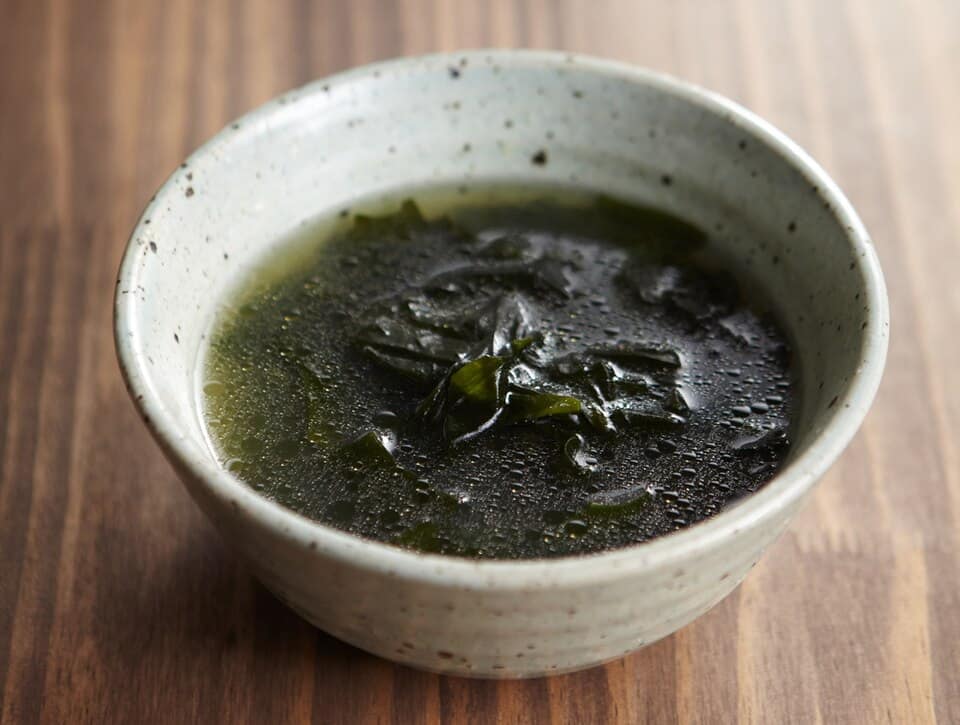
Miyeok guk
 Korean · 50 min · 110 kcal
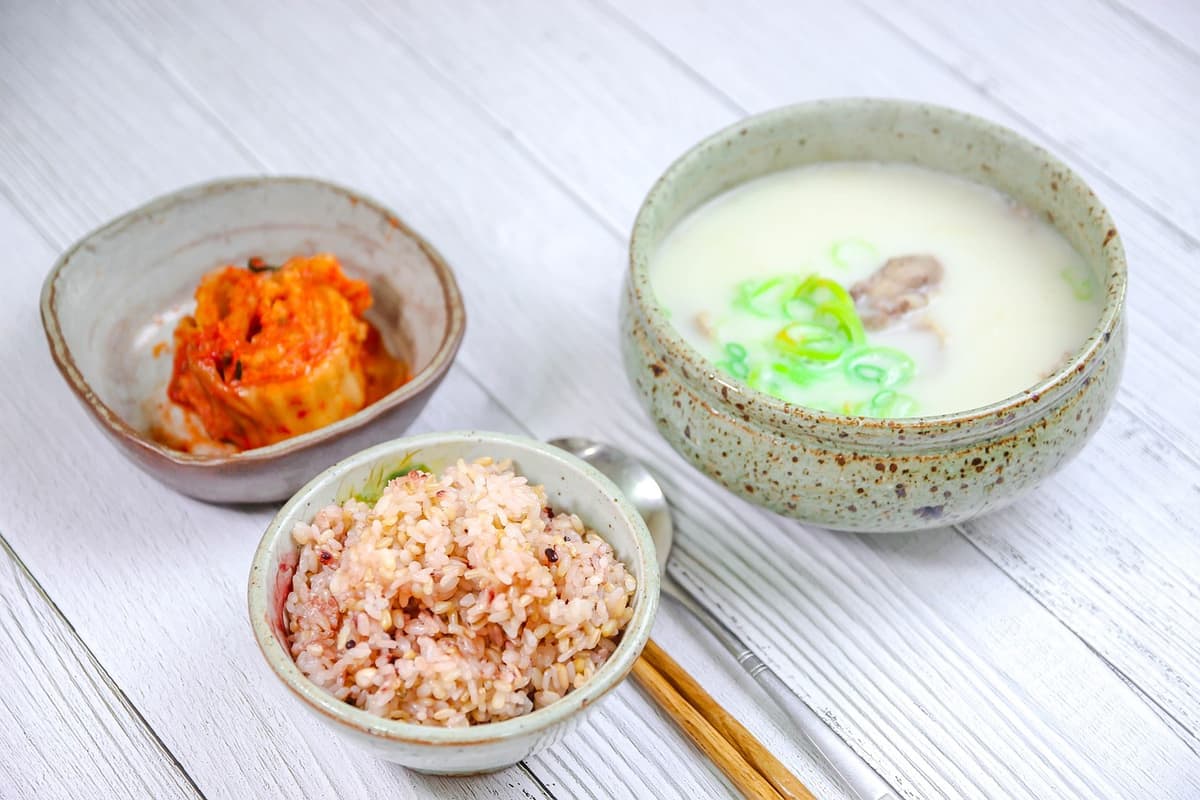
Seolleongtang
Korean · 6 h 20 min · 232 kcal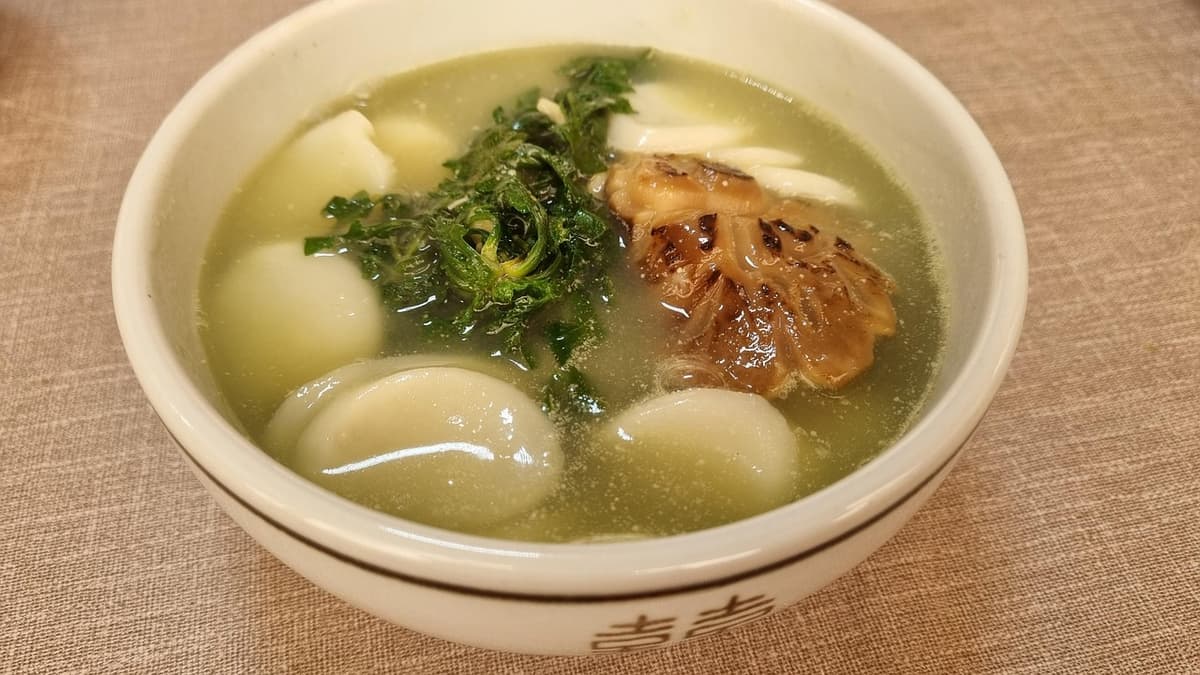
Tteokguk (rice cake soup)
Korean · 1 h · 522 kcal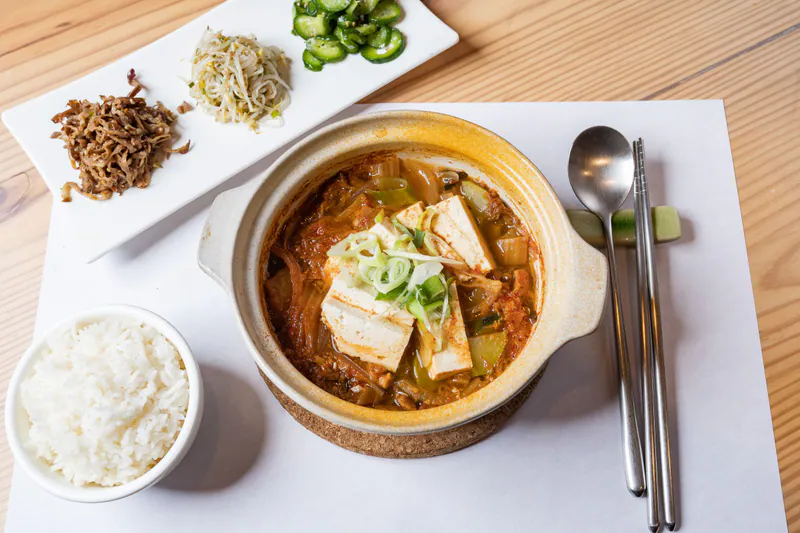
Sundubu jjigae
Korean · 30 min · 508 kcal