
Sauces, pastes & condiments · Soy & fermented sauces
Soy sauce
Salty, savoury brewed sauce of fermented soybeans and wheat, the backbone seasoning of East and South-East Asian cooking.
Also called: shoyu, light soy sauce, dark soy sauce, kecap asin, toyo, ganjang
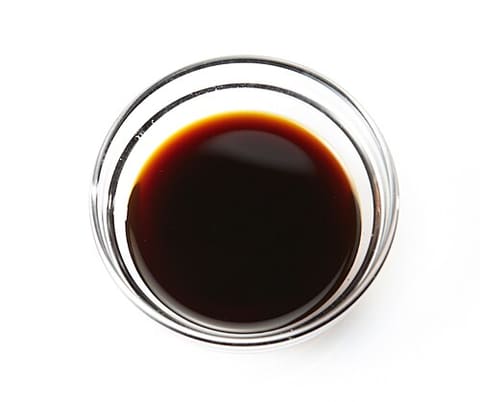
Photo: 국립국어원, via Wikimedia Commons (CC-BY-SA-2.0)
What it is
A dark brown liquid made by fermenting soybeans, roasted wheat, salt and mould culture, then pressing and pasteurising. Light (thin) soy is saltier and used for seasoning; dark soy is aged longer, often thickened with molasses, and used mainly for colour. Japanese shoyu is usually brewed with roughly equal soy and wheat; tamari is the wheat-free or low-wheat style.
How it’s used
- Seasoning stir-fries, fried rice and noodles
- Marinades for chicken, beef and tofu
- Dipping sauces for dumplings and sushi
- Braises such as red-cooked pork (dark soy for colour)
- A savoury splash in dressings and soups
Characteristics
- Taste
- Very salty and deeply savoury (umami), with a slight sweetness and roasted, fermented depth.
- Aroma
- Malty, fermented and faintly caramel-like.
- Appearance
- Thin, translucent reddish-brown; dark soy is almost black and slightly syrupy.
- When cooked
- Caramelises and can burn on very high heat; reduces to a glaze. Adds salt, so cut back on added salt.
- Sold as
- liquid, fermented
- Cooking uses
- Mainly a seasoning, Commonly cooked
- Common in
- Chinese, Japanese, Korean, Filipino, Vietnamese, Thai, Malaysian, Indonesian
Varieties
- Light (thin) soy sauce
- Dark soy sauce
- Japanese shoyu (koikuchi, usukuchi)
- Low-sodium soy sauce
- Korean ganjang
Kinds in our pantry
Storage
Pantry-stable. Keep closed in a cool cupboard; refrigerating after opening keeps the flavour brighter for longer. It darkens and tastes harsher as it oxidises.
Diet, allergens and safety
Contains Soy, Wheat, Gluten.
- Vegetarian
- Vegan
- Dairy-free
- Egg-free
- Gluten-free
- Nut-free
- Soy-free
- Caffeine-free
- Contains soy and wheat (gluten). Not suitable for coeliacs unless labelled gluten-free; use certified tamari instead.
Nutrition per 100 g
- Energy
- 53 kcal
- Protein
- 8.14 g
- Carbohydrate
- 4.93 g
- Fat
- 0.57 g
- Fibre
- 0.8 g
- Sugars
- 0.4 g
USDA FoodData Central: Soy sauce made from soy and wheat (shoyu).
Substitutes
Optional — what works if you don’t have it, and how it changes the dish.
- Tamari — Closest swap and suits wheat-free cooking; use the same amount.
- Coconut aminos — Soy- and wheat-free, but much sweeter and less salty; use more and add salt.
Related ingredients
- VarietyTamariWheat-free or low-wheat Japanese style; richer and less sharp.
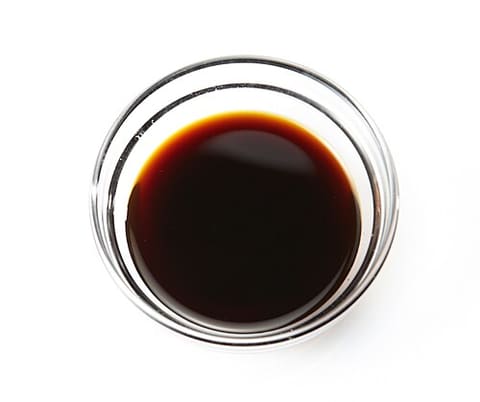 VarietyKecap manis (sweet soy sauce)Indonesian sweet soy thickened with palm sugar.
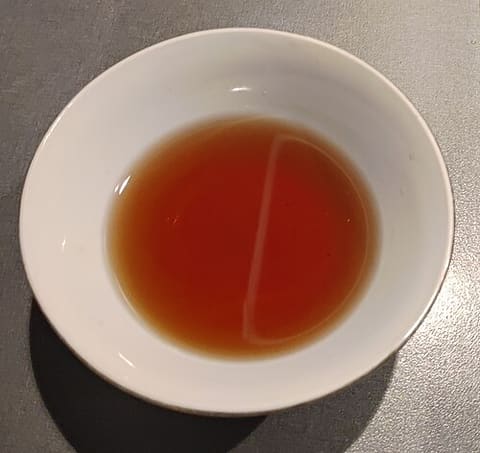 AlternativeFish sauceAnother salty umami seasoning, but fishy rather than malty.
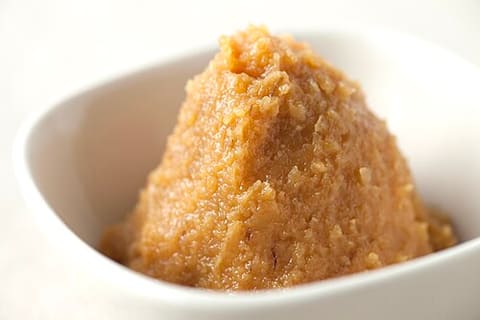 SimilarMisoFermented soybean paste rather than a liquid.
 Goes well withOyster sauceOften combined in Cantonese stir-fry sauces.
Recipes with soy sauce
See all 172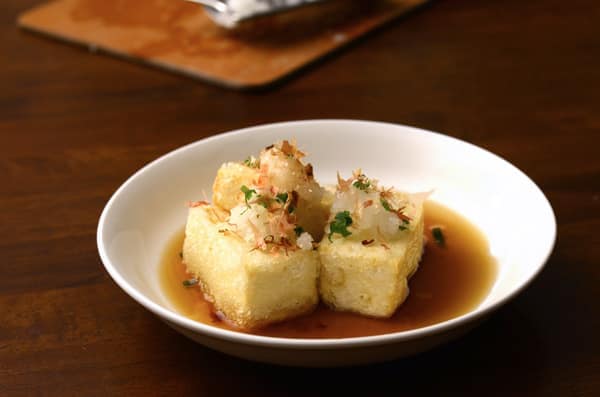
Agedashi tofu
 Japanese · 30 min · 329 kcal
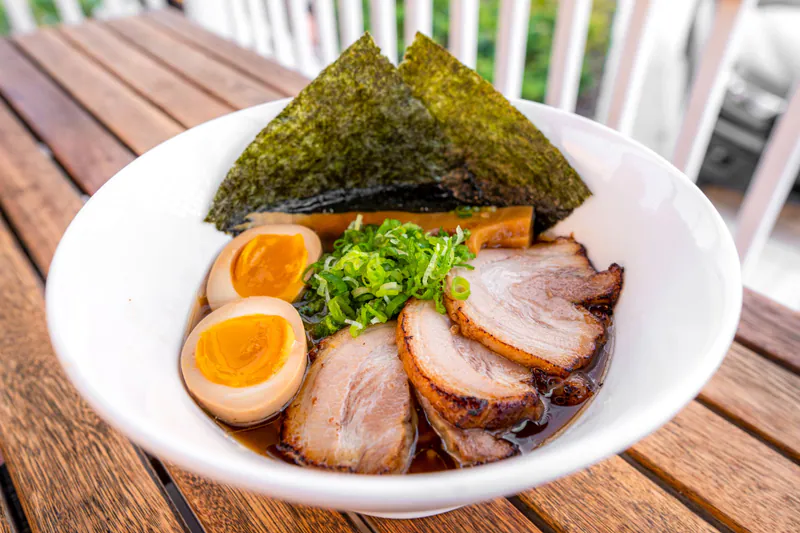
Ajitsuke tamago (ramen eggs)
Japanese · 6 h 20 min · 116 kcal · Contains eggAussie meat pie
 Australian · 2 h 50 min · 596 kcal
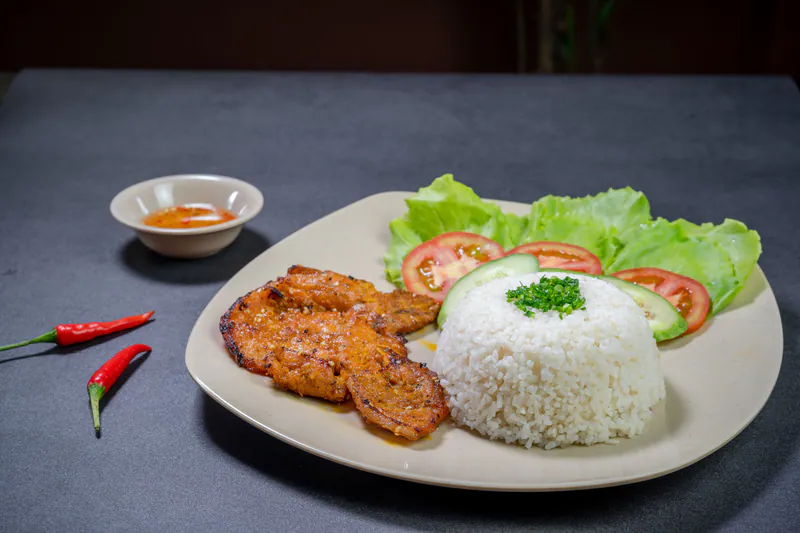
Bai sach chrouk
 Cambodian · 1 h 50 min · 724 kcal
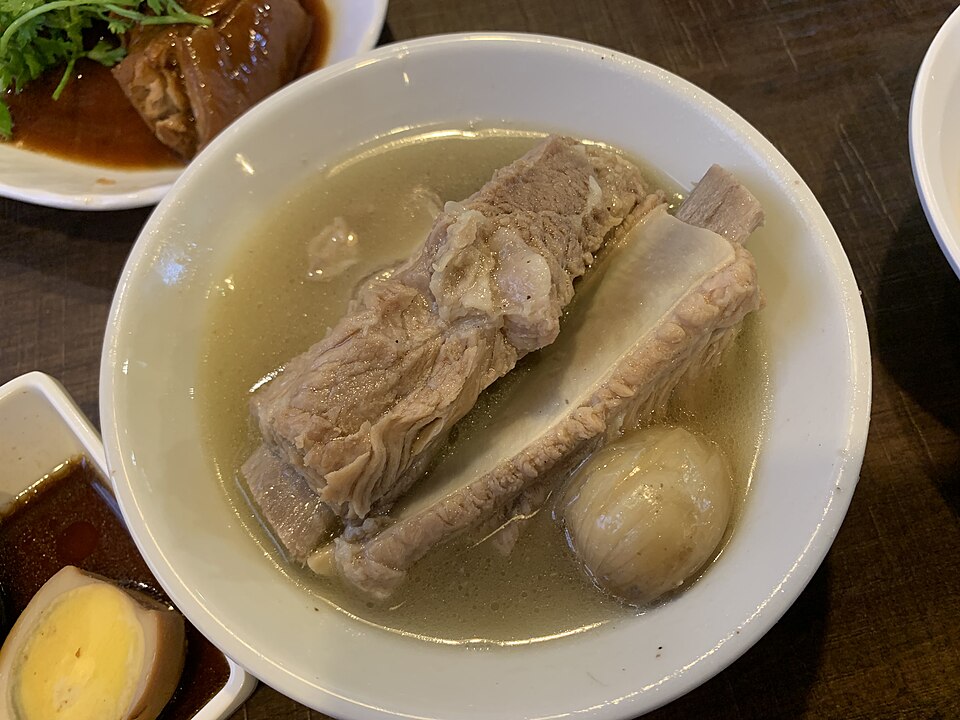
Bak kut teh (peppery Teochew style)
 Singaporean · 2 h 15 min · 739 kcal
Bang bang chicken
 Sichuan · 50 min · 224 kcal
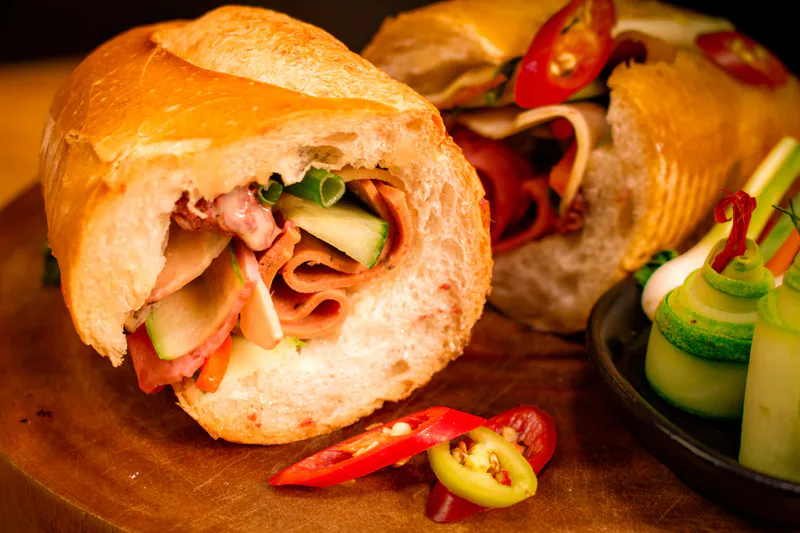
Bánh mì thịt nướng
 Vietnamese · 1 h 40 min · 656 kcal
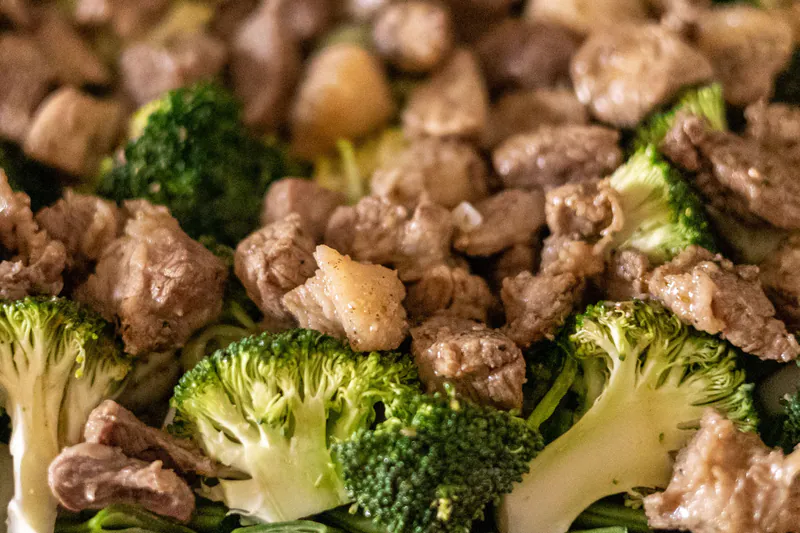
Beef and broccoli stir-fry
Cantonese · 30 min · 309 kcal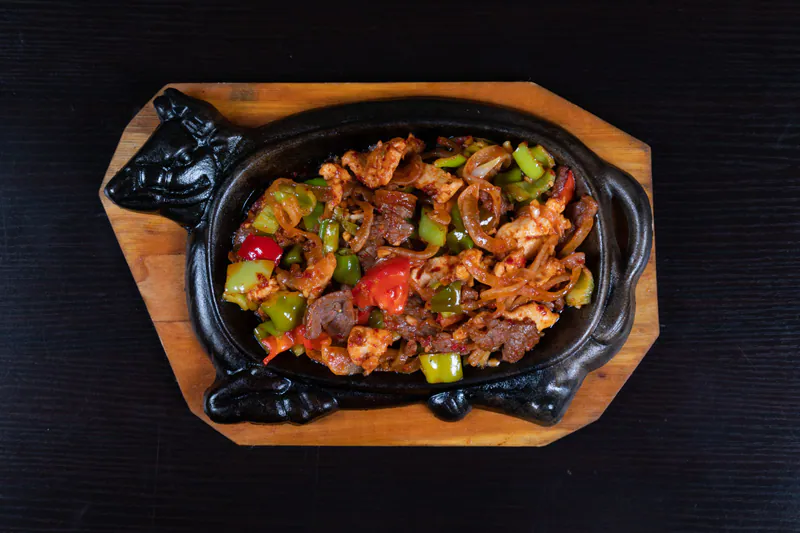
Beef and Pepper Stir-Fry
International · 23 min · 371 kcal
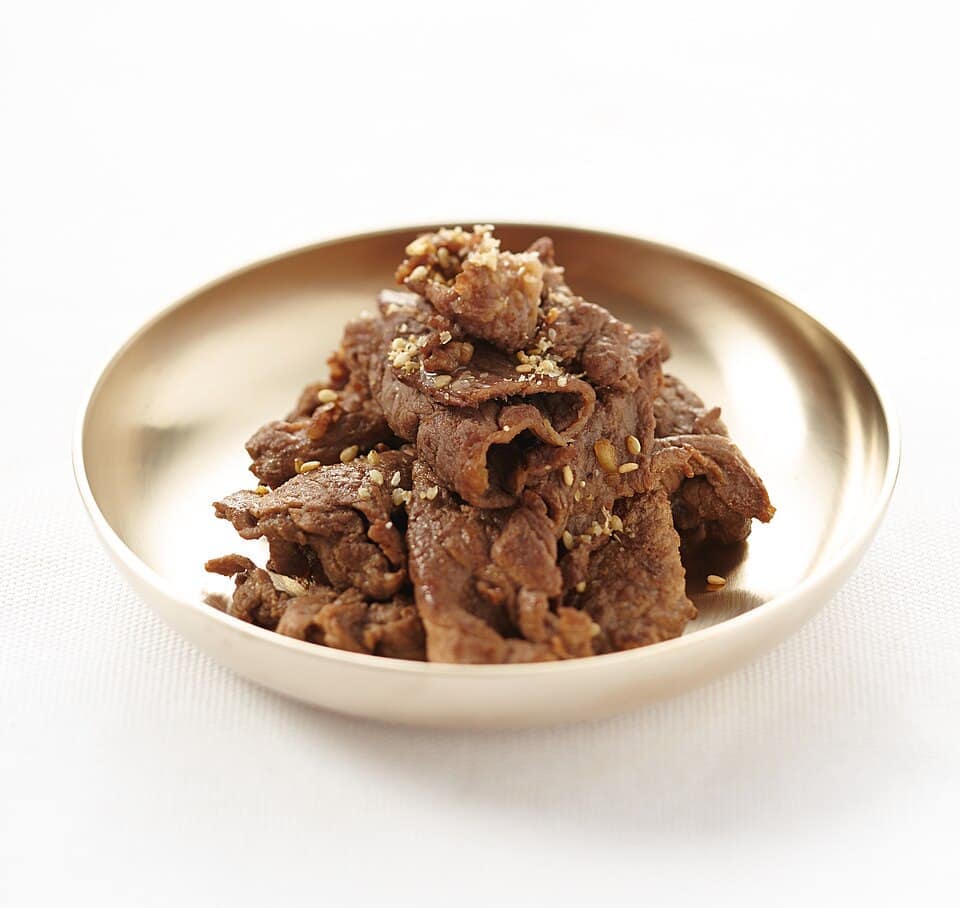
Beef bulgogi
 Korean · 55 min · 288 kcal
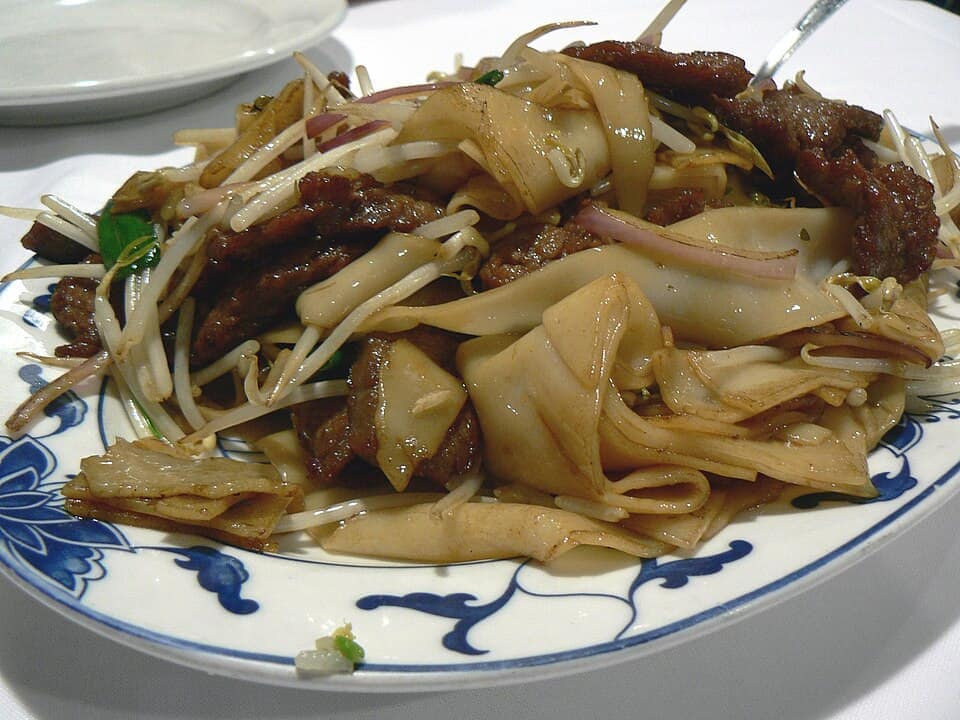
Beef chow fun
Cantonese · 30 min · 772 kcal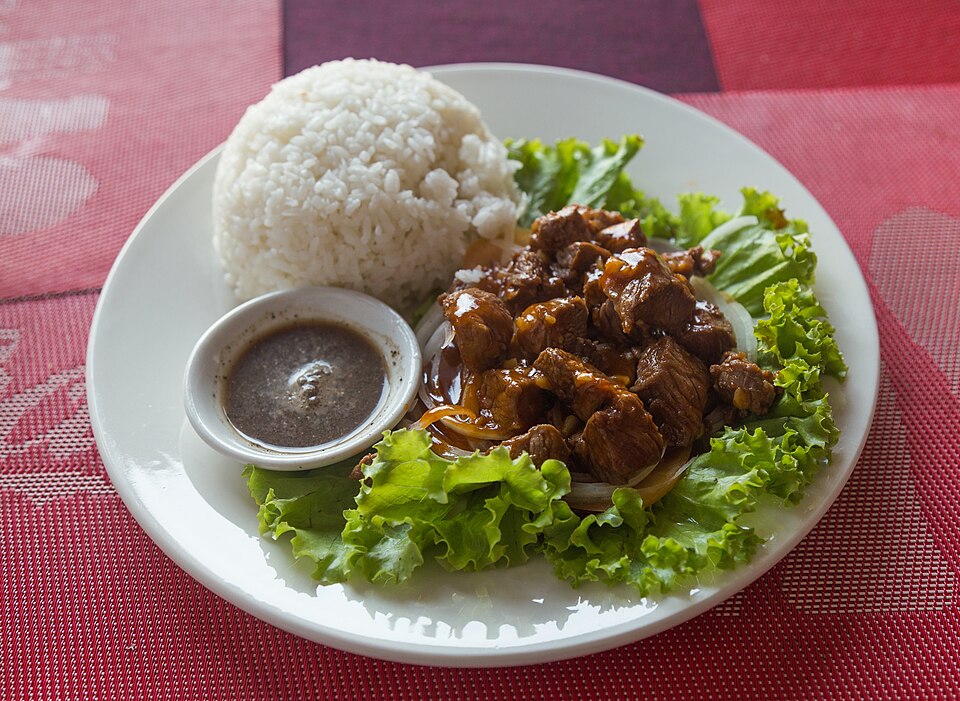
Beef lok lak
Cambodian · 59 min · 285 kcal
160 more
- Bibim guksu · Korean
- Bibimbap · Korean
- Bistek Tagalog · Filipino
- Black bean sauce · Cantonese
- Bò lúc lắc (shaking beef) · Vietnamese
- Brown stew chicken · Jamaican
- Budae jjigae (army base stew) · Korean
- Cantonese soy sauce chicken · Cantonese
- Cantonese steamed fish with ginger and spring onion · Cantonese
- Cantonese sweet and sour sauce · Cantonese
- Char kway teow · Malaysian
- Char siu (Cantonese barbecue pork) · Cantonese
- Chawanmushi · Japanese
- Chicken adobo · Filipino
- Chicken and ginger congee (jook) · Cantonese
- Chicken and Vegetable Stir-Fry · International
- Chicken chow mein · Cantonese
- Chicken karaage · Japanese
- Chicken kottu roti · Sri Lankan
- Chicken teriyaki · Japanese
- Chicken thukpa · Nepalese
- Chinese broccoli with oyster sauce · Cantonese
- Chinese dumpling dipping sauce · Chinese
- Chinese plum sauce · Cantonese
- Chinese steamed egg custard · Chinese
- Chinese tea eggs · Chinese
- Chirashizushi (scattered sushi bowl) · Japanese
- Chongqing chilli chicken · Sichuan
- Claypot rice with chicken and Chinese sausage · Hong Kong
- Cold soba noodle salad with edamame · International
- Crispy Tofu and Vegetable Stir-Fry · International
- Cucumber sunomono · Japanese
- Da pan ji (Xinjiang big plate chicken) · Chinese
- Dakgalbi · Korean
- Dan bing (Taiwanese egg crepe) · Taiwanese
- Dan dan noodles · Sichuan
- Di san xian (Dongbei eggplant, potato and pepper) · Chinese
- Egg fried rice · Chinese
- Fish-fragrant aubergine · Sichuan
- Fried carrot cake (chai tow kway) · Singaporean
- Gai yang (Thai grilled chicken) · Thai
- Galbi-jjim · Korean
- Gamja jorim (soy-braised potatoes) · Korean
- Goma dare (Japanese sesame sauce) · Japanese
- Gua bao (Taiwanese pork belly buns) · Taiwanese
- Guo bao rou (Dongbei sweet and sour crispy pork) · Chinese
- Gya thuk · Indian
- Gyoza (pan-fried pork dumplings) · Japanese
- Gyudon · Japanese
- Haemul pajeon · Korean
- Hainanese chicken rice · Singaporean
- Hawaiian ahi poke · Pacific Island
- Hiyayakko · Japanese
- Home-style tofu · Sichuan
- Homemade hoisin sauce · Cantonese
- Hot and sour soup · Chinese
- Hunan farmhouse stir-fried pork with green chillies · Chinese
- Hunan steamed fish with chopped chillies · Chinese
- Indo-Chinese schezwan sauce · Indian
- Jamaican jerk chicken · Jamaican
- Jamaican jerk paste (wet jerk) · Jamaican
- Japanese curry rice · Japanese
- Japchae · Korean
- Jeyuk bokkeum · Korean
- Kaeng jued tao hu moo sap · Thai
- Kai palo · Thai
- Katsudon · Japanese
- Kaya toast with soft-boiled eggs · Singaporean
- Kenchin-jiru · Japanese
- Khao pad (Thai fried rice) · Thai
- Khao soi gai · Thai
- Kimchi fried rice · Korean
- Kimchi jjigae · Korean
- Kimchi mandu (kimchi dumplings) · Korean
- Kitsune udon · Japanese
- Kongnamul-guk · Korean
- Korean fried chicken (yangnyeom) · Korean
- Kung pao chicken · Sichuan
- Kuurma lagman · Kyrgyz
- Liangpi (cold skin noodles) · Chinese
- Loco moco · American
- Lomo saltado · Peruvian
- Lu rou fan (Taiwanese braised pork rice) · Taiwanese
- Lumpia shanghai · Filipino
- Manchow soup · Indian
- Mapo tofu · Sichuan
- Mee goreng mamak · Malaysian
- Mentsuyu (noodle soup base) · Japanese
- Mitarashi dango · Japanese
- Miyeok guk · Korean
- Moo ping (Thai grilled pork skewers) · Thai
- Nasi goreng · Indonesian
- Nikujaga · Japanese
- Okonomiyaki · Japanese
- Onsen tamago (hot-spring eggs) · Japanese
- Oyakodon · Japanese
- Oyster omelette · Taiwanese
- Pad kra pao gai · Thai
- Pad pak boong fai daeng · Thai
- Pad see ew · Thai
- Pancit canton · Filipino
- Pique macho · Bolivian
- Pollo a la brasa · Peruvian
- Ponzu · Japanese
- Pork and cabbage jiaozi · Chinese
- Pork baozi (steamed pork buns) · Chinese
- Pork sisig · Filipino
- Red-braised pork belly · Chinese
- Saba shioyaki · Japanese
- Salmon teriyaki · Japanese
- Scallion pancakes · Chinese
- Shan noodles · Burmese
- Shan tofu salad · Burmese
- Shandong sweet and sour carp · Chinese
- Shanghai fried noodles · Chinese
- Shoyu ramen (home-style) · Japanese
- Shrimp and vegetable tempura · Japanese
- Sichuan boiled fish · Sichuan
- Sichuan cold noodles · Sichuan
- Sichuan dry-fried green beans · Sichuan
- Sigeumchi namul · Korean
- Smashed cucumber salad · Chinese
- Spinach goma-ae · Japanese
- Sukiyaki · Japanese
- Sundubu jjigae · Korean
- Swedish meatballs · Swedish
- Sweet and sour pork · Cantonese
- Sweet corn soup (Indo-Chinese) · Indian
- Taiwanese beef noodle soup · Taiwanese
- Taiwanese popcorn chicken · Taiwanese
- Taiwanese savoury soy milk · Taiwanese
- Takoyaki (octopus balls) · Japanese
- Talumein soup · Indian
- Tamago kake gohan (egg on rice) · Japanese
- Tamagoyaki · Japanese
- Tentsuyu (tempura dipping sauce) · Japanese
- Teriyaki sauce · Japanese
- Thai basil eggplant stir-fry · Thai
- Thenthuk · Indian
- Three-cup chicken · Taiwanese
- Tiger salad · Chinese
- Tomato beef noodle soup · Chinese
- Tonkatsu · Japanese
- Tonkatsu sauce · Japanese
- Tteokbokki · Korean
- Tteokguk (rice cake soup) · Korean
- Twice-cooked pork · Sichuan
- Vinegar-glazed napa cabbage · Chinese
- Wakame and cucumber sesame salad · Japanese
- West Lake beef soup · Cantonese
- Wonton soup · Cantonese
- Wood ear mushroom salad · Chinese
- Xiaolongbao (soup dumplings) · Chinese
- Yakisoba · Japanese
- Yakitori (negima) · Japanese
- Yakitori tare · Japanese
- Yangnyeom chicken sauce · Korean
- Yangnyeom-ganjang (seasoned soy dipping sauce) · Korean
- Yangzhou fried rice · Chinese
- Zaru soba · Japanese
More soy & fermented sauces
Soy & fermented sauces
Tamari
Japanese soy sauce brewed with little or no wheat; thicker, rounder and often sold as a gluten-free soy sauce.
No recipes yet
Soy & fermented sauces
Fish sauce
Thin amber sauce of salted, fermented fish (usually anchovies); the essential salty-savoury seasoning of South-East Asia.
77 recipes
Soy & fermented sauces
Oyster sauce
Thick, glossy brown sauce of oyster extract, sugar and soy; adds savoury sweetness and shine to Cantonese stir-fries.
21 recipes
Soy & fermented sauces
Hoisin sauce
Thick, sweet and spiced Chinese bean sauce served with Peking duck and used in glazes and stir-fries.
6 recipes
Soy & fermented sauces
Miso
Japanese fermented soybean paste, from mild sweet white to salty dark red, used in soups, glazes and dressings.
6 recipes
Soy & fermented sauces
Kecap manis (sweet soy sauce)
Thick, syrupy Indonesian sweet soy sauce with palm sugar, for nasi goreng, satay and glazes.
13 recipes
Soy & fermented sauces
Sweet bean sauce (tianmianjiang)
Dark, sweet-salty northern Chinese paste of fermented wheat flour, for Peking duck and zhajiangmian.
2 recipes
Soy & fermented sauces
Yellow soybean paste (huangjiang)
Salty, savoury Chinese fermented soybean paste (huangjiang) used in northern noodle sauces and braises.
2 recipes