
Sauces, pastes & condiments · Soy & fermented sauces
Miso
Japanese fermented soybean paste, from mild sweet white to salty dark red, used in soups, glazes and dressings.
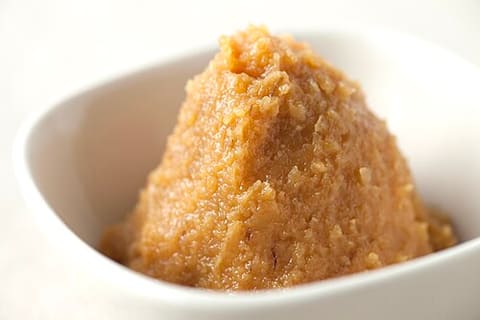
Also called: white miso, shiro miso, red miso, soybean paste
Photo: Unknown author, via Wikimedia Commons (CC0-1.0)
What it is
A thick paste of soybeans fermented with salt and koji (a mould grown on rice, barley or soy). White (shiro) miso is short-fermented, pale and sweet; red (aka) miso is longer-aged, darker and saltier; mixed (awase) sits in between. Korean doenjang is a related but chunkier, funkier bean paste.
How it’s used
- Miso soup with dashi
- Glazes for fish (miso cod) and aubergine
- Salad dressings and marinades
- Enriching ramen broths, gravies and butter
- Savoury depth in vegan cooking
Characteristics
- Taste
- Salty and savoury; white miso is sweet and mellow, red is robust and earthy.
- Texture
- Smooth or slightly grainy thick paste.
- Appearance
- Pale beige to deep reddish-brown.
- When cooked
- Whisk into hot liquid off the boil; vigorous boiling dulls its aroma. Burns quickly in glazes due to sugars.
- Sold as
- paste, fermented
- Cooking uses
- Mainly a seasoning, Commonly cooked
Varieties
- White (shiro) miso
- Red (aka) miso
- Mixed (awase) miso
- Barley (mugi) miso
- Korean doenjang
Storage
Refrigerated. Refrigerate in a sealed tub with the surface pressed flat; it keeps for many months. Colour deepens slowly with age.
Diet, allergens and safety
Contains Soy. May contain Gluten — check the label.
- Vegetarian
- Vegan
- Dairy-free
- Egg-free
- Gluten-free (check label)
- Nut-free
- Soy-free
- Caffeine-free
- Contains soy; barley (mugi) miso and some others contain gluten. Check labels for coeliac needs.
Nutrition per 100 g
- Energy
- 198 kcal
- Protein
- 12.79 g
- Carbohydrate
- 25.37 g
- Fat
- 6.01 g
- Fibre
- 5.4 g
- Sugars
- 6.2 g
USDA FoodData Central: Miso.
Substitutes
Optional — what works if you don’t have it, and how it changes the dish.
- Yellow soybean paste (huangjiang) — Saltier; use a little less.
- Tamari — For salt and umami in sauces; adds no body.
Related ingredients
Recipes with miso
Doenjang jjigae
 Korean · 30 min · 210 kcal
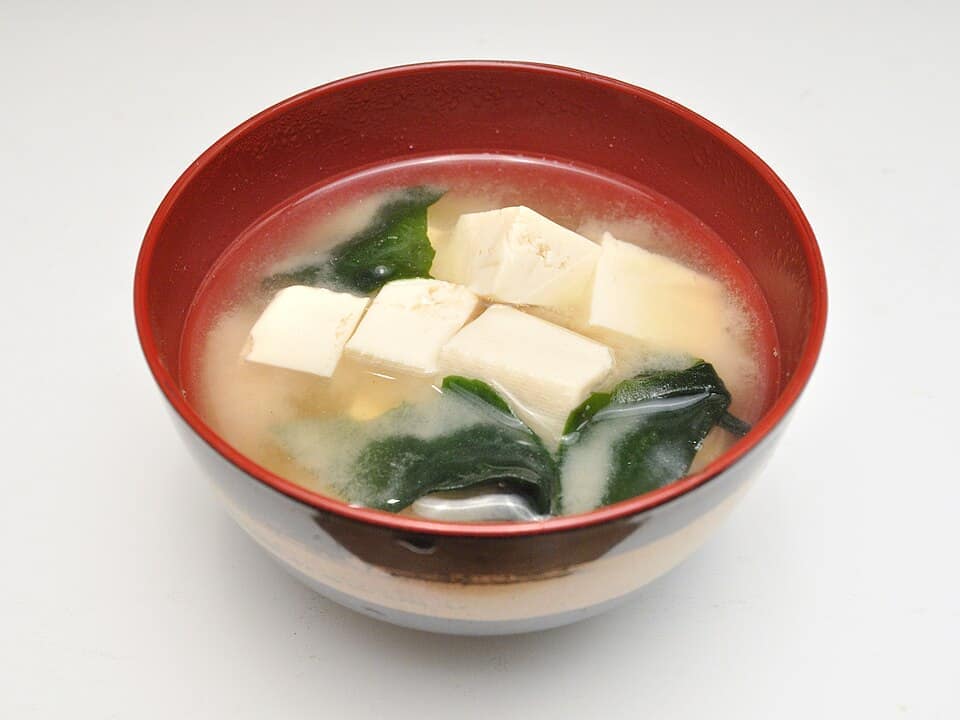
Miso soup with tofu and wakame
 Japanese · 13 min · 84 kcal
Nasu dengaku
Japanese · 30 min · 144 kcal · VeganSsamjang
Korean · 5 min · 51 kcal · VeganSumiso (vinegared miso sauce)
Japanese · 18 min · 41 kcal · VeganTonjiru (pork and vegetable miso soup)
Japanese · 40 min · 439 kcal
More soy & fermented sauces
Soy & fermented sauces
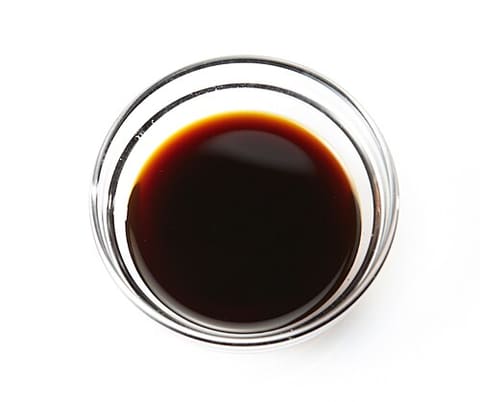
Soy sauce
Salty, savoury brewed sauce of fermented soybeans and wheat, the backbone seasoning of East and South-East Asian cooking.
172 recipes
Soy & fermented sauces
Tamari
Japanese soy sauce brewed with little or no wheat; thicker, rounder and often sold as a gluten-free soy sauce.
No recipes yet
Soy & fermented sauces
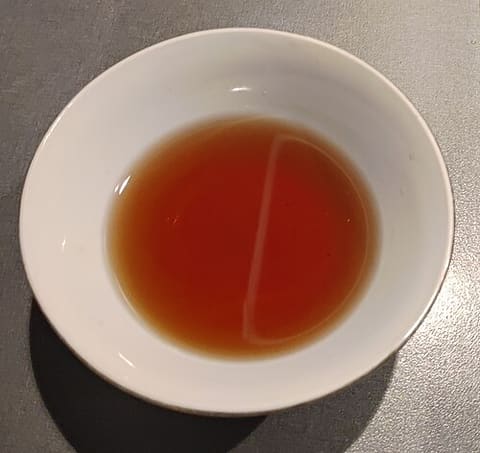
Fish sauce
Thin amber sauce of salted, fermented fish (usually anchovies); the essential salty-savoury seasoning of South-East Asia.
77 recipes

Soy & fermented sauces
Oyster sauce
Thick, glossy brown sauce of oyster extract, sugar and soy; adds savoury sweetness and shine to Cantonese stir-fries.
21 recipes
Soy & fermented sauces
Hoisin sauce
Thick, sweet and spiced Chinese bean sauce served with Peking duck and used in glazes and stir-fries.
6 recipes
Soy & fermented sauces
Kecap manis (sweet soy sauce)
Thick, syrupy Indonesian sweet soy sauce with palm sugar, for nasi goreng, satay and glazes.
13 recipes
Soy & fermented sauces
Sweet bean sauce (tianmianjiang)
Dark, sweet-salty northern Chinese paste of fermented wheat flour, for Peking duck and zhajiangmian.
2 recipes
Soy & fermented sauces
Yellow soybean paste (huangjiang)
Salty, savoury Chinese fermented soybean paste (huangjiang) used in northern noodle sauces and braises.
2 recipes