
Lu rou fan (Taiwanese braised pork rice)
Non-vegetarian
滷肉飯 · lǔ ròu fàn
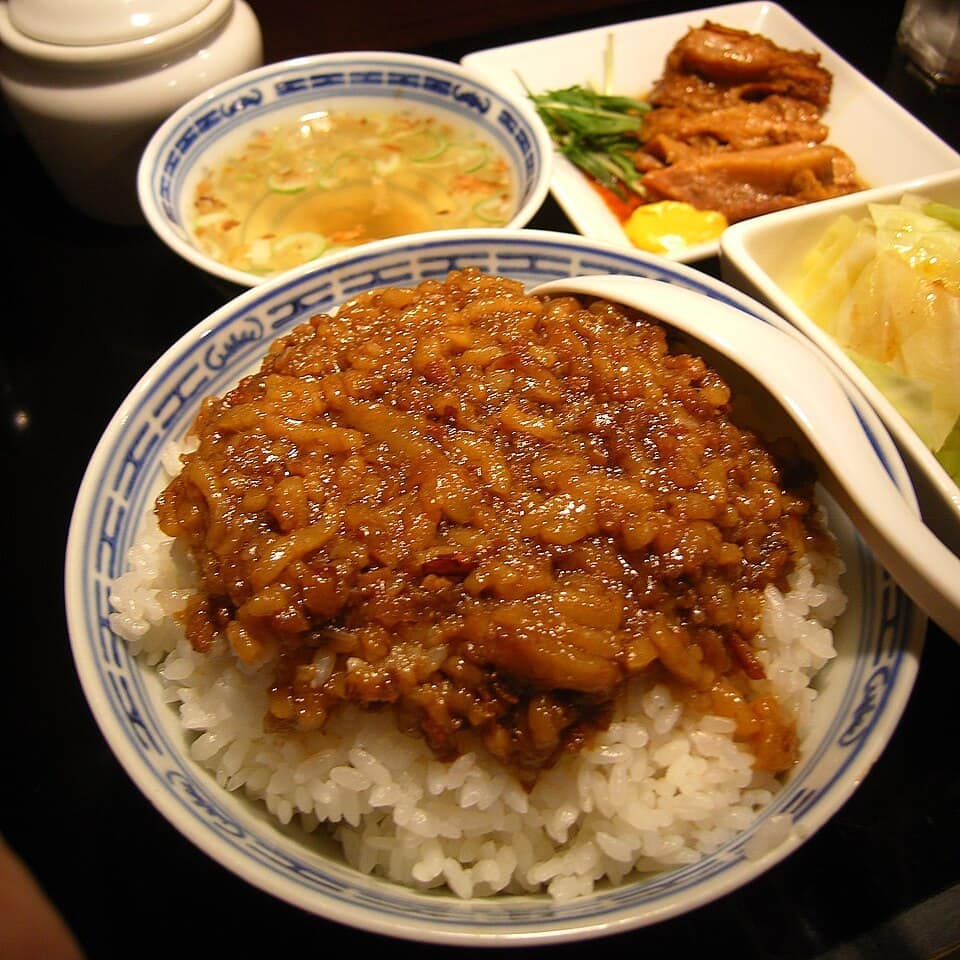
Finely diced pork belly slow-braised with fried shallots, soy sauce and five-spice until glossy and rich, spooned over steamed rice — Taiwan's essential comfort bowl.
Lu rou fan (Taiwanese braised pork rice) is a Taiwanese rice dish, ready in about 2 hours and made with pork belly, shallot and soy sauce. It serves 6 and is rated easy to cook.
- Prep
- 20 min
- Cook
- 1 h 40 min
- Total
- 2 h
- Serves
- 6
- Level
- Easy
- Calories
- 779
Method
Step 1
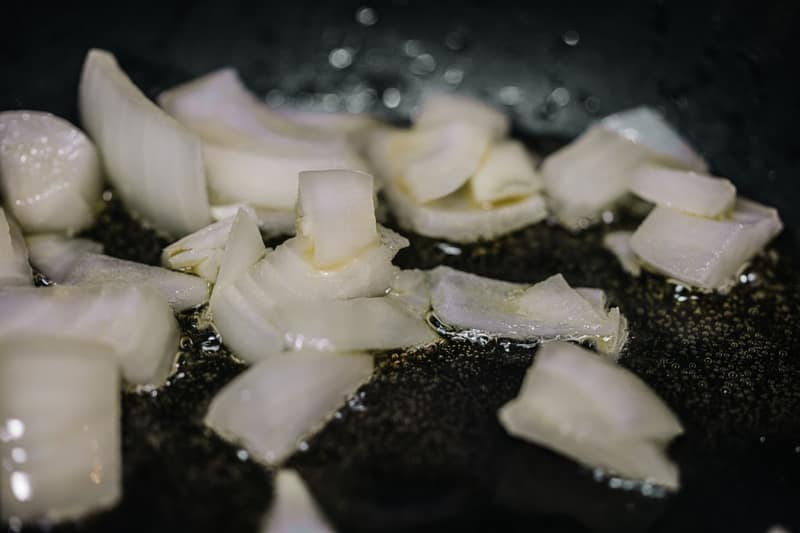
Fry the shallots (opens in a new tab) in the oil in a heavy pot over medium-low heat, stirring, until evenly golden. Lift out half and set aside.
- 10 min
- medium-low heat
- Dutch oven / casserole pot (opens in a new tab)
They turn from golden to burnt quickly — pull them off the heat a shade early.
How it looks · Photo: Magda Ehlers on Pexels Step 2
Add the pork and fry over medium-high heat until the fat begins to render and the meat loses its pinkness. Add the garlic (opens in a new tab) for the last minute.
- 8 min
- medium-high heat
Food safety: Wash hands and boards after handling raw pork.
Step 3
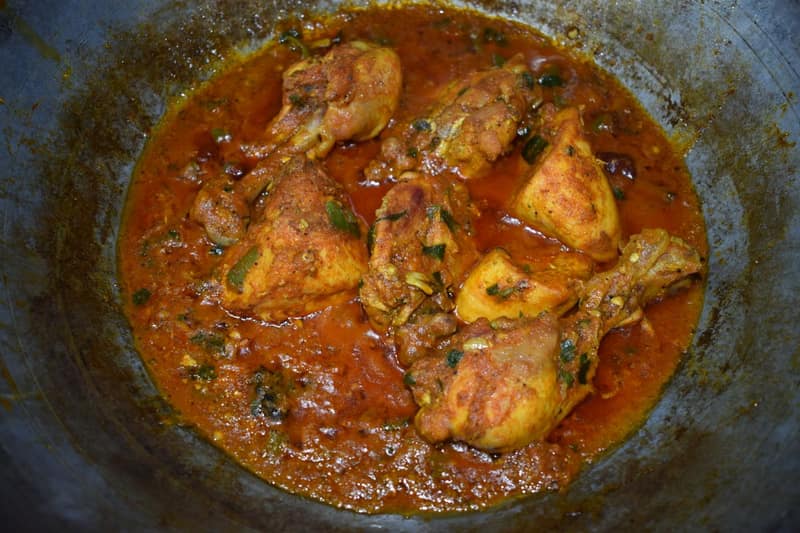
Add the wine, soy sauce (opens in a new tab), sugar (opens in a new tab), five-spice, pepper, water and the reserved shallots (opens in a new tab). Bring to a boil, cover and simmer very gently for 1½ hours, stirring now and then; add the eggs (opens in a new tab) for the last 30 minutes.
- 90 min
- low heat
How it looks · Photo: Bachir Mamud on Pexels Step 4
Uncover and simmer until the sauce is thick and glossy. Meanwhile cook the rice.
- 10 min
- medium heat
- Rice cooker (opens in a new tab)
About this dish
- Origin
- Taiwan · Well documentedMore food from Taiwan
- Dish
- Lunch · Dinner · Rice dishes · Main courses
- Cooking method
- Braised, Stewed
- Taste
- sweet & savoury, rich, umami, aromatic / warmly spiced
- Diet
- Dairy-free · No nut ingredientsWithout the optional extras: Egg-freeWorked out from the ingredients. How labels work
All labels
Non-vegetarian · Dairy-free · No nut ingredients · Beef-free - Good for
- Make-ahead · Freezer-friendly · Batch cooking · Budget-friendly
- Cook more with
- Pork belly · Shallot · Soy sauce · Garlic · Shaoxing wine · Sugar
- Techniques
- Boiling · Simmering · Braising · Stewing · Slow-cooked gravy
Allergens
- Contains, can be adapted: Eggsfrom egg
- Contains, can be adapted: Wheatfrom shaoxing wine, soy sauce
- Contains, can be adapted: Glutenfrom shaoxing wine, soy sauce
- Contains: Soyfrom soy sauce
Based on typical versions of these ingredients and not verified allergen-free. Brands differ and cross-contact happens, so always check labels. For severe allergies, follow your clinician’s advice.
Nutrition
779 kcal per serving
Estimated1 serving ≈ 300 g · recipe makes 6
Where the energy comes from
- Protein 8%
- Carbohydrate 34%
- Fat 58%
| Nutrient | Per serving | Per 100 g* |
|---|---|---|
| Energy | 779 kcal | 259 kcal |
| Protein | 14.8 g | 4.9 g |
| Carbohydrate | 64.8 g | 21.6 g |
| Net carbohydrate | 62.7 g | 20.9 g |
| Sugars | 6.7 g | 2.2 g |
| Added sugars | 4.2 g | 1.4 g |
| Fibre | 2.1 g | 0.7 g |
| Fat | 49.3 g | 16.4 g |
| Saturated fat | 16.6 g | 5.5 g |
| Trans fat | — | — |
| Cholesterol | 60 mg | 20 mg |
| Sodium | 878 mg | 293 mg |
| Salt equivalent | 2.2 g | 0.7 g |
Vitamins & minerals per serving
- Potassium
- 411 mg
- Calcium
- 53 mg
- Iron
- 4 mg
- Magnesium
- 41 mg
- Vitamin A (RAE)
- 3 µg
- Vitamin C
- 4 mg
- Vitamin D
- —
- Vitamin B12
- 0.7 µg
- Folate (DFE)
- 271 µg
How these numbers were made
- Calculated from USDA FoodData Central (SR Legacy) per-100 g values and the listed quantities.
- *Per 100 g of combined raw ingredients; the cooked dish may weigh more or less.
- Optional ingredients are not included: egg.
- Not counted (tiny amounts or “to taste”): five-spice powder.
- Shaoxing wine: Sake (FDC 167723) used as a stand-in for Chinese rice cooking wine.
- “—” means the value isn’t known for enough of the ingredients; it is never zero by default.
- Values are estimates for guidance, not for medical dosing. U.S. Department of Agriculture, Agricultural Research Service. FoodData Central, 2019. fdc.nal.usda.gov.
Good to know
Tips
- Hand-dicing the pork gives a better texture than using minced pork.
Common mistakes
- Using lean pork — the dish depends on belly fat melting into the sauce.
- Frying the shallots too fast: they turn bitter if they go past golden.
Serve with
- Serve with blanched greens, pickled daikon or cucumber to cut the richness.
Storage
- Refrigerate for up to 4 days or freeze for 3 months — it improves overnight.
Reheating
- Reheat gently with a splash of water until bubbling.
Original editorial recipe · FriendsPantry editorial · Not yet independently reviewed · Added · Updated
Recipe DNA
How this dish is built
Grouped by each ingredient’s role in the dish. Each band’s width is its share of the dish by weight. Choose a component to see what it does.
What the dish is built around
Main ingredient
- Pork belly, skin-on, cut into 1 cm dice500 g
- Shallot, thinly sliced6 piece · 180 g
- Egg, hard-boiled and peeled (optional)6 piece · 300 g
- Long-grain white rice, uncooked, steamed for serving400 g
Masalas in this recipe
Make the masala first, then come back to finish the dish.
Dry spice blend
Chinese five-spice powder
This recipe uses ½ tsp (1.1 g for 6 servings).
Reviews & corrections
Reviews come from signed-in cooks and appear after a moderator checks them. We never show made-up ratings.
You might also like
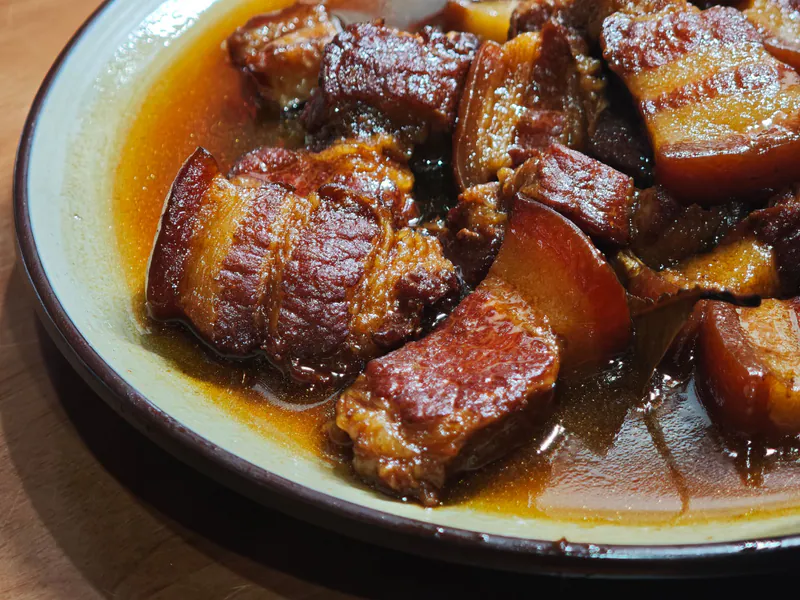
Red-braised pork belly
 Chinese · 1 h 55 min · 677 kcal
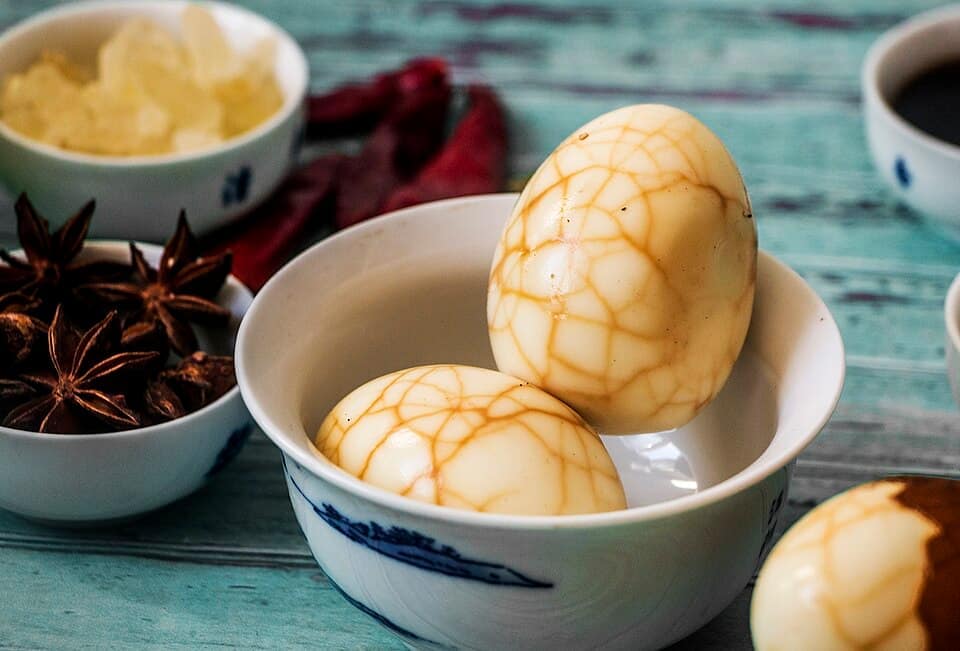
Chinese tea eggs
Chinese · 50 min · 75 kcal · Contains egg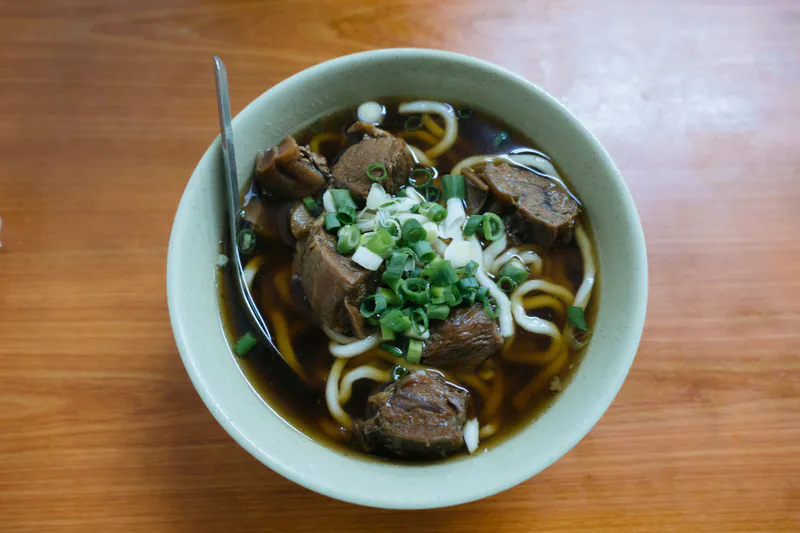
Taiwanese beef noodle soup
 Taiwanese · 3 h · 551 kcal
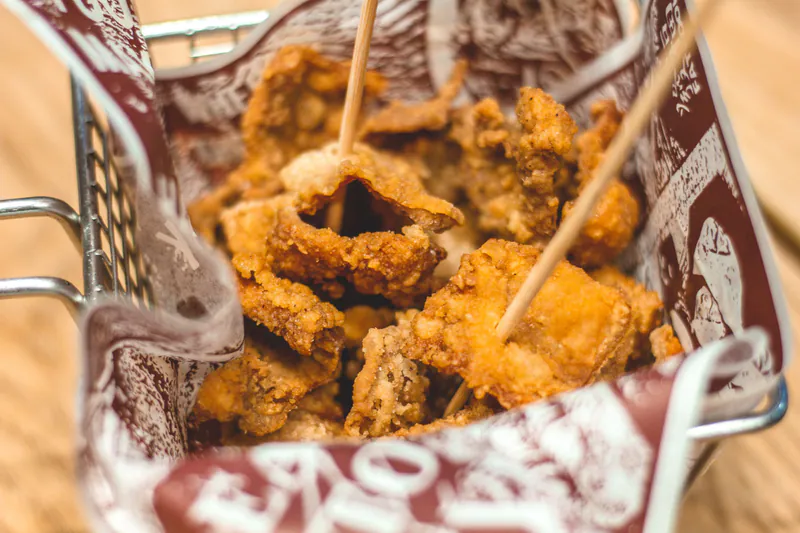
Taiwanese popcorn chicken
Taiwanese · 1 h 5 min · 423 kcal