
Sauces, pastes & condiments · Soy & fermented sauces
Yellow soybean paste (huangjiang)
Salty, savoury Chinese fermented soybean paste (huangjiang) used in northern noodle sauces and braises.
Also called: huangjiang, huang jiang, dajiang, yellow bean sauce, ganhuangjiang
Around the world: 黄酱, 黃醬, 大酱, huangjiang (zh)
What it is
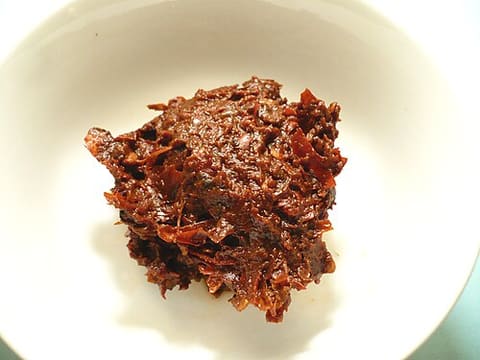
A coarse, salty paste of fermented yellow soybeans, sometimes with wheat flour. It is lighter in colour and saltier than sweet bean sauce, and chunkier and funkier than Japanese white miso. Northern Chinese cooks combine it with sweet bean sauce for zhajiang noodle sauce.
How it’s used
- Zhajiangmian (with sweet bean sauce)
- Braised pork and fish
- Stir-fried vegetables
- Dipping sauce for raw vegetables
Characteristics
- Taste
- Very salty and savoury with fermented bean depth.
- Texture
- Coarse, sometimes with whole beans.
- Appearance
- Yellowish to mid-brown.
- When cooked
- Fry in oil to remove raw taste and release aroma.
- Sold as
- paste, fermented
- Cooking uses
- Mainly a seasoning, Commonly cooked
- Common in
- Chinese
Storage
Refrigerated. Refrigerate after opening with a clean spoon; keeps for months.
Diet, allergens and safety
Contains Soy. May contain Wheat, Gluten — check the label.
- Vegetarian
- Vegan
- Dairy-free
- Egg-free
- Gluten-free (check label)
- Nut-free
- Soy-free
- Caffeine-free
- Contains soy; may contain wheat (gluten). High in salt.
Nutrition per 100 g
- Energy
- 198 kcal
- Protein
- 12.79 g
- Carbohydrate
- 25.37 g
- Fat
- 6.01 g
- Fibre
- 5.4 g
- Sugars
- 6.2 g
USDA FoodData Central: Miso (a close stand-in).
Substitutes
Optional — what works if you don’t have it, and how it changes the dish.
- Miso — Red miso, a little more than the paste; less salty and coarse.
Related ingredients
Recipes with yellow soybean paste (huangjiang)
Homemade hoisin sauce
 Cantonese · 28 min · 42 kcal · Vegan
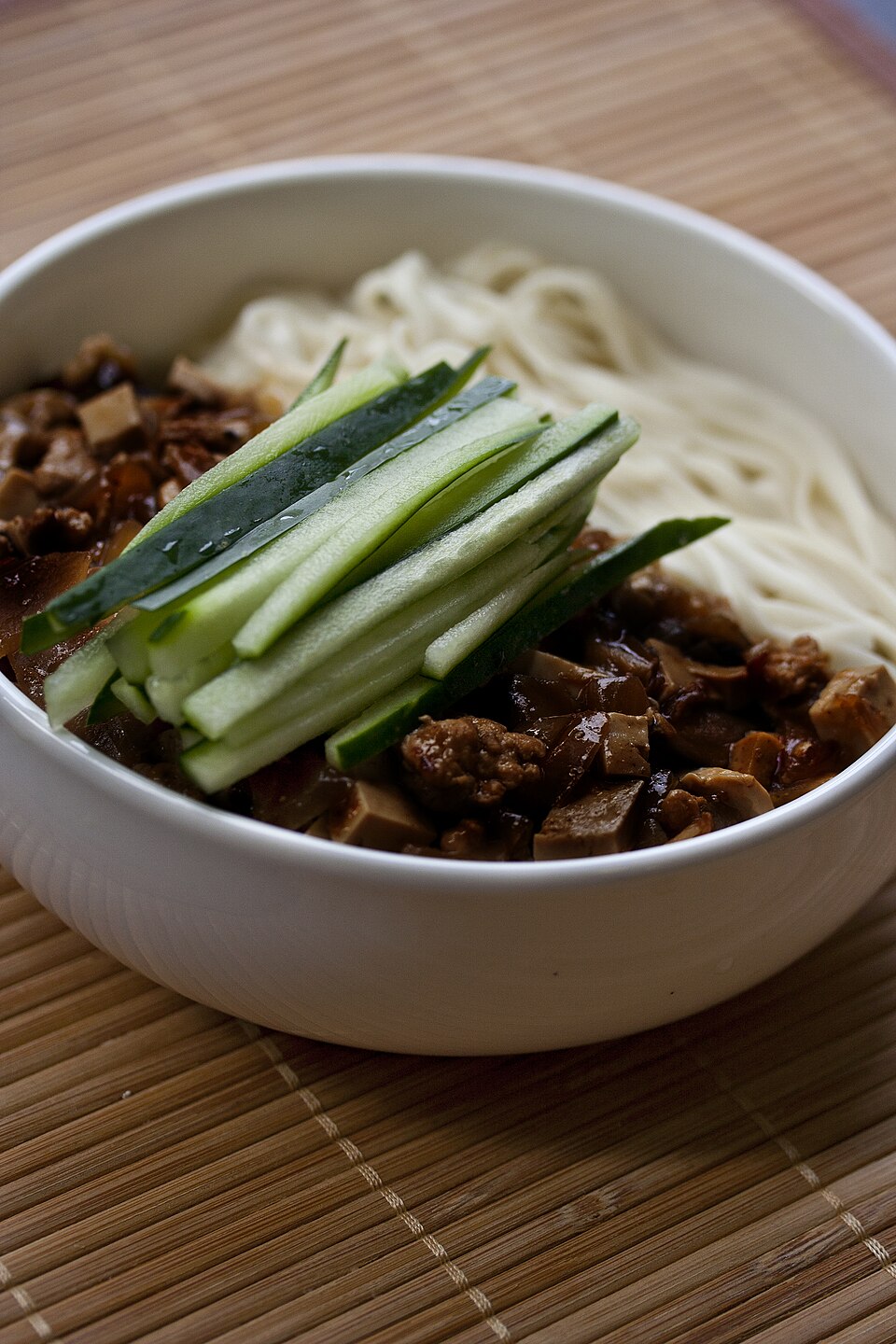
Zhajiangmian (Beijing fried sauce noodles)
Chinese · 45 min · 775 kcal
More soy & fermented sauces
Soy & fermented sauces
Soy sauce
Salty, savoury brewed sauce of fermented soybeans and wheat, the backbone seasoning of East and South-East Asian cooking.
172 recipes
Soy & fermented sauces
Tamari
Japanese soy sauce brewed with little or no wheat; thicker, rounder and often sold as a gluten-free soy sauce.
No recipes yet
Soy & fermented sauces
Fish sauce
Thin amber sauce of salted, fermented fish (usually anchovies); the essential salty-savoury seasoning of South-East Asia.
77 recipes

Soy & fermented sauces
Oyster sauce
Thick, glossy brown sauce of oyster extract, sugar and soy; adds savoury sweetness and shine to Cantonese stir-fries.
21 recipes
Soy & fermented sauces
Hoisin sauce
Thick, sweet and spiced Chinese bean sauce served with Peking duck and used in glazes and stir-fries.
6 recipes
Soy & fermented sauces
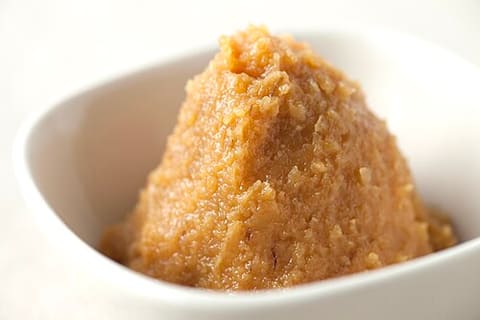
Miso
Japanese fermented soybean paste, from mild sweet white to salty dark red, used in soups, glazes and dressings.
6 recipes
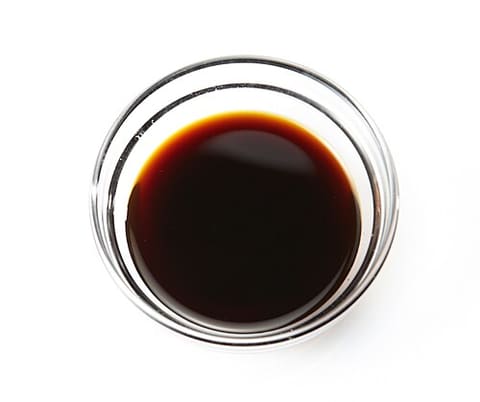
Soy & fermented sauces
Kecap manis (sweet soy sauce)
Thick, syrupy Indonesian sweet soy sauce with palm sugar, for nasi goreng, satay and glazes.
13 recipes
Soy & fermented sauces
Sweet bean sauce (tianmianjiang)
Dark, sweet-salty northern Chinese paste of fermented wheat flour, for Peking duck and zhajiangmian.
2 recipes