
Nature's Pantry
Olive oil
Also: extra virgin olive oil · zeytinyağı (Turkish)
The fat of the Mediterranean diet. Its polyphenols carry an EU-accepted claim; the diet as a whole has moderate evidence.
Overall evidence
Graded on the diet pattern olive oil belongs to; the narrow polyphenol claim is strong but needs high-polyphenol oil.
Several trials or reviews point the same way, but studies are short, small, mixed in quality, mostly observational, or test concentrated forms rather than everyday food.
What it is
Oil pressed from olives. Extra virgin oil is unrefined and contains polyphenols such as hydroxytyrosol.
Traditional use
Tradition, not evidence: how cultures use it, not proof that it works.
Greece, Italy and Spain
Olive oil is used generously for cooking, dressing and dipping bread,, and good oil is a household essential rather than a condiment.
Levant and North Africa
Bread dipped in olive oil and za'atar is breakfast; olive oil is used for skin and hair.
What the research says
Each claim graded on its own evidence.
Olive polyphenols and blood lipids
Evidence level: Strong evidenceEFSA concluded that olive polyphenols (hydroxytyrosol and related compounds) protect LDL particles from oxidative damage, at 5 mg a day. Many olive oils contain too little to reach that amount in normal use.[1]
Mediterranean-style diet and heart health
Evidence level: Moderate evidenceA Cochrane review found moderate-quality evidence that a Mediterranean-style diet improves heart risk factors and may reduce strokes in people without heart disease, but still some uncertainty overall.[2]
Unsaturated fats instead of saturated
Evidence level: Strong evidenceThe WHO recommends unsaturated fats, such as olive oil, in place of saturated fats.[3]
In food amounts
A tablespoon or two for cooking or dressing. It is energy dense like all oils.
We describe everyday cooking amounts only, never supplement doses.
Safety
- General
- Do not let any cooking oil smoke or overheat, and never leave a pan of hot oil unattended.
If you take regular medicines, are pregnant or breastfeeding, or are cooking for a baby or someone who is unwell, check with a doctor, pharmacist or midwife before using any food or supplement for a health reason.
Sources
- [1] Scientific Opinion on the substantiation of health claims related to polyphenols in olive and protection of LDL particles from oxidative damage — European Food Safety Authority (EFSA Journal 9(4):2033), 2011
- [2] Mediterranean-style diet for the primary and secondary prevention of cardiovascular disease (Rees et al.) — Cochrane Database of Systematic Reviews, 2019
- [3] Healthy diet — fact sheet — World Health Organization
Sources were checked when this entry was written. Research changes; if you spot something out of date, please tell us.
Cook with olive oil
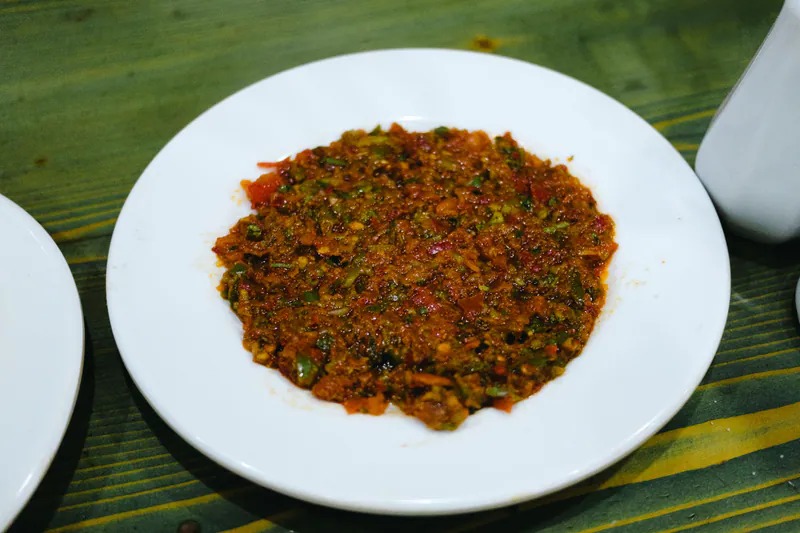
Acılı ezme (Turkish spicy tomato-pepper relish)
 Turkish · 40 min · 73 kcal · Vegan
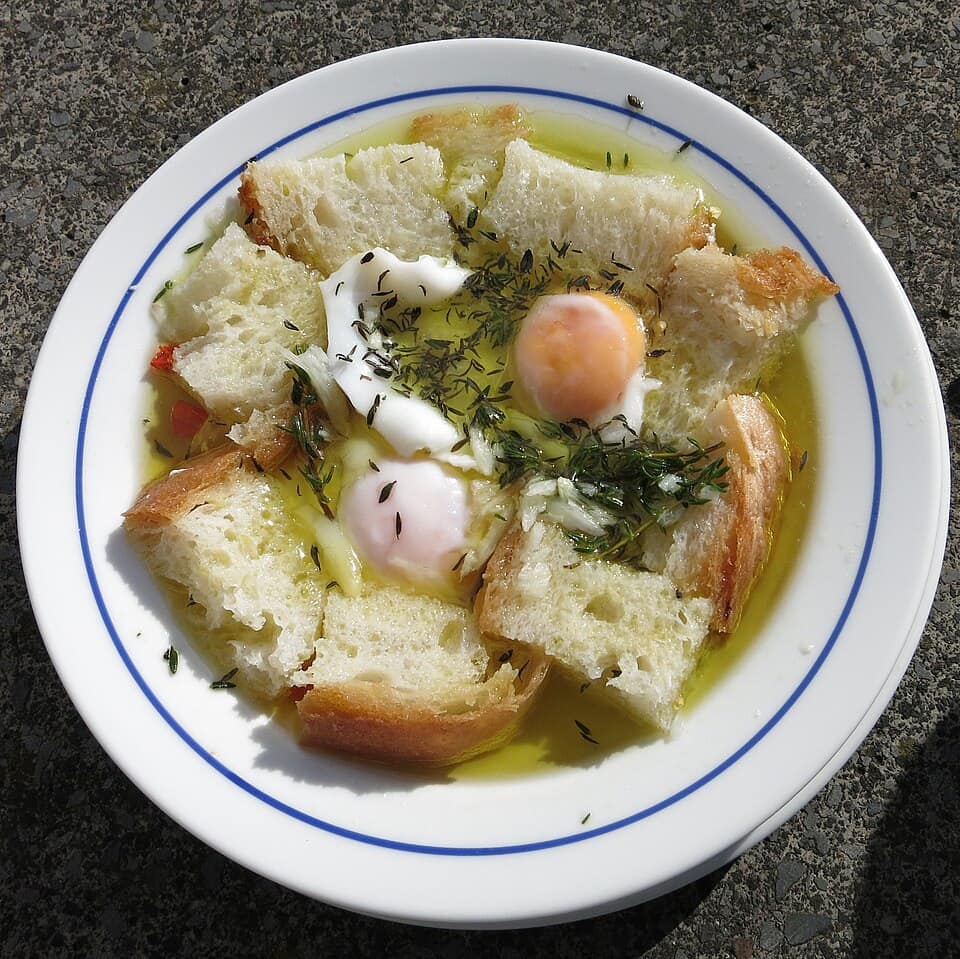
Açorda alentejana
 Portuguese · 20 min · 365 kcal · Contains egg
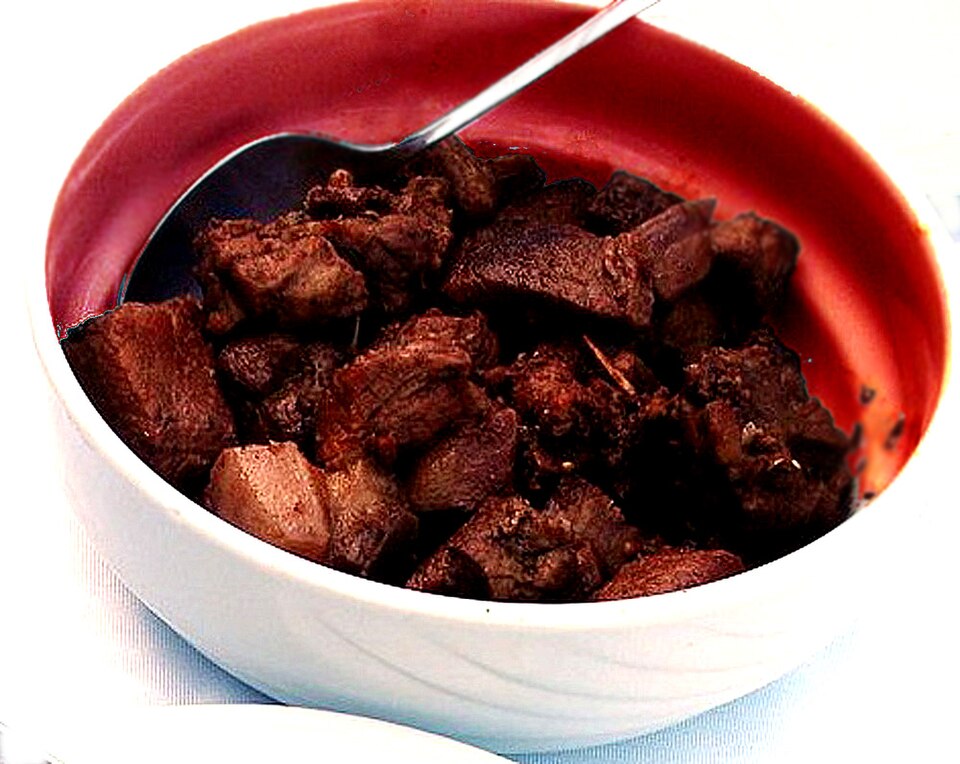
Afelia
 Cypriot · 13 h 45 min · 695 kcal
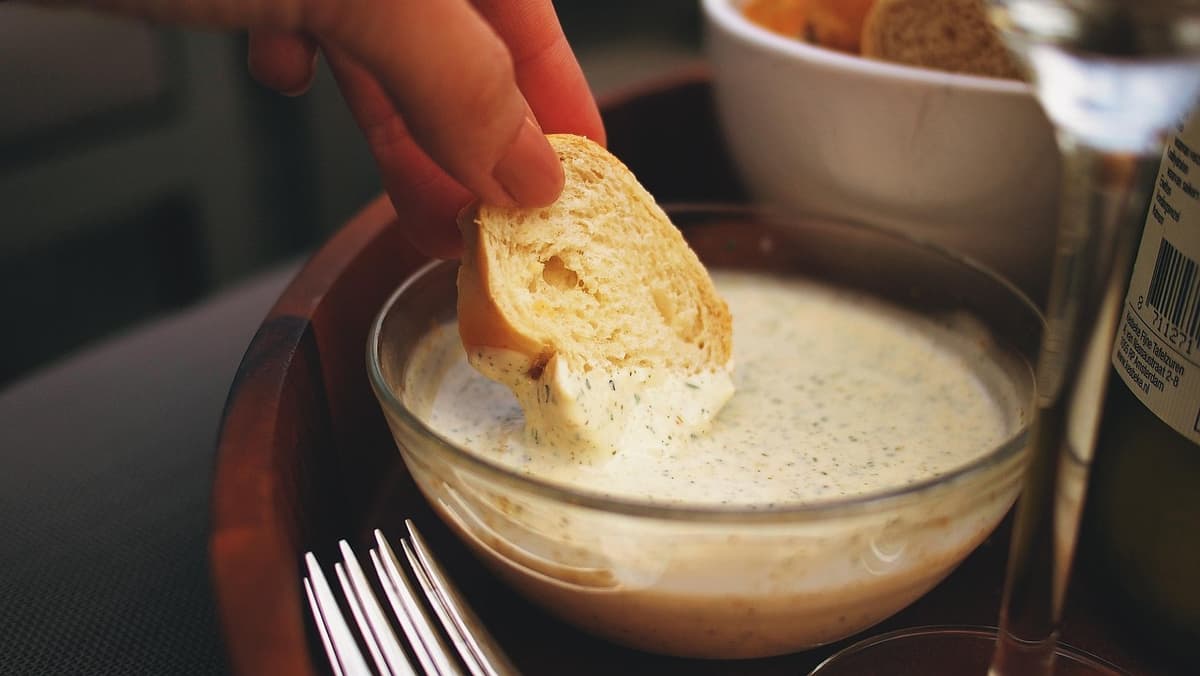
Aïoli (Provençal garlic mayonnaise)
 French · 20 min · 211 kcal · Contains egg
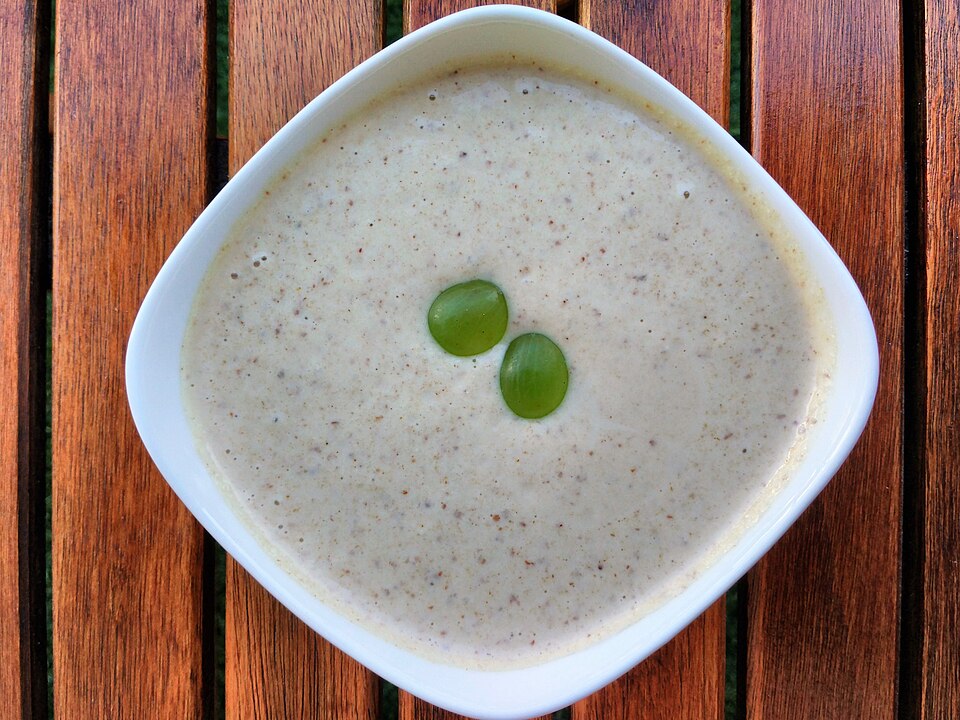
Ajo blanco
 Spanish · 2 h 15 min · 500 kcal · Vegan
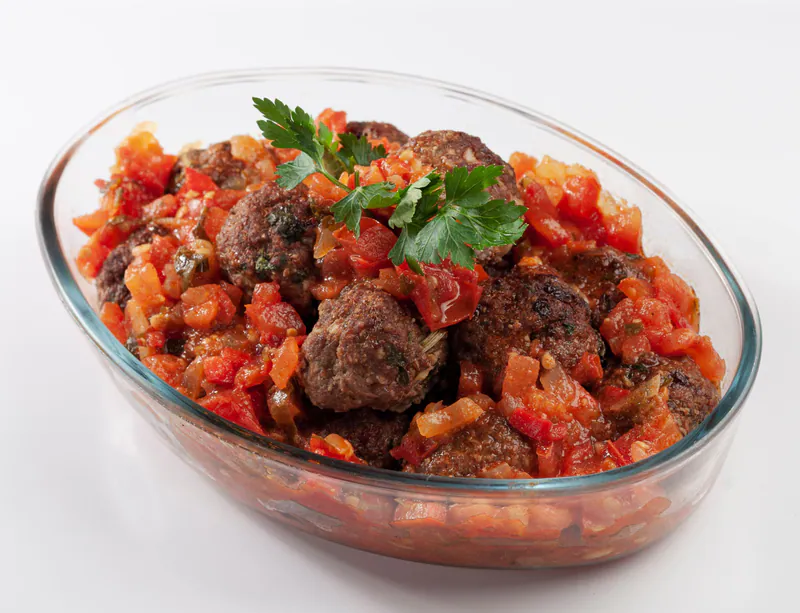
Albóndigas en salsa
Spanish · 1 h 5 min · 560 kcal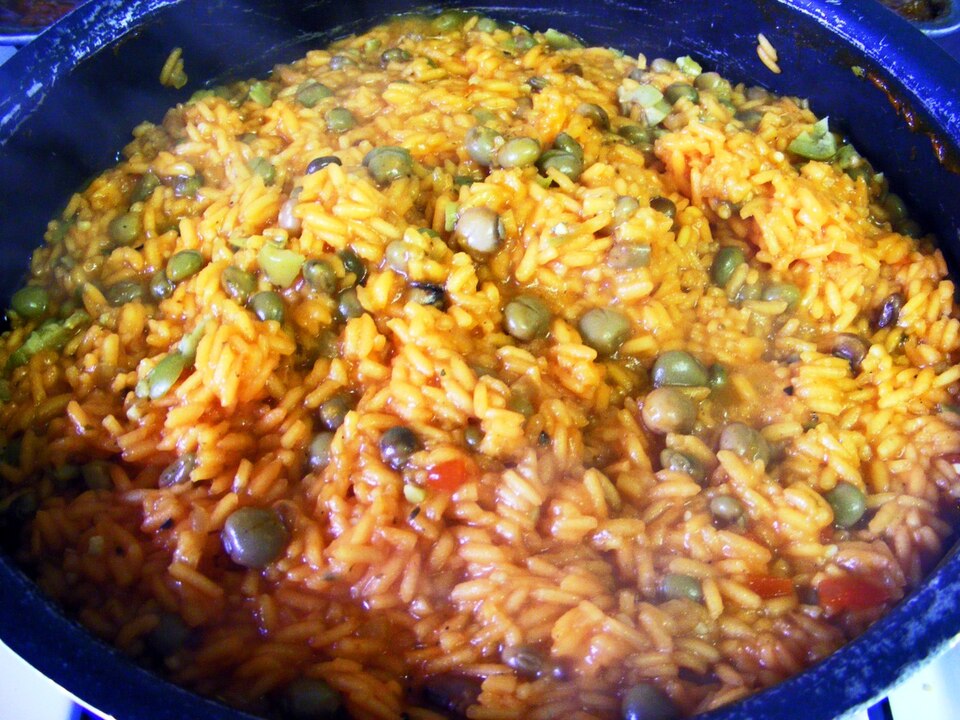
Arroz con gandules
 Puerto Rican · 1 h 10 min · 328 kcal
Arroz de marisco
Portuguese · 1 h · 651 kcalAvocado hummus
International · 1 h · 199 kcal · Vegan
287 more
- Baba ghanoush · Levantine
- Baba ghanoush (Lebanese-Syrian chopped style) · Lebanese
- Bacalhau à brás · Portuguese
- Bacalhau com natas · Portuguese
- Bagna càuda · Italian
- Baked ziti · American
- Batata harra · Lebanese
- Batbout (Moroccan pan pocket bread) · Moroccan
- Bazeen · Libyan
- Bazlama (Turkish stovetop flatbread) · Turkish
- Beef stifado · Greek
- Beetroot hummus · International
- Bigilla · Maltese
- Bissara · Moroccan
- Black bean tacos · Mexican
- Boeuf bourguignon · French
- Bouillabaisse · French
- Bucatini all'amatriciana · Italian
- Byrek me spinaq (Albanian spinach pie) · Albanian
- Cachupa · Cape Verdean
- Cacık · Turkish
- Caesar dressing · American
- Caesar salad · American
- Caldo verde · Portuguese
- Canja (Cabo Verdean chicken and rice soup) · Cape Verdean
- Carne de porco à alentejana · Portuguese
- Carrot and ginger soup · International
- Ceviche ecuatoriano de camarón · Ecuadorian
- Chermoula · Moroccan
- Chicken bastilla · Moroccan
- Chicken cacciatore · Italian
- Chicken Noodle Soup · International
- Chicken shawarma · Levantine
- Chicken souvlaki · Greek
- Chickpea and Bulgur Herb Salad · Mediterranean
- Chimichurri · Argentine
- Chorba frik · Algerian
- Choripán · Argentine
- Churros con chocolate · Spanish
- Ciabatta · Italian
- Classic French vinaigrette · French
- Çoban salatası · Turkish
- Cobb salad · American
- Courgette frittata · Italian
- Couscous bil bosla · Libyan
- Couscous with seven vegetables · Moroccan
- Creamy Tomato Soup · International
- Crispy Baked Potatoes · International
- Crni rižot (black cuttlefish risotto) · Croatian
- Croquetas de jamón · Spanish
- Cuban avocado salad · Cuban
- Cuban black beans · Cuban
- Cuban mojo · Cuban
- Cuban sandwich · Cuban
- Dolmadakia (rice-stuffed vine leaves) · Greek
- Dukkah with bread and olive oil · Egyptian
- Eech · Armenian
- Eggplant parmigiana · Italian
- Ensalada de nopales · Mexican
- Ensalada mixta · Spanish
- Espinacas con garbanzos · Spanish
- Everyday Vegetable Soup · International
- Fabada asturiana · Spanish
- Fasolada · Greek
- Fatayer bi sabanekh (spinach triangles) · Lebanese
- Fattet hummus · Levantine
- Fattoush · Lebanese
- Fërgesë (peppers, tomatoes and cheese) · Albanian
- Focaccia · Italian
- Fougasse · French
- French onion soup · French
- Fried kibbeh · Syrian
- Ftira biż-żejt · Maltese
- Ful medames · Egyptian
- Galayet bandora · Jordanian
- Gambas al ajillo · Spanish
- Garlic Butter Shrimp · International
- Garlic Roasted Broccoli · International
- Gavurdağı salatası · Turkish
- Gazpacho · Spanish
- Gemista · Greek
- Gigantes plaki · Greek
- Gluten-free psyllium sandwich loaf · International
- Gnocchi alla sorrentina · Italian
- Greek village salad · Greek
- Gremolata · Italian
- Grilled chicken salad · International
- Grilled Garlic Prawn Skewers · Mediterranean
- Grilled halloumi with watermelon and mint · Cypriot
- Grilled Lemon-Herb Salmon · International
- Grilled Sea Bass with Lemon-Oil Dressing · Mediterranean
- Grilled Squid Salad · Mediterranean
- Grilled steak with chimichurri · Argentine
- Grissini torinesi · Italian
- Hachis parmentier · French
- Harira · Moroccan
- Harissa · Tunisian
- Haydari · Turkish
- Hearty Lentil and Vegetable Soup · International
- Higher-protein Greek yoghurt bread · International
- Htipiti (roasted red pepper and feta dip) · Greek
- Huevos rotos (broken eggs over fried potatoes) · Spanish
- Hummus · Levantine
- Hünkar beğendi (lamb on smoky aubergine purée) · Turkish
- İmam bayıldı · Turkish
- Imbakbaka · Libyan
- Insalata caprese · Italian
- Insalata di farro · Italian
- Insalata di rinforzo · Italian
- Iraqi dolma · Iraqi
- İskender kebap · Turkish
- Ispanaklı gözleme · Turkish
- Ispanaklı yumurta · Turkish
- Israeli salad · Israeli
- Italian wedding soup · Italian
- Joojeh kabab · Iranian
- Ka'ak al-Quds · Palestinian
- Karnıyarık · Turkish
- Kefta tagine with eggs · Moroccan
- Keftedes (Greek meatballs) · Greek
- Khobz (Moroccan round bread) · Moroccan
- Kibbeh bil sanieh · Lebanese
- Kısır (bulgur salad) · Turkish
- Kıymalı pide · Turkish
- Kıymalı yumurta with green chillies · Turkish
- Kleftiko · Cypriot
- Kofta bil tahini · Jordanian
- Kosksi bil hout · Tunisian
- Koupepia · Cypriot
- Kuku sabzi · Iranian
- Kūmara soup · New Zealand
- Kuru fasulye · Turkish
- Laban bi toum (garlic yoghurt dip) · Levantine
- Lablabi · Tunisian
- Labneh (strained yoghurt cheese) · Levantine
- Labneh with za'atar and olive oil · Levantine
- Lahmacun · Turkish
- Lamb peka · Croatian
- Lamb tagine with apricots · Moroccan
- Lasagne alla bolognese · Italian
- Lemon-Olive Oil Vinaigrette · Mediterranean
- Lentil and Roasted Vegetable Bowl · Mediterranean
- Loubia (Maghrebi white bean stew) · Algerian
- Loubieh bi zeit · Lebanese
- Louvi me lahana · Cypriot
- Malloreddus alla campidanese · Italian
- Manakish za'atar · Lebanese
- Maqluba · Palestinian
- Marinara sauce · Italian
- Masgouf-style grilled carp · Iraqi
- Mediterranean Chickpea Salad · Mediterranean
- Mediterranean quinoa salad · Mediterranean
- Melitzanosalata (Greek smoky aubergine dip) · Greek
- Menemen · Turkish
- Mercimek çorbası · Turkish
- Mhadjeb · Algerian
- Minestrone · Italian
- Mofongo · Caribbean
- Mojo picón (Canarian red mojo) · Spanish
- Moqueca baiana · Brazilian
- Moroccan carrot salad · Moroccan
- Moroccan chicken tagine with olives and lemon · Moroccan
- Moussaka · Greek
- Mozambican peri-peri prawns · Mozambican
- Msabbaha (warm whole-chickpea hummus) · Levantine
- Muhammara · Syrian
- Mujaddara · Levantine
- Musakhan · Palestinian
- One-Pot Tomato and Spinach Pasta · International
- Orecchiette alle cime di rapa · Italian
- Osso buco alla milanese · Italian
- Paella valenciana · Spanish
- Pan con tomate · Spanish
- Panzanella · Italian
- Pappa al pomodoro · Italian
- Pappardelle ai funghi (pappardelle with mushrooms) · Italian
- Pasta alla genovese (Neapolitan onion and beef ragù) · Italian
- Pasta alla Norma · Italian
- Pasta alla puttanesca · Italian
- Pasta con le sarde · Italian
- Pasta e ceci · Italian
- Pasta e fagioli · Italian
- Pastel com diabo dentro · Cape Verdean
- Pašticada · Croatian
- Pastitsio · Greek
- Patatas bravas · Spanish
- Patlıcan salatası · Turkish
- Pebre · Chilean
- Penne all'arrabbiata · Italian
- Penne alla vodka · Italian
- Peri-peri sauce · Mozambican
- Pernil · Puerto Rican
- Pesto alla genovese · Italian
- Pesto Pasta with Peas · International
- Picadillo a la cubana · Cuban
- Pici all'aglione · Italian
- Pipirrana · Spanish
- Piri-piri chicken · Portuguese
- Pisto manchego · Spanish
- Pita (pocket bread) · Middle Eastern
- Piyaz · Turkish
- Pizza Margherita · Italian
- Politiki salata · Greek
- Pork gyros pita · Greek
- Pork saltimbocca · Italian
- Pork souvlaki · Greek
- Potato gnocchi with tomato sauce · Italian
- Psarosoupa · Greek
- Pulpo a la gallega · Spanish
- Quinoa Salad with Black Beans and Corn · International
- Ragù alla bolognese with tagliatelle · Italian
- Ramazan pidesi (Turkish pide bread) · Turkish
- Ratatouille · French
- Rechta · Algerian
- Red zhug (zhug adom) · Yemeni
- Ribollita · Italian
- Roasted cauliflower soup · International
- Roasted garlic hummus · International
- Roasted Mediterranean Vegetables · Mediterranean
- Roasted Pumpkin Soup · International
- Roasted red pepper and tomato soup · International
- Roasted red pepper hummus · International
- Romesco sauce · Spanish
- Ropa vieja · Cuban
- Salad-e Shirazi · Iranian
- Salada de grão-de-bico · Portuguese
- Salade de lentilles · French
- Salade lyonnaise · French
- Salade niçoise · French
- Salata baladi · Egyptian
- Salata mechouia · Tunisian
- Salmorejo · Spanish
- Salsa verde (Italian green sauce) · Italian
- Santorini fava (yellow split pea purée) · Greek
- Sardinhas assadas · Portuguese
- Seeded buckwheat gluten-free loaf · International
- Seeded multigrain loaf · British
- Sfeeha · Lebanese
- Shakshuka · Tunisian
- Shatta (Palestinian chilli sauce) · Palestinian
- Sheet-Pan Chicken and Vegetables · International
- Shish tawook · Lebanese
- Shorba libiya · Libyan
- Sicilian orange and fennel salad · Italian
- Simit · Turkish
- Simple Green Salad with Mustard Vinaigrette · International
- Skordalia · Greek
- Slata tounsia · Tunisian
- Smashed avocado on toast · Australian
- Solterito arequipeño · Peruvian
- Sopa de ajo · Spanish
- Soupe au pistou · French
- Souvla · Cypriot
- Spaghetti aglio, olio e peperoncino · Italian
- Spaghetti al pomodoro · Italian
- Spaghetti alle vongole · Italian
- Spanakopita · Greek
- Spinach and ricotta cannelloni · Italian
- Spinach, Pepper and Feta Frittata · Italian
- Strapatsada · Greek
- Stuffat tal-fenek · Maltese
- Tabbouleh · Lebanese
- Taboon bread · Palestinian
- Tapenade (Provençal olive, caper and anchovy spread) · French
- Taralli pugliesi · Italian
- Taramasalata · Greek
- Tarte flambée · French
- Three-Bean Vegetable Chili · International
- Timatim salata · Ethiopian
- Tirokafteri (spicy whipped feta) · Greek
- Tomato bruschetta · Italian
- Torta pascualina · Uruguayan
- Tortilla española · Spanish
- Trofie al pesto with potatoes and green beans · Italian
- Turkish walnut tarator · Turkish
- Tzatziki · Greek
- Uova in purgatorio (eggs in purgatory) · Italian
- Vegan soft sandwich loaf · International
- Vegetable Egg-White Omelette · International
- Vinagrete · Brazilian
- Warm roasted vegetable and chickpea salad · International
- Warm salmon and potato salad with dill-mustard dressing · International
- White Bean and Kale Stew · Mediterranean
- Yalanji · Syrian
- Zaalouk · Moroccan
- Zarb-style roast lamb and chicken · Jordanian
- Zhug · Yemeni
Showing 9 of 296 recipes.
More from Nature's Pantry
- Amla (Indian gooseberry)Evidence level: Limited or early evidence
- BarleyEvidence level: Strong evidence
- Beans, lentils and chickpeasEvidence level: Moderate evidence
- BeetrootEvidence level: Moderate evidence
- Citrus fruitEvidence level: Evidence against
- Cocoa and dark chocolateEvidence level: Strong evidence