
Meat · Pork
Pork
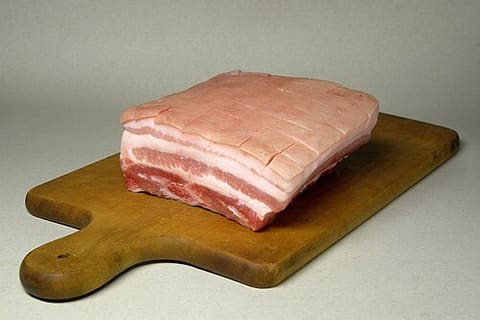
Meat from pigs: fatty, sweet cuts like belly and shoulder for slow cooking, lean loin and tenderloin for quick cooking.
Around the world: cerdo (es) · zhurou, 猪肉 (zh) · baboy (tl)
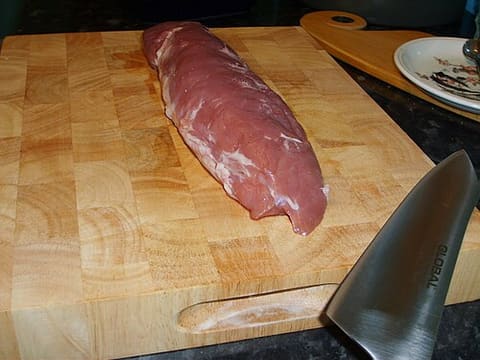
Photo: Rainer Zenz, via Wikimedia Commons (CC-BY-SA-3.0)
What it is
Pork is the meat of domestic pigs and is eaten fresh or cured into bacon, ham and sausages. Shoulder and belly are fatty and become tender with slow cooking or crisp with roasting; loin and tenderloin are lean and dry out if overcooked. It is not eaten in Jewish and Muslim dietary traditions.
Sus scrofa domesticus
How it’s used
- Roasts, including crackling
- Braises, stews and curries (e.g. vindaloo, adobo)
- Stir-fries and dumplings
- Barbecue, ribs and pulled pork
- Cured and smoked products
Characteristics
- Taste
- Mild, sweet and savoury.
- When cooked
- Modern pork can be served slightly pink at 63 °C; fatty cuts benefit from being cooked much further for tenderness.
- Sold as
- fresh, frozen, cured, smoked
- Cooking uses
- Commonly cooked, Suitable for frying, Suitable for grilling, Suitable for boiling
Kinds in our pantry
Storage
Refrigerated. Keep raw pork sealed on the bottom shelf of the fridge; freeze for longer storage.
Diet, allergens and safety
No major allergens in typical versions.
- Vegetarian
- Vegan
- Dairy-free
- Egg-free
- Gluten-free
- Nut-free
- Soy-free
- Caffeine-free
- Food-safety guidance for whole cuts of beef, lamb, veal and pork is 63 °C (145 °F) in the centre followed by a 3-minute rest; slow-cooked cuts are taken far higher for tenderness.
- Store raw meat sealed on the bottom shelf of the fridge and keep separate boards for raw meat and ready-to-eat food.
- Mincing spreads surface bacteria (including E. coli) through the meat: cook minced beef, pork, lamb and burgers to 71 °C (160 °F) in the centre, not rare.
Related ingredients

Recipes with pork
See all 226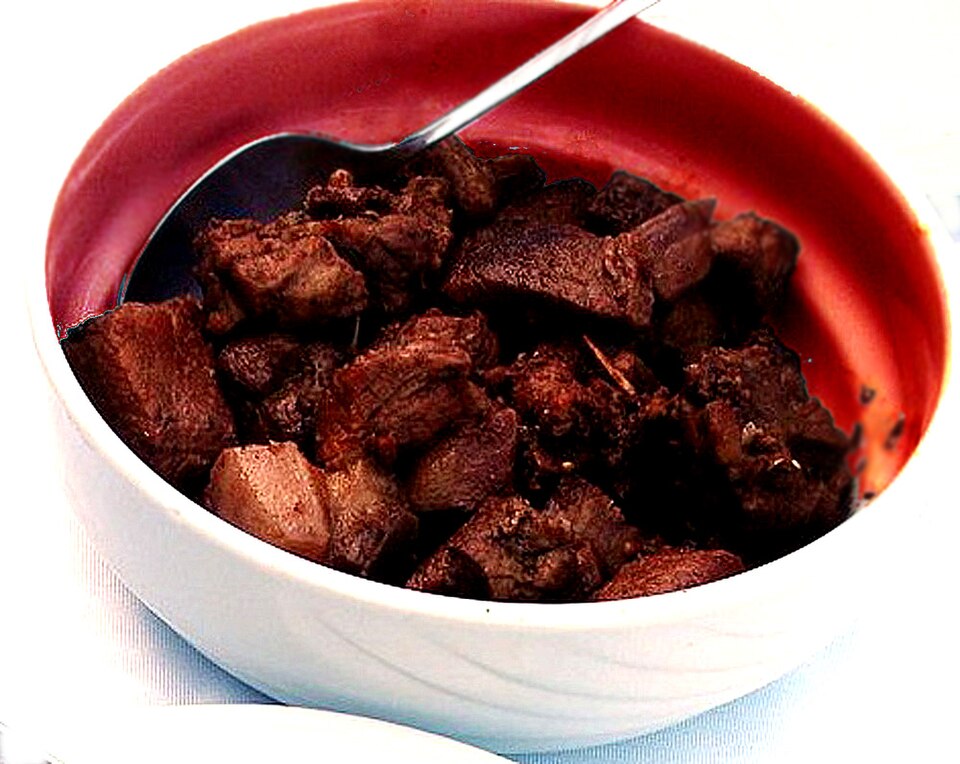
Afelia
 Cypriot · 13 h 45 min · 695 kcal
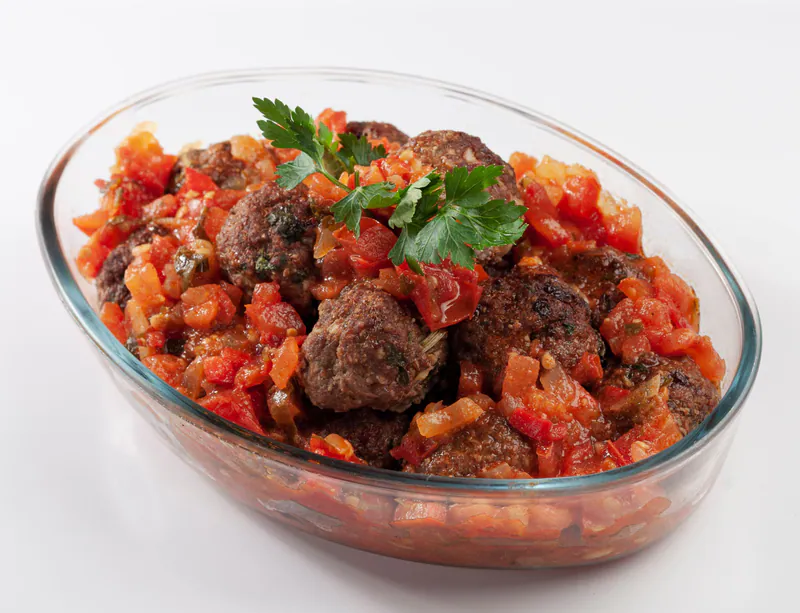
Albóndigas en salsa
 Spanish · 1 h 5 min · 560 kcal
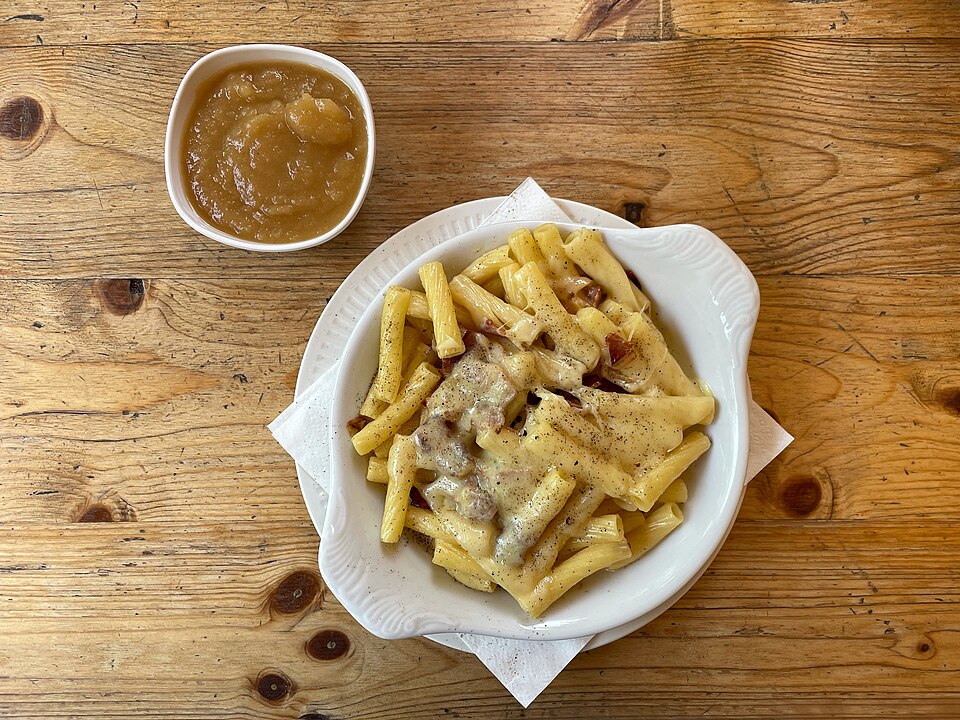
Älplermagronen
 Swiss · 50 min · 752 kcal
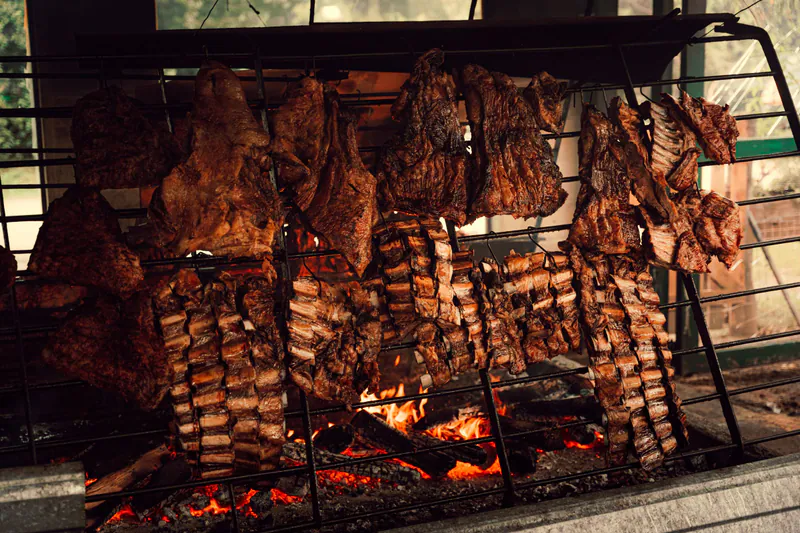
Argentine asado
 Argentine · 2 h 5 min · 653 kcal
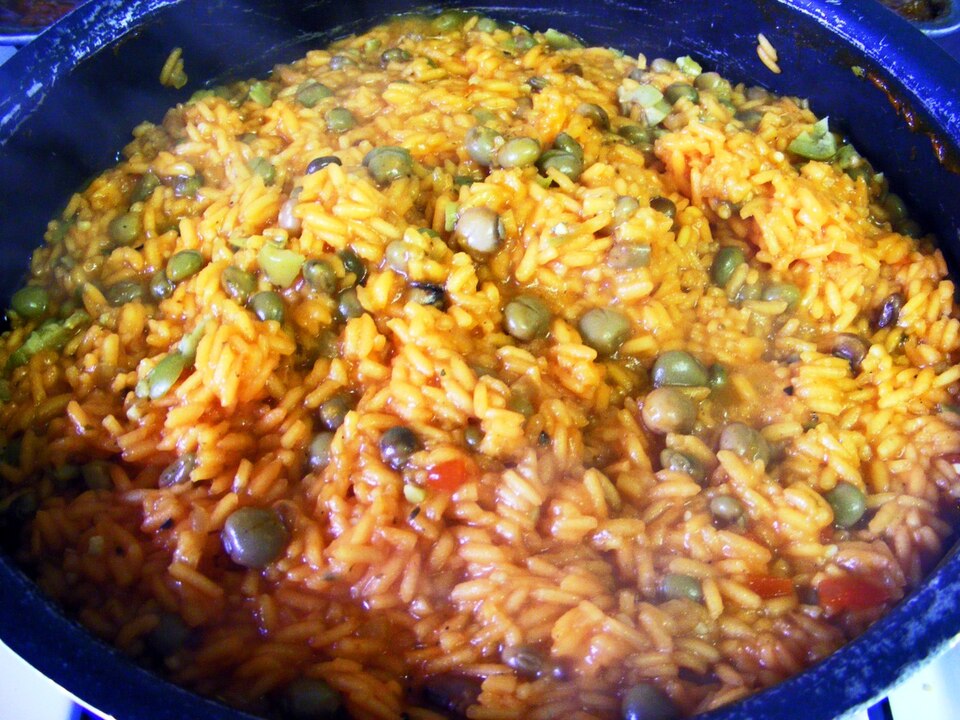
Arroz con gandules
 Puerto Rican · 1 h 10 min · 328 kcal
Bahamian peas 'n' rice
 Bahamian · 55 min · 407 kcal
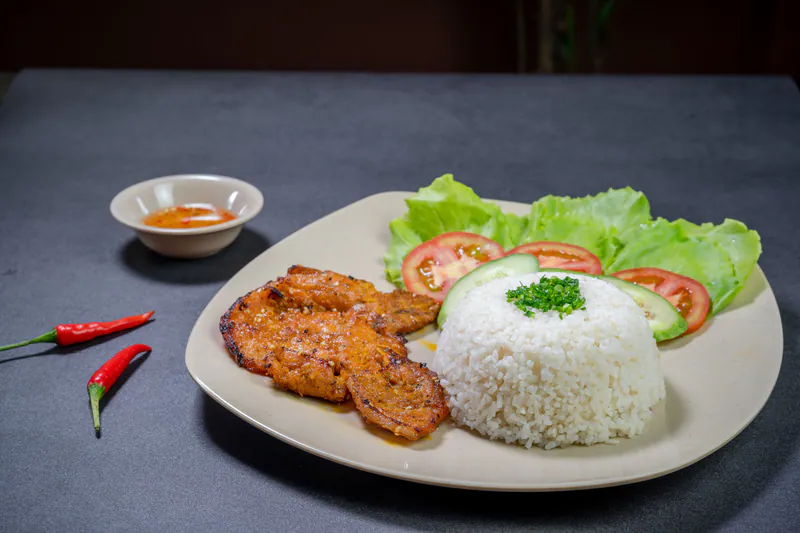
Bai sach chrouk
 Cambodian · 1 h 50 min · 724 kcal
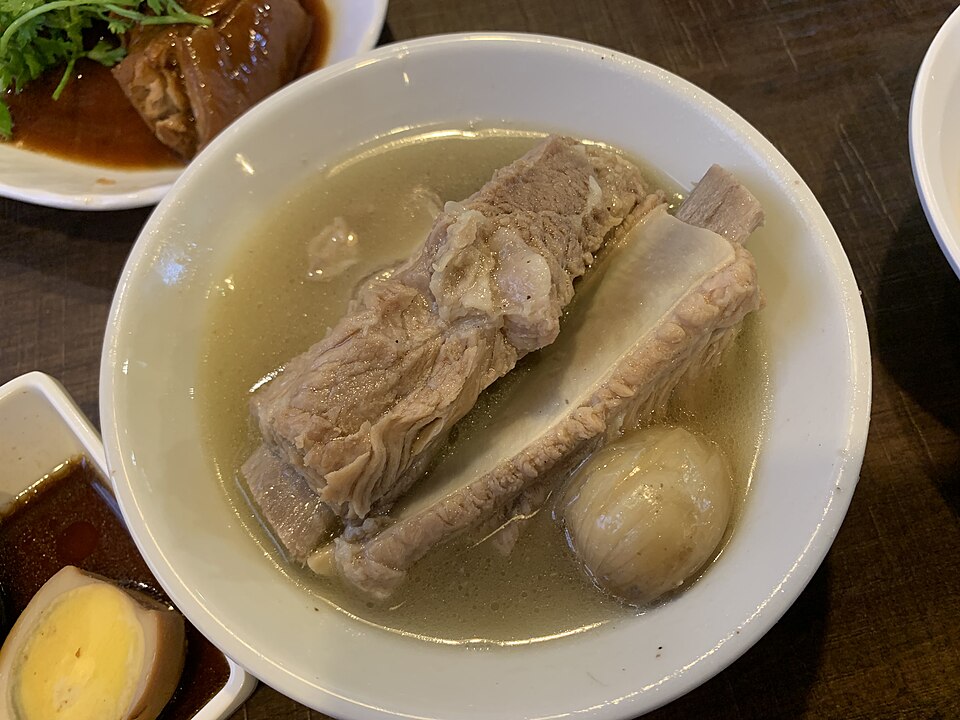
Bak kut teh (peppery Teochew style)
 Singaporean · 2 h 15 min · 739 kcal
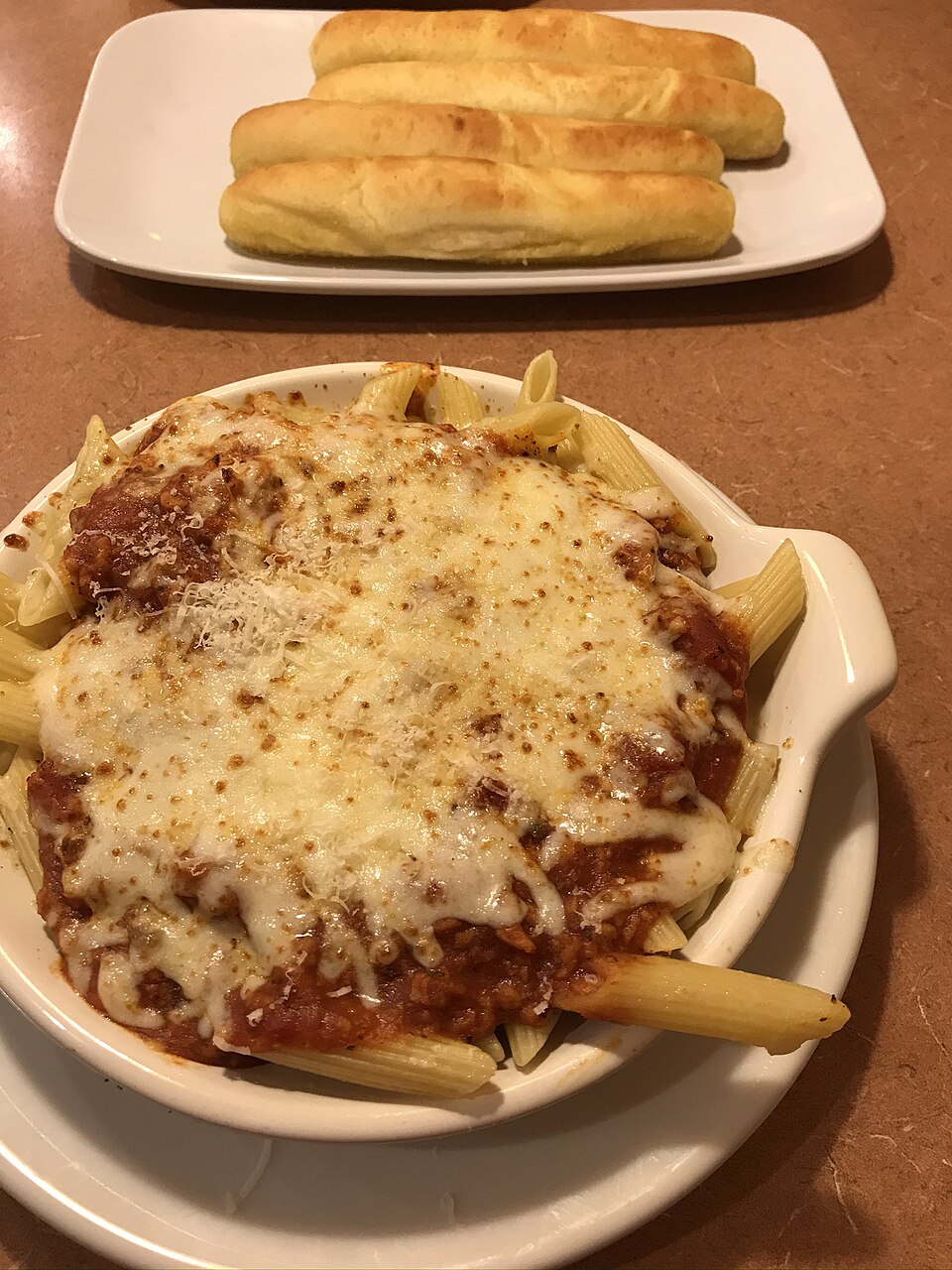
Baked ziti
 American · 1 h 30 min · 487 kcal
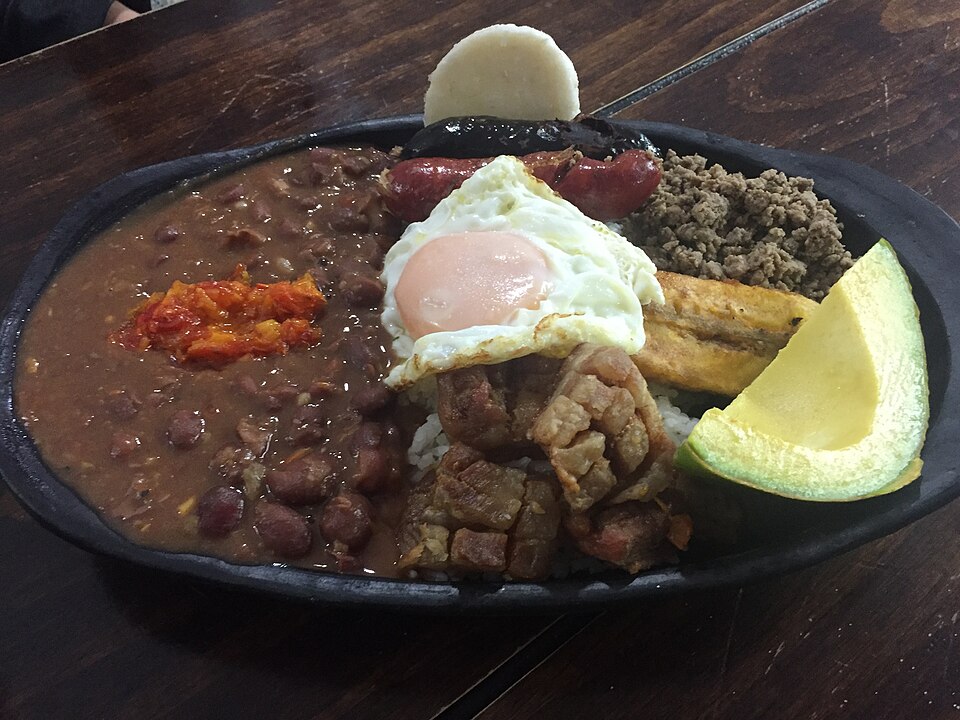
Bandeja paisa
 Colombian · 2 h · 1438 kcal
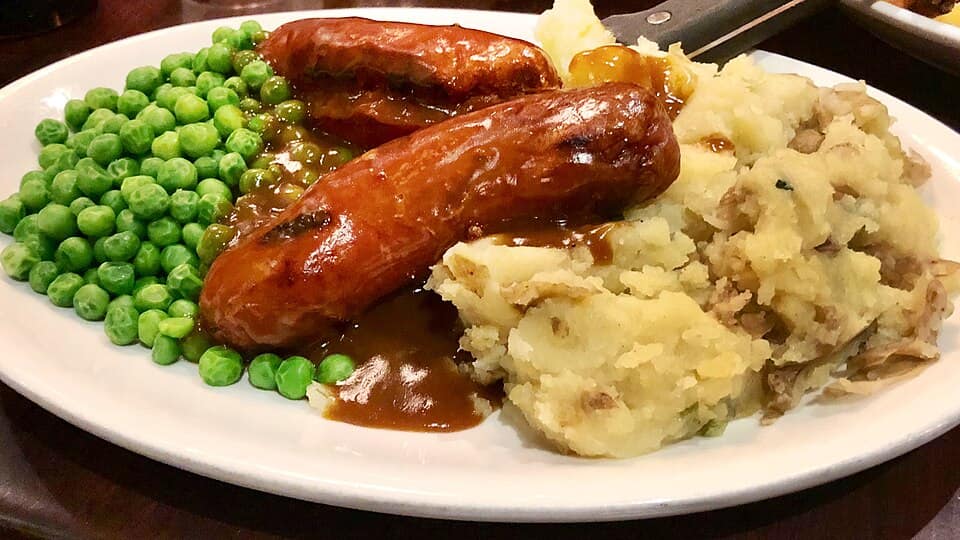
Bangers and mash with onion gravy
 British · 55 min · 822 kcal
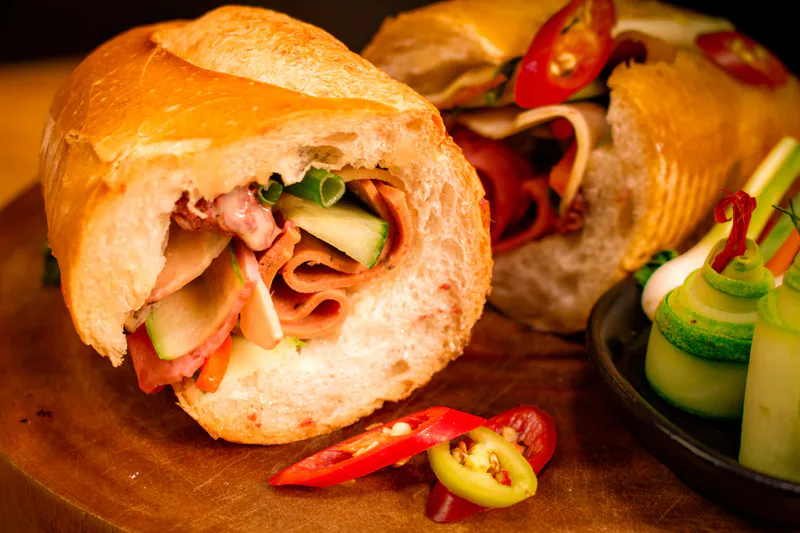
Bánh mì thịt nướng
 Vietnamese · 1 h 40 min · 656 kcal
214 more
- Bánh xèo · Vietnamese
- Bayerischer Krautsalat · German
- BBQ pulled pork · Southern US
- Bicol express · Filipino
- Bifana · Portuguese
- Bigos · Polish
- Biscuits and sausage gravy · Southern US
- Boerenkool stamppot · Dutch
- Boerewors with pap and sous · South African
- Boeuf bourguignon · French
- Bouneschlupp · Luxembourgish
- Bratkartoffeln · German
- Broccoli salad · American
- Bryndzové halušky · Slovak
- Bucatini all'amatriciana · Italian
- Budae jjigae (army base stew) · Korean
- Bún bò Huế · Vietnamese
- Bún chả · Vietnamese
- Burmese pork curry · Burmese
- Cachupa · Cape Verdean
- Caldo de feijão · Brazilian
- Caldo verde · Portuguese
- Carne de porco à alentejana · Portuguese
- Carnitas · Mexican
- Cassoulet · French
- Cepelinai · Lithuanian
- Chả giò (fried spring rolls) · Vietnamese
- Char kway teow · Malaysian
- Char siu (Cantonese barbecue pork) · Cantonese
- Chef's salad · American
- Chicken and andouille gumbo · Southern US
- Chicken sopas · Filipino
- Chiles en nogada · Mexican
- Chivito · Uruguayan
- Choripán · Argentine
- Ciorbă de perișoare · Romanian
- Claypot rice with chicken and Chinese sausage · Hong Kong
- Cobb salad · American
- Cochinita pibil · Mexican
- Cơm tấm sườn nướng · Vietnamese
- Completo italiano · Chilean
- Coorg pandi curry · South Indian
- Coq au vin · French
- Corn chowder · American
- Corn fritters · New Zealand
- Croque monsieur · French
- Croquetas de jamón · Spanish
- Crossing-the-bridge rice noodles · Chinese
- Cuban sandwich · Cuban
- Currywurst · German
- Dan dan noodles · Sichuan
- Dohneiiong · Indian
- Dublin coddle · Irish
- Eggs Benedict · American
- Erwtensoep · Dutch
- Fabada asturiana · Spanish
- Farofa · Brazilian
- Feijão carioca · Brazilian
- Feijoada · Brazilian
- Francesinha · Portuguese
- Frikadeller · Danish
- Full English breakfast · British
- Galette complète · French
- Gỏi cuốn (fresh spring rolls) · Vietnamese
- Gỏi ngó sen tôm thịt · Vietnamese
- Gołąbki · Polish
- Griot · Haitian
- Gua bao (Taiwanese pork belly buns) · Taiwanese
- Guo bao rou (Dongbei sweet and sour crispy pork) · Chinese
- Guyanese cook-up rice · Guyanese
- Gyoza (pan-fried pork dumplings) · Japanese
- Hallacas · Venezuelan
- Hokkien prawn mee · Singaporean
- Hot and sour soup · Chinese
- Huevos rotos (broken eggs over fried potatoes) · Spanish
- Hunan farmhouse stir-fried pork with green chillies · Chinese
- Hutspot · Dutch
- Italian wedding soup · Italian
- Jägerschnitzel · German
- Jambalaya · Southern US
- Japanese potato salad · Japanese
- Jeyuk bokkeum · Korean
- Jjajangmyeon (Korean black bean noodles) · Korean
- Jota (sauerkraut and bean stew) · Slovenian
- Judd mat Gaardebounen · Luxembourgish
- Kaeng jued tao hu moo sap · Thai
- Kai palo · Thai
- Kalduny · Belarusian
- Kapustnica · Slovak
- Kartoffelsuppe · German
- Katsudon · Japanese
- Kavarma (pork and vegetable clay pot) · Bulgarian
- Khinkali · Georgian
- Khorovats · Armenian
- Kimbap · Korean
- Kimchi fried rice · Korean
- Kimchi jjigae · Korean
- Kimchi mandu (kimchi dumplings) · Korean
- Königsberger Klopse · German
- Kotlet schabowy · Polish
- Koupepia · Cypriot
- Kranjska klobasa with sauerkraut · Slovenian
- Kugelis · Lithuanian
- Kuy teav · Cambodian
- Lasagne alla bolognese · Italian
- Linsensuppe · German
- Llapingachos · Ecuadorian
- Locro · Argentine
- Lu rou fan (Taiwanese braised pork rice) · Taiwanese
- Lumpia shanghai · Filipino
- Machanka · Belarusian
- Malloreddus alla campidanese · Italian
- Mangú con los tres golpes · Dominican
- Manhattan clam chowder · American
- Mici · Romanian
- Milanesa a la napolitana · Argentine
- Mofongo · Caribbean
- Moksi alesi · Surinamese
- Moo ping (Thai grilled pork skewers) · Thai
- Mulgikapsad · Estonian
- Mulgipuder · Estonian
- Nacatamal · Nicaraguan
- Naga pork with bamboo shoot · Indian
- New England clam chowder · American
- Njeguški steak · Montenegrin
- Œufs en cocotte (baked eggs with cream) · French
- Okonomiyaki · Japanese
- Olivier salad · Russian
- Oven hāngī · New Zealand
- Oven mumu · Papua New Guinean
- Pan con tomate · Spanish
- Pasta alla gricia · Italian
- Pašticada · Croatian
- Pastrmajlija · Macedonian
- Peameal bacon sandwich · Canadian
- Pelēkie zirņi ar speķi · Latvian
- Pelmeni · Russian
- Pernil · Puerto Rican
- Phagshapa · Indian
- Pinakbet · Filipino
- Pique macho · Bolivian
- Plato típico hondureño · Honduran
- Pljeskavica · Serbian
- Pork and cabbage jiaozi · Chinese
- Pork baozi (steamed pork buns) · Chinese
- Pork gyros pita · Greek
- Pork saltimbocca · Italian
- Pork sisig · Filipino
- Pork souvlaki · Greek
- Pork vindaloo · Goan
- Pozole rojo · Mexican
- Pyttipanna · Swedish
- Québec yellow pea soup · Canadian
- Quiche Lorraine · French
- Raclette · Swiss
- Raggmunk med fläsk · Swedish
- Ragù alla bolognese with tagliatelle · Italian
- Rakott krumpli · Hungarian
- Ravitoto sy henakisoa · Malagasy
- Red beans and rice · Southern US
- Red-braised pork belly · Chinese
- Rinderrouladen · German
- Rougaille saucisses · Mauritian
- Salade lyonnaise · French
- Salmorejo · Spanish
- Sancocho de siete carnes · Dominican
- Sarma (sour cabbage rolls) · Serbian
- Sarmale · Romanian
- Sauce tomate (classical tomato sauce) · French
- Sausage rolls · Australian
- Scotch eggs · British
- Selsko meso (village-style pork) · Macedonian
- Sertéspörkölt · Hungarian
- Shanghai fried noodles · Chinese
- Shrimp and grits · Southern US
- Sichuan dry-fried green beans · Sichuan
- Solyanka · Russian
- Sopa de ajo · Spanish
- Southern collard greens · Southern US
- Souvla · Cypriot
- Spaghetti carbonara · Italian
- Split pea soup with ham · American
- Sri Lankan black pork curry · Sri Lankan
- Stegt flæsk med persillesovs · Danish
- Stoemp · Belgian
- Sundubu jjigae · Korean
- Svíčková na smetaně · Czech
- Swedish meatballs · Swedish
- Sweet and sour pork · Cantonese
- Tacos al pastor · Mexican
- Tarte flambée · French
- Thịt kho trứng · Vietnamese
- Tlayudas · Mexican
- Toad in the hole · British
- Töltött káposzta · Hungarian
- Tom saep · Thai
- Tonjiru (pork and vegetable miso soup) · Japanese
- Tonkatsu · Japanese
- Tortellini in brodo · Italian
- Tourtière · Canadian
- Twice-cooked pork · Sichuan
- Vepřo knedlo zelo · Czech
- Vigorón · Nicaraguan
- Wedge salad · American
- Winter melon soup with pork ribs · Cantonese
- Wonton soup · Cantonese
- Xiaolongbao (soup dumplings) · Chinese
- XO sauce · Cantonese
- Yakisoba · Japanese
- Yam woon sen (glass noodle salad) · Thai
- Yangzhou fried rice · Chinese
- Yuca frita con chicharrón · Salvadoran
- Zhajiangmian (Beijing fried sauce noodles) · Chinese
- Żurek · Polish
More pork
Pork
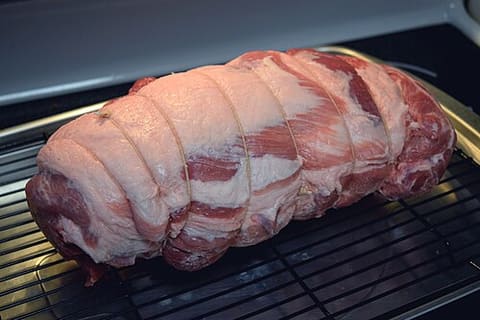
Pork shoulder
Well-marbled pork shoulder (butt, collar): the cut for pulled pork, char siu, carnitas and slow roasts.
46 recipes
Pork
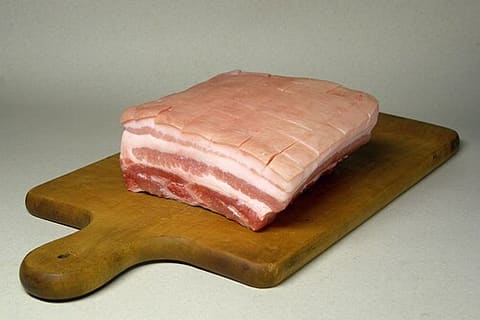
Pork belly
Layers of fat and meat from the pig's underside, with skin; braised, roasted for crackling or grilled in slices.
34 recipes
Pork
Ground pork
Minced pork, mild and fatty; the base of dumplings, mapo tofu, meatballs, larb and sausages.
36 recipes
Pork
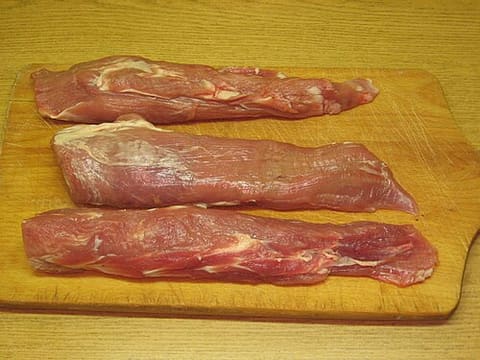
Pork tenderloin
Small, lean, tender pork fillet that roasts or sears in minutes; easily overcooked.
4 recipes
Pork
Pork loin
Lean pork from along the back, with a fat cap; sold as roasts and chops, boneless or on the bone.
7 recipes
Pork
Pork spare ribs
Pork ribs with meat between the bones; barbecued, braised, steamed with black bean or cut small for soups.
4 recipes